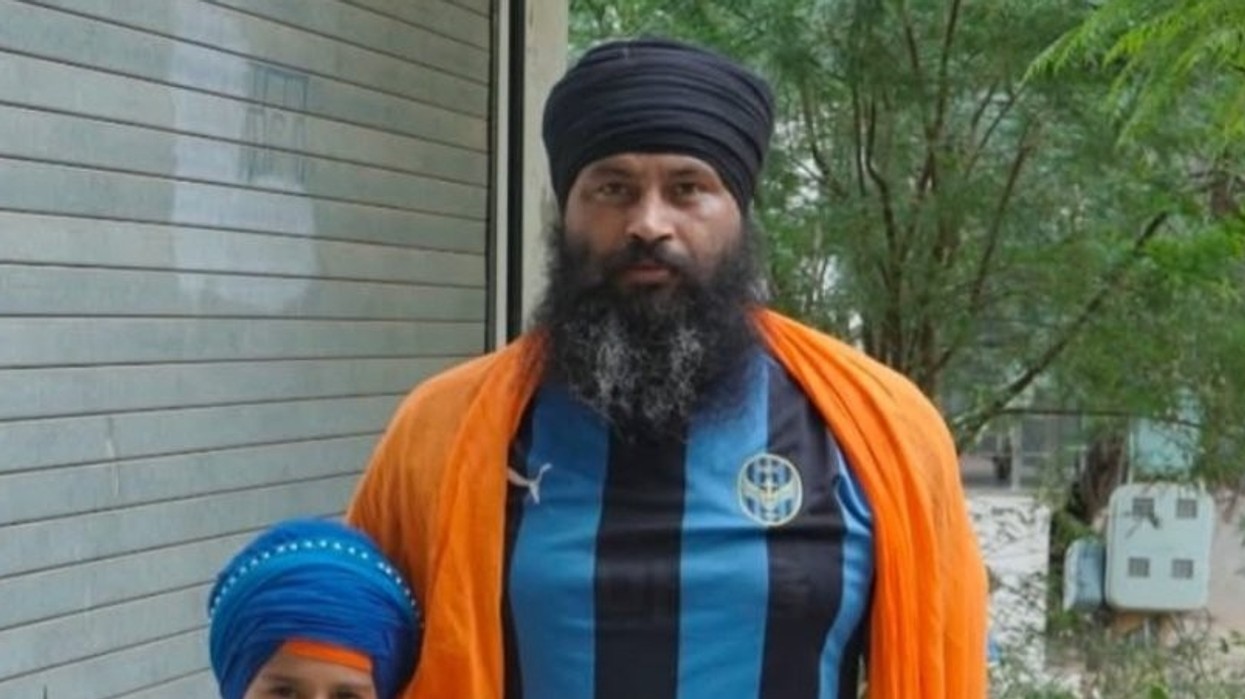

Bollywood actor Imran Khan, the nephew of Aamir Khan and popular for his film Jaane Tu Yaa Jaane Naa, has been directed to leave India by October 28 after participating in a protest in Mumbai demanding the resignation of Chief Election Commissioner Gyanesh Kumar. The notice has raised questions about how a US citizen who has lived much of his life in India can be asked to leave the country over a political demonstration.
The answer lies in the distinction between Indian citizenship and Overseas Citizen of India (OCI) status. Although Khan grew up in Mumbai and built his acting career in Bollywood, he is an American citizen by birth. His OCI card allows him to live and work in India under specified conditions, but it does not make him an Indian citizen.
Why was Imran Khan told to leave India?
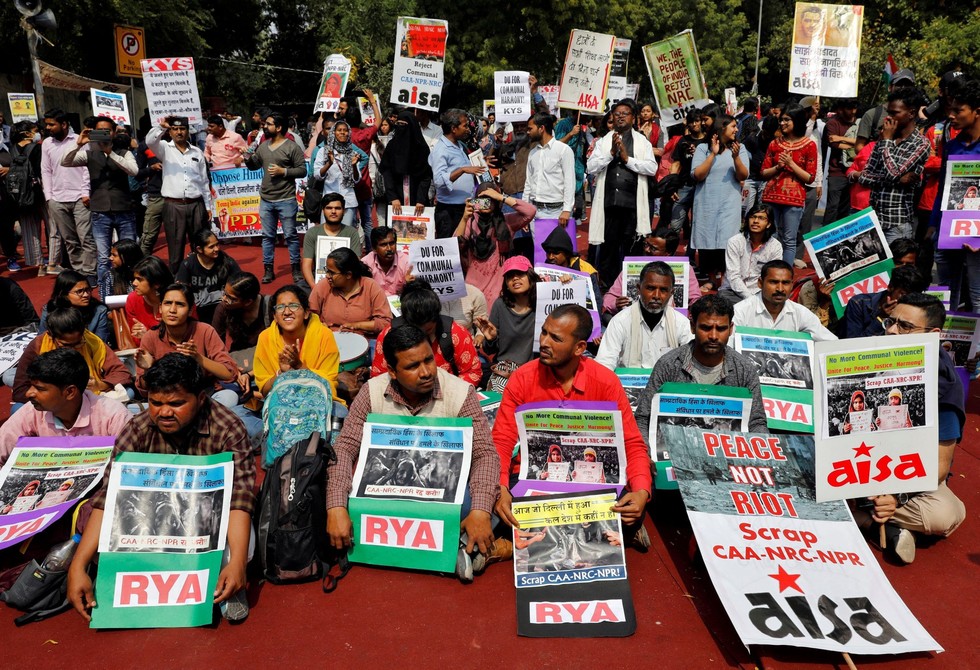
Khan attended a protest at Mumbai's August Kranti Maidan on Saturday (10). The demonstration, organized under the banner of the Cockroach Janta Party (CJP) and Hum Bharat Ke Log, called for Gyanesh Kumar's resignation and was held in support of a wider movement at Delhi's Jantar Mantar.
Mumbai Police detained Khan during the protest. His cousin, actor Zayn Marie Khan, and his partner, actor and artist Lekha Washington, were also detained.
Before his detention, Khan explained why he had attended the demonstration. Speaking to news agency ANI, he said: “I don't have demands. I am here as a citizen, as someone who lives in this city. I am here to see why freedom of movement is being restricted—why people's voices are being suppressed. That is why I am here. I am not in a position to make demands of anyone. Nor am I part of any organisation. I am just here as a representative.”
Khan later shared a photograph from inside a police van on Instagram, captioning it, “Apparently I'm going for a drive (sic).”
Following the incident, a notice was issued directing him to leave India by October 28. Reports said the action followed a complaint by BJP leader Kirit Somaiya, who questioned whether Khan's participation in a political protest was permissible given his foreign citizenship and OCI status.
How can India order a US citizen to leave?
The key distinction is that an OCI card is not dual citizenship. India does not permit dual citizenship, and OCI holders remain foreign nationals, even when they have Indian ancestry or longstanding personal and professional ties to the country.
OCI status provides benefits, including a lifelong, multiple-entry visa, subject to applicable rules. It does not automatically confer the constitutional rights available to Indian citizens, including the fundamental rights to freedom of speech and peaceful assembly under Article 19.
The notice reportedly invokes the Immigration and Foreigners Act, 2025. Section 7 empowers the central government to regulate or restrict the entry, departure, presence and movement of foreign nationals in India.
In practical terms, a foreign national's permission to remain in India is governed by immigration law and the conditions attached to their status. An OCI card does not provide an unconditional right to stay regardless of those rules.
However, the reported notice does not, by itself, mean Khan has lost his OCI status. Cancellation of OCI registration is a separate process governed by the Citizenship Act, which provides for cancellation on specified grounds and requires an opportunity to be heard.
Does attending a protest automatically mean deportation?
Not necessarily. The important question is what rules apply to the individual's immigration status and what conduct authorities allege has breached them.
Foreign nationals and OCI cardholders may face restrictions on political activities under applicable immigration and OCI rules. Authorities can take action when they believe those conditions have been violated, but the precise legal basis and circumstances matter.
Khan's statement that he attended as a Mumbai resident, rather than as a representative of an organisation, offers his explanation of his presence. It does not, on its own, determine whether his participation complied with the rules governing OCI holders.
Likewise, the issuance of a notice is not proof that every allegation against him has been established.
What happens next?
Khan's immediate deadline is October 28. He could comply with the notice or challenge it through the available legal process. Any court challenge could examine the authority for the direction, the rules applicable to his OCI status and the circumstances surrounding his participation in the protest.
There is also a distinction between being directed to leave India and having an OCI card cancelled. The latter could affect his ability to return and would involve a separate legal process.
For now, the case highlights a central tension in India's OCI system: people of Indian origin can maintain deep personal and professional ties to the country without holding Indian citizenship. Those ties can make India feel like home, but they do not remove the immigration conditions attached to foreign nationality.