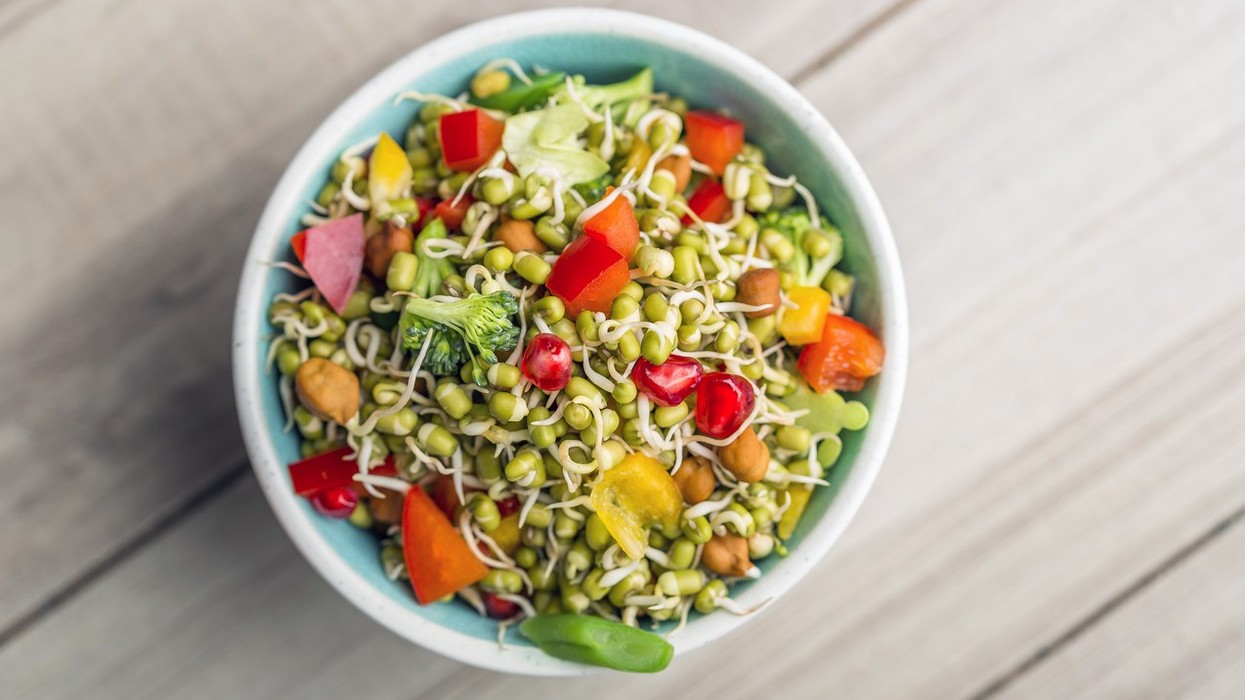

As protein shakes, high-protein snacks, and nutrition-focused diets become increasingly mainstream, Indians are paying more attention to protein than ever before. But according to a new report, greater awareness has not necessarily led to greater understanding.
The report, India’s Protein Paradox, surveyed 2,000 consumers across the country and found that while protein has become a key part of everyday eating habits, confusion about protein requirements remains widespread.
Nearly one in two respondents said they include protein in every meal, while 41 per cent actively track or estimate their protein intake. Almost half reported checking nutrition labels before purchasing food products.
Yet despite this growing focus on nutrition, the survey uncovered a striking reality: 93 percent of people who regularly monitor their protein intake still feel uncertain about protein-related information.
Protein awareness is growing, but confusion remains
For years, protein was largely associated with athletes, bodybuilders, and fitness enthusiasts. Today, however, it has become part of mainstream conversations about health and wellness.
Consumers are increasingly trying to make protein-conscious choices, whether through dietary changes, food labels, or nutritional supplements. But many appear unsure about how much protein they actually need or whether they are meeting those requirements.
According to the report, even people who believe they understand protein often display inconsistent eating habits. This suggests that confidence in nutritional knowledge does not always translate into informed dietary decisions.
The findings point to a growing gap between awareness and practical understanding, a challenge nutrition experts have long highlighted as protein gains popularity among the general public.
Social media and self-research are shaping food choices
One of the report's most notable findings is how Indians are learning about protein.
Only 19 percent of respondents said they rely on doctors or nutritionists for protein-related guidance. Instead, many consumers turn to online content, personal research, product packaging, and their own experiences when making dietary decisions.
As a result, protein has come to mean different things to different people. While some consumers associate it with muscle growth and fitness goals, others view it as an essential component of overall health, energy levels, and daily well-being.
This individualized approach to nutrition reflects a broader shift in consumer behavior, where people increasingly prefer to navigate health information independently rather than rely solely on professional advice.
Traditional foods still dominate India's protein story
Despite the rapid growth of the supplement industry, traditional food sources continue to play a major role in how Indians consume protein.
Half of the respondents said they believe natural foods provide better protein than supplements. Pulses, lentils, nuts, dairy products, and other familiar staples remain central to many diets.
The survey also found that dietary preferences influence protein choices in interesting ways. Among non-vegetarians, nearly one-third still depend on plant-based protein sources such as pulses and nuts as a regular part of their diet. Vegetarians, meanwhile, continue to rely heavily on dairy products, pulses, and nuts to meet their protein needs.
Another surprising finding was that cost is no longer viewed as the biggest hurdle. More than 70 percent of respondents described protein as affordable or only slightly expensive. Instead, the larger challenge appears to be understanding how much protein is needed and identifying the most effective ways to include it in daily meals.
The report suggests that India’s protein conversation is entering a new phase, one where awareness is high, interest is growing, but education may not be keeping pace. As consumers become increasingly focused on health and nutrition, bridging that knowledge gap could be just as important as making protein more accessible.


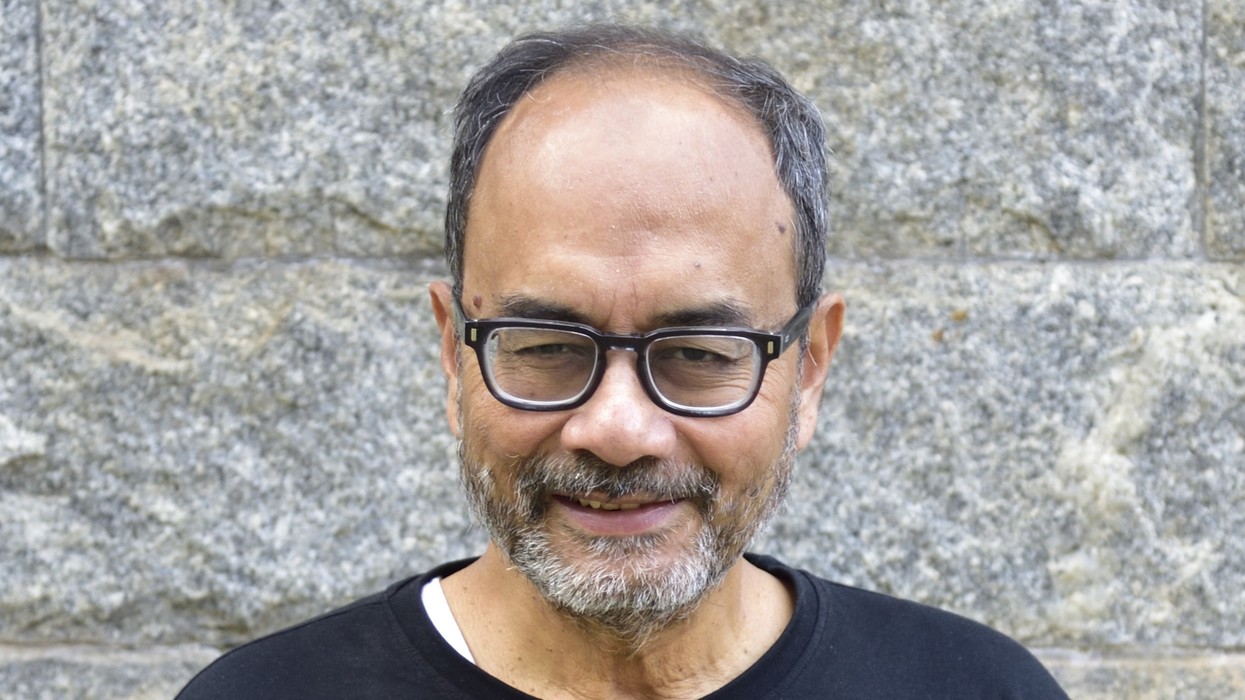


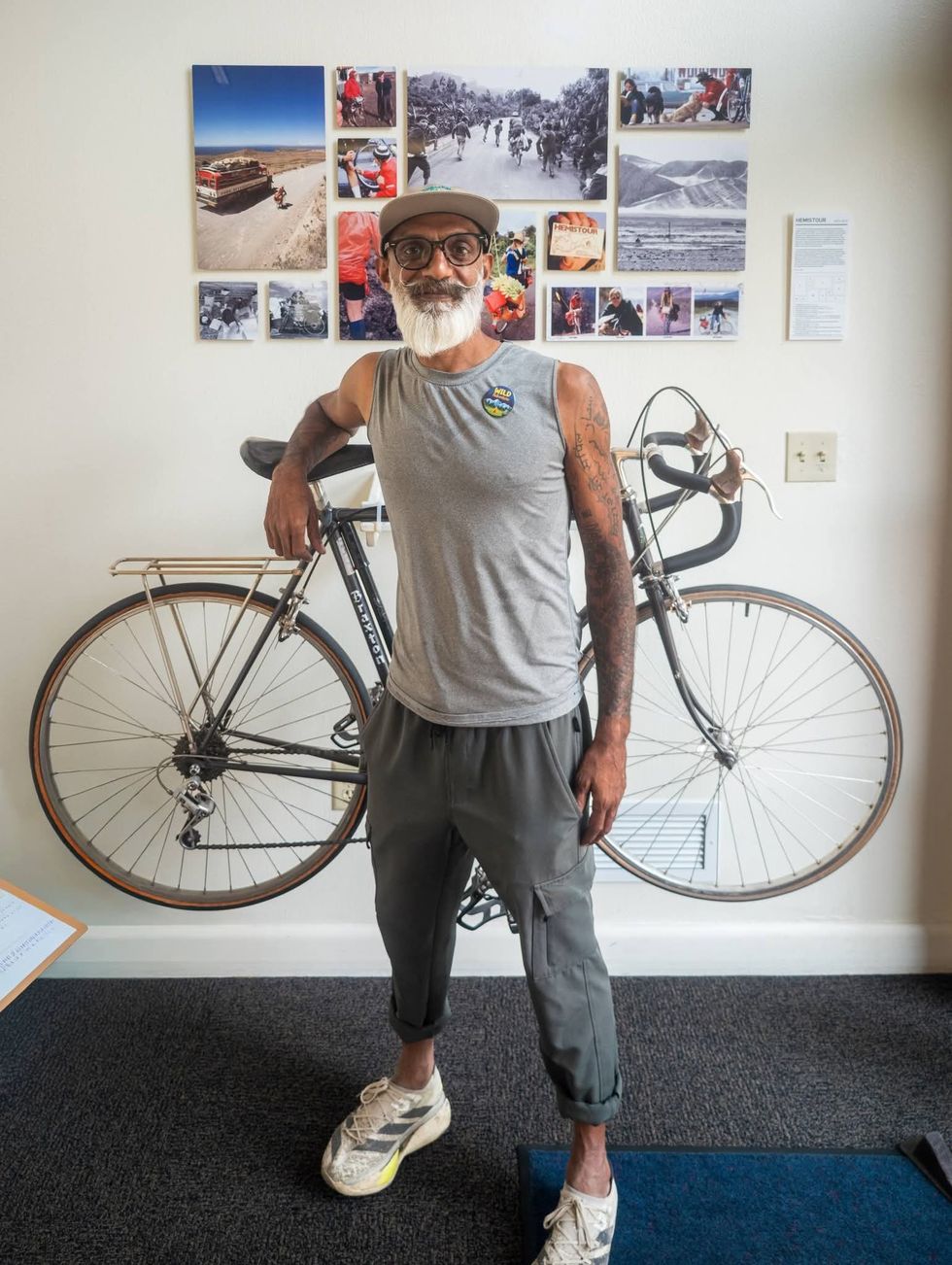 Chazzy Patel with his electric bike and the memories captured in frames.Google Drive
 Chazzy Patel with his friends he made while circumnavigating on electric bike.Google Drive
 Chazzy Patel's setup in ThailandGoogle Drive





 Outlook
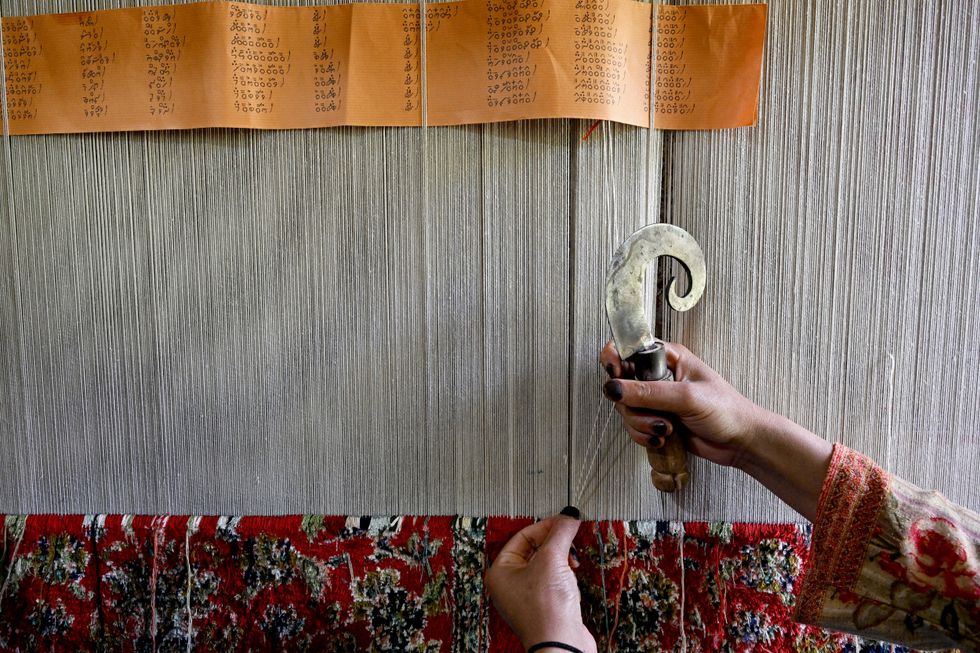 A Kashmiri craftswoman weaves a silk carpet at a factory in SrinagarTauseef Mustafa/AFP via Getty Images
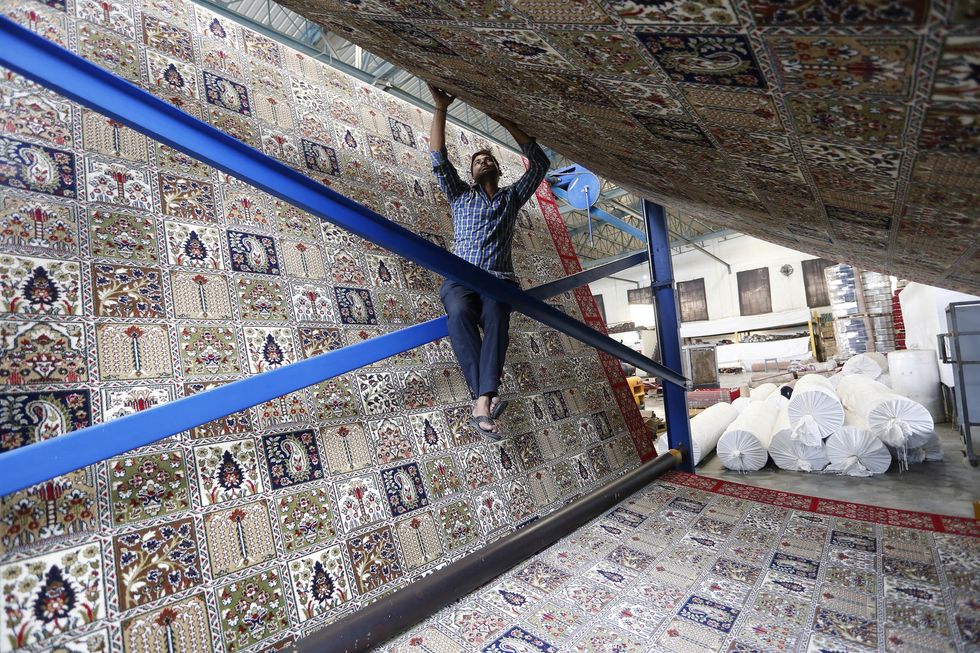 A worker weaves a carpet at a factory on the outskirts of JammuAlok pathania/AFP via Getty Images
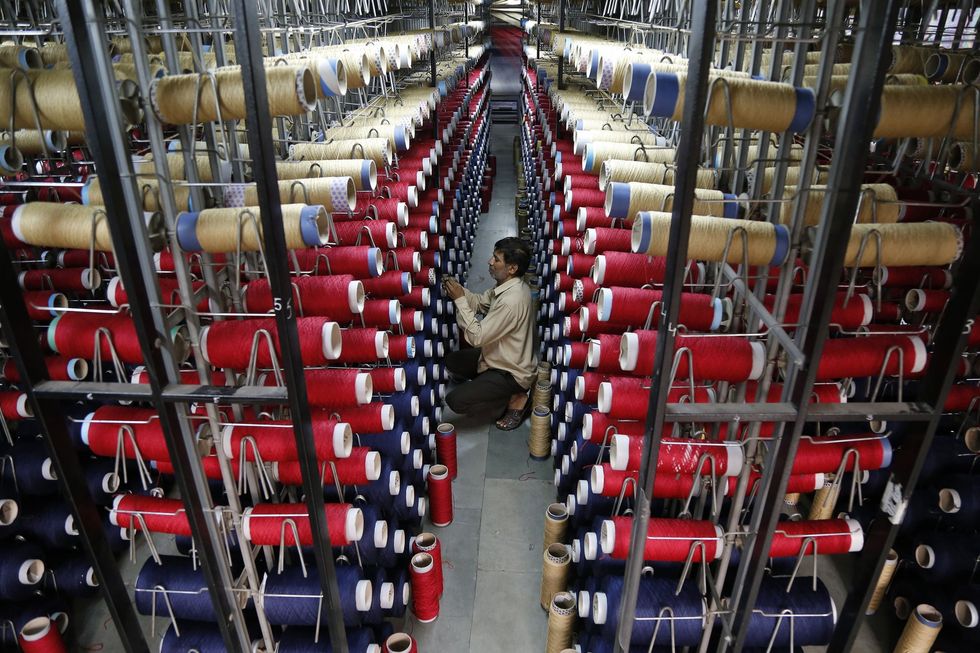 A worker checks thread reels at a carpet factory in JammuAlok pathania/AFP via Getty Images