
Highlights:
The CEOs of some of California's biggest tech companies signed on to US president Donald Trump's "super intelligence" push this week. Their home state just refused to go along.
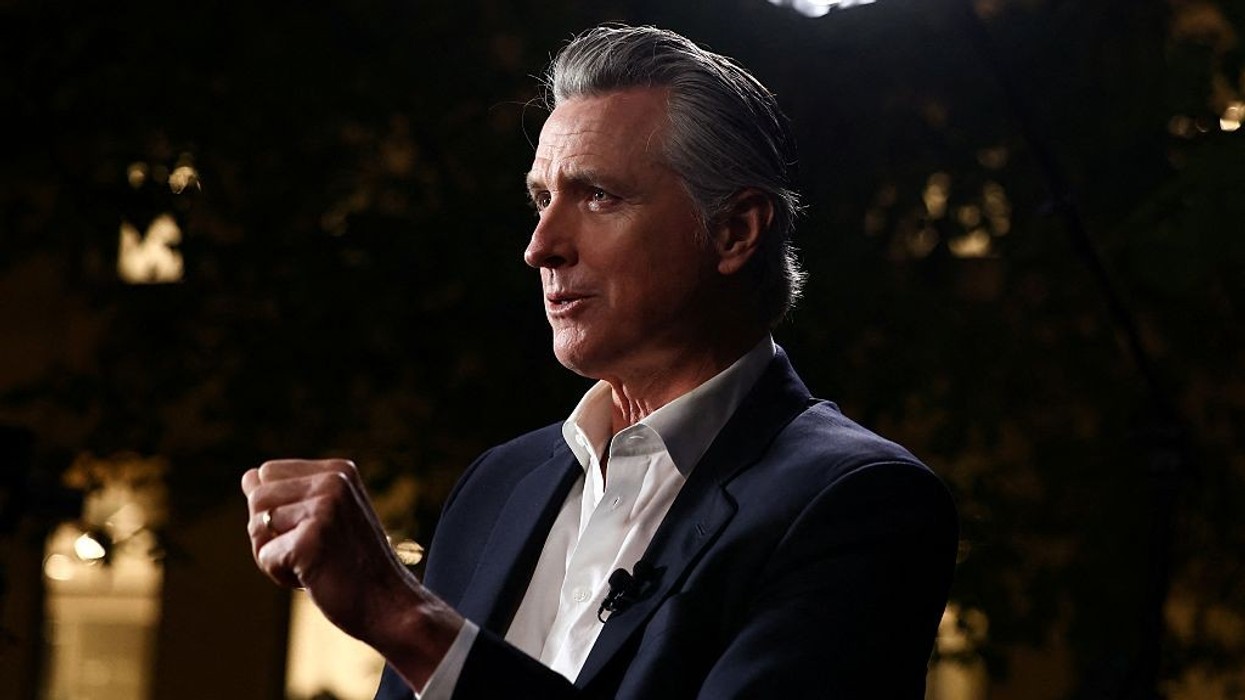
On Wednesday (30), California Gov. Gavin Newsom signed an executive order requiring state agencies to keep calling the technology "artificial intelligence." Here's what happened, why California matters so much, and what changes next.
What did Trump do?
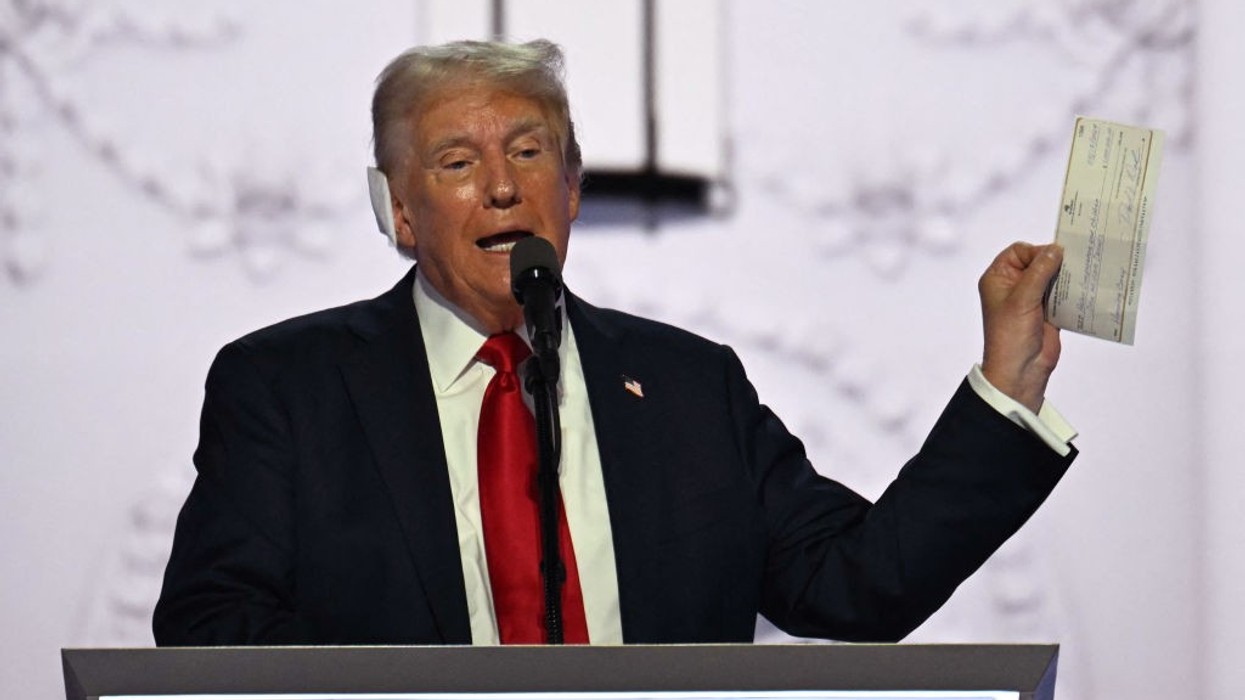
Trump signed an executive order on September 29 directing federal departments and agencies to use "Super Intelligence" and "SI" instead of "Artificial Intelligence" and "AI" in official correspondence, public communications, websites, reports and policy documents. The order argues that frontier AI systems have moved far beyond what the original term described.
The same day, Google CEO Sundar Pichai, Anthropic CEO Dario Amodei, Meta CEO Mark Zuckerberg, OpenAI President Greg Brockman and Nvidia CEO Jensen Huang signed a "White House Accord on Super Intelligence." The accord encourages companies to closely monitor their models' capabilities and set up internal safety teams.
How did California respond?
Newsom fired back a day later.
"I just signed an executive order permanently declaring Artificial Intelligence 'Artificial Intelligence' in California. You're welcome, America," he shared on X.
The order directs that "All agencies and departments subject to my authority shall refer to Artificial Intelligence and Al as "Artificial Intelligence" and "AL" notwithstanding any rebranded or different terminology used by the federal government, unless inconsistent with the law."
In a statement, Newsom also took a direct swipe at Washington: "Super intelligence is clearly not coming from the White House."
Why California's position matters
The fight isn't really about a name. It's about who sets the rules for AI, and California has unusual leverage. According to the governor's office, the state is home to 33 of the world's top 50 privately held AI companies and accounts for a quarter of all AI patents, conference papers and companies.
The state's office also says more than half of global venture funding for AI and machine learning startups went to Bay Area companies in 2024. Three of the four companies that have passed the $3 trillion valuation mark, Google, Apple and Nvidia, are based in California.
That means the same companies whose leaders signed Trump's accord in Washington must still follow California's rules at home.
Is this just about words?
Not entirely. Newsom's order argues that renaming a technology doesn't address its risks. One passage says changing something's name cannot distract from "the impotent and craven failure to take action to address well-documented emerging security and safety risks posed by that thing."
Alongside the order, Newsom signed new laws to protect workers from AI. They limit the technology's use in disciplinary and firing decisions and require notices when AI adoption leads to mass layoffs.
These build on SB 53, the Transparency in Frontier Artificial Intelligence Act, which Newsom signed in 2025 as the nation's first AI safety law.
What changes for Californians?
In practical terms, very little day to day. The order only covers state agencies under Newsom's authority and explicitly does not create any legal rights or benefits. Tech companies are free to use whatever terms they choose.
The bigger impact comes from the new worker protections, which give Californians more say when AI is used in decisions about their jobs.
What happens next?
Newsom is signaling that California will keep acting on its own. "We have to do a lot more in the absence of federal leadership," he told the press, leaving open the possibility of calling lawmakers back for a special session on AI.
For Silicon Valley, that means operating under two very different approaches: Washington's voluntary, self-policing model, and California's push for binding rules.










 President of Iran Masoud Pezeshkian holds up a poster of a girl's school that was attacked while addressing the 81st session of the United Nations (U.N.) General Assembly at U.N. Headquarters on September 23, 2026 in New York City. World leaders have gathered in New York for the annual session of the United Nations General Assembly, with this year's global issues ranging from the threat of artificial intelligence to the continued wars in Ukraine and Gaza. Getty Images