
A technical failure in the United States' air traffic control communications network brought flight departures across the country to a halt on Friday (13). The Federal Aviation Administration (FAA) ordered a nationwide ground stop after communication and radar systems experienced instability across multiple air traffic control centers.
The restriction lasted nearly five hours. The FAA lifted it at approximately 8:15 p.m. Eastern Time, but the disruption continued over the weekend as airlines worked to restore their schedules.
According to the FAA, the problem affected 17 of its 22 Air Route Traffic Control Centers. These facilities help controllers communicate with pilots, monitor aircraft and coordinate air traffic across large sections of the country.
The ground stop was a precautionary safety measure. Approximately 3,500 aircraft were airborne when the restriction was imposed, and officials said they were safely guided to their destinations or alternate airports.
What caused the communication outage?
The preliminary investigation points to excessive data traffic overwhelming parts of the FAA's aging telecommunications infrastructure.
In its November 15 update, the FAA said its network began receiving approximately 1,000 connection attempts every four to five seconds. The sudden surge destabilized the system and affected the communications and radar data used by air traffic controllers.
Investigators identified two potential sources of the excessive traffic: a radar facility in Amarillo, Texas, and a radio communications site in El Dorado, Arkansas.
The issue emerged during maintenance work involving the replacement of older copper telecommunications lines with fiber-optic connections. Government contractor L3Harris was carrying out maintenance at the Arkansas facility.
US Transportation Secretary Sean Duffy said officials were investigating whether the failure resulted from human error, an installation mistake or faulty equipment supplied by the contractor. The investigation has not established the final cause.
Was the outage caused by a cyberattack?
There is currently no evidence that the incident was caused by a cyberattack or an external malicious actor.
The FAA also clarified that the outage did not result in a complete loss of communications. Some radio frequencies and radar feeds remained operational, allowing controllers to maintain contact with aircraft and monitor their movements.
Critical operations, including life-saving, law enforcement and military flights, continued, according to the agency.
The nationwide ground stop was therefore a safety decision taken because the instability made it difficult to rely fully on the affected systems.
Why did the disruption continue after flights resumed?
Lifting the ground stop did not mean airlines could immediately return to normal operations.
When flights are delayed, diverted or canceled, aircraft and crew members can end up in different locations from where they are scheduled to operate next. Passengers miss connecting flights, while airlines must reorganize aircraft, pilots and cabin crews.
The FAA's November 13 disruption was followed by cancellations and delays throughout the weekend. Business Standard reported that more than 11,500 flights were canceled or delayed on Sunday alone.
The FAA said approximately 12,462 flights were canceled on November 13, although it clarified that not every cancellation was directly attributable to the ground stop. At least 827 flights were diverted during the disruption, according to figures cited by the Associated Press.
What is the latest update as of November 16?
The nationwide ground stop has been lifted, and the US aviation network is recovering. The immediate restriction on departures is no longer in effect.
In its November 16 report, Business Standard said US Transportation Secretary Sean Duffy expected airline operations to return to normal by Monday. However, passengers may still experience individual delays or schedule changes as airlines complete the recovery process.
The latest available reporting does not establish that every airline and airport has returned to its regular schedule.
What does this mean for Air India passengers?
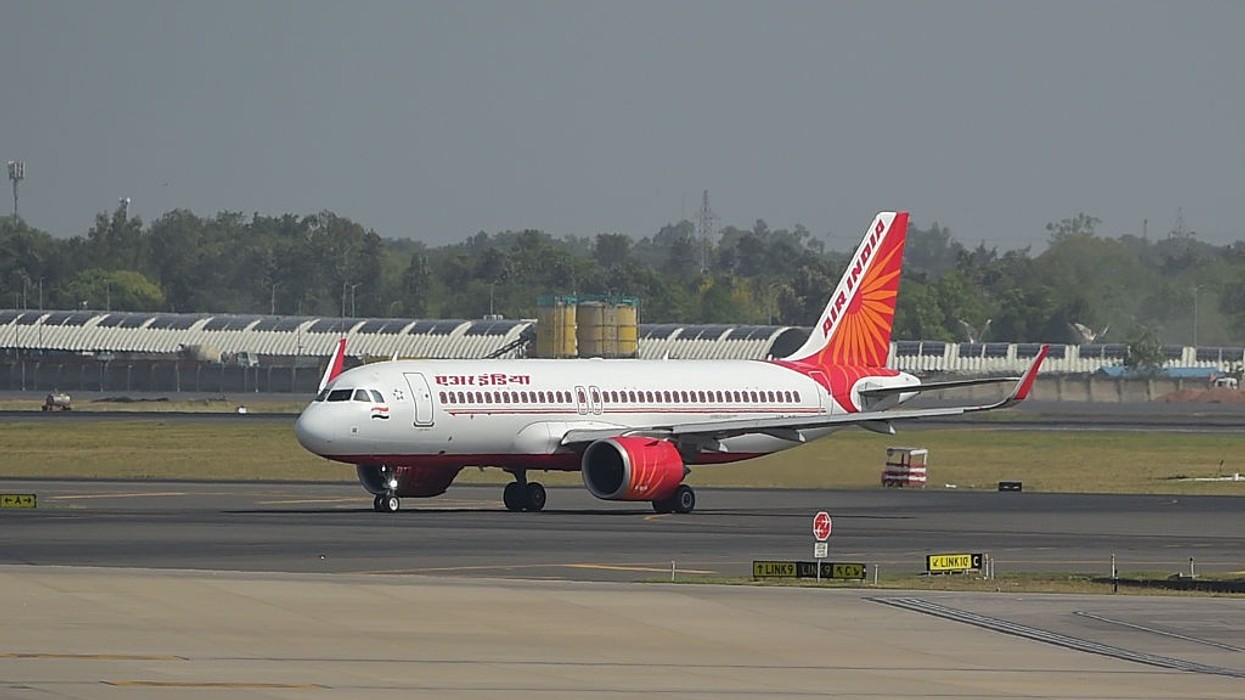
Air India issued a travel advisory on November 14, warning of possible consequential disruptions to its flights to and from the United States.
The airline advised passengers to check their flight status on its official website and plan their airport journey accordingly. It also said its teams were monitoring the situation.
For passengers traveling between India and the US, the important distinction is that the FAA's nationwide ground stop has ended, but individual flights may still be affected by the resulting schedule disruption.
Travelers should check their specific flight status before leaving for the airport and follow any rescheduling or cancellation notifications issued by Air India.
The incident has also renewed questions about the modernization of US air traffic control infrastructure. Reuters reported that the FAA is replacing its legacy copper-based communications network with fiber technology, but the transition has exposed the challenge of upgrading critical systems while keeping older equipment operational.