
Highlights:
MORE than a week after authorities arrested a 19-year-old accused of plotting an attack on a Hindu temple in Aurora, Illinois, 105 members of Congress have urged the FBI to investigate the case as a potential federal hate crime and explain its response to online threats targeting Indian Americans and other south Asian communities.
The October 20 letter was led by Indian American congressman Raja Krishnamoorthi and signed by 105 lawmakers, including four senators. They have asked FBI director Kash Patel whether investigators are examining possible racial, ethnic and religious bias, whether anyone helped or encouraged the suspect, and what steps are being taken to protect houses of worship.
Sarah Shah of Indian American Impact told India Weekly that the FBI should investigate the alleged plot as a potential federal hate crime, determine whether anyone assisted the suspect and respond to the lawmakers’ questions in writing.
“We’re grateful to Rep. Krishnamoorthi, whose own family was inside the temple that day, and to the 105 members – all Democrats – who signed this letter. The FBI should investigate the Aurora plot as a federal hate crime, determine whether anyone encouraged or helped the suspect, and answer the lawmakers’ questions in writing. The FBI and other federal agencies should also provide more funding for security at places of worship, and disaggregate hate crime and incident data by religion, ethnicity, and national origin. We can’t address what the data doesn’t show, and right now we can’t see the scale of this hate at every level, from national trends to what’s happening in a single city.”
The letter does not establish that the case has been formally classified as a federal hate crime. It asks the FBI to clarify whether that possibility is being investigated and whether the evidence supports additional charges.
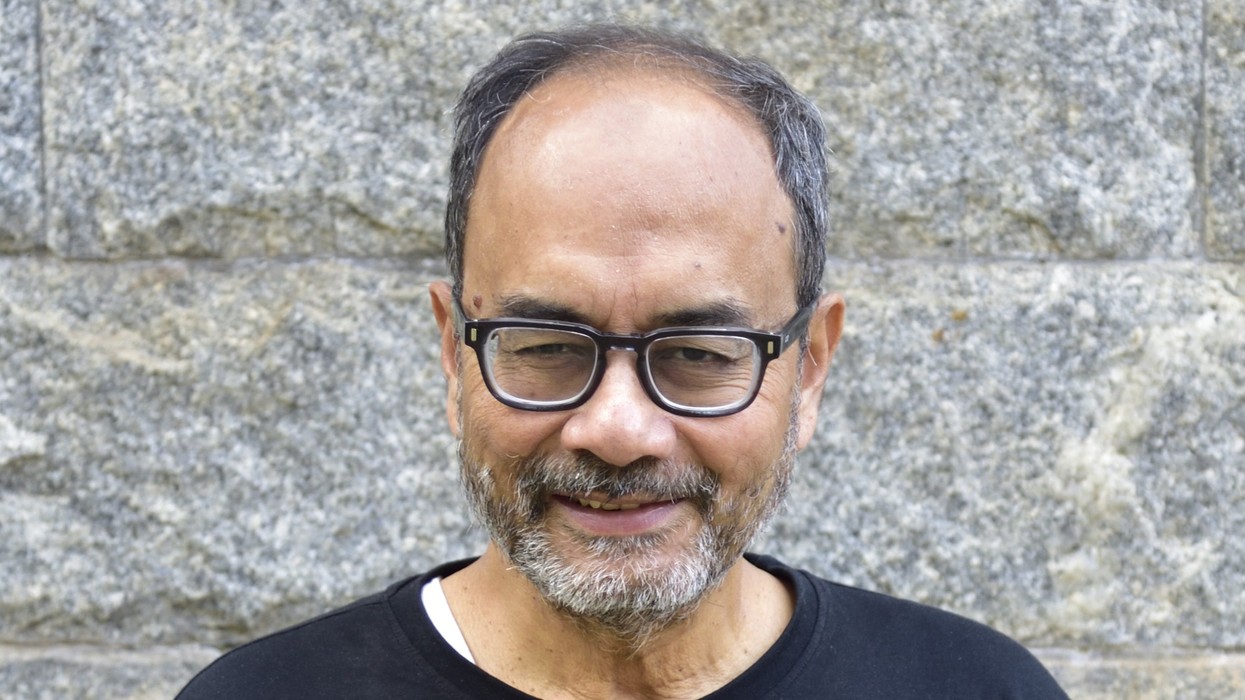
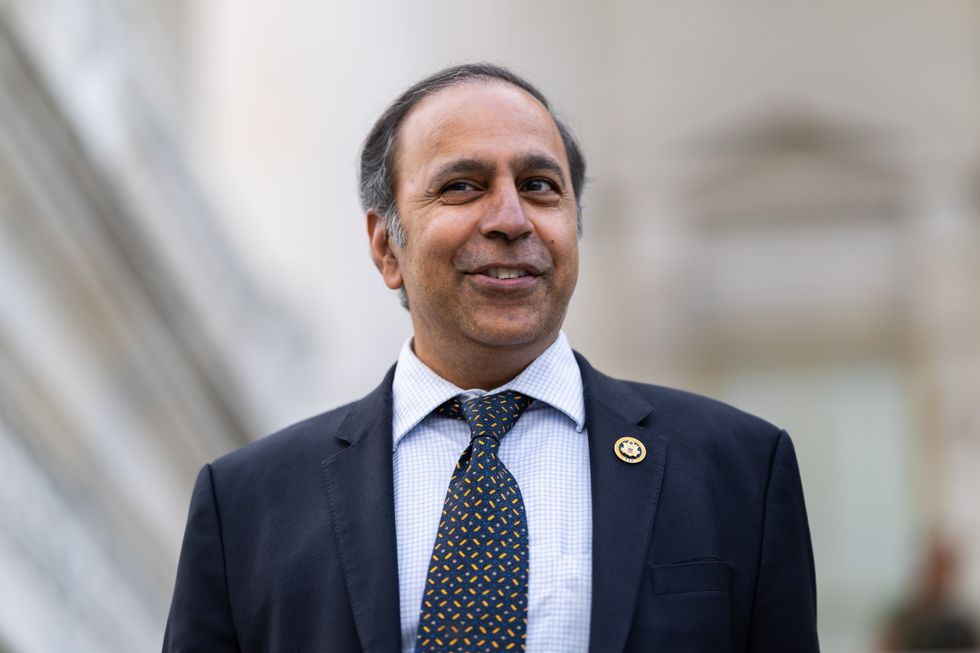 Raja KrishnamoorthiGetty Images
The letter asks whether the FBI is examining possible racial, ethnic and religious bias, whether anyone helped or encouraged the alleged plot, and whether the suspect used online platforms to communicate threats or coordinate with others. It also seeks details about the bureau’s coordination with the Justice Department’s Civil Rights Division and the relevant US attorney’s office.
The lawmakers want to know how federal authorities share threat information with local police and potentially affected religious institutions. They have also asked whether the FBI has sufficient resources to investigate threats involving anti-Indian, anti-Hindu and broader anti-South Asian bias.
The letter follows an earlier appeal from the House India Caucus. On October 16, co-chairs Rich McCormick and Ro Khanna wrote to Attorney General Todd Blanche and FBI director Kash Patel, urging the Justice Department and FBI to investigate the alleged plot as a potential federal hate crime and determine whether anyone had encouraged, assisted or coordinated with the suspect.
The Justice Department’s Civil Rights Division had said it would review the incident. Assistant attorney general Harmeet Dhillon said on October 15 that the division would review the case.
Alexandros Paporakis, 19, of Palatine, Illinois, was arrested on October 11. He has been charged with making a terrorist threat and unlawful possession of a weapon, according to police.
 Sarah Shah Indian American Impact
Investigators said Paporakis’s weapon jammed when he attempted to open fire outside the Sri Venkateswara Swami Temple, also known as the Balaji Hindu Temple, in Aurora. Police said a coworker alerted them after receiving concerning communications from Paporakis.
Investigators recovered a rifle, loaded magazines, hundreds of rounds of ammunition, body armor and other equipment from his home. Police also examined a document attributed to him that expressed white supremacist and extremist views, including references to violence against people of south Asian heritage, particularly those of Indian descent.
Paporakis has not been convicted of the offenses. The lawmakers are asking the FBI to establish whether the evidence supports a federal hate-crime investigation and whether anyone else was involved.
Shah said the alleged plot should be considered alongside wider concerns about hostility targeting south Asian Americans.
“Aurora was an attempt to hurt people at worship on the first day of Navratri, and the alleged suspect’s writings, police say, referenced violence against people of Indian descent. But this isn’t an isolated moment, and it isn’t just online. In September, DHS posted a graphic telling ‘Mr. Singh’ to get off our roads and self-deport.
“Days later, a Texas statewide nominee called South Asian students at a UT football game ‘a problem.’ A little over a week before Aurora, bricks were thrown through the windows of a Hindu temple in Richmond Heights, Ohio, while people were praying inside. Online, hateful posts targeting South Asians on X rose 240 percent between January 2024 and June 2026, according to the Center for the Study of Organized Hate.
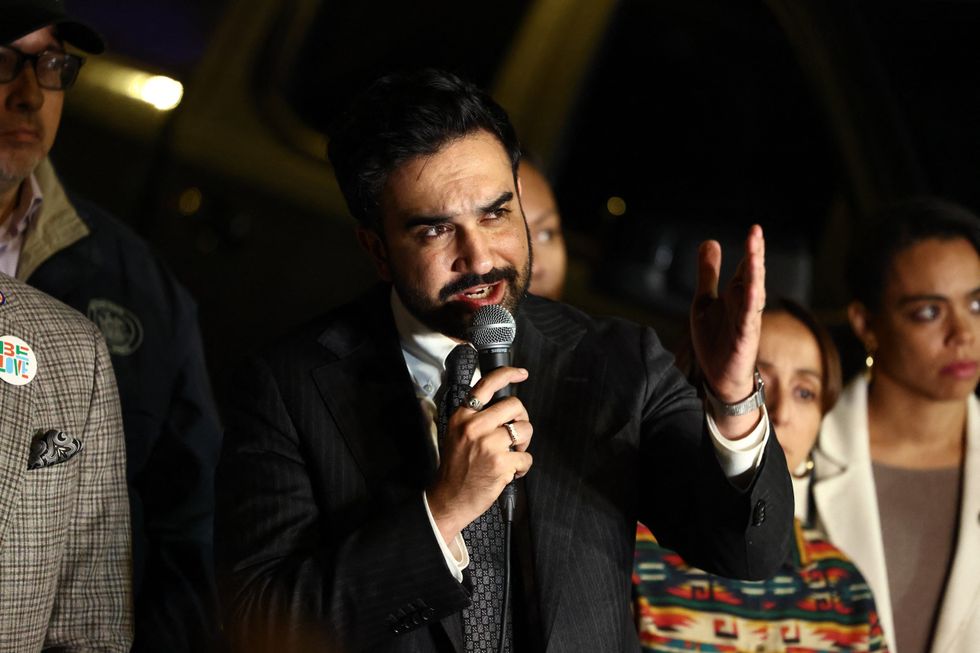 New York mayor Zohran Mamdani Getty Images
“Our poll found that 90 percent of South Asian American registered voters have faced discrimination or know someone who has, and 61 percent say they have to work twice as hard for the same recognition. People want to feel safe at a football game and at their place of worship. When this kind of hate comes from federal agencies and candidates for office, and not only anonymous accounts, it spreads into neighborhoods and communities.”
A separate 2026 Carnegie Endowment survey found that 48 per cent of Indian American respondents had encountered racist posts targeting their community very or somewhat often since the start of 2025, while one in four reported being called a slur.
Shah said Indian American Impact had also heard concerns about safety during its listening sessions.
“Yes. Safety comes up constantly in the listening sessions we’ve held on rising hate. In our poll, 89 percent of South Asian American voters say what happens to South Asians in this country affects their personal lives. Families are heading into Diwali thinking about security, and that shouldn’t be the case in America.”
Shah called on social media platforms to enforce their rules against threats and harassment and urged federal investigators to examine whether online networks encouraged or helped the suspect.
“Hate cannot go unchecked on social media. Platforms must be held accountable for enforcing their own rules against threats and harassment, and for acting fast when threats turn into plans for violence. The FBI and DOJ should assess whether the suspect was part of online networks that encourage violence against South Asians, report publicly on what they find, share threat information quickly with local police and houses of worship, and put more resources into domestic violent extremism. And the administration has to stop feeding the problem. Posts from DHS and the Department of Education, which the lawmakers’ letter itself says risk reinforcing racial and religious stereotypes, are fueling this hate.”
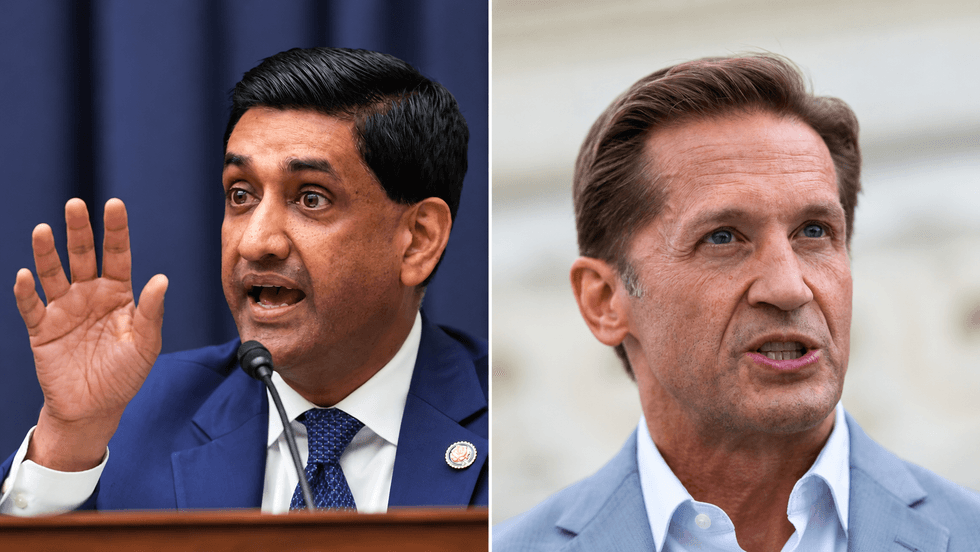 Rich McCormick and Ro KhannaGetty Images
The lawmakers have asked the FBI to explain how it identifies credible online threats while respecting First Amendment protections. They also want information on the resources available to protect Hindu temples, Sikh gurdwaras and other houses of worship.
Shah said the response should include written answers to the lawmakers, a public update on the status of the investigation and more support for religious institutions.
“We want written answers from the FBI to the lawmakers’ questions, a public update on whether this is being investigated as a federal hate crime, and a briefing for Hindu, Sikh, and South Asian community leaders.
“We want more funding for security at places of worship and disaggregated data so the scale of this hate is visible. The administration needs to tone down the rhetoric, and it needs to look at its policies. Anti-immigrant policies, from the $100,000 H-1B fee to a sharp rise in deportations of South Asians, and a posture that casts India as a problem instead of a partner, are fueling hate here at home.
“And elected officials of all backgrounds need to unequivocally condemn hate whenever it appears. Communities that have been told they don’t belong need to hear their leaders say they do.”
The lawmakers’ letter seeks answers about the investigation, possible assistance to the suspect and the protection of places of worship.
The immediate questions are whether the case is being examined as a potential federal hate crime, whether anyone else helped the suspect and what steps authorities will take to address credible threats against south Asian communities.