
Highlights:
PRESIDENT Donald Trump has cited India’s voter identification system while making a case for stricter electoral laws in the US, recalling chief election commissioner Gyanesh Kumar’s question about how elections can be held without valid photo identification.
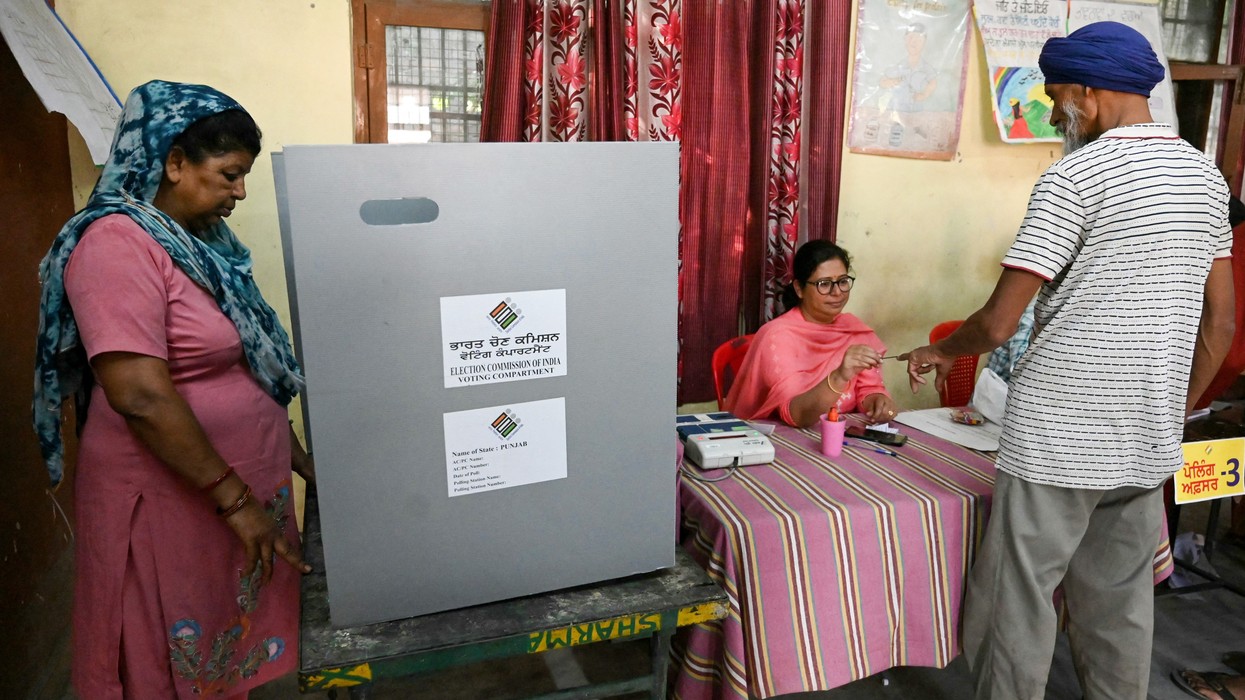
In a post on Truth Social on Monday (17), Trump said more than 646 million people participated in India’s recent general election, while less than one per cent voted by post.
“Earlier this month, India’s Chief Election Commissioner, Gyanesh Kumar, asked our Administration – How can you have Elections in the US without a valid Photo ID?” Trump wrote.
“India’s last Election had 646,000,000 Voters! Less than one per cent voted by mail, and every single Voter had to have a VALID Photo Identity Document.”
“We need to pass THE SAVE AMERICA ACT, now,” he added.
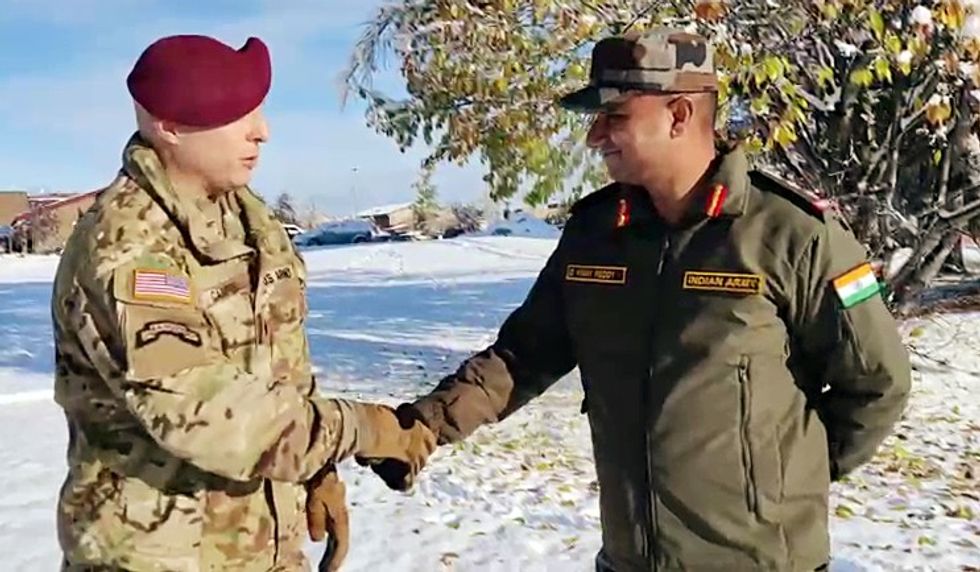
Trump was referring to a meeting Kumar had with US ambassador to India Sergio Gor on August 12. The two countries agreed to deepen collaboration on election management and the training of election staff.
Also read: A stronger vote for America? Trump points to India’s election system for inspiration
Gor backed Trump’s comments, saying Congress should pass the legislation. India’s Ministry of External Affairs said on Tuesday (18) that the country’s election machinery is recognised globally.
“I have no specific comments on these remarks. I can say, however, that the credibility and robustness of India’s election machinery is a well-established fact globally,” spokesperson Randhir Jaiswal said.
The Election Commission of India issues an Electoral Photo Identity Card (EPIC), or voter ID card, to voters to prevent proxy or fraudulent voting. Postal ballots are allowed for some voters, including disabled and elderly people and government staff engaged in election duty.
Trump has been pressing for the Safeguard American Voter Eligibility (SAVE) America Act, saying it would curb electoral fraud. The legislation would require proof of citizenship to register to vote, introduce a nationwide voter identification requirement and severely limit voting by mail.
Trump has repeatedly raised concerns about mail-in voting and has falsely claimed that widespread voter fraud caused his defeat in the 2020 election. The legislation has faced opposition, with Democrats and Republicans divided over the measure. The Senate adjourned for a five-week recess earlier this month without taking concrete steps towards passing it.
Voting by mail varies across the US. Some states send ballots to all registered voters before Election Day, while most also allow absentee ballots.