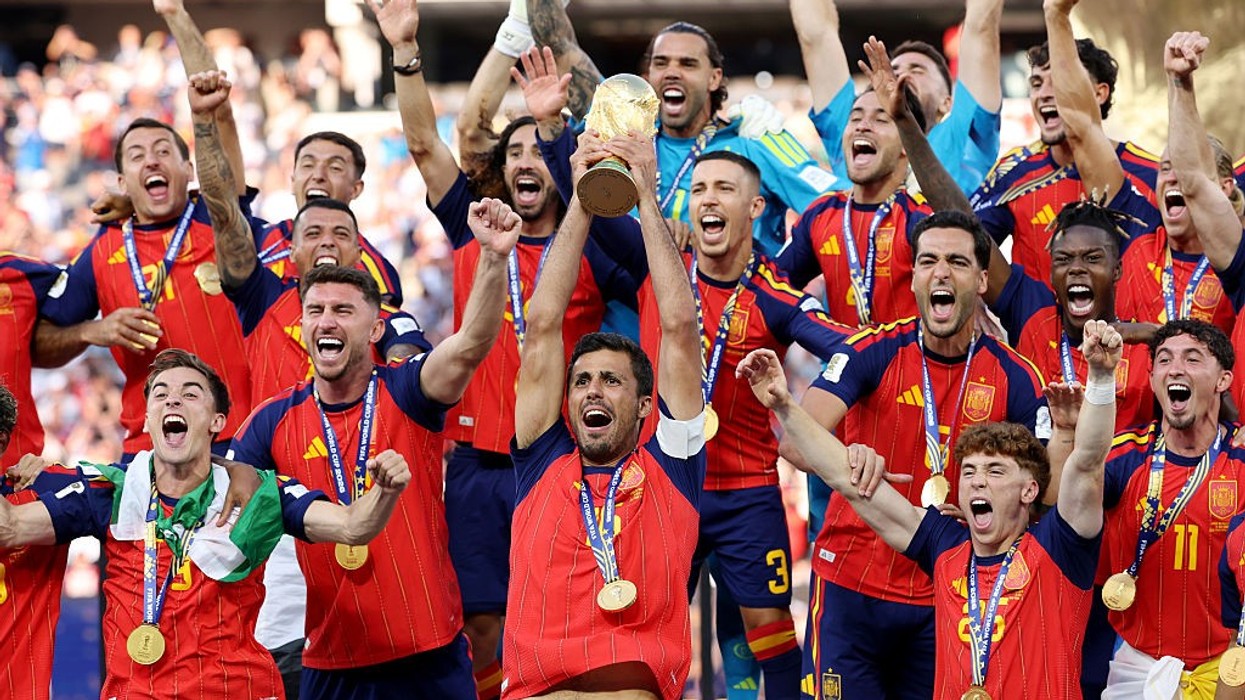

THE most awaited finals of FIFA World Cup have come to end, with Spain back on top of world soccer after defeating defending champion Argentina 1-0 in extra time to win the FIFA World Cup 2026 final at New York New Jersey Stadium. Ferran Torres scored the decisive goal in the 106th minute, securing Spain's second men's World Cup title and marking the beginning of what many believe is a new era for La Roja.
While Spain celebrated a historic victory led by tournament standout Rodri and teenage sensation Lamine Yamal, the aftermath of the final sparked widespread debate over Argentina's behavior during the trophy ceremony and renewed scrutiny of FIFA's handling of the tournament.
Spain ends Argentina's title defense with historic victory
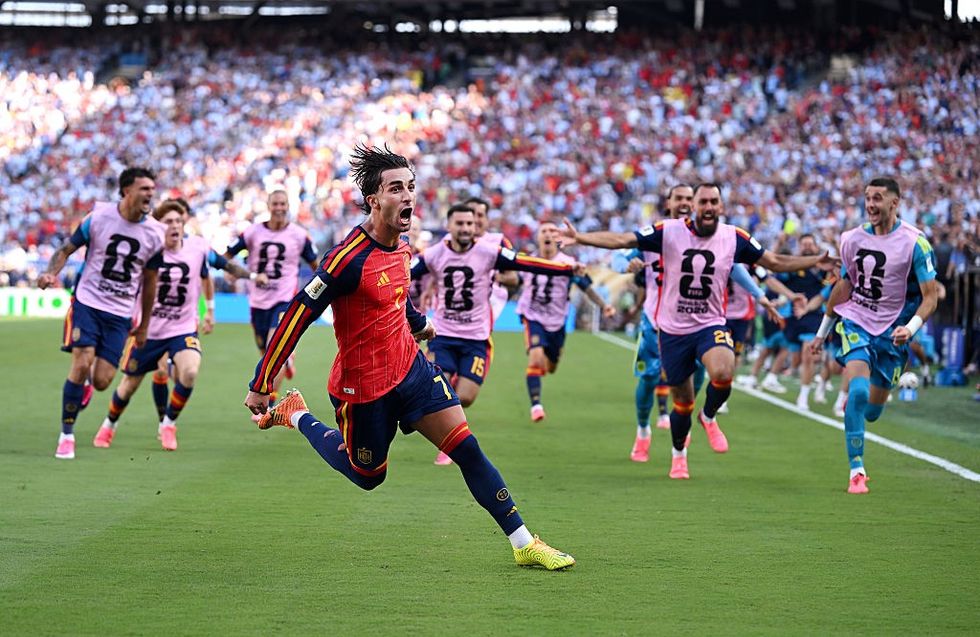 Spain and Argentina at New York New Jersey Stadium on July 19, 2026 in East Rutherford, New Jersey. Getty Images
The World Cup final remained scoreless through regulation before Spain finally broke through in extra time. Ferran Torres converted a knockdown from Nico Williams in the 106th minute, giving Spain the only goal of the match and ending Argentina's hopes of becoming the first nation in more than six decades to successfully defend a men's World Cup title.
Spain controlled much of the contest but repeatedly found itself denied by Argentina goalkeeper Emiliano Martinez, who produced several key saves to keep his team alive. Argentina's task became even more difficult late in the match after Enzo Fernandez received a second yellow card for a late challenge on Pau Cubarsi, reducing the defending champions to 10 men.
Rodri capped off a remarkable tournament by lifting the World Cup trophy and winning the Golden Ball as the competition's best player. Spain also became the first country to simultaneously hold both the men's and women's FIFA World Cup titles, underscoring its dominance on the global stage.
Argentina faces criticism over trophy ceremony conduct
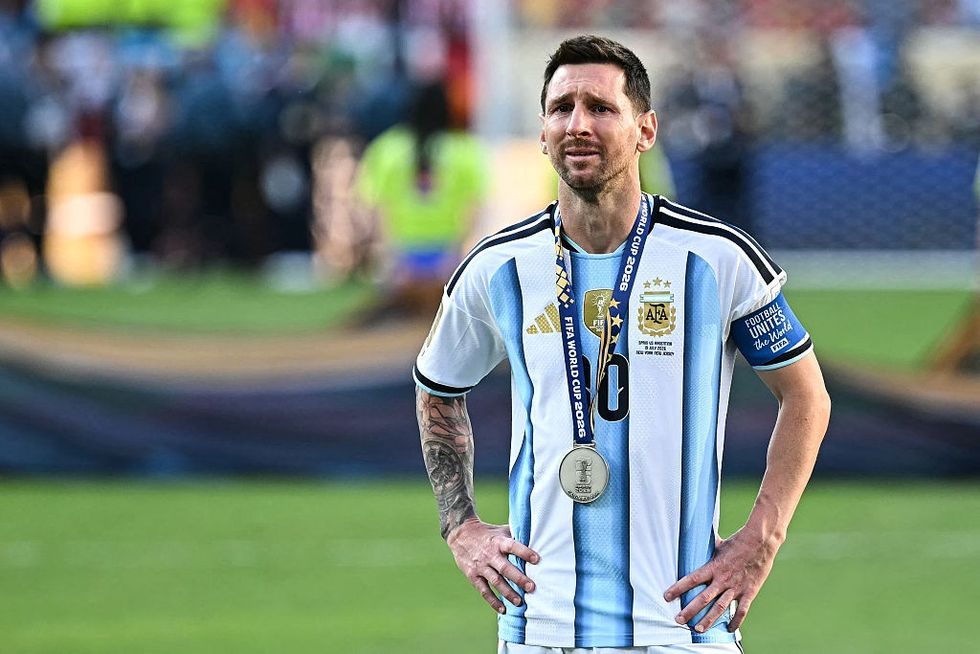 Argentina's forward #10 Lionel Messi cries during the trophy ceremony at the end of the 2026 World Cup football tournament final match between Spain and Argentina at the New York/New Jersey Stadium in East Rutherford on July 19, 2026.Getty Images
Despite an impressive run to a second straight World Cup final, Argentina's actions after the final whistle drew significant criticism from fans, commentators, and sections of the soccer community.
Following the medal presentation, several Argentina players, including captain Lionel Messi, walked away instead of remaining on the field to applaud Spain during the trophy lift. Observers also noted that Argentina did not form a guard of honor for the newly crowned champions, despite Spain applauding Argentina as the runners-up received their medals.
The atmosphere became even more contentious when Rodri accepted the Golden Ball award. Many Argentina supporters inside the stadium chanted Messi's name during the presentation, a moment that some critics described as disrespectful toward Spain's achievement.
Broadcaster Adrian Durham was among those who strongly condemned Argentina's conduct, calling the team's behavior "classless" and arguing that the runners-up failed to show proper sportsmanship after the defeat. Tensions had already escalated moments earlier when Leandro Paredes was sent off after the final whistle following an altercation involving Spain's Eric Garcia and Gavi.
World Cup delivers memorable soccer but renewed FIFA debate
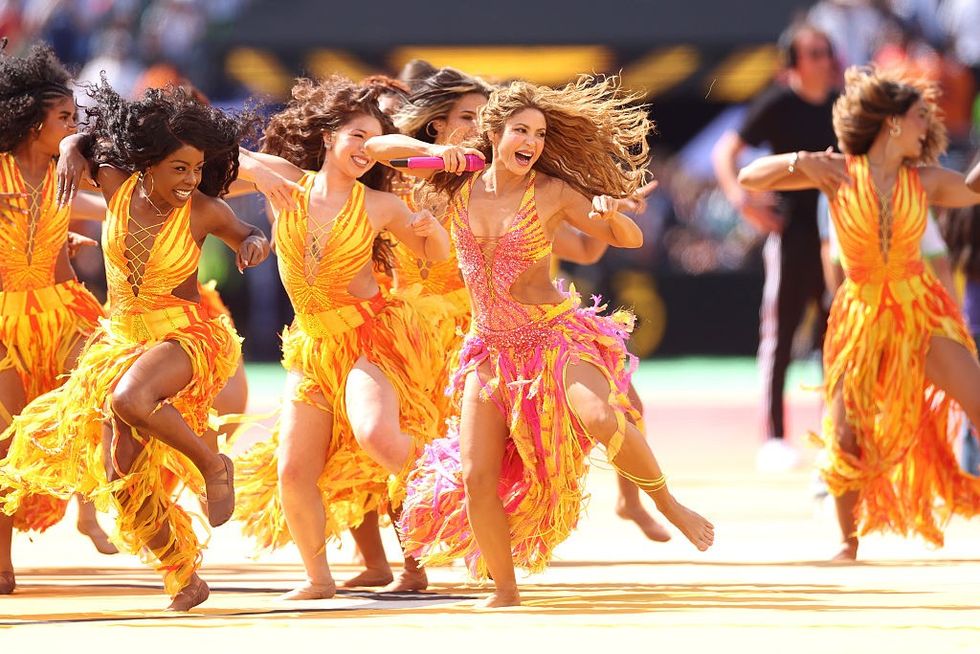 Shakira performs during the Topps Final Halftime Show the FIFA World Cup 2026 Final match between Spain and Argentina at New York New Jersey Stadium on July 19, 2026 in East Rutherford, New Jersey. Getty Images
Beyond the final itself, the 2026 FIFA World Cup was widely praised for its quality on the field while also drawing criticism for several off-field issues.
The tournament showcased many of the sport's biggest stars, with Kylian Mbappe winning the Golden Boot and Spain completing an unbeaten run that established itself as one of international soccer's dominant teams. The expanded tournament format also produced memorable performances from emerging nations and captivated fans across North America.
At the same time, FIFA faced renewed criticism over high ticket prices, dynamic pricing practices, expanded commercial breaks during hydration pauses, halftime entertainment, and questions surrounding transparency in officiating decisions. Political controversies involving player eligibility and tournament administration further fueled debate over the governing body's influence on the competition.
Despite those concerns, the commercial success and global popularity of the tournament reinforced soccer's growing presence in the United States. With record attendance, massive television audiences, and worldwide attention, the 2026 FIFA World Cup demonstrated both the sport's extraordinary appeal and the ongoing challenges surrounding its governance.
Spain leaves the tournament as a deserving world champion, but the lasting legacy of the 2026 World Cup will likely be defined not only by its thrilling soccer, but also by the controversies that continued to shape the game's biggest stage.