

Most parts of Kashmir received fresh snowfall on Friday (20) leading to the closure of the Srinagar-Jammu national highway and impacting flight operations to and from the Valley, officials in Srinagar said.
Snowfall was recorded in tourist towns of Pahalgam and Gulmarg, as well as in Anantnag, Kulgam, Shopian, Pulwama, Budgam, and the upper areas of Kupwara, Ganderbal and Srinagar.
Traffic movement on both sides of the Srinagar-Jammu national highway -- the all-weather road connecting Kashmir with the rest of the country -- was stopped due to snowfall and shooting stones between Ramban and Banihal, officials said.
Moreover, flight operations at the Srinagar airport were affected due to snowfall and low visibility, the officials said. Minimum temperatures rose in Kashmir but still settled below the freezing point across the Valley.
Srinagar recorded a minimum temperature of minus 0.1 degrees Celsius on Thursday (19) night -- up from minus 1.4 degrees Celsius the night before. Qazigund, the gateway to the Valley, registered a low of minus 0.6 degrees Celsius.
Kokernag in south Kashmir recorded a low of minus 1.4 degrees Celsius, while the minimum temperature in Kupwara settled at minus 1.5 degrees Celsius. The mercury in Pahalgam, in the Anantnag district, which serves as a base camp for the annual Amarnath Yatra, settled at minus 2.9 degrees Celsius.
The minimum temperature at Gulmarg in Baramulla district was minus 7.6 degrees Celsius. The meteorological office had forecast wet weather in Jammu and Kashmir from January 19 to 25 due to western disturbances. It said there were chances of light to moderate rain or snow in parts of Jammu and Kashmir on Friday and Saturday (21).
It predicted a much higher intensity of precipitation from January 23 to 25, with a possibility of moderate snow in the plains of Kashmir, moderate to heavy snow over middle and higher reaches and rains in Jammu. Kashmir is currently under the grip of 'Chillai Kalan', the 40-day harshest weather period when chances of snowfall are maximum and most frequent.
Chillai Kalan begins on December 21 and ends on January 30. The cold wave continues even after that with a 20-day-long 'Chillai Khurd' and a 10-day-long 'Chillai Bachha' following it.
(PTI)




 A 1996 photo of rapper Tupac Shakur (L) and Marion "Suge" Knight is shown on screens during closing arguments in the Duane Davis murder trial, related to the 1996 killing of rapper Tupac Shakur, at Clark County District Court at the Regional Justice Center in Las Vegas, Nevada, on August 31, 2026. Getty Images




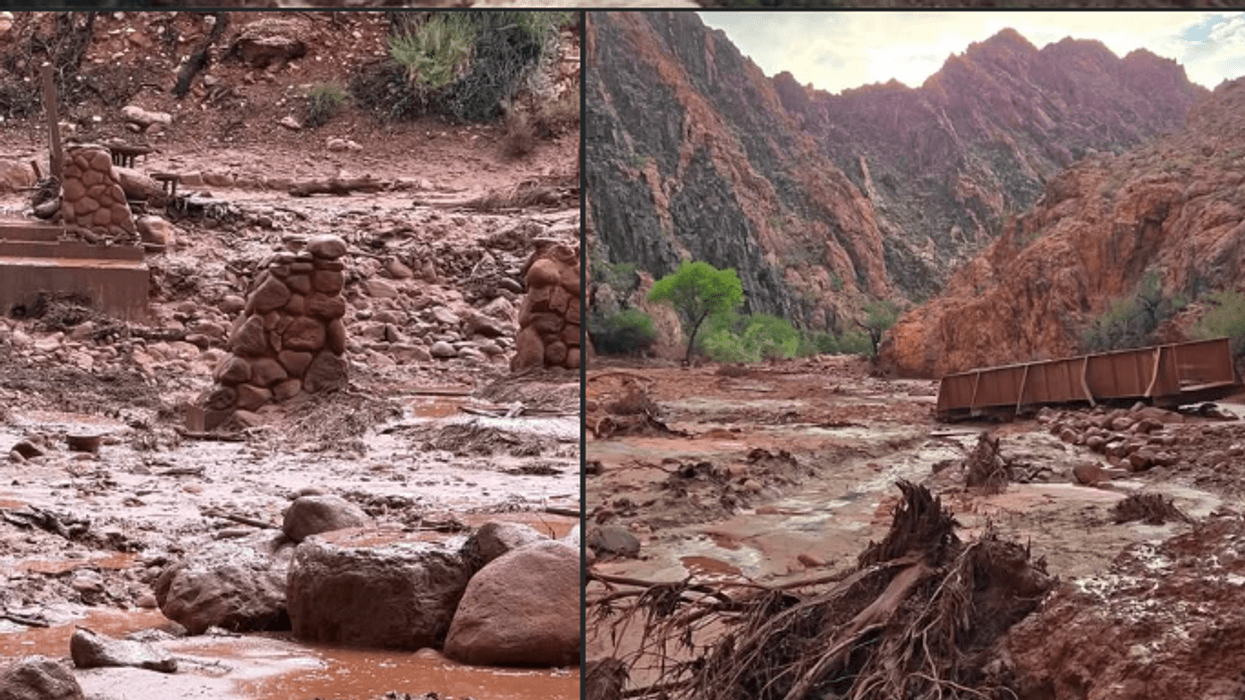


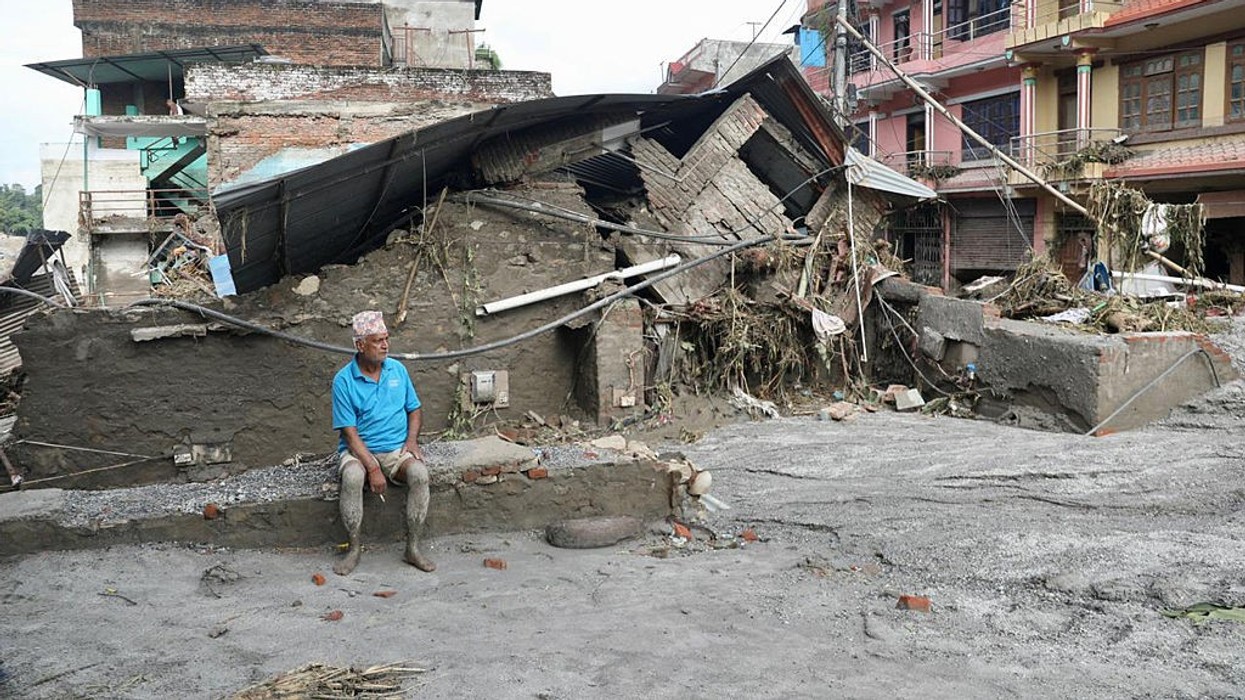
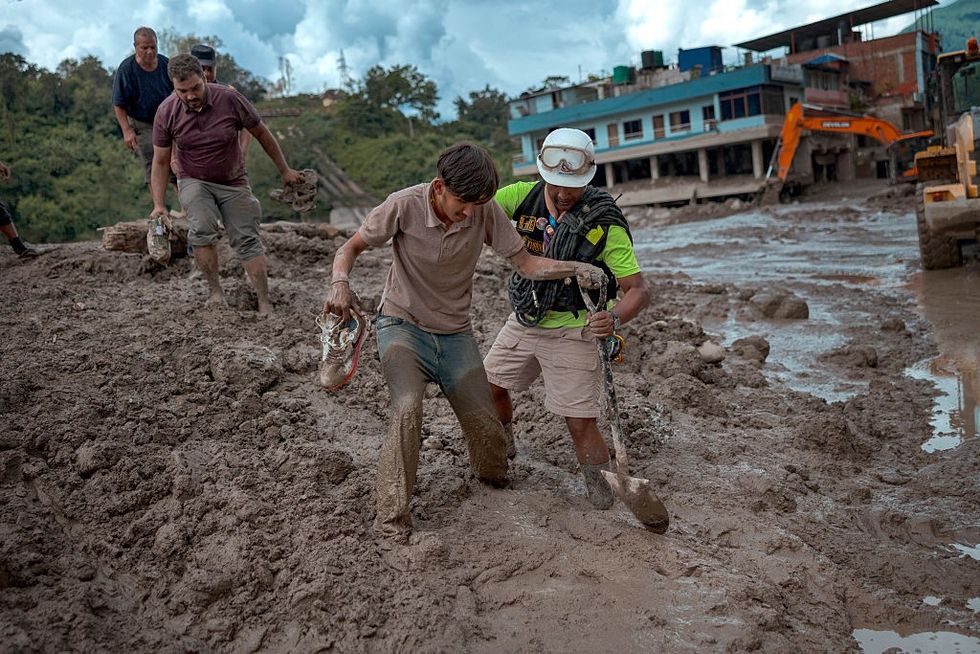 A rescuer assists a resident through heavy mud following flash floods on August 27, 2026 in Trishuli, Nepal. A sudden flood swept through the Bhote Koshi River basin in northern Rasuwa on August 26, damaging settlements, roads and energy infrastructure as rescue teams searched for residents and foreign travellers reported out of contact. Hundreds were reported missing, as the death toll started to climb.Getty Images
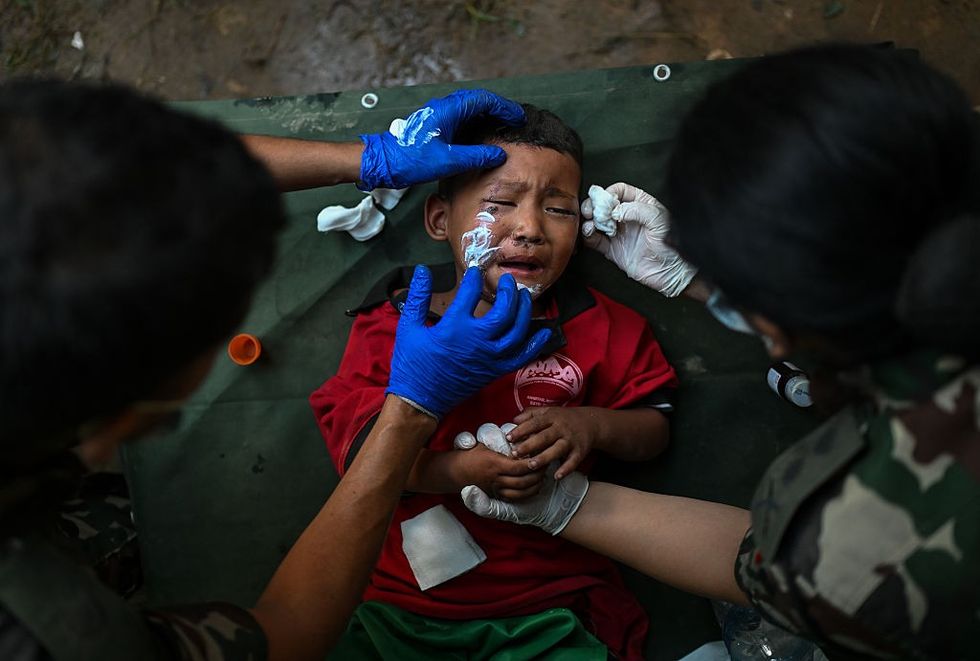 Rescue personnel provide medical treatment to a child at an army rescue camp in Trishuli Batar, Nepal, on August 27, 2026. A sudden flood swept through the Bhote Koshi River basin in northern Rasuwa on August 26, damaging settlements, roads and energy infrastructure, as rescue teams searched for residents and foreign travellers reported out of contact. Hundreds were reported missing as the death toll began to climb. Getty Ima
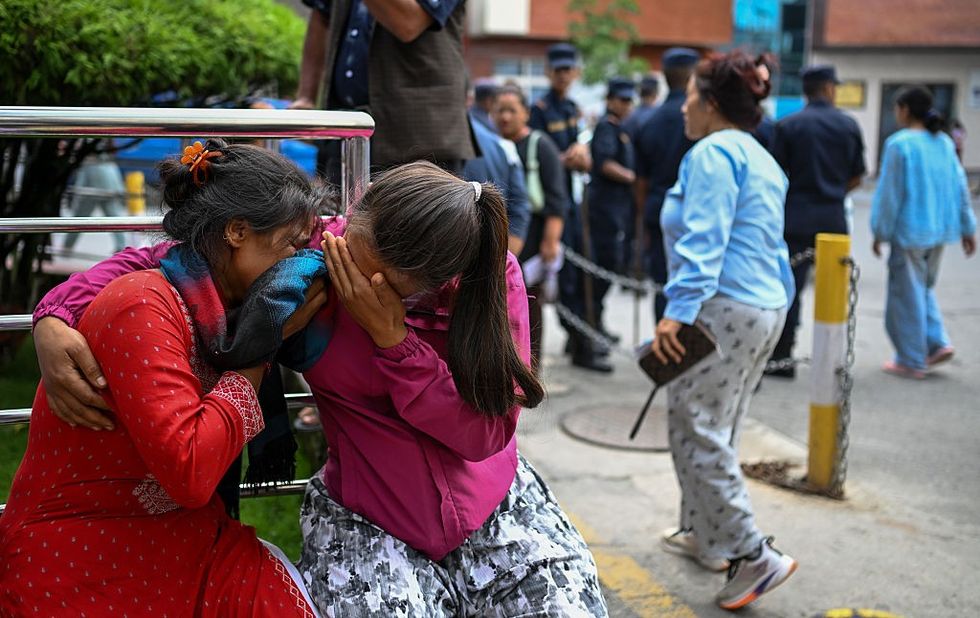 Family members of missing flood victims react at the emergency ward of the Maharajgunj Medical Campus, part of the Tribhuvan University Teaching Hospital, on August 28, 2026 in Kathmandu, Nepal. Authorities said the flash floods were triggered after a mass of ice, mud and rock collapsed into a Himalayan river near the Nepal-China border, leaving hundreds dead or missing and causing widespread damage in affected districts. Authorities continued the gruelling search for victims, many buried under metres of mud, as both China and Nepal issued fresh flooding alerts.Getty Images