
Highlights:
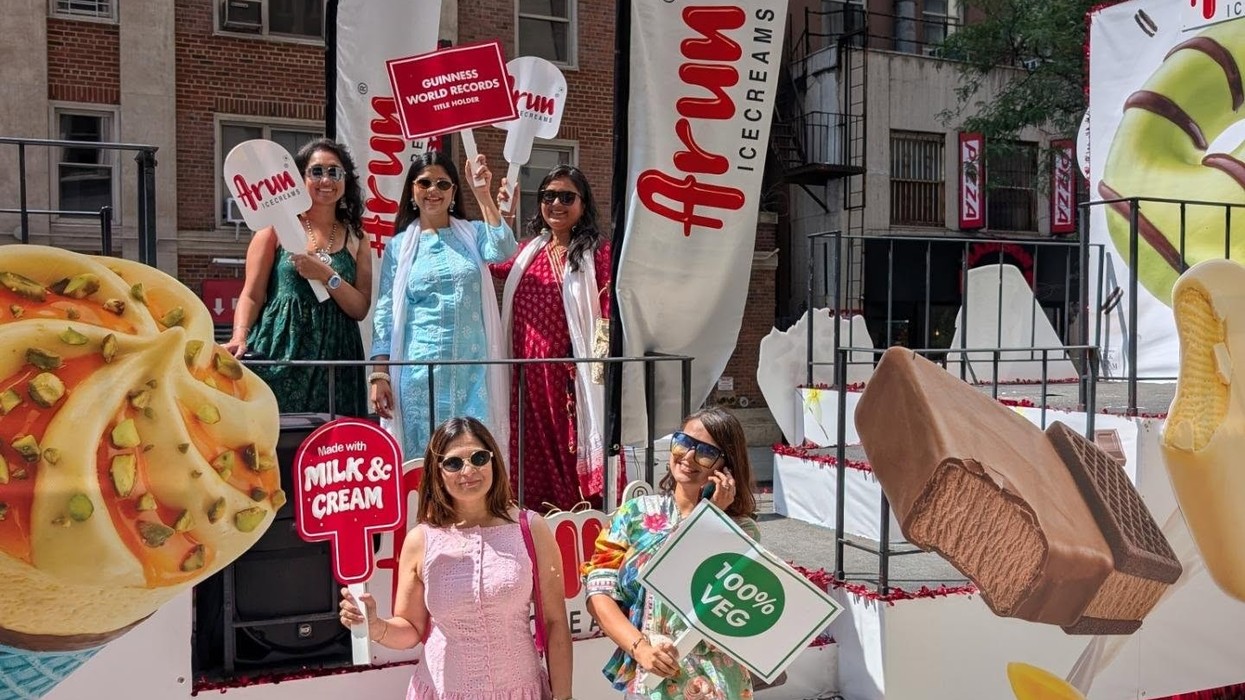
- Arun served more than 15,000 ice creams at New York's India Day Parade.
- The brand began in Chennai in 1970 with a small ice-candy operation.
- Its US expansion follows decades of growth across South India.
- New York attendees sampled Malai Kulfi, Kacha Mango and other flavors.
- The move connects Indian nostalgia with a new American audience.
For many Indian Americans, food has a way of shrinking distance. A familiar spice, a childhood snack or a dessert remembered from summer vacations can suddenly make a faraway place feel close again.
That was part of the appeal when Arun Icecreams arrived on Madison Avenue for New York's India Day Parade on August 16. More than 15,000 servings were handed out as the South Indian ice cream brand introduced itself to paradegoers, many of whom already knew its flavors from India.
For others, it was a first taste.
The timing is significant. Arun entered the U.S. market in mid-2026 after spending more than five decades building its presence in India. Its New York appearance is therefore not simply about handing out free ice cream. It marks another chapter in a journey that began with a small operation in Chennai and grew into a major South Indian ice cream name.
From a small Chennai operation to a South Indian favorite
Arun's story began in 1970, when R.G. Chandramogan, then just 21, started making and selling ice cream in Chennai, which was still known as Madras. The early operation was modest, with Hatsun's records noting an initial production capacity of about 10,000 ice-cream candies a day.
Chandramogan had come from Tiruthangal in Tamil Nadu's Virudhunagar district. Rather than beginning with a sprawling chain of stores or a national distribution network, he built the business gradually.
Arun opened its first sit-down ice cream parlor in Chennai in 1979. Two years later, it expanded outside the city with a location near the Vaigai River bridge in Madurai. That move helped establish a pattern that would become central to Arun's growth: taking ice cream beyond major urban centers and into smaller communities.
By 1991, the company had opened another manufacturing facility in Salem. From Tamil Nadu, its footprint eventually extended into neighboring South Indian markets, including Kerala and Karnataka.
That history matters when considering Arun's arrival in New York. The brand's identity was shaped not in boardrooms planning an international rollout, but through decades of familiarity built in South Indian neighborhoods.
The flavors that carry a piece of home
The New York parade offered a particularly interesting mix of flavors. Among those served were Butterscotch Sandwich, Cream n Cookies Donuts, Vanilla Bites, Popitos Kacha Mango and Malai Kulfi.
For Indian Americans familiar with South Indian food culture, Malai Kulfi and Kacha Mango can carry a different emotional weight than conventional ice cream flavors.
Kulfi is associated with hot summer evenings, street vendors, family outings and celebrations. Its dense, creamy texture and rich dairy flavor distinguish it from the lighter ice creams many Americans may know.
Kacha Mango offers another familiar taste: the sharp, tangy flavor of unripe mango. It is a flavor profile that can immediately evoke Indian summers and childhood memories for those who grew up with it.
That makes Arun's U.S. expansion more complicated—and more interesting—than simply introducing another ice cream brand to the American market.
For first-generation Indian Americans, the flavors can represent something remembered. For younger generations born in the United States, they can offer a connection to a culture they may encounter largely through family traditions and food.
From nostalgia to a new American audience
Arun's challenge now is to turn that emotional connection into a broader American audience.
The company says it is taking a measured approach to its U.S. expansion, building its presence region by region and watching how consumers respond. Its early focus has included the Northeast, making New York a natural setting for its public introduction.
The India Day Parade offered an audience that straddles both worlds. Indian Americans who already recognized Arun could reconnect with familiar flavors, while non-Indian attendees had an opportunity to discover something new.
That distinction could become important as Arun moves further into the U.S. market. Nostalgia may bring someone to the first scoop, but taste will determine whether they come back.
For now, the New York debut offers a striking snapshot of how Indian food brands are traveling with the diaspora. What began in Chennai more than five decades ago has reached Madison Avenue, carrying flavors from South Indian childhoods into a city where food from around the world routinely finds new audiences.
And on a summer afternoon in Manhattan, 15,000 scoops made that journey a little easier to taste.
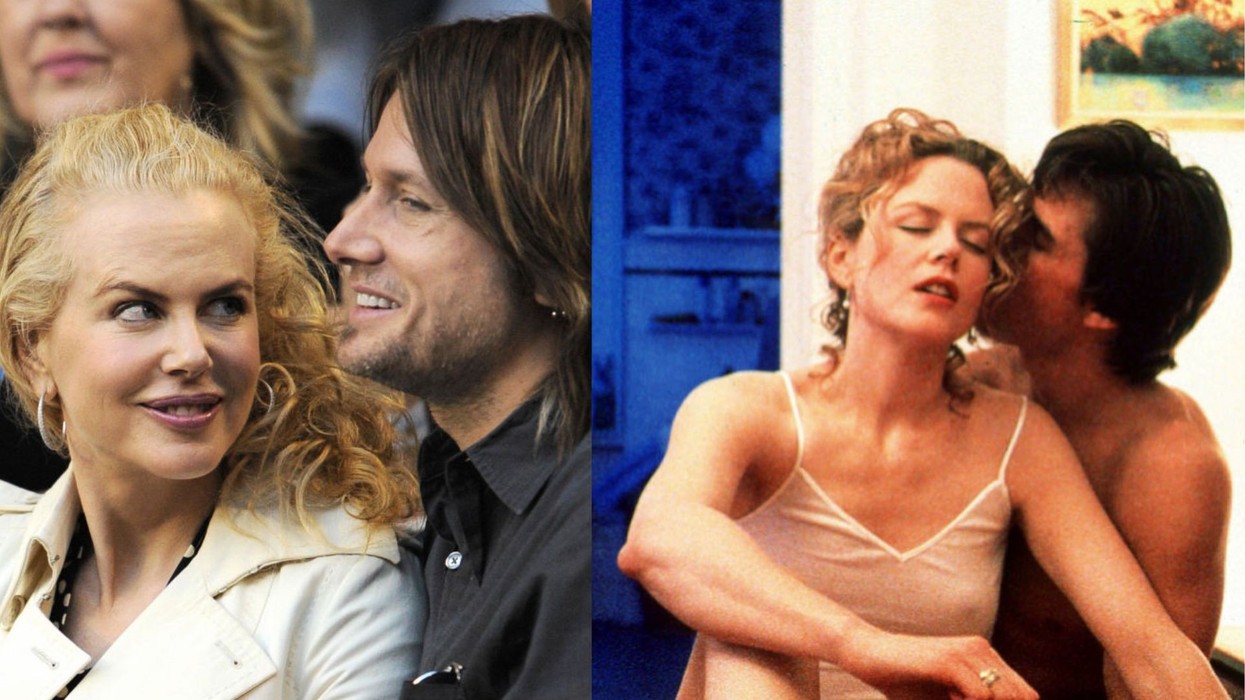
 Actor Tom Cruise kisses his wife Nicole Kidman at the Sydney premiere of "Mission Impossible 2" May 30, 2000 at Fox Studios in Australia. Cruise and Kidman, one of the Hollywood's best-known couples, announced February 5, 2001 that they are separating after more than a decade of marriage. Getty Images
 Nicole Kidman attends Paramount+'s "Lioness" Season 3 New York Premiere at SVA Theater on July 29, 2026 in New York City.Getty Images
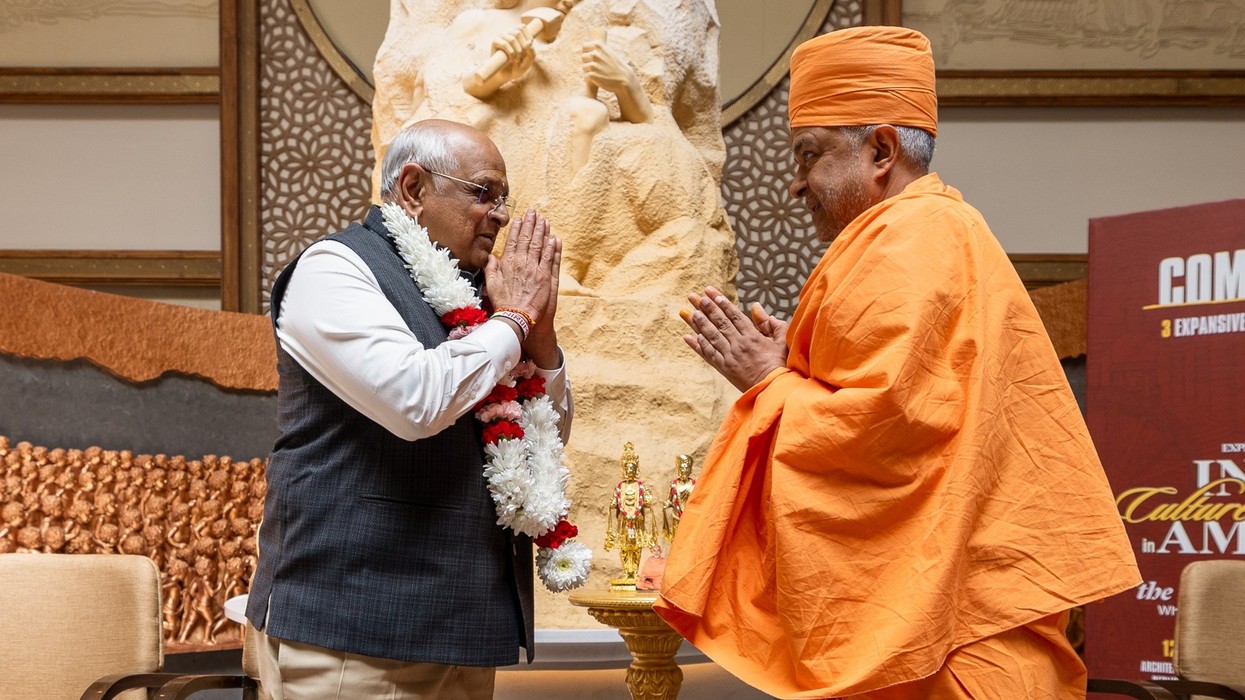
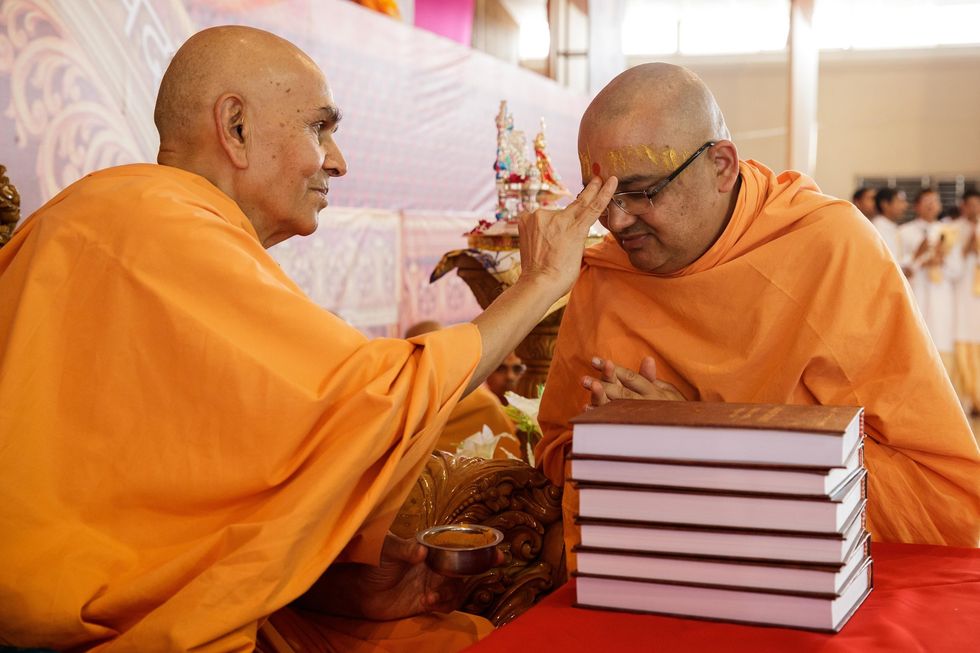 HH Pramukh Swami Maharaj blessing Dr. Bhadreshdas SwamiBAPS
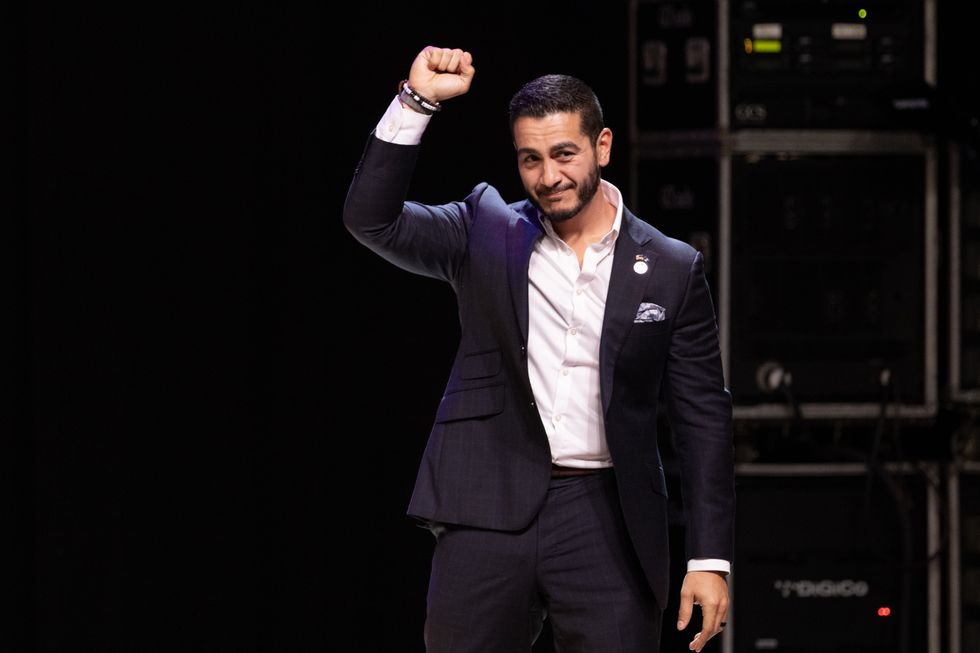 Abdul El -SayedGetty Images
 Suhas Subramanyamx
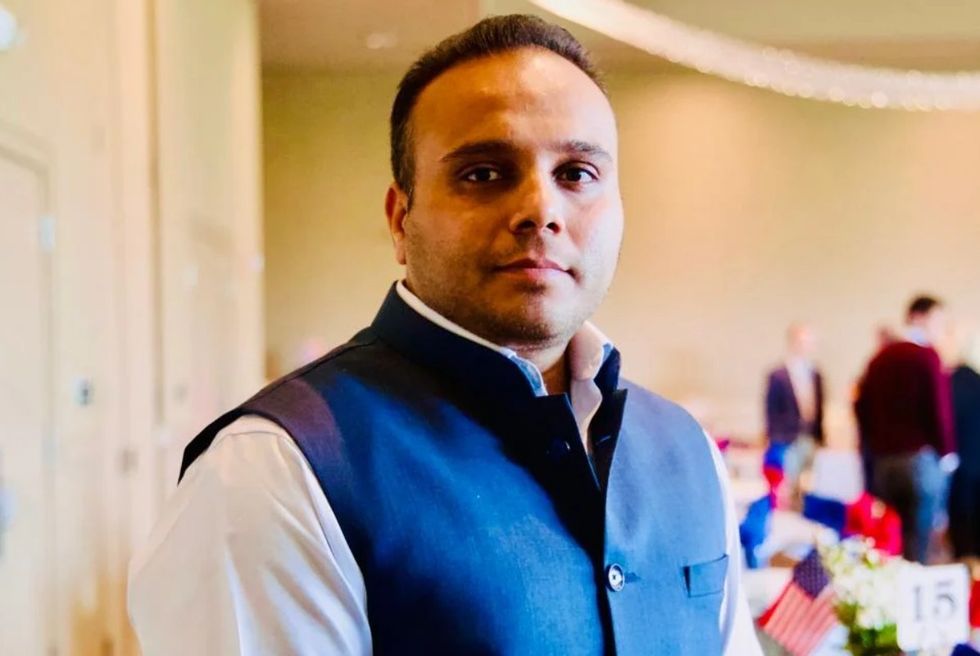 Nirav Shethx
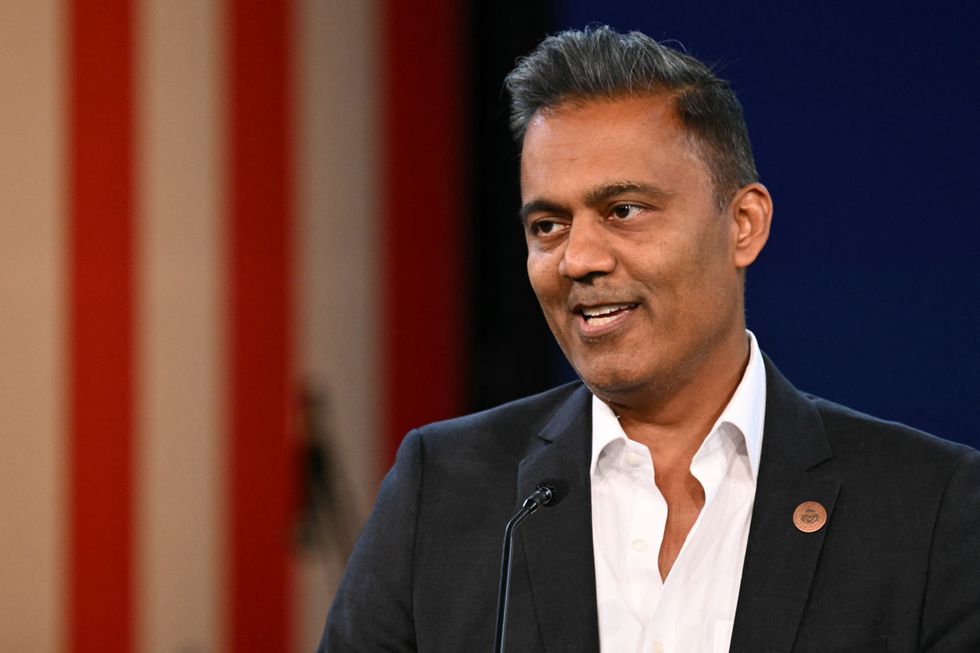 Amish Shahx
 Pia Dandiyax