
Highlights:
CONTROL of the US House will be decided this November, with candidates of Indian origin featuring in some of the country’s most closely watched congressional contests.
This week’s multi-state primaries brought victories, defeats and fresh opportunities, offering an early indication of the role they could play in the battle for Congress.
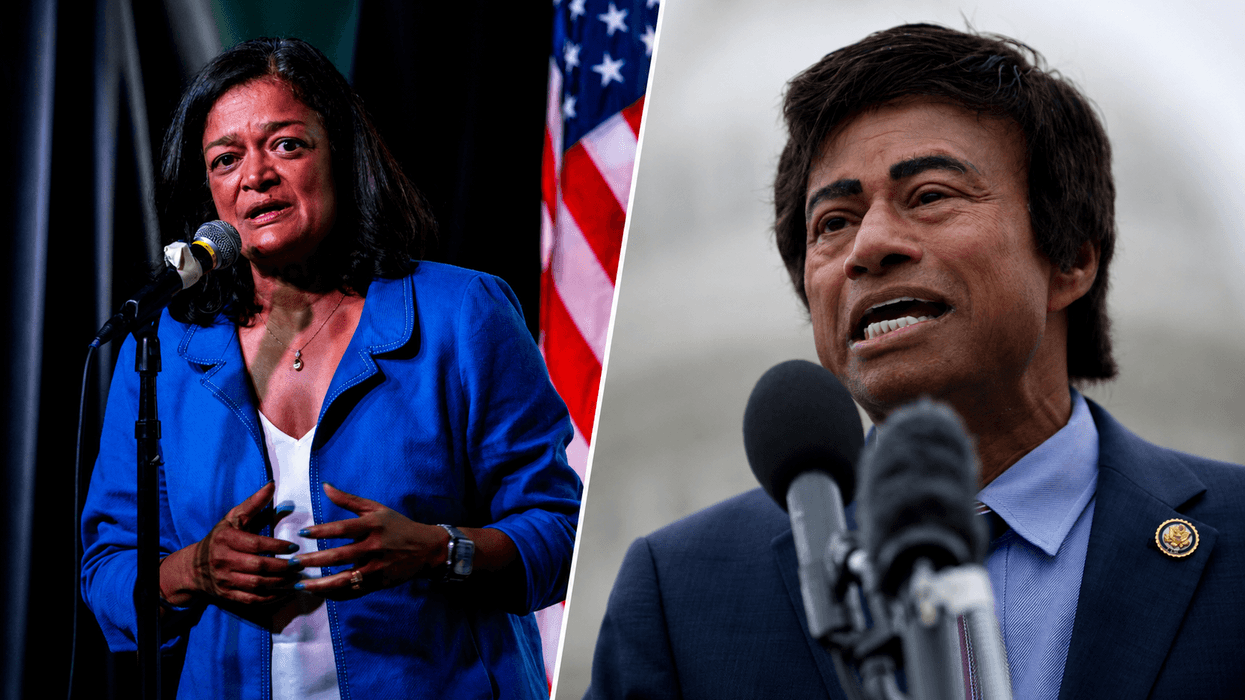
Michigan congressman Shri Thanedar lost his bid for a third term, veteran Democratic congresswoman Pramila Jayapal cruised to another commanding victory in Washington state, and Arizona physician Amish Shah moved closer to one of the country’s most competitive House contests. Elsewhere, Indian-origin candidates remain in contention in key races that could shape the next Congress.
Far from being confined to safe seats, candidates of Indian origin are increasingly contesting battleground districts, leading influential caucuses and competing in races that could help determine which party controls the House after November.
Thanedar’s defeat marks setback
The biggest setback for the Indian-American community came in Michigan, where congressman Shri Thanedar lost the Democratic primary in the state’s 13th Congressional District, ending his bid for a third term.
State representative Donavan McKinney defeated Thanedar by 51.9 per cent to 48.1 per cent after a closely watched campaign that became one of the marquee House primaries of the week.
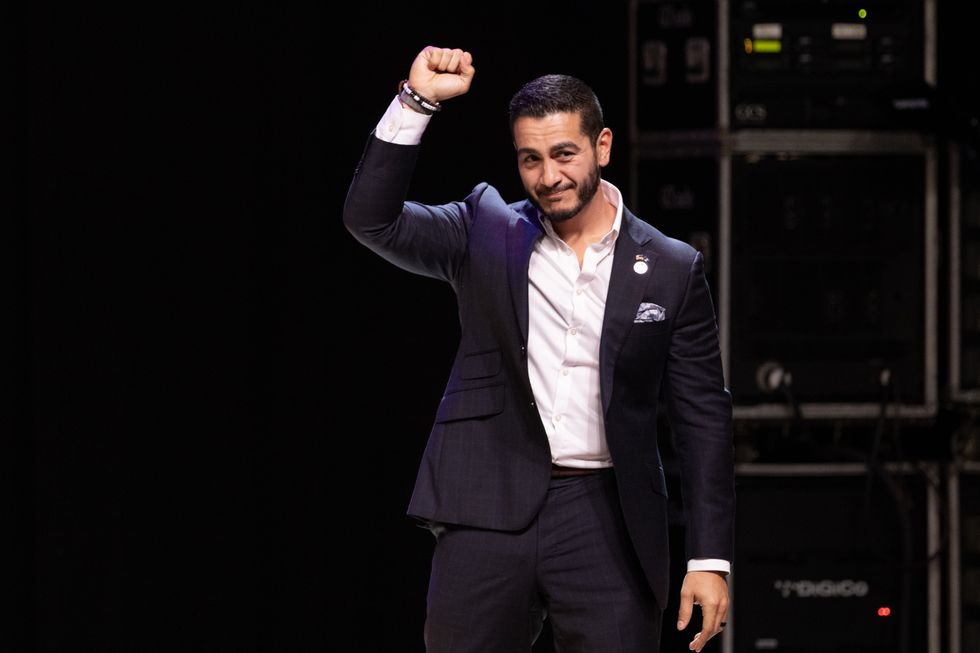 Abdul El -SayedGetty Images
Backed by the Democratic Socialists of America and Senator Bernie Sanders, McKinney defeated the incumbent despite Thanedar receiving support from House Democratic leaders and pro-Israel groups. His victory was one of several notable wins for progressive candidates during the primaries.
The result highlights the continued strength of the Democratic Party’s left wing. Thanedar’s defeat also reflected local political dynamics. Michigan’s 13th Congressional District, centered on Detroit, has historically elected Black representatives, and McKinney’s victory was widely seen as restoring that tradition.
Following the result, Thanedar thanked supporters and highlighted his record in Congress, noting that his office had resolved more than 4,300 constituent cases and helped secure about $45 million for projects across the district.
The defeat could also reduce Indian-American representation in the next Congress. Together with Illinois Congressman Raja Krishnamoorthi’s unsuccessful Senate bid earlier this year, Thanedar’s loss means the current record number of Indian-American House members may not be matched after November unless newcomers win competitive races elsewhere.
Jayapal cruises to victory
While Thanedar suffered defeat, Pramila Jayapal enjoyed one of the easiest nights of the primaries, securing another overwhelming victory in Washington state’s 7th Congressional District.
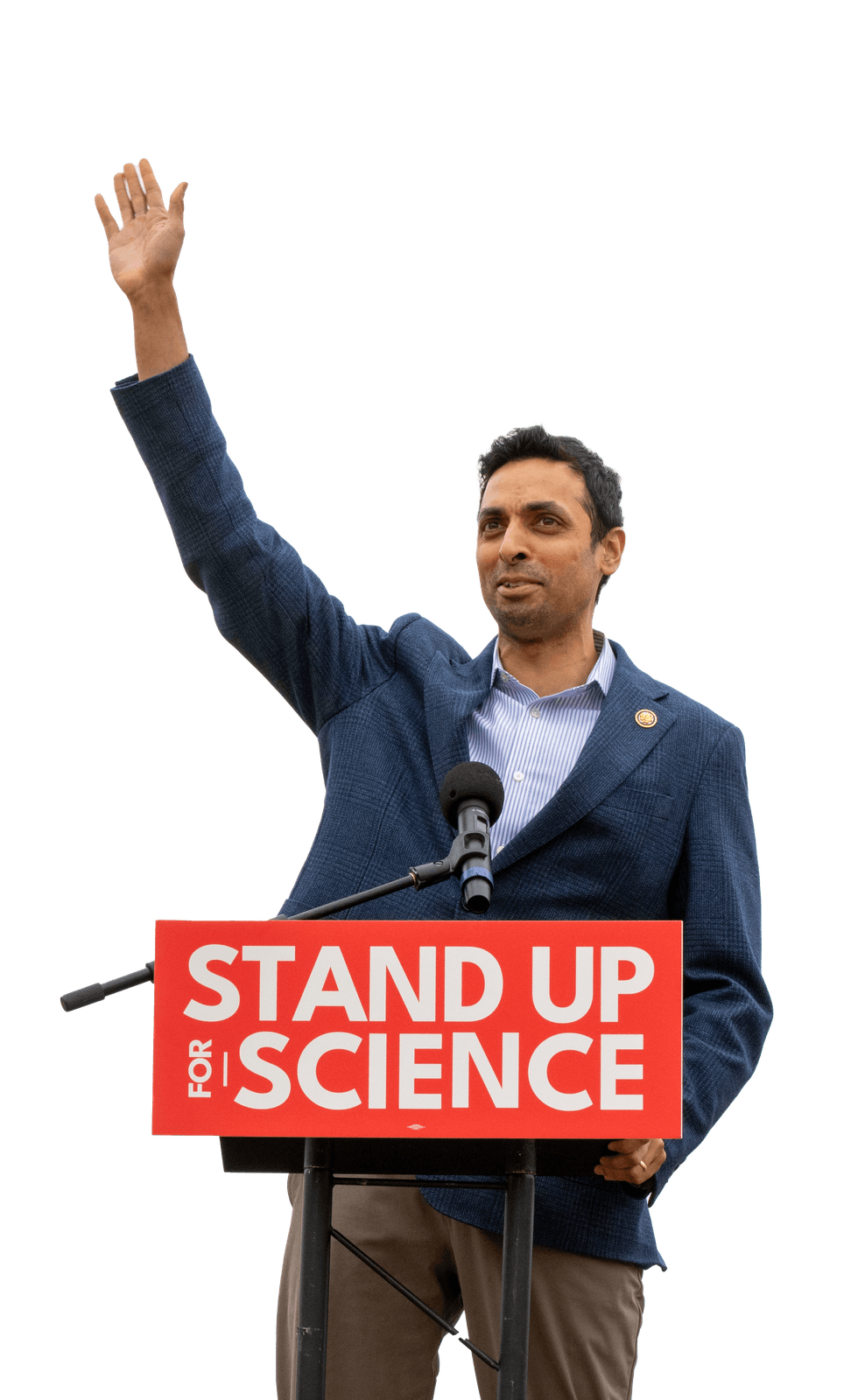 Suhas Subramanyamx
The Chennai-born Democrat won 83.3 per cent of the vote in the state’s all-party primary, comfortably ahead of Republican Nirav Sheth, an Ahmedabad-born former Marine and police officer, who secured 10.8 per cent. Under Washington’s primary system, the top two candidates advance to the general election regardless of party, setting up a November contest between two candidates of Indian origin.
Jayapal, now Chair Emerita of the Congressional Progressive Caucus, remains one of the Democratic Party’s most influential progressive voices. Her decisive victory reinforces her standing ahead of the general election in a district she has represented since 2017.
The Seattle-area district is home to one of the country’s more sizable Asian American communities, reflecting the growing political influence of Indian Americans in the Pacific Northwest.
Another race worth watching is in Arizona, where Amish Shah is preparing for one of the country’s closest House contests.
The emergency-room physician and former Arizona state representative won the Democratic nomination in Arizona’s 1st Congressional District last month, defeating Marlene Galán-Woods despite her backing from the Democratic Congressional Campaign Committee.
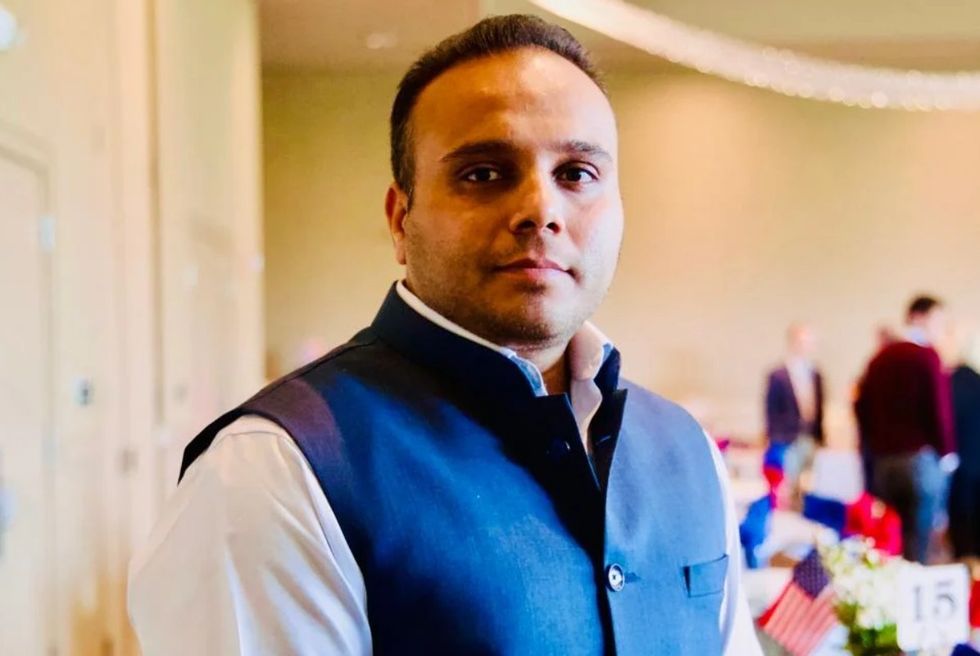 Nirav Shethx
Shah will now face Republican Jay Feely, a former NFL kicker, after longtime congressman David Schweikert chose to run for governor instead of seeking reelection.
Arizona’s 1st Congressional District, which includes Scottsdale and parts of suburban Phoenix, is considered one of the battlegrounds that could help determine control of the House. Shah’s campaign reflects a broader trend, with candidates of Indian origin increasingly contesting competitive districts rather than only safely Democratic seats.
Florida’s newest battleground
Pia Dandiya is another candidate of Indian origin hoping to reach Congress this year.
The first-generation American, whose parents immigrated from India, is seeking the Democratic nomination in Florida’s newly redrawn 22nd Congressional District. A former high school principal and White House Fellow, Dandiya has emerged as one of the leading Democratic fundraisers in the race and will face Kaysia Earley in the August 18 primary.
The newly redrawn district has no incumbent and is expected to be one of Florida’s most competitive House races. If Dandiya secures the Democratic nomination, she will face a difficult general election in a district Republicans are also targeting.
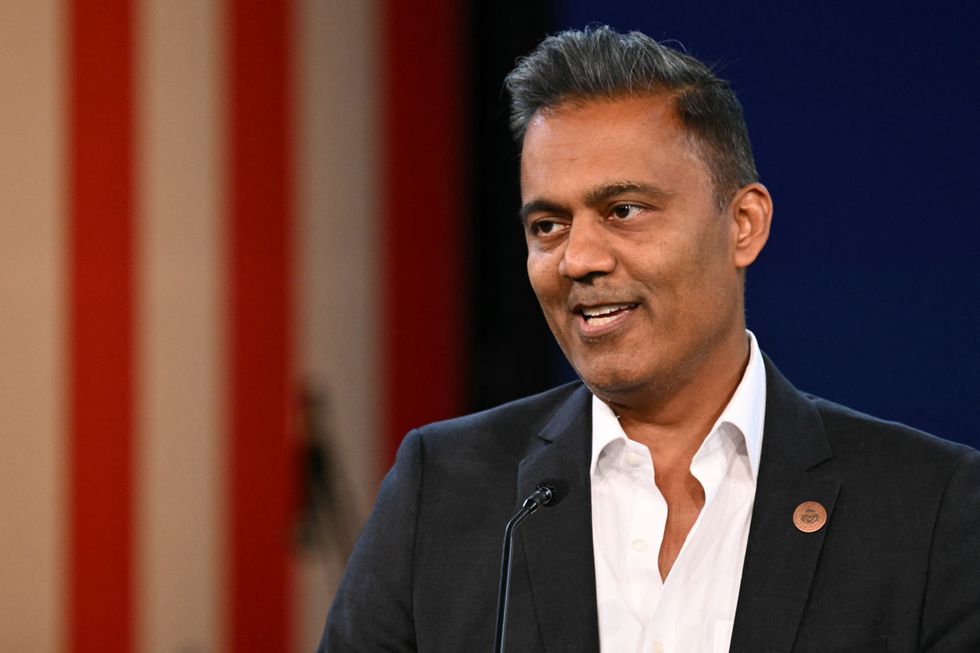 Amish Shahx
Subramanyam unopposed
Not every lawmaker of Indian origin faced a competitive primary.
Congressman Suhas Subramanyam advanced unopposed in Virginia’s 10th Congressional District and will face Republican Dave Beckwith in November. The Northern Virginia district, which includes Loudoun County and parts of Fairfax County, is considered safely Democratic and is home to one of the country’s largest Indian-American communities.
Subramanyam, the first Indian American, south Asian and Hindu elected to the Virginia General Assembly, enters the general election in a strong position and remains one of the Democratic Party’s rising leaders from Virginia.
Candidates of Indian origin dominated the South Asian contests this week, but they were not the only south Asians on the ballot.
In Virginia’s 1st Congressional District, Salaam Bhatti, an Ahmadi Muslim attorney with South Asian roots, finished second in the Democratic primary won by Shannon Taylor. Taylor will now challenge longtime Republican congressman Rob Wittman in November.
California’s lawmakers of Indian origin also remain well placed heading into the general election. Congressman Ami Bera advanced comfortably from his Sacramento-area district, while Ro Khanna, who represents Silicon Valley, faced no serious primary challenge and has instead focused on campaigning for Democratic candidates in competitive races across the country.
Broader political picture
This week’s primaries also reflected broader political trends shaping the midterm elections.
 Pia Dandiyax
Democrats recorded victories for both progressive and moderate candidates, underscoring the party’s continuing debate over its future. One of the most closely watched races came in Michigan, where physician Abdul El-Sayed defeated congresswoman Haley Stevens in the Democratic Senate primary. President Donald Trump quickly seized on the result, arguing it showed Democrats moving further to the left.
Several House contests also demonstrated that local political dynamics remained just as important as national messaging. Thanedar’s defeat in Detroit, for example, reflected both the district’s political landscape and the strength of progressive organizing.
Representation grows
Taken together, this week’s results underline how far Indian Americans have come in US politics.
Today, Indian-American lawmakers chair influential caucuses, represent districts across the country and increasingly contest competitive seats rather than relying solely on safe Democratic strongholds. Earlier this year, Bihar-born Lisa Kaul also won the Democratic primary for a New York state Senate seat, highlighting the community’s growing political presence beyond Congress.
Yet the results also showed that greater visibility does not guarantee success. Thanedar’s defeat and Raja Krishnamoorthi’s departure from the House following his unsuccessful Senate bid mean the current record number of Indian-American members of Congress may not be matched after November unless candidates such as Shah or Dandiya win their competitive races.
With Republicans defending a narrow House majority, only a handful of competitive districts are expected to determine control of the chamber. That gives added significance to races such as Arizona’s 1st Congressional District and Florida’s 22nd Congressional District, where candidates of Indian origin could help shape the outcome.
The road to November
This week’s primaries showed that candidates of Indian origin are no longer confined to symbolic campaigns or safe seats. They are contesting battleground districts, leading influential factions within their parties and competing in races with national implications.
Whether Democrats regain the House or Republicans retain control, candidates of Indian origin are expected to feature prominently in several contests that could help shape the next Congress. Their numbers may fluctuate, but their influence continues to grow as more seek office in competitive districts and take on leadership roles within American politics.