INDIA is scrambling to cover for its most vulnerable power supply situation in 14 years by deferring planned plant maintenance and re-opening idled units. The country, known to be one of the fastest-growing economies, is set to witness its biggest power shortfall in June following a slump in hydropower generation, its government has told Reuters.
It also said that the lack is caused by a delay in the commissioning of 3.6 gigawatts (GW) of new coal plants which were targeted to be operational before March.
In a statement, the Central Electricity Authority, India's planning body for the sector, told the outlet that a peak shortage of 14 GW is predicted next month during the night or non-solar hours.
"The planning process relies on worst-case scenarios," the authority added.
Read: Sri Lanka seals 20-year power pact with India’s Adani Green
As per publicly available government data, the gap in power that needs to be filled is the widest since 2009-10. The country's hydroelectricity output plummeted at the steepest rate in four decades in the year that ended March 31, alongside a stagnation in renewable energy production..
Last week, India's power minister R K Singh convened an emergency meeting to assess the fragility of the situation where it was decided that shutting down of power plants in June for planned maintenance would be deferred and idled coal-plant capacity of 5GW be revived, two government sources that were present in the meeting told Reuters.
Read: India now home to world’s largest renewable energy park & it’s 5 times bigger than Paris
"All efforts have been made to maximise generation, and with the measures in place it is expected that the power demand would be adequately met during the day and the non-solar hours in the coming months including June 2024," the statement said, according to the outlet.
The situation also compelled the power ministry in April to invoke emergency rights for the first time to ask gas-based and imported coal-based power plants to become fully operational.
The Grid-India administration has forecast a peak nighttime demand of 235 GW in June, as per the statement.
On the supply front, government sources indicated that approximately 187 GW of thermal capacity and around 34 GW from renewable sources are available.
The power demand and capacity projections have not been disclosed before.
While India has long defended the use of coal, the Narendra Modi government has slowed capacity growth based on the pollution-causing fuel to focus on green energy, with an eye to meeting net zero emission goals by 2070.
While plans to set up new coal-powered plants in India gained traction last year despite facing pressure from rich economies, they will take at least four years to begin production.
(With Reuters inputs)








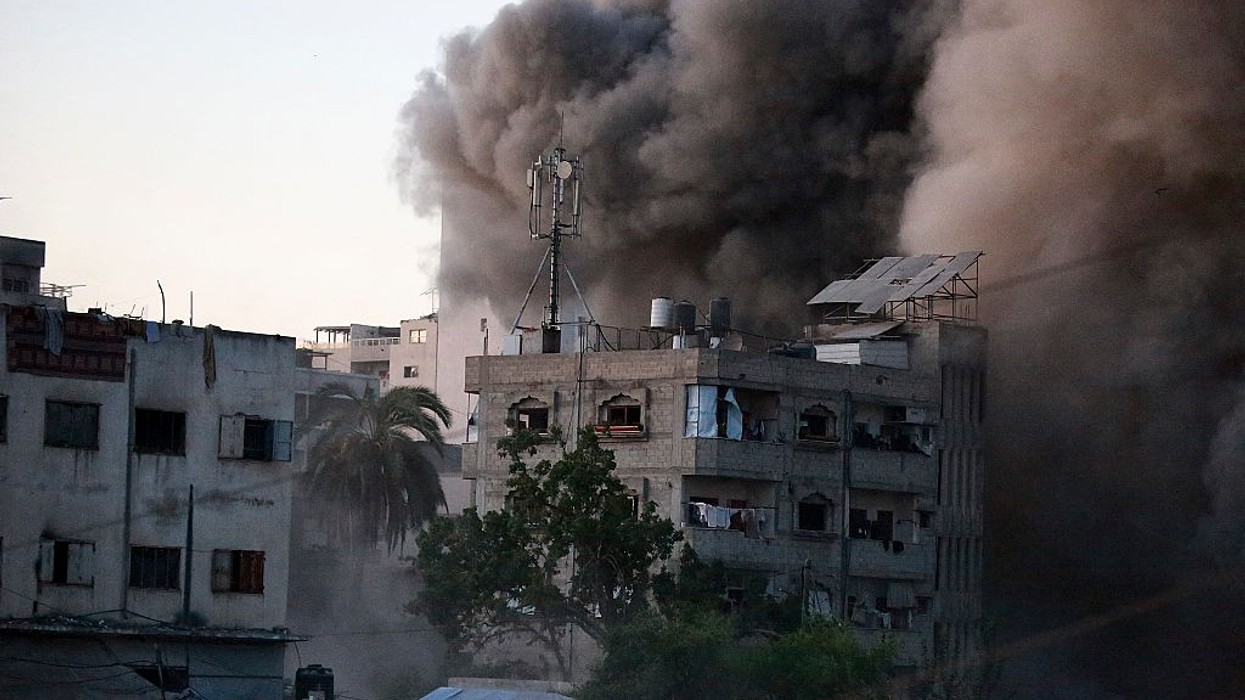
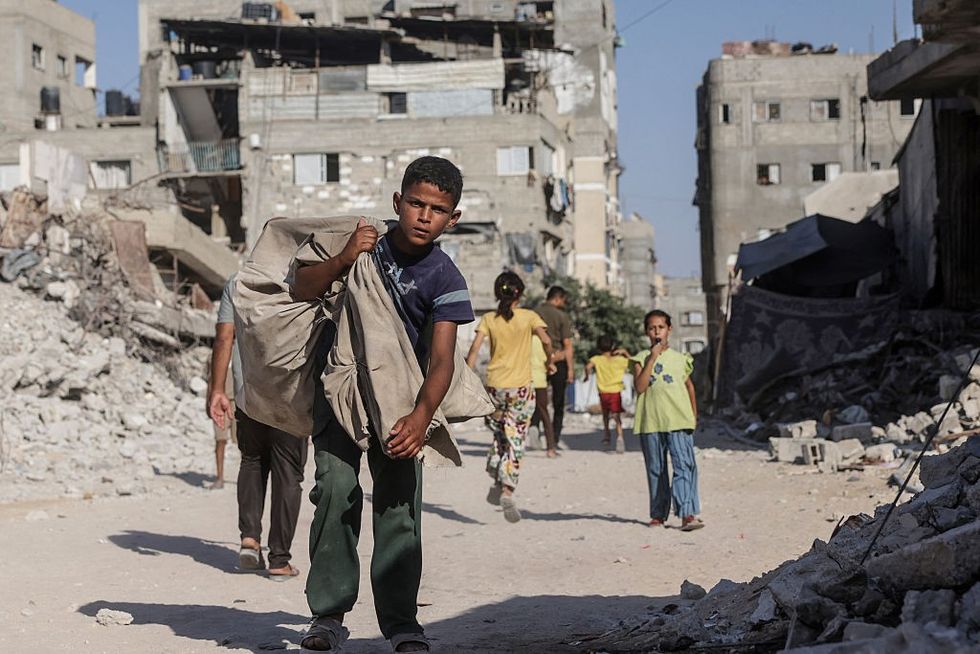 A Palestinian boy carrying a bag over his shoulder walks through a heavily damaged street in Khan Yunis in the southern Gaza Strip on July 31, 2026. Hamas said on July 31, 2026, it had agreed to a deal announced by the US president to end its war with Israel, which includes it handing over its weapons to a Palestinian governing committee and the gradual withdrawal of Israeli forces from Gaza. Getty Images
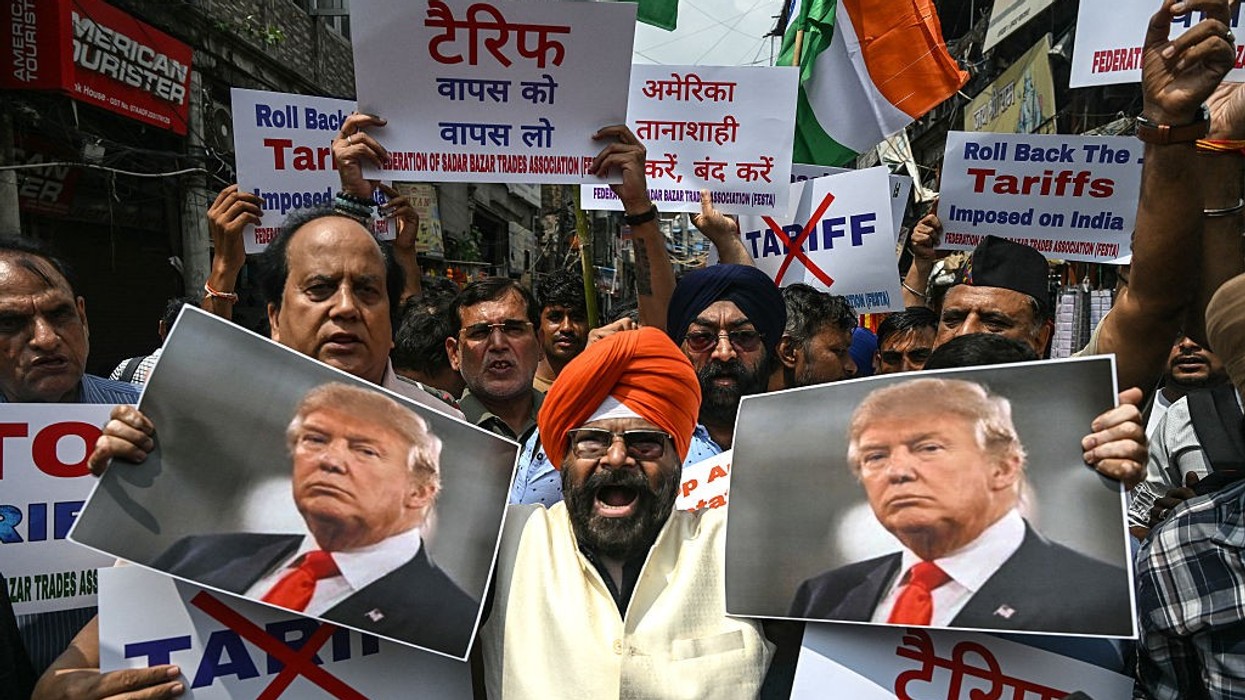
 Protesters trample on photographs of Israeli Prime Minister Benjamin Netanyahu and U.S. President Donald Trump, along with Israeli and U.S. flags during a rally in Caracas on July 24, 2026, protesting the presence and influence of the United States and Israel in the country, one month after the June 24 earthquakes. Recovering from the earthquakes in Venezuela will take years, the Red Cross said on July 24, one month on from the June 24 disaster that killed more than 5,000 people. Getty Images