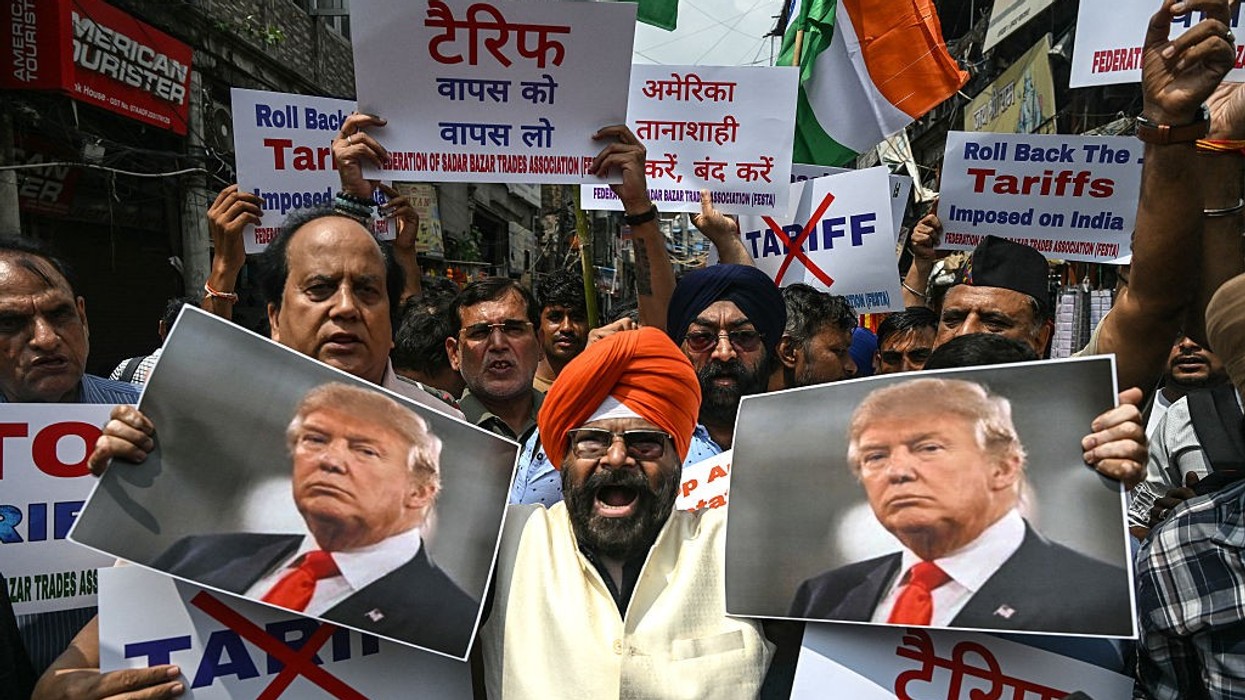

A total of 25 US states have filed a lawsuit against president Donald Trump's administration over a new round of tariffs imposed on imports from dozens of countries. The legal challenge argues that the tariffs are unlawful and go beyond the authority granted under federal law.
The tariffs, which range between 10 per cent and 12.5 per cent, took effect in July. They apply to imports from many US trading partners, including the UK, China, and the European Union. The Trump administration said the duties were introduced because these countries failed to properly address the use of forced labour in their supply chains.
The tariffs were imposed under Section 301 of the US Trade Act of 1974. The law allows the US government to take action against countries whose trade practices unfairly affect American businesses. According to the Office of the US Trade Representative (USTR), the new duties cover 99.4 per cent of US imports.
In the lawsuit, the coalition of Democratic-led states argues that the administration exceeded its legal authority. The filing states that the decision was "arbitrary, capricious, and contrary to law."
The lawsuit also says the Trump administration "cannot use forced labour as a pretext to continue its illegal tariff scheme."
It further argues, "The tariffs the USTR imposed are so broad that they defy the USTR's own stated aims and make a mockery of the statute used to justify them."
The White House defended the tariffs. White House spokesman Kush Desai said, "The US is using its lawful authority" to address trade practices that burden American businesses.
Desai added that any foreign countries failing to deal with the importation of goods produced with forced labour was "unreasonable" and must be addressed.
Several state leaders criticized the tariffs. New York Governor Kathy Hochul said, "President Trump's illegal tariffs are nothing more than a tax on hardworking families."
Oregon Attorney General Dan Rayfield also opposed the measures. He said, "Despite losing every step of the way, Trump is trying yet again to inflict more chaos on working families and homegrown Oregon businesses."
Rayfield added, "We're all paying the price for these unlawful tariffs, not foreign governments."
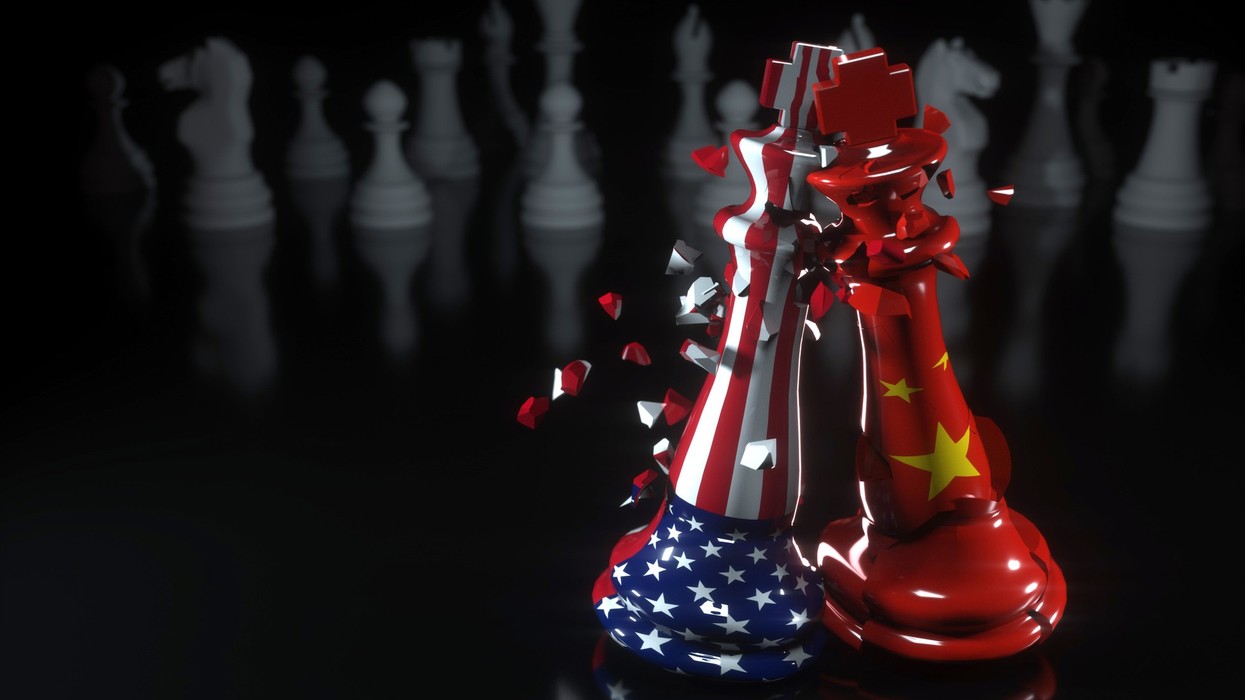
Several countries affected by the tariffs have expressed concern. The governments of Brazil and Japan described the measures as "unjustified." China's foreign ministry spokesperson Mao Ning called the tariffs an "excuse for political manipulation." Trade tensions between Washington and Beijing remain high, although both sides have paused their latest tariff dispute.
Some trade experts have also questioned how countries can prove that they have taken enough action against forced labour. Alex Capri, a business lecturer at the National University of Singapore, said the lawsuit could pose a "formidable challenge" to the administration's tariff policy.
Capri also said there is not enough credible evidence to support claims that foreign countries have harmed US businesses by violating forced labour rules. He added that he expects "carve outs and walk-backs to gradually take the bite out of these tariffs."
The lawsuit is the latest challenge to Trump's trade agenda since he returned to office in January 2025. Last year, the US Supreme Court struck down many of the wide-ranging tariffs introduced under Trump's "Liberation Day" trade policy.
Hochul said, "The Supreme Court has made it clear that this administration cannot ignore the law to impose sweeping tariffs."
That ruling led to tens of billions of dollars in refunds for companies that had paid the earlier tariffs. Those duties were later replaced with a temporary 10 per cent tariff on all global imports, which expired in July.
Trump has consistently argued that tariffs protect American workers and strengthen the US economy. The administration is also investigating 16 countries over claims of manufacturing overcapacity, raising the possibility of more tariffs in the coming months.