
Highlights:
- Modi urged Indians to work from home and reduce travel.
- India imports 90 per cent of its oil and faces rising energy costs.
- The Strait of Hormuz has remained shut for over two months.
- Markets fell sharply after Modi’s comments on Sunday.
- Opposition leaders accused the government of poor planning.
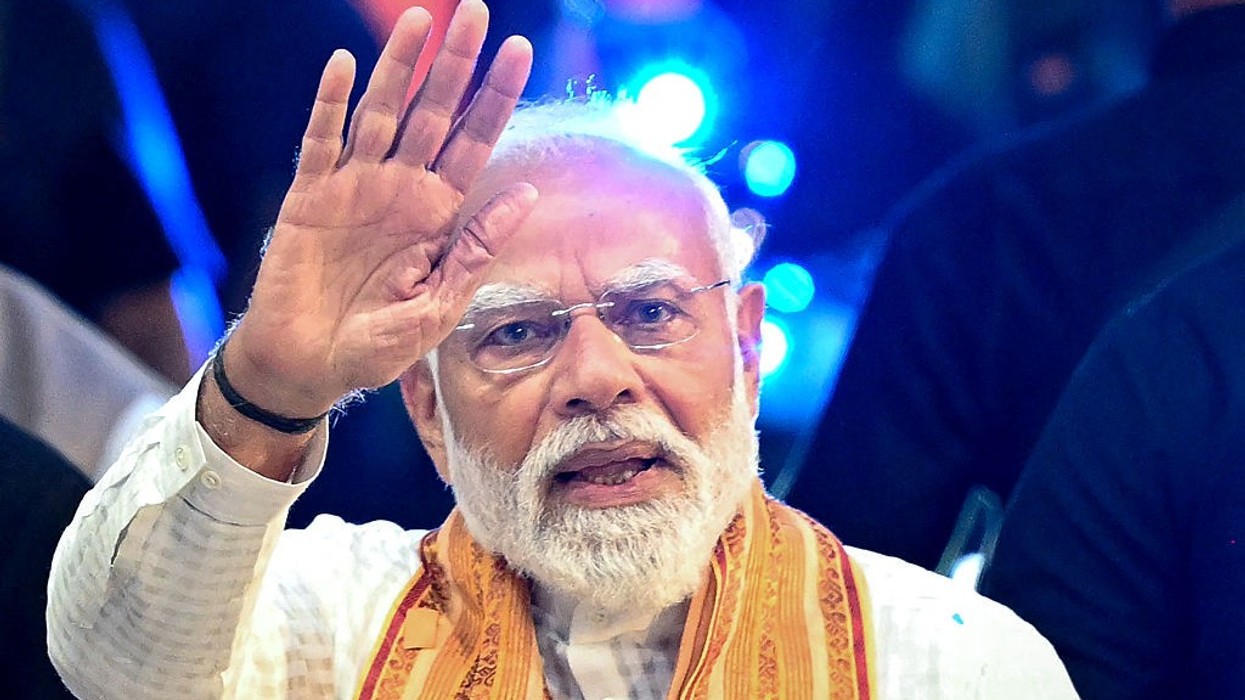
Indian prime minister Narendra Modi has urged Indians to bring back work-from-home practices, reduce foreign travel, and spend less on gold as the crisis in the Middle East continues to affect global energy prices.
Modi said these steps would help India reduce fuel use and save foreign exchange reserves. His comments came during a public event in Hyderabad on Sunday (10).
India imports about 90 per cent of its oil. The country’s oil import bill has risen sharply since the war involving the United States, Israel, and Iran began. The Strait of Hormuz, an important route for oil shipments, has been closed for more than two-and-a-half months.
Analysts described Modi’s appeal as the “most drastic” action taken so far by the government in response to the crisis.
"Patriotism is not only about the willingness to sacrifice one's life on the border. In these times, it is about living responsibly and fulfilling our duties to the nation in our daily lives," Modi said.
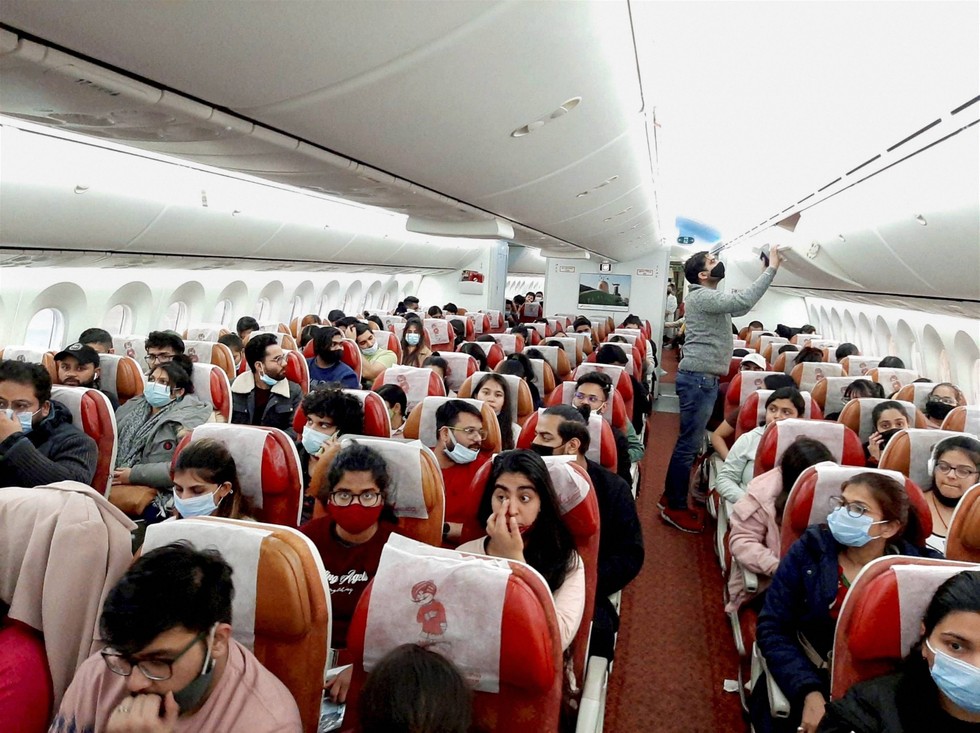
"In the current situation, we must place great emphasis on saving foreign exchange," he added. Modi encouraged people to use public transport systems such as the metro instead of driving private vehicles. He also suggested carpooling to reduce fuel consumption.
The Indian prime minister also asked farmers to reduce fertilizer use by half. Indian financial markets reacted quickly to his comments. Analysts said Modi’s warning about the economy was one reason the benchmark Sensex index dropped more than 1,000 points in early trading on Monday (11).
India has so far avoided increasing petrol and diesel prices despite growing pressure on state-owned fuel companies. However, the long conflict and continued oil supply problems have started to affect the wider economy.
Several industries are now under pressure. Factories making glass products, plastic goods, and tiles are facing risks, with hundreds of thousands of jobs under threat.
Fertilizer shortages have also raised concerns about lower farm production and rising food prices. The Indian rupee has been hit especially hard. It has fallen to record lows in recent weeks. This has increased the cost of imports and added more inflation pressure.
Analysts believe Modi’s comments suggest the government may soon introduce official measures to reduce energy use. They also say fuel price increases may happen in the near future.
Opposition leaders criticized Modi’s remarks and accused the government of failing to prepare properly for the crisis.
Congress leader Rahul Gandhi said the government was placing “responsibility onto the people” instead of taking accountability itself.
"[Modi's suggestions] aren't sermons - these are proofs of failure," he said in a post on X. The war in Iran and the shutdown of the Strait of Hormuz have affected economies around the world, especially in Asia. Many countries are struggling with rising fuel costs.
The International Energy Agency described the crisis as the "largest supply disruption in history". Several countries have already taken emergency steps to reduce the impact on consumers and businesses.
China told its oil refineries to temporarily stop fuel exports. Petrol prices still increased, and some airlines reduced flights because jet fuel became more expensive. In Australia, some states made public transport free or reduced fares by half to encourage people to avoid driving.
The Philippines declared a national emergency in March. The government offered support payments to transport drivers, reduced ferry services, and introduced a four-day work week for civil servants. Sri Lanka also introduced fuel rationing and temporarily moved to a four-day work week. Schools, colleges, and government offices were closed on Wednesdays to reduce energy use.