- Koovagam festival held in Tamil Nadu
- Thousands from transgender community attended
- Festival honours Hindu deity Aravan
- Rituals symbolise marriage and mourning
- Participants say festival brings acceptance and pride
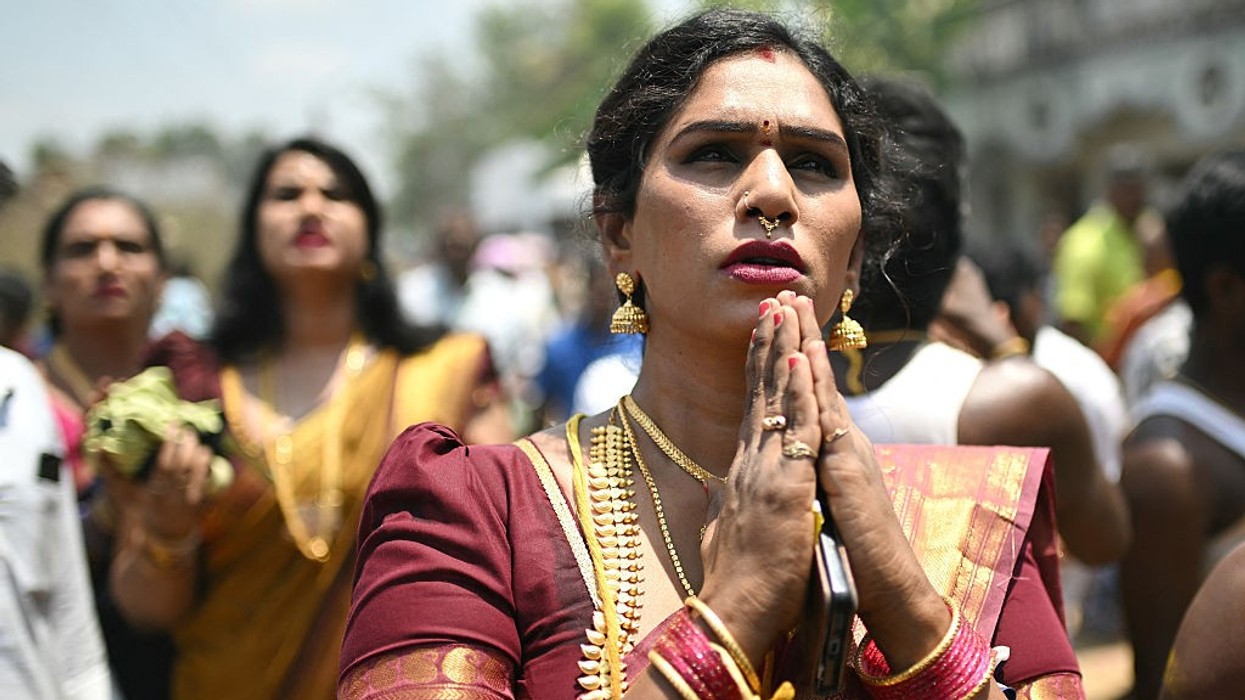
The annual Koovagam festival in Tamil Nadu has once again become a place of hope and acceptance for India’s transgender community. Every year, thousands of transgender people travel to the village of Koovagam to take part in religious rituals and cultural celebrations.
The festival is held at the Koothandavar Temple. It honours the Hindu warrior deity Aravan, a figure connected to ancient Hindu stories. The event has become an important gathering for transgender people who often face discrimination and rejection in society.
For many participants, the festival offers a rare chance to feel respected and free. Thilothama, a 34-year-old transgender woman from Chennai, said she comes to the festival every year because it gives her happiness and strength.
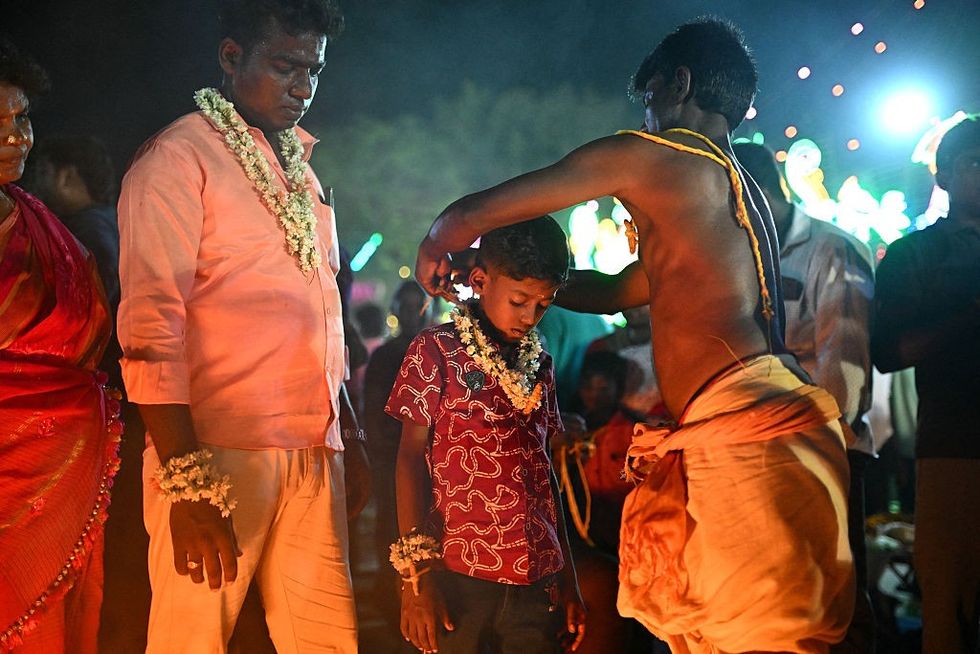 This photograph taken on April 28, 2026 shows a boy getting "thali", a sacred thread tied to his neck symbolising marriage to Hindu warrior god Aravan during the annual Koovagam transgender festival at the Koothandavar temple in Tamil Nadu's Kallakurichi district. For a few fleeting days each year, at the heart of the Koothandavar Temple where ostracised transgender community members from across India come to honour the Hindu deity Aravan, a tradition rooted in millennia-old Hindu texts -- and to enjoy a brief oasis of freedom.Getty Images
She said she always wanted the freedom to live her life openly despite being transgender. Thilothama works with a charity group that supports transgender people with counselling and jobs. She left her family home years ago after facing opposition because of her gender identity.
The festival includes beauty contests, music performances and religious ceremonies. During the rituals, priests tie a sacred thread called a “thali” around the necks of transgender devotees. This symbolises marriage to the deity Aravan.
The next day, the festival turns into a mourning ceremony. Devotees cry and pray as the sacred thread and bangles are removed to mark the death of Aravan in Hindu tradition.
India officially recognised the “third gender” in 2014 after a Supreme Court decision. However, many transgender people still face social exclusion, unemployment and disrespect in daily life.
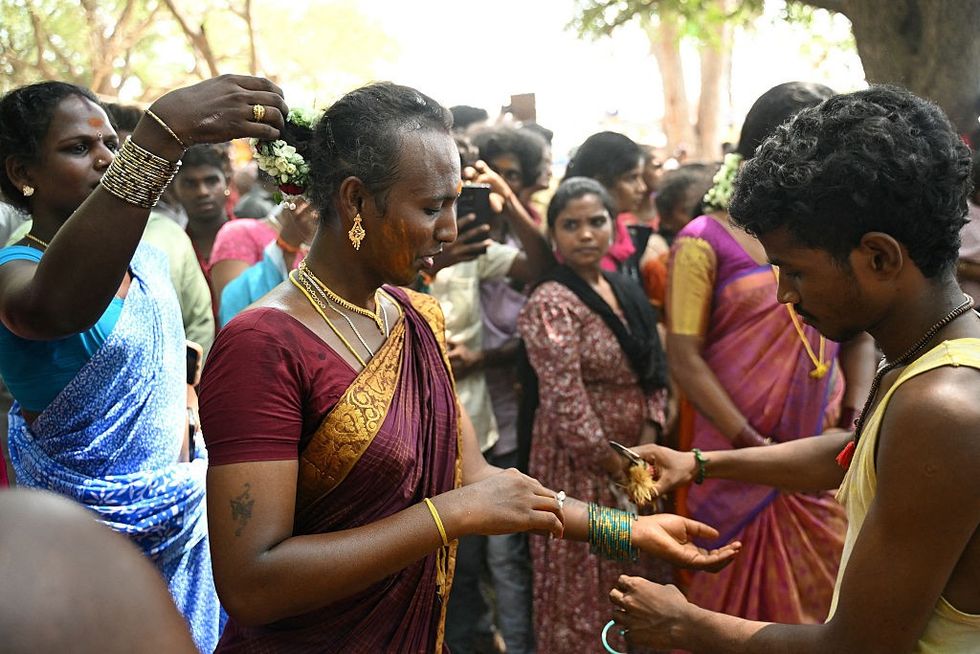 This photograph taken on April 29, 2026 shows a member of the transgender community mourning as a priest cuts the "thali", a sacred thread symbolising end of her marriage to Hindu warrior god Aravan during the annual Koovagam transgender festival at the Koothandavar temple in Tamil Nadu's Kallakurichi district. For a few fleeting days each year, at the heart of the Koothandavar Temple where ostracised transgender community members from across India come to honour the Hindu deity Aravan, a tradition rooted in millennia-old Hindu texts -- and to enjoy a brief oasis of freedom. Getty Images
Another participant, Anuya, said people at the festival treat transgender visitors with kindness and respect. She said villagers believe blessings from transgender people bring prosperity and good luck.
As the celebrations continued with music and dancing, many participants said the festival made them feel less lonely. Dhanshika, another attendee, said she felt happy seeing so many people like herself gathered together.
She smiled and said, “I feel this is my world.”