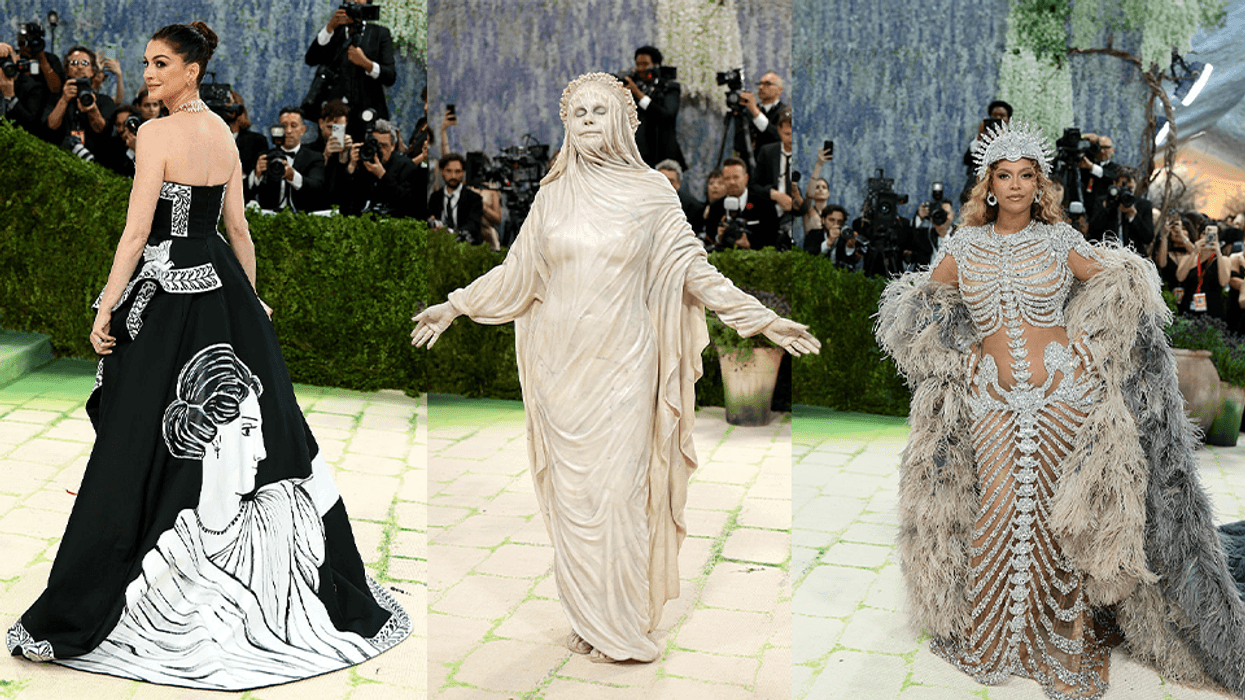

The 2026 Met Gala was held on Monday, May 4, 2026, at the Metropolitan Museum of Art in New York City. This year’s edition was especially historic, marking the opening of the new Condé M. Nast Galleries, a 12,000-square-foot expansion dedicated to the Costume Institute.
The central theme, “Costume Art,” explored the “centrality of the dressed body” by pairing nearly 400 garments, both historical and contemporary, with fine art objects spanning 5,000 years. Curated by Andrew Bolton, the exhibition is organized into thematic sections, including the Naked Body, Classical Body, Pregnant Body, and Aging Body, each examining how the human form has been represented through time.
A defining feature of the exhibition design is its use of sculptural figures with polished steel heads created by artist Samar Hejazi. These reflective surfaces allow visitors to see themselves mirrored within the display, reinforcing the idea that the viewer is part of the artwork.
The dress code, “Fashion is Art,” encouraged attendees to treat clothing as a direct artistic medium. This resulted in highly conceptual interpretations, from sculptural transformations to recreations of existing artworks worn on the body.
The event was co-chaired by Beyoncé, Nicole Kidman, Venus Williams, and Anna Wintour. Honorary chairs included Jeff Bezos and Lauren Sánchez, representing major event sponsors.
The best unique looks are:
1. Beyonce: Skeletal Gown
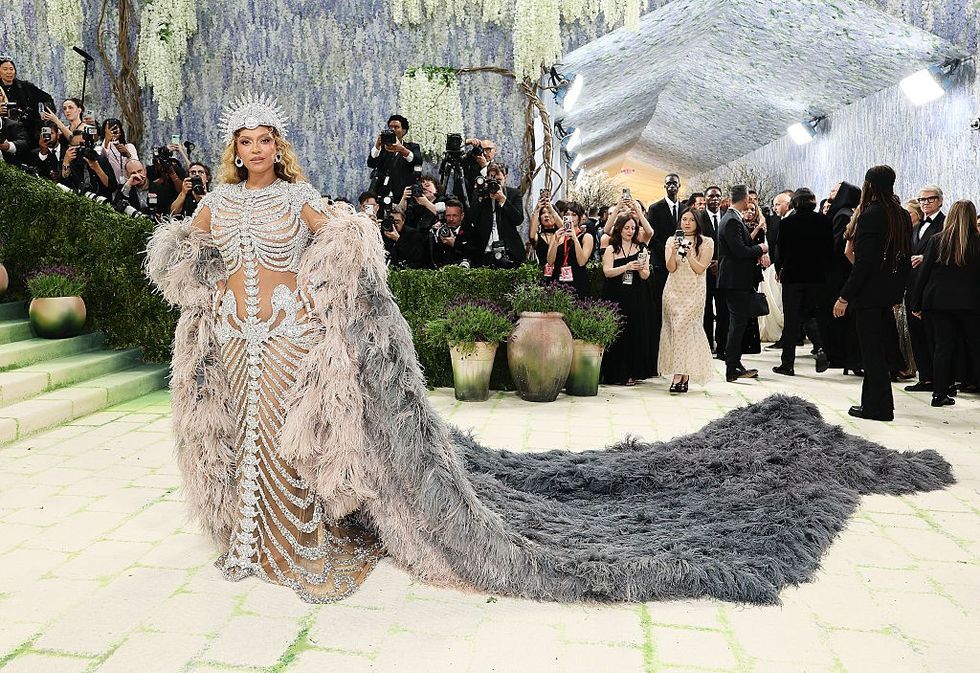 Beyoncé attends the 2026 Met Gala celebrating "Costume Art" at the Metropolitan Museum of Art on May 04, 2026 in New York City. Getty Images
Beyoncé made a dramatic return in a custom-designed look by Olivier Rousteing that fully embodied the theme “Fashion Is Art.” Her standout piece, dubbed the “Skeletal Gown,” featured a sheer, flesh-toned base that created the illusion of her body being outlined in shimmering bones. The design was covered in intricate crystal embellishments, forming a diamond-like skeleton across her figure, turning her body into a living canvas.
The gown drew inspiration from the “Epidermal Body” concept in the accompanying exhibition, highlighting the connection between clothing and the human form. By layering sparkling “bones” over skin, the look blurred the line between anatomy and couture.
Adding to the drama was a voluminous feathered train in soft cream and dust blue tones, which flowed behind her and added movement and scale. She completed the ensemble with a striking spiked diamond crown, giving the entire look a regal, almost ceremonial feel.
The overall design balanced structure and extravagance, combining sharp skeletal detailing with soft textures and bold embellishments. It stood out as both artistic and theatrical, making it one of the most memorable fashion moments of the night.
2. Anne Hathaway: The Greek Goddess of Peace
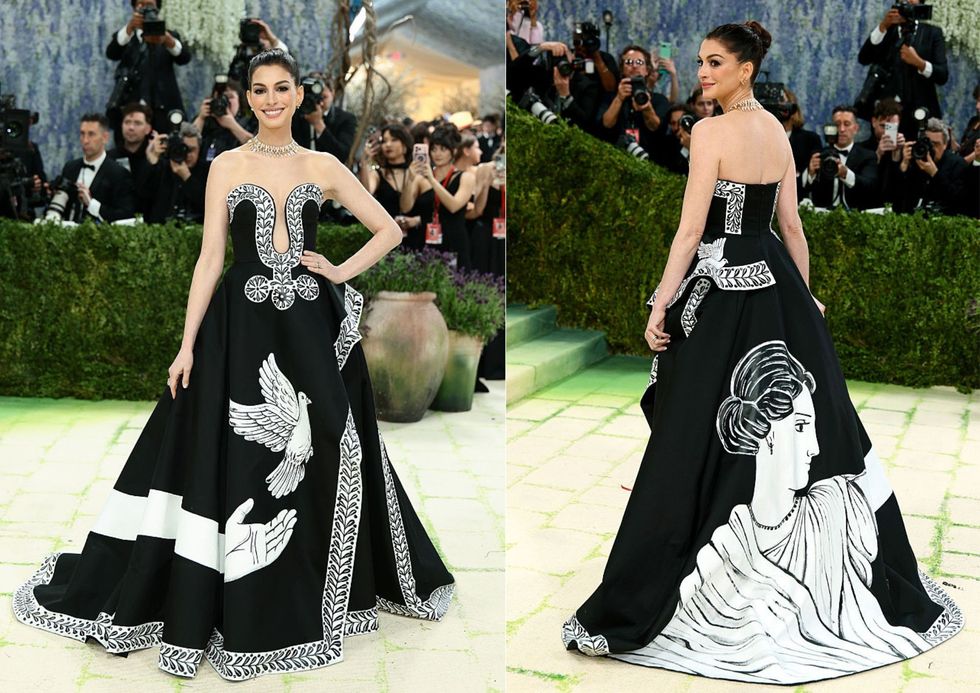 Anne Hathaway attends the 2026 Met Gala celebrating "Costume Art" at the Metropolitan Museum of Art on May 04, 2026 in New York City.Getty Images
Anne Hathaway embodied the night’s “Fashion Is Art” dress code in a stunning custom gown by Michael Kors, featuring hand-painted designs by artist Peter McGough. The look stood out with its deep V-cut neckline and intricate artwork, including a bird motif and a depiction of Irene, the Greek goddess of Peace. Hathaway arrived alongside Kors, highlighting their creative collaboration. She completed the outfit with Roger Vivier platform sandals, which added height and elegance while perfectly complementing the artistic and sculptural feel of the gown.
3. Madonna: An 18th-Century Ship
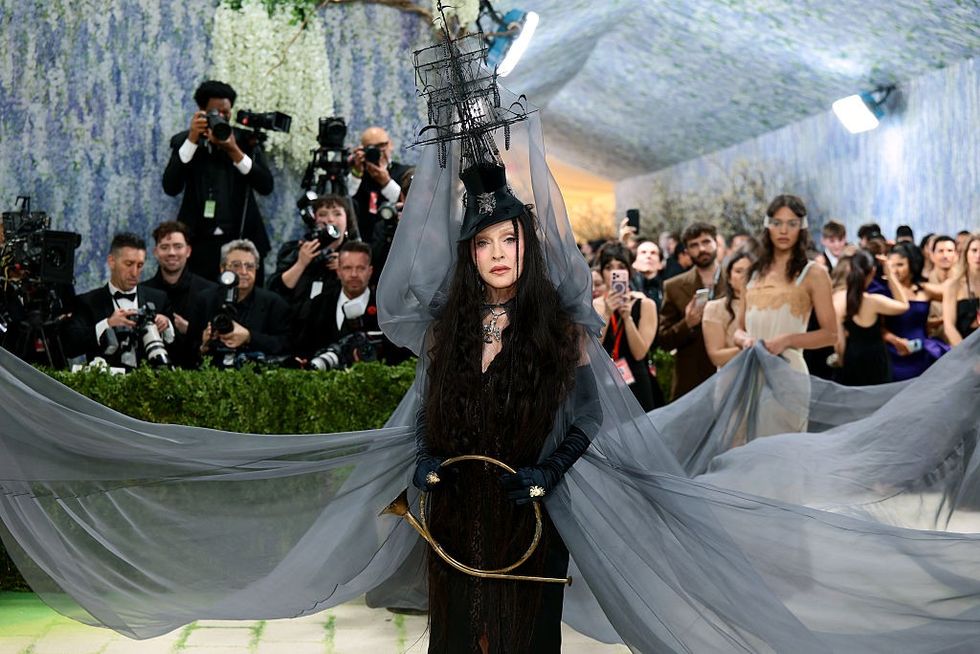 Madonna attends the 2026 Met Gala celebrating "Costume Art" at the Metropolitan Museum of Art on May 04, 2026 in New York City.Getty Images
Madonna delivered one of the most dramatic looks of the night in a custom design by Anthony Vaccarello for Saint Laurent. Her outfit combined bold structure with theatrical detail, making it feel more like a moving art piece than a traditional gown.
The centerpiece of the look was an elaborate sculptural headpiece shaped like an 18th-century ship, or galleon. It featured tiny masts, delicate rigging, and intricate detailing crafted from silver and antique lace. The headpiece was partially draped in sheer fabric and supported at angles by attendants dressed in soft pastel tones, adding to the sense of motion and spectacle.
Madonna paired this with a long, voluminous gown in distressed gray, complete with a deep V-cut neckline and an oversized train. The train spread across the carpet and was carefully arranged by her entourage to resemble flowing waves and sea foam. She also wore black opera-length gloves and carried a brass horn, enhancing the nautical theme.
4. Jordon Roth: Shadow self
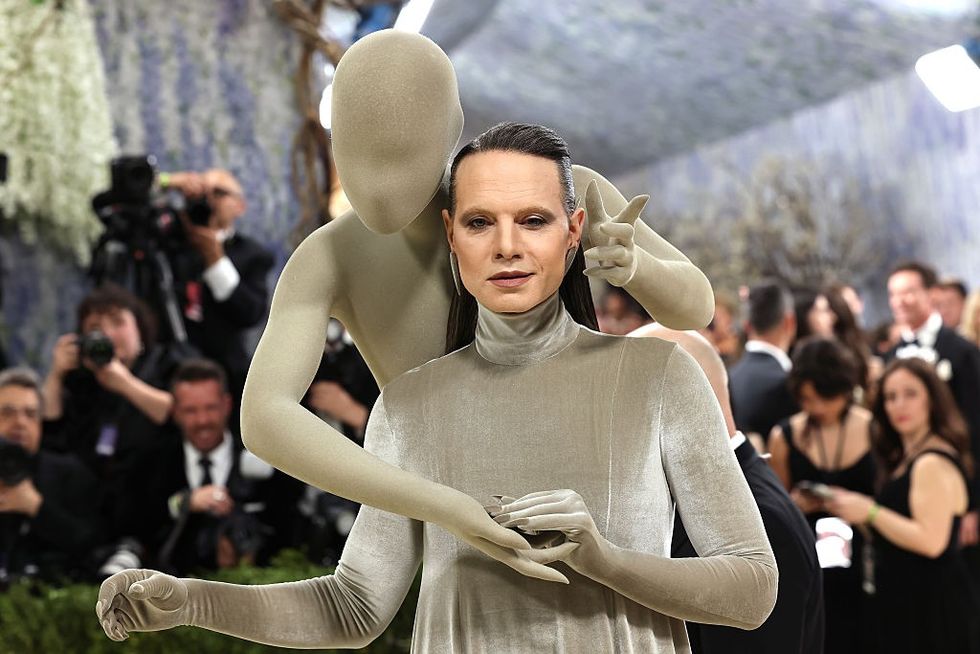 Jordan Roth attends the 2026 Met Gala celebrating "Costume Art" at the Metropolitan Museum of Art on May 04, 2026 in New York City. Getty Images
Jordan Roth delivered one of the most surreal interpretations of the “Costume Art” theme in collaboration with designer Robert Wun. His look, often described as the “Shadow Self,” went beyond fashion and functioned as a full theatrical installation on the red carpet.
The ensemble was built in monochromatic taupe velvet, forming a sculptural silhouette rather than a traditional outfit. The most striking element was a life-sized figure integrated into the garment, positioned behind Roth as if it were emerging from him. This created the illusion of a dual presence sharing one body.
Additional “phantom” arms extended from the design, appearing to gently hold or encircle him. These engineered forms gave the appearance of a four-armed figure, adding an unsettling and mythic quality. His face was covered by a smooth, featureless mask in matching taupe, turning his head into a blank sculptural form and removing all individuality.
Roth described the concept as inspired by Jean-Léon Gérôme, particularly the idea of a statue coming to life as seen in “Pygmalion and Galatea.” The look explored identity, transformation, and the “Epidermal Body,” treating fashion as a second skin that can extend or distort the human form.
5. Heidi Klum: Living Marble
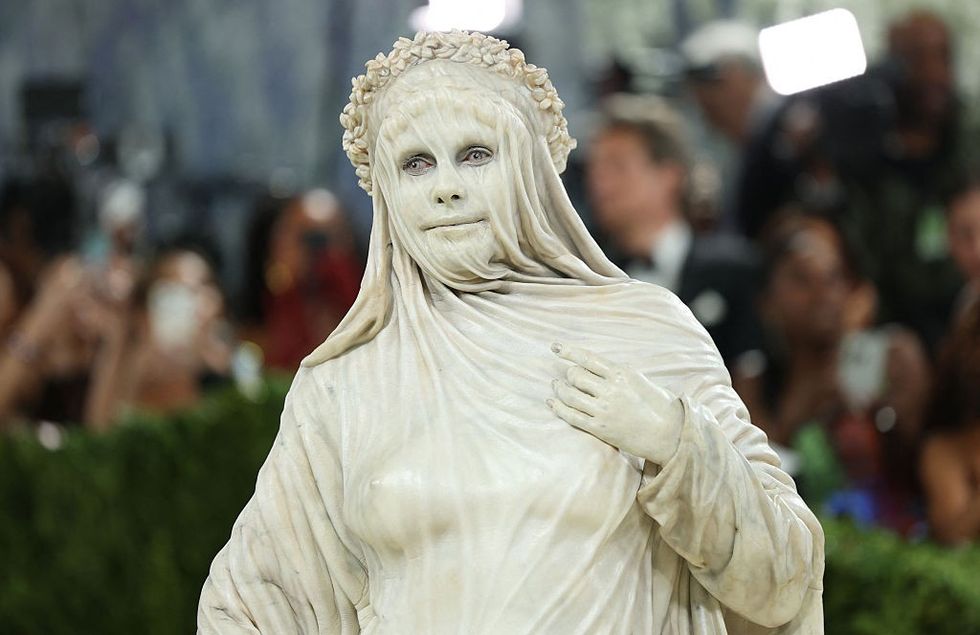 German model Heidi Klum arrives for the 2026 Met Gala celebrating "Costume Art" at the Metropolitan Museum of Art, in New York, on May 4, 2026.Getty Images
Heidi Klum delivered a striking interpretation of the “Costume Art” theme by transforming herself into a hyper-realistic marble sculpture. Known for her elaborate prosthetic transformations, she extended that signature style into a high-fashion, museum-inspired concept on the red carpet.
The look presented her as a “Living Marble” statue. Her entire body, including her face and hair, was coated in a matte white finish designed to mimic polished Italian marble. Fine grey veining was painted across her skin, enhancing the illusion of carved stone and giving her a cold, sculptural presence.
Her outfit incorporated rigid 3D-printed elements resembling fractured drapery. These pieces appeared as though a classical statue had been partially broken, with jagged fragments forming the shape of an elegant gown. The effect blended antiquity with modern construction techniques, creating a fusion of history and technology.
To maintain the illusion, Klum posed with stillness and precision, often holding static, museum-like positions on the carpet. The performance reinforced the idea that she was not simply wearing a dress, but embodying an artwork.
6. SZA: Golden Garden Fairy
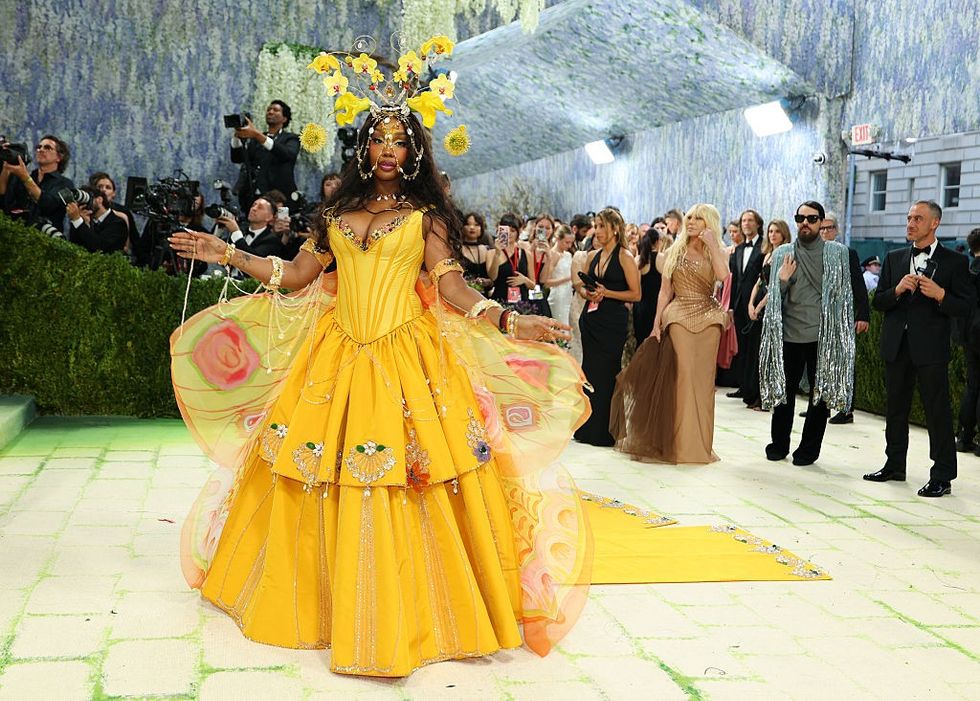 US singer Sza arrives for the 2026 Met Gala celebrating "Costume Art" at the Metropolitan Museum of Art, in New York, on May 4, 2026. Getty Images
SZA wore a custom collaboration with designer Emily Adams Bode Aujla of the brand Bode, marking a shift toward a whimsical, narrative-driven style focused on transformation and storytelling.
The dress featured a bright golden-yellow corset with a structured bodice and a heavily embroidered, tiered skirt that added volume and movement. The silhouette blended historical inspiration with a modern, handcrafted feel, giving the outfit a theatrical yet elegant presence.
A standout element was the butterfly-inspired cape. Made of sheer fabric, it was attached to her arms using multiple beaded bracelets. When she extended her arms, the cape spread into wide, symmetrical patterns of florals and swirling designs, creating a wing-like effect that transformed her entire posture into part of the garment.
Her headpiece completed the look with sculptural floral elements, including yellow moth orchids, calla lilies, and pincushion protea. These were interwoven with cowrie shells and champagne-toned jewels, adding texture and cultural depth.
The ensemble was notable for its sourcing and craftsmanship. All 100 yards of fabric were reportedly sourced from eBay, including vintage tulle, taffeta, and silk faille, emphasizing reuse of historical materials. The design also incorporated sari remnants inspired by travels in India, mixed with European rhinestones and New York quartz beads, referencing global textile traditions and historic fashion movements like 18th-century dress and the Wiener Werkstätte aesthetic.
7. Amy Sherald: Miss Everything
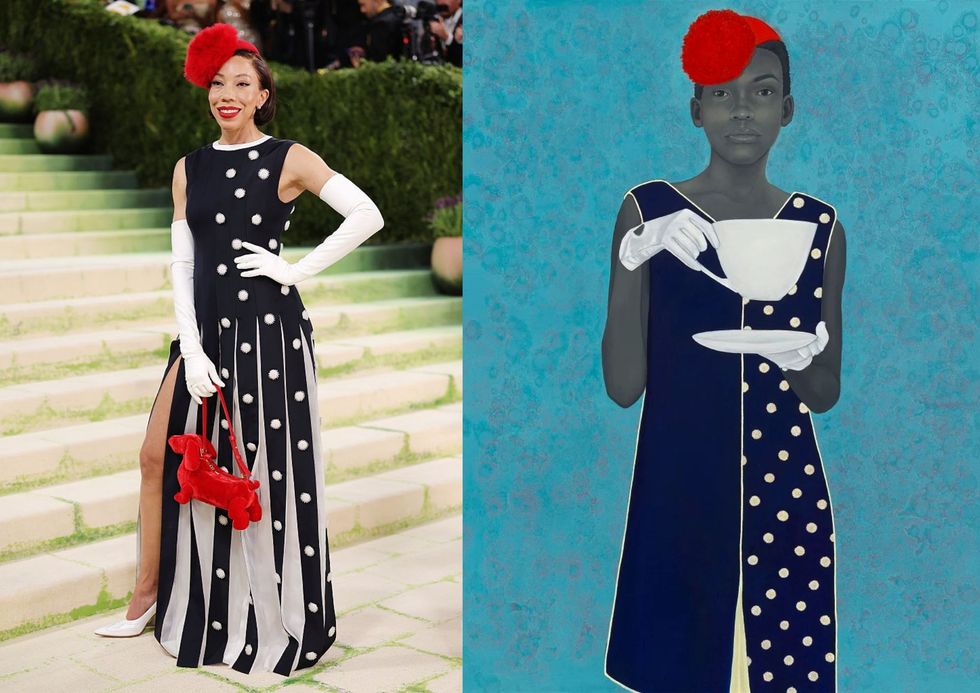 Amy Sherald attends the 2026 Met Gala celebrating "Costume Art" at the Metropolitan Museum of Art on May 04, 2026 in New York CityGetty Images & National Portrait Gallery
Amy Sherald delivered one of the most conceptually powerful moments of the night by stepping directly into her own artwork. Working with designer Thom Browne, she transformed her celebrated 2017 painting “Miss Everything (Unsuppressed Deliverance)” into a fully realized, wearable sculpture.
The look recreated the painting in meticulous detail. Sherald wore a structured, vintage-inspired gown featuring the same bold red-and-white patterns and oversized button motifs seen in the original portrait. The silhouette mirrored the composition of the painting, turning two-dimensional imagery into a three-dimensional fashion form.
She also puppy bag, directly referencing the surreal accessory featured in the artwork. This object added a narrative layer to the ensemble, reinforcing the dialogue between painting and performance.
In a signature artistic gesture, Sherald appeared with her skin rendered in a monochromatic gray tone, echoing her use of grisaille in portraiture to challenge conventional readings of race and identity. The effect made her appearance feel like a living canvas.
The look was widely praised for its intellectual depth and precision. By recreating her own work on the red carpet, Sherald blurred the boundaries between artist, subject, and artwork, embodying the idea that fashion itself can function as fine art.
8. Lisa: Third Arm and Thai Culture
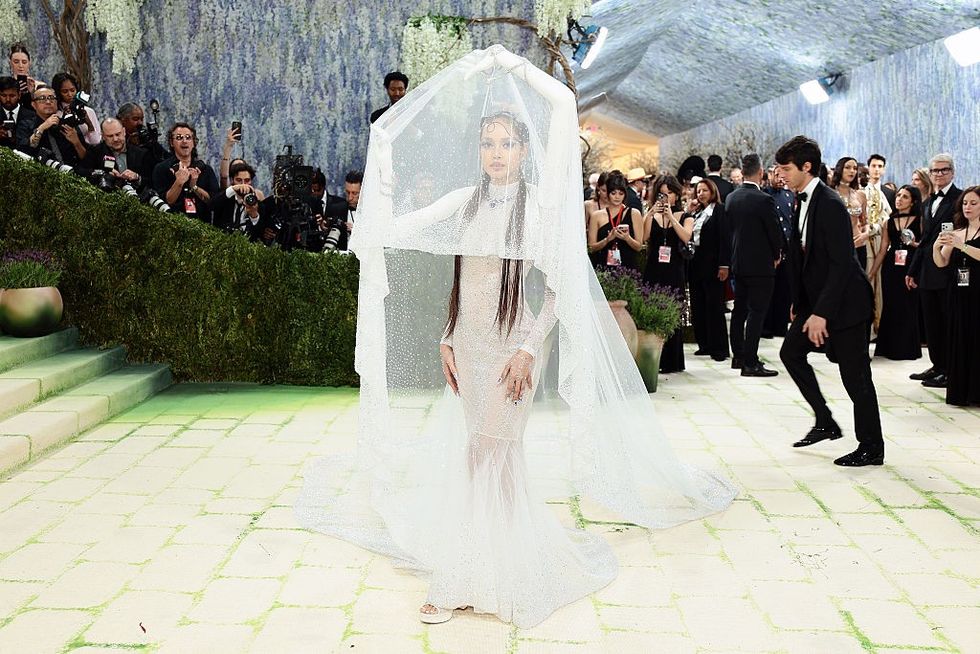 Lisa attends the 2026 Met Gala celebrating "Costume Art" at the Metropolitan Museum of Art on May 04, 2026 in New York City. Getty Images
Lisa (Lalisa Manobal) presented a striking, sculptural look by designer Robert Wun that placed Thai culture at the center of its concept, while turning the body itself into a piece of living art.
The most defining feature of the ensemble was the “third arm” illusion. Two 3D-printed arms, modeled after Lisa’s own, emerged seamlessly from the structure of her white gown. These sculptural limbs were positioned in precise, graceful poses inspired by traditional Thai dance, echoing classical hand gestures known for their fluidity, symbolism, and storytelling. The arms extended upward to support a sweeping sheer veil, creating the impression of a protective, almost spiritual form surrounding her.
The gesture-based design paid direct homage to Thailand’s classical performing arts, where hand positions are deeply expressive and often represent emotion, mythology, and grace. By translating these movements into physical extensions of the garment, the look merged cultural tradition with futuristic construction.
The flowing white gown itself acted as a base for the sculpture, allowing the “third arms” to become the focal point. Together, they formed a visual narrative of heritage and transformation, where Thai dance language was reinterpreted through fashion engineering.
9. Sarah Paulson: The One Percent
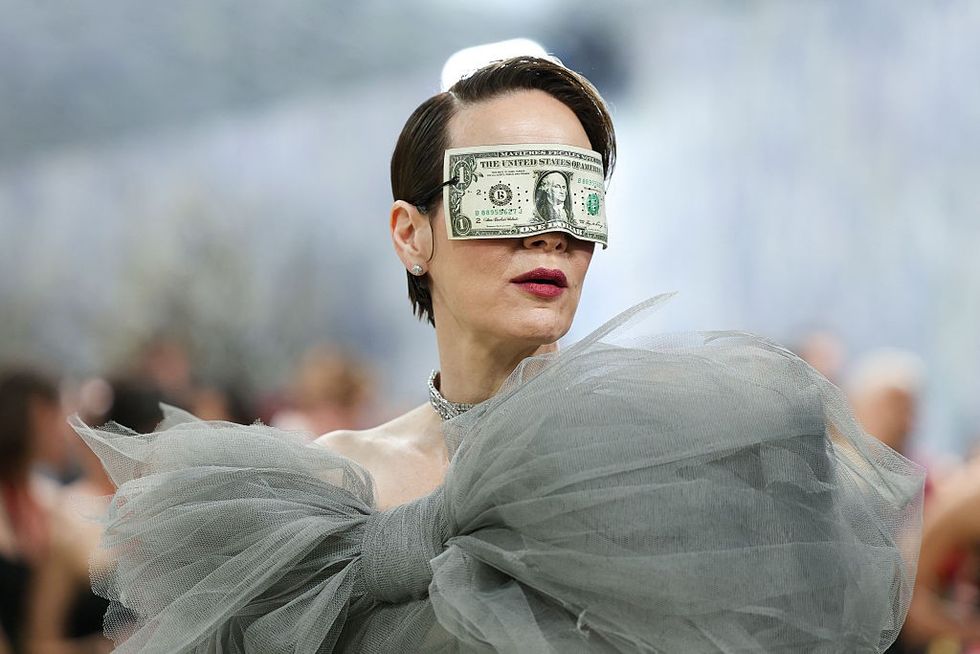 US actress Sarah Paulson arrives for the 2026 Met Gala celebrating "Costume Art" at the Metropolitan Museum of Art, in New York, on May 4, 2026Getty Images
Sarah Paulson delivered one of the most politically charged looks of the night in collaboration with avant-garde design duo Matières Fécales.
The look, titled “The One Percent,” featured a massive, sculptural ball gown in layered red and grey tulle. The silhouette was intentionally exaggerated and inflated, creating a distorted, almost overwhelming shape meant to reflect the excess and imbalance associated with extreme wealth. The gown’s scale and structure made Paulson appear engulfed by its volume.
The most provocative element was her accessory: a mask made from a one-dollar bill taped across her eyes. Functioning as a blindfold, it symbolized how money can obscure perception and detach individuals from reality. This simple but powerful detail became the focal point of the concept.
To contrast the raw political message, she styled the look with refined elements, including white opera gloves and a Boucheron Ruban Diamants choker from the Art Déco collection.
The design originated from Matières Fécales’ Fall 2026 collection, which explored the ultra-wealthy as both subject and spectacle. Worn at an event defined by extreme exclusivity, the look highlighted the contradictions at the heart of the Met Gala itself.
10. Anok Yai: The Black Madonna
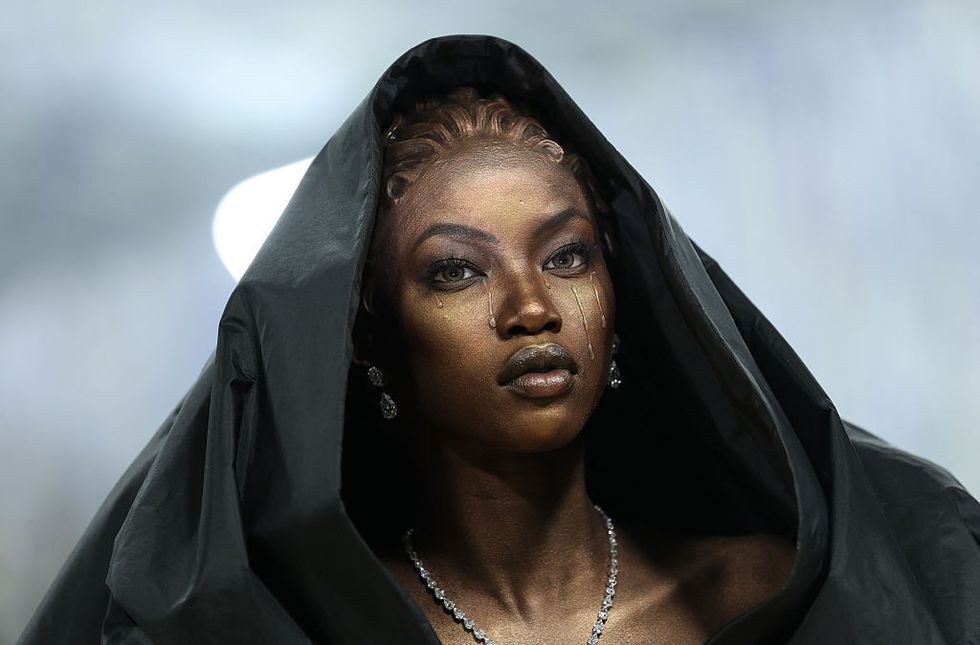 Sudanese-US model Anok Yai arrives for the 2026 Met Gala celebrating "Costume Art" at the Metropolitan Museum of Art, in New York, on May 4, 2026.Getty Images
Anok Yai delivered one of the most striking interpretations of the “Costume Art” theme in collaboration with designer Pierpaolo Piccioli for Balenciaga. The result was a transformation that turned her into a “living statue,” blurring the boundary between human presence and sculptural art.
The concept, titled “The Black Madonna,” drew inspiration from religious iconography, particularly the Black Madonna figures found in European art. The gown itself was a custom black creation with a deep off-the-shoulder neckline and a sweeping structural hood that framed her head like negative space in a carved bust. The silhouette emphasized stillness and monumentality rather than movement.
Her most dramatic feature was a metallic, 3D-printed headpiece designed to resemble cascading marble hair, reinforcing the illusion that she had been carved rather than styled. Her skin was coated in gold body paint, giving her the appearance of polished stone, while streaks of golden tears referenced religious “weeping statue” imagery seen in Sicilian and other devotional traditions.
Long black opera gloves extended the monochrome effect, merging seamlessly into the gown to preserve the statue-like form.
Yai described the vision simply, stating, “I don't want to look like a human being. I want to look like a walking statue.” The look stood out for its use of prosthetics, body paint, and sculptural construction to physically replicate the textures and symbolism of classical art.



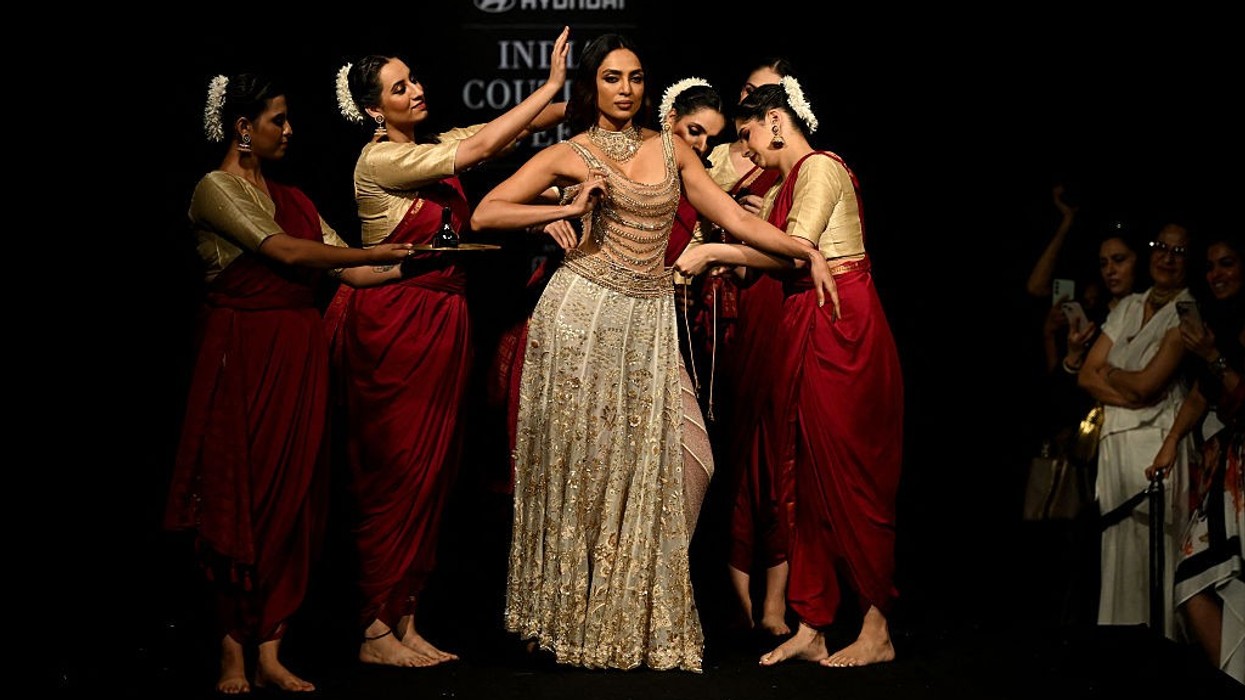
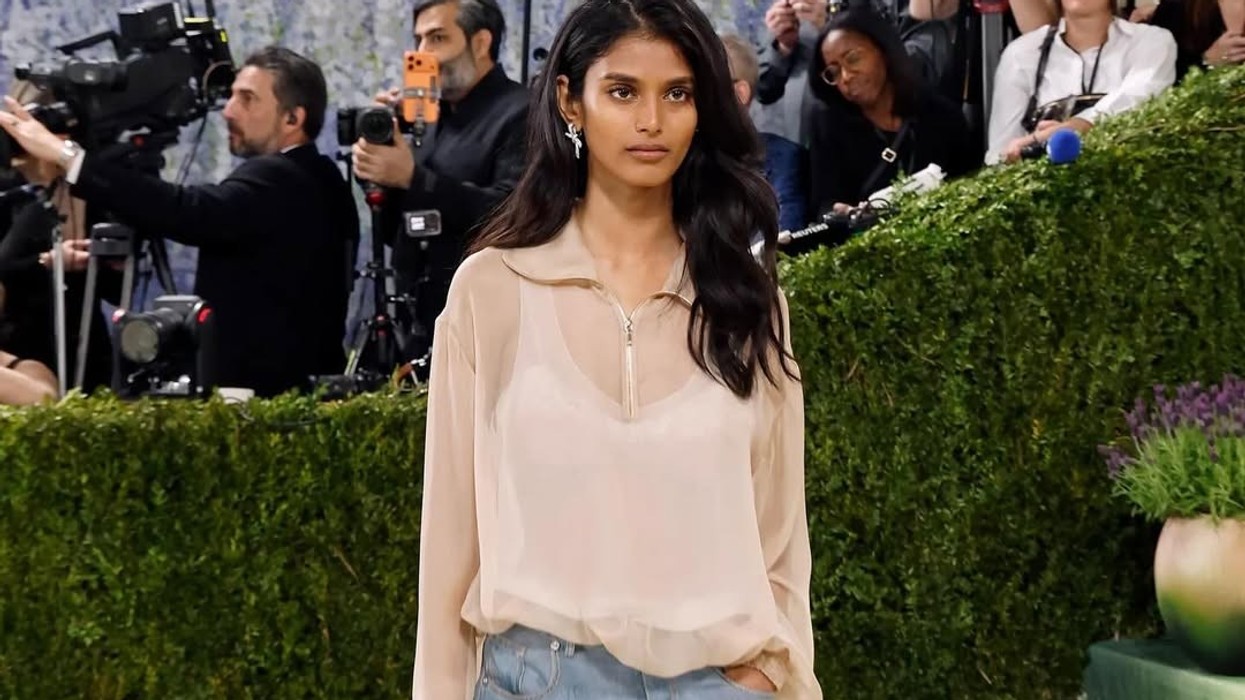
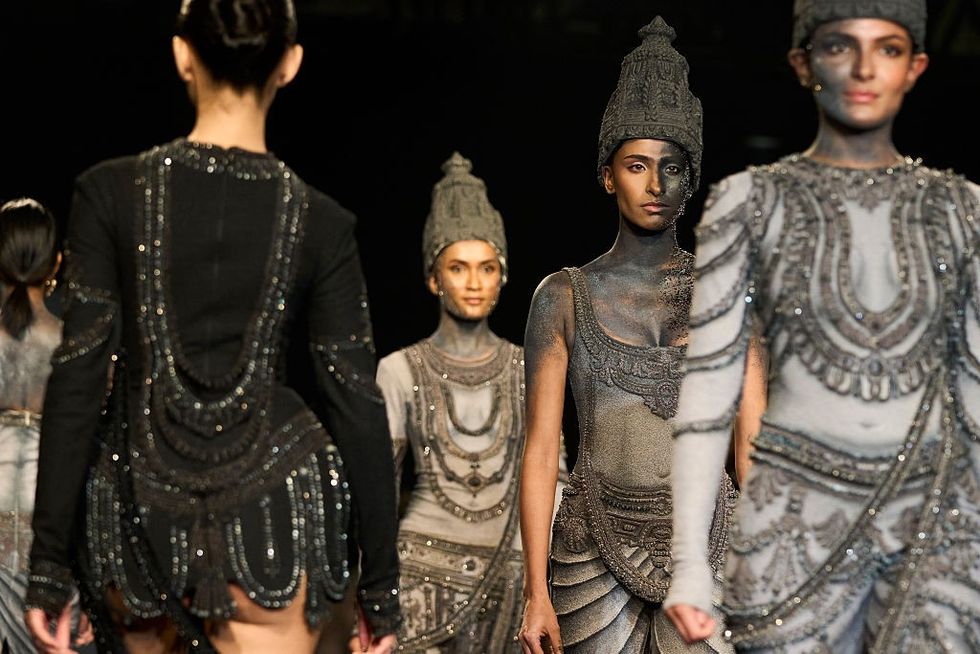 Devi: The Eternal MuseGetty Images
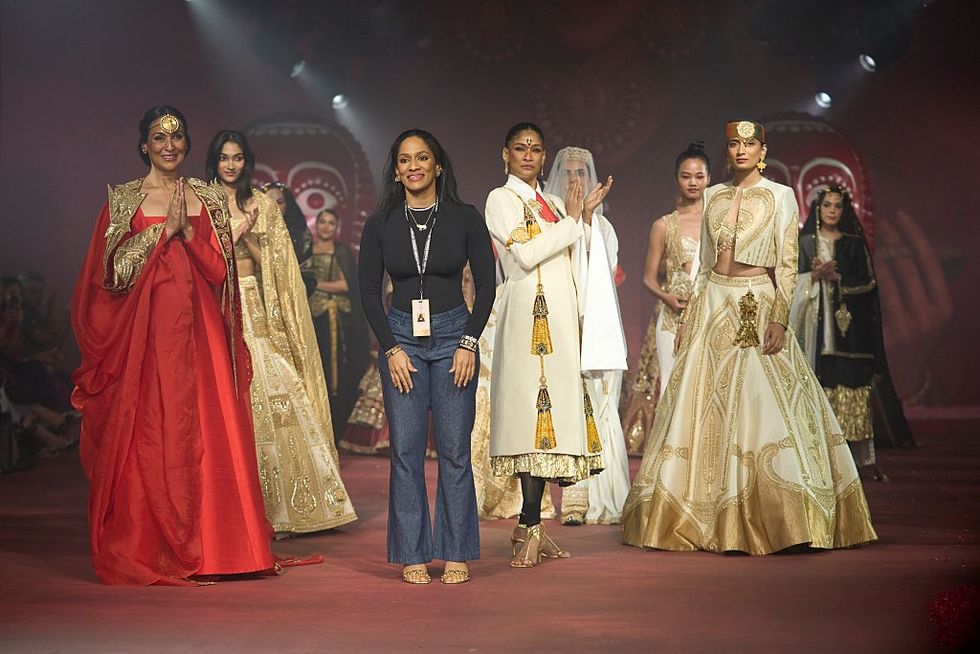 Masaba Gupta joins the models on the runway during the House of Masaba show at India Couture Week 2026 on July 25, 2026 in Delhi, India.Getty Images
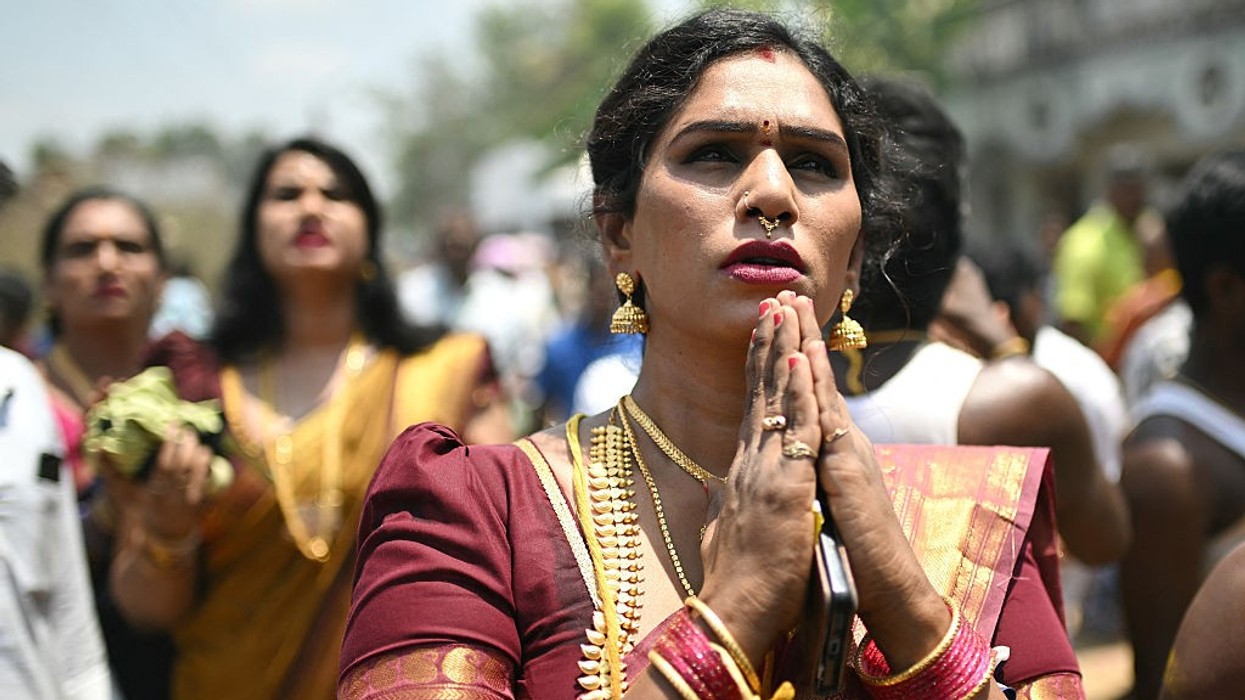
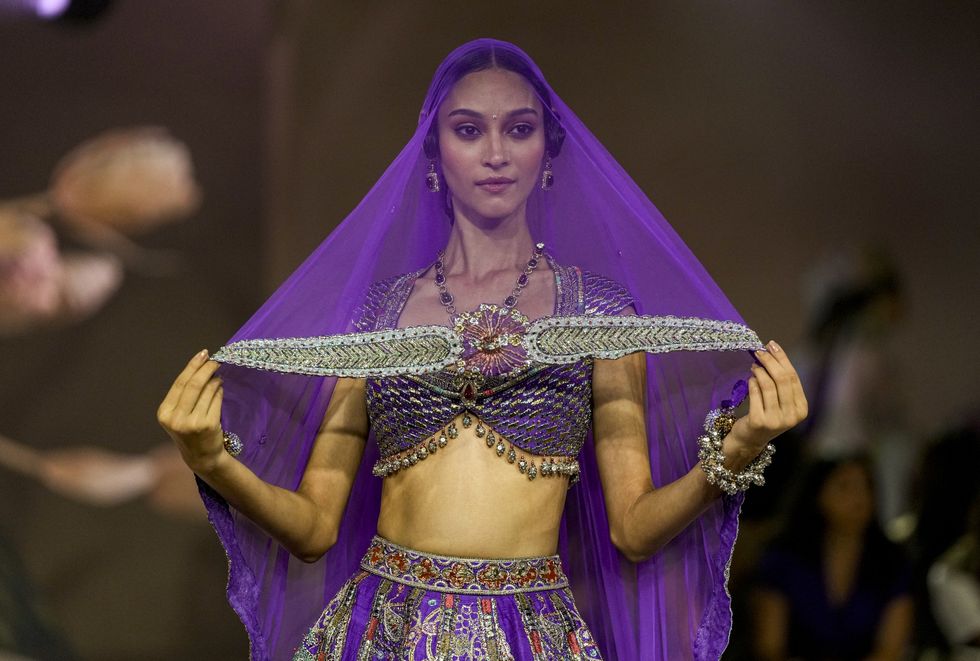 PTI
PTI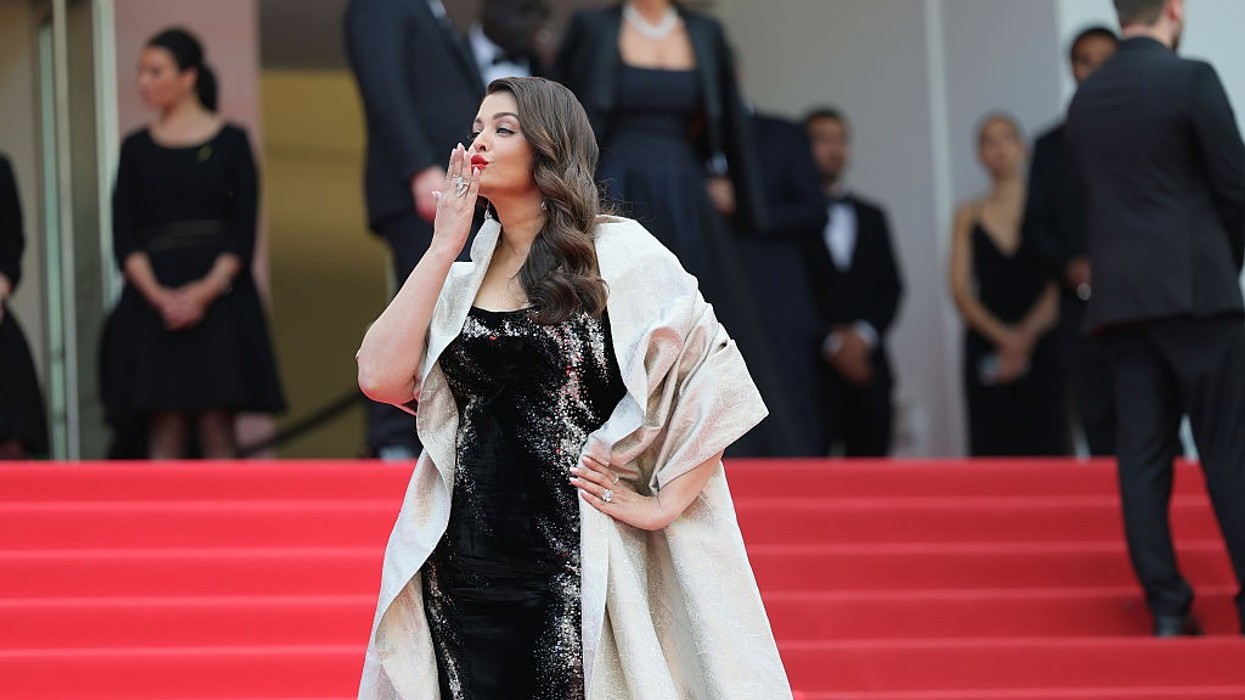


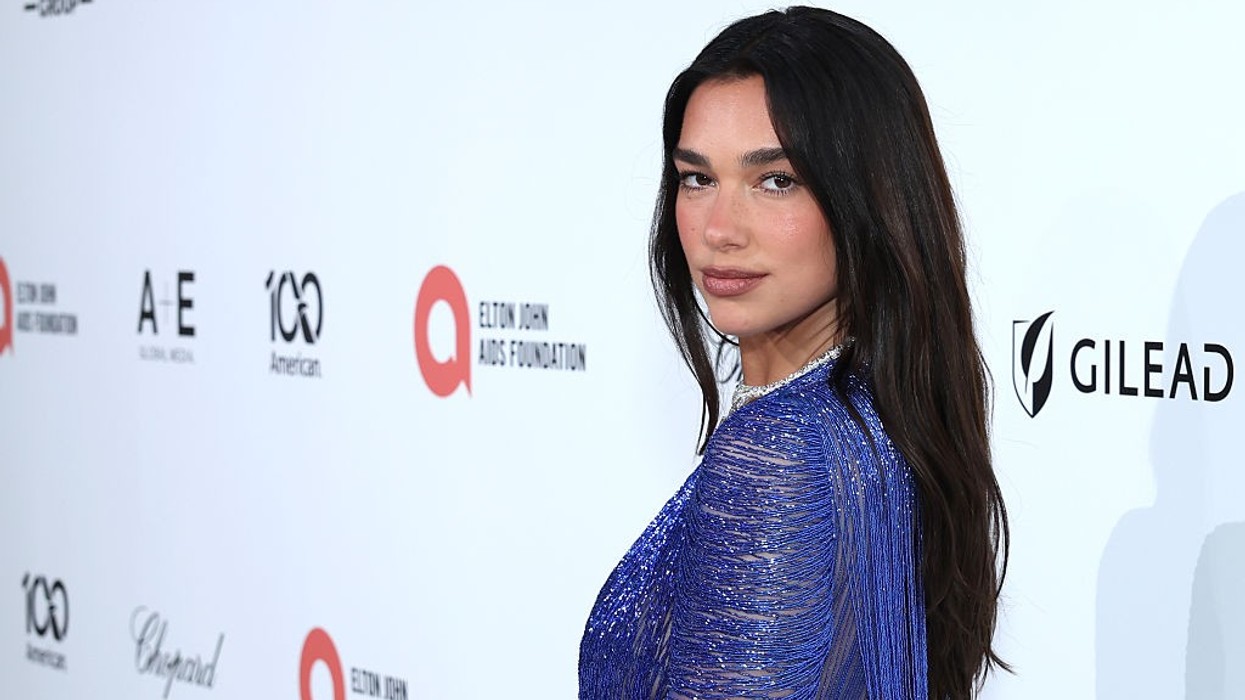

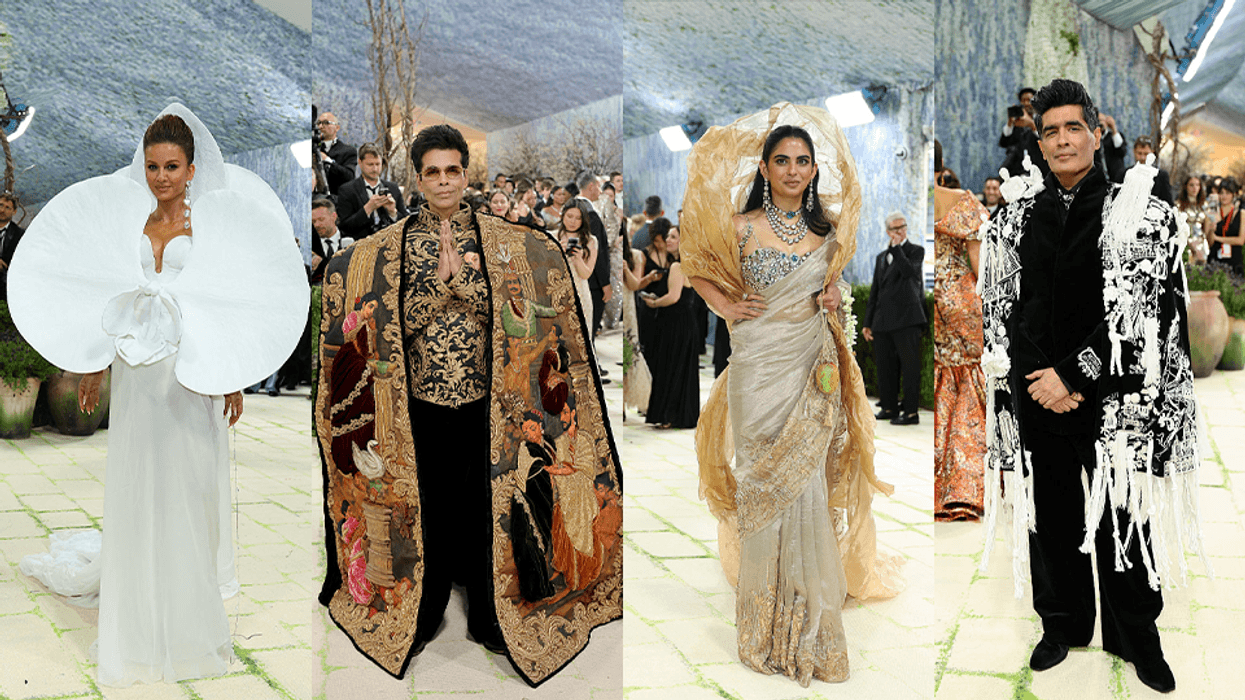
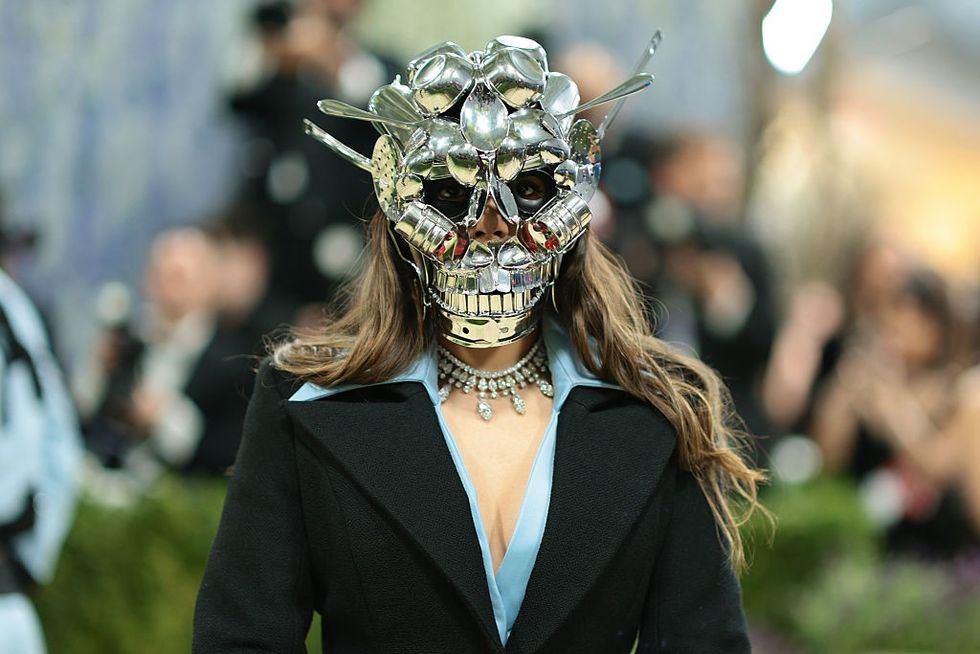 Ananya Birla attends the 2026 Met Gala celebrating "Costume Art" at the Metropolitan Museum of Art on May 04, 2026 in New York City.Getty Images
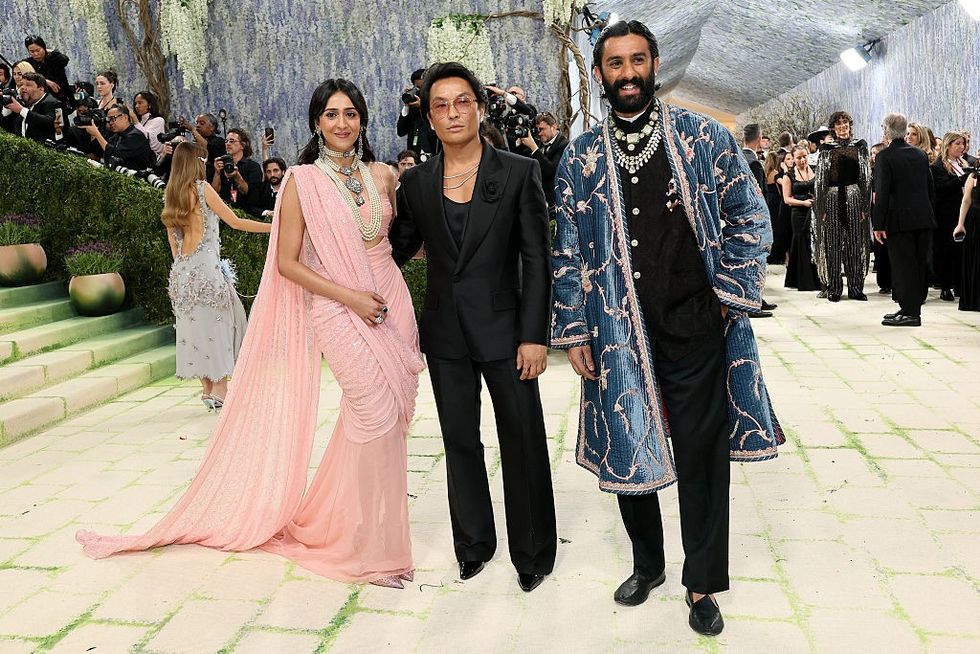 (L-R) Princess Gauravi Kumari of Jaipur, Prabal Gurung and Maharaja Sawai Padmanabh Singh attend the 2026 Met Gala celebrating "Costume Art" at the Metropolitan Museum of Art on May 04, 2026 in New York City. Getty Images
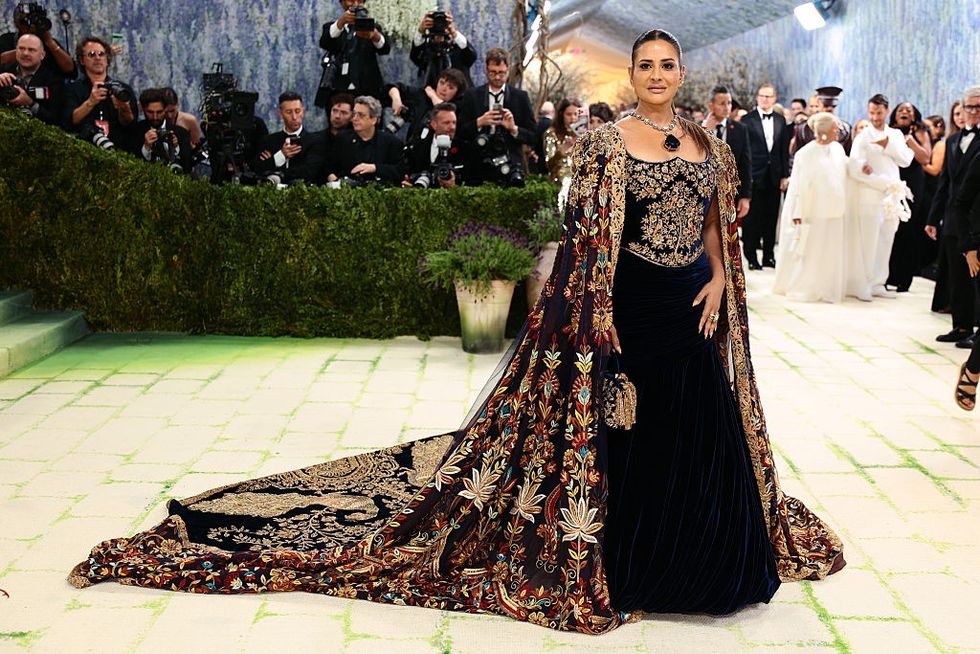 Sudha Reddy attends the 2026 Met Gala celebrating "Costume Art" at the Metropolitan Museum of Art on May 04, 2026 in New York City. Getty Images
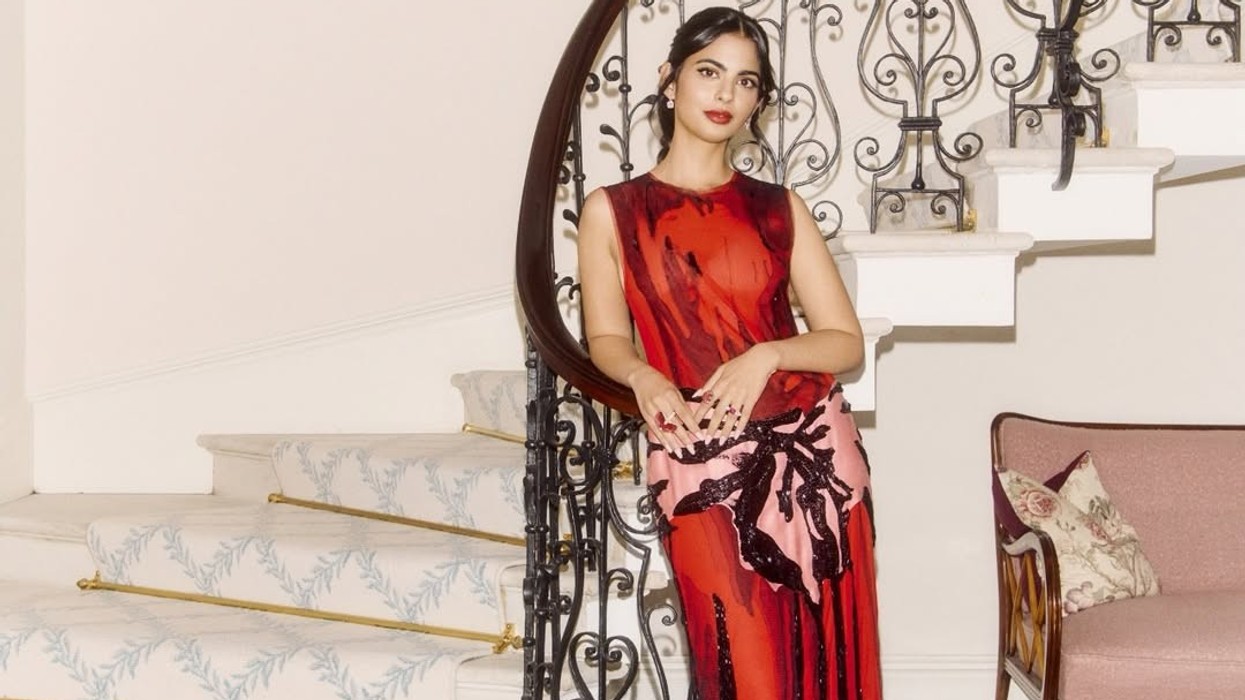
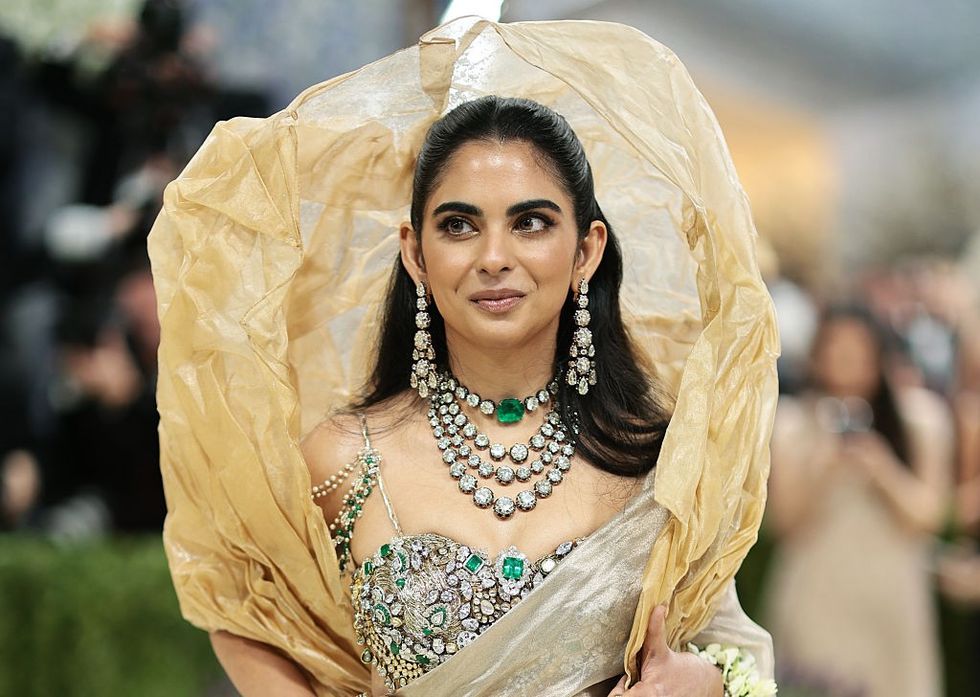 Isha M. Ambani attends the 2026 Met Gala celebrating "Costume Art" at the Metropolitan Museum of Art on May 04, 2026 in New York City. Getty Images
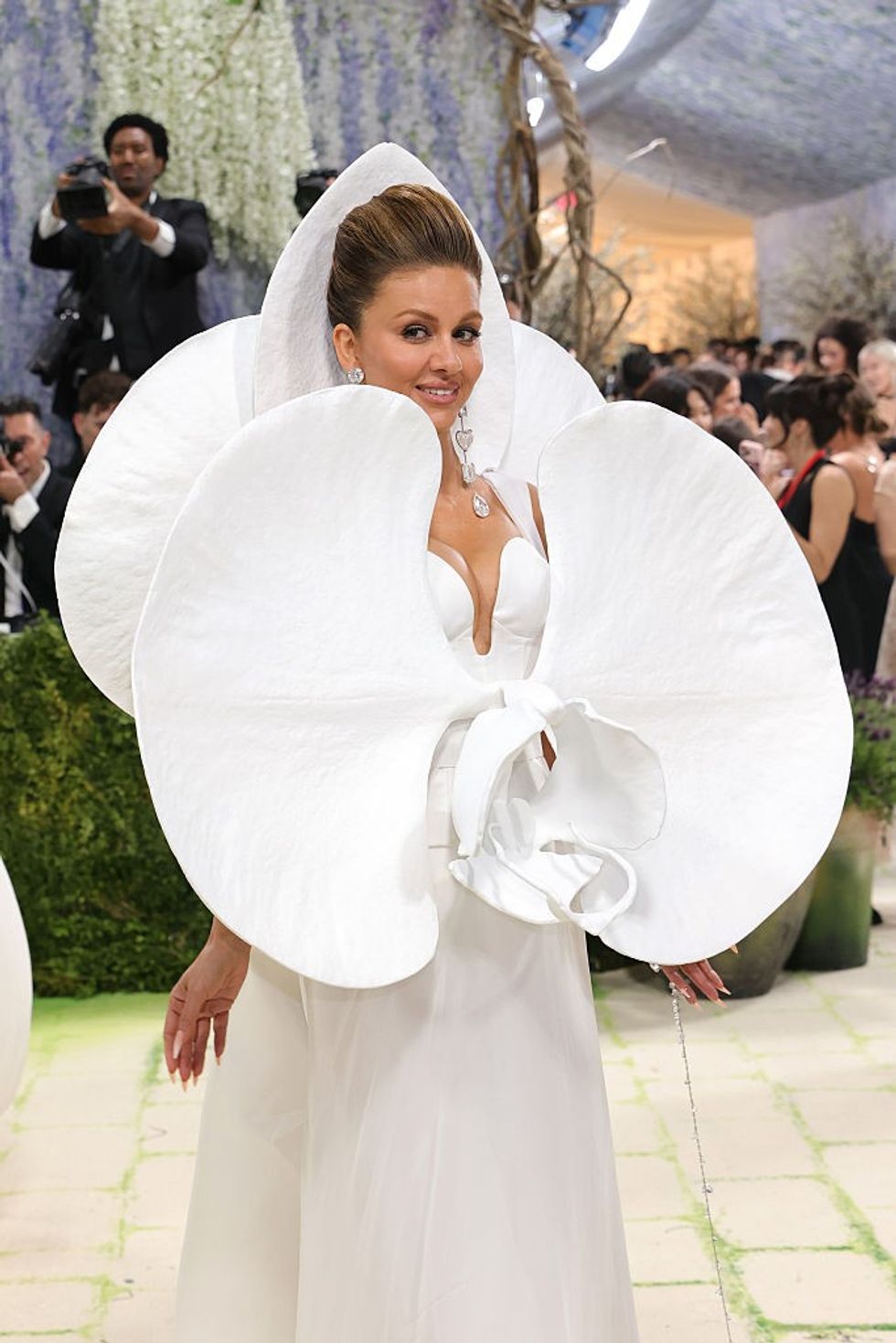 Natasha Poonawalla attends the 2026 Met Gala celebrating "Costume Art" at the Metropolitan Museum of Art on May 04, 2026 in New York City.Getty Images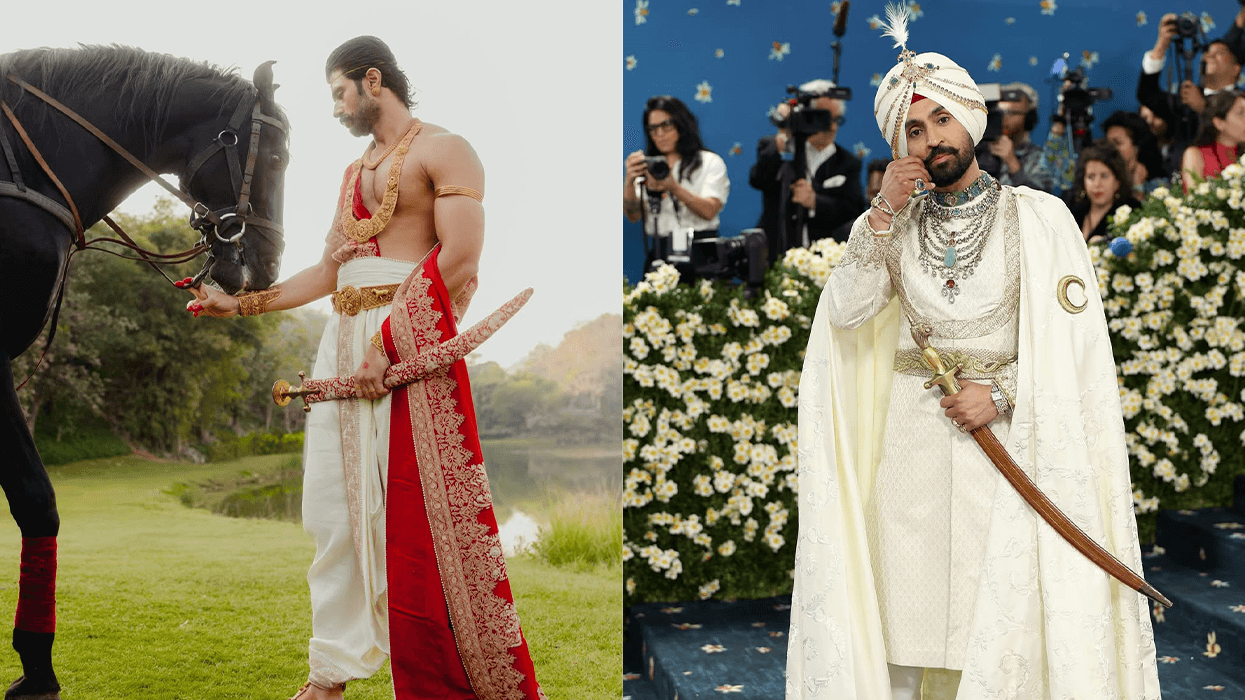
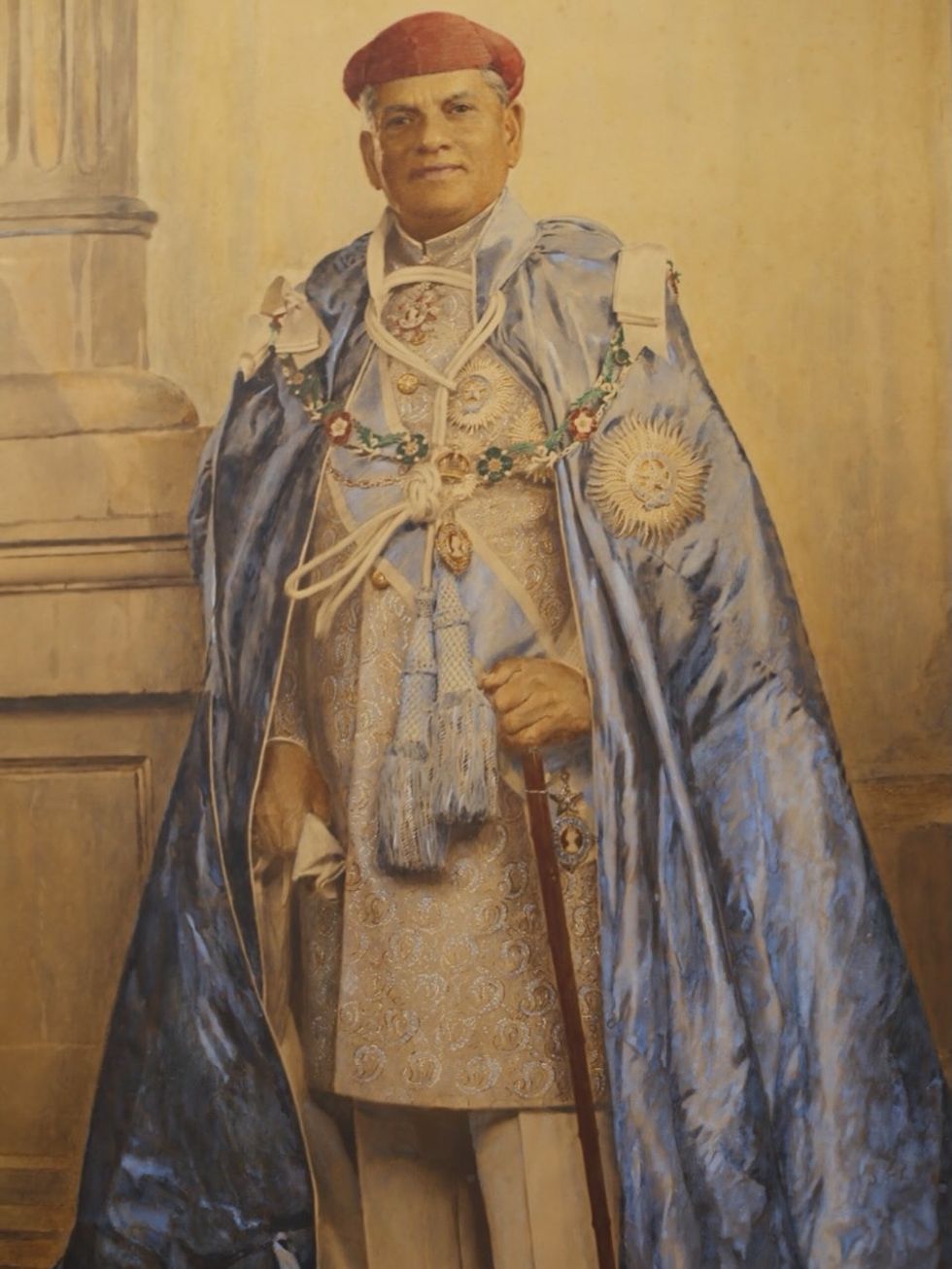 The royal ‘blue cloak’ worn by the King of BarodaInstagram/@radhikaraje
 Vijaya Deverakonda at his weddingInstagram/ @thedeverakonda
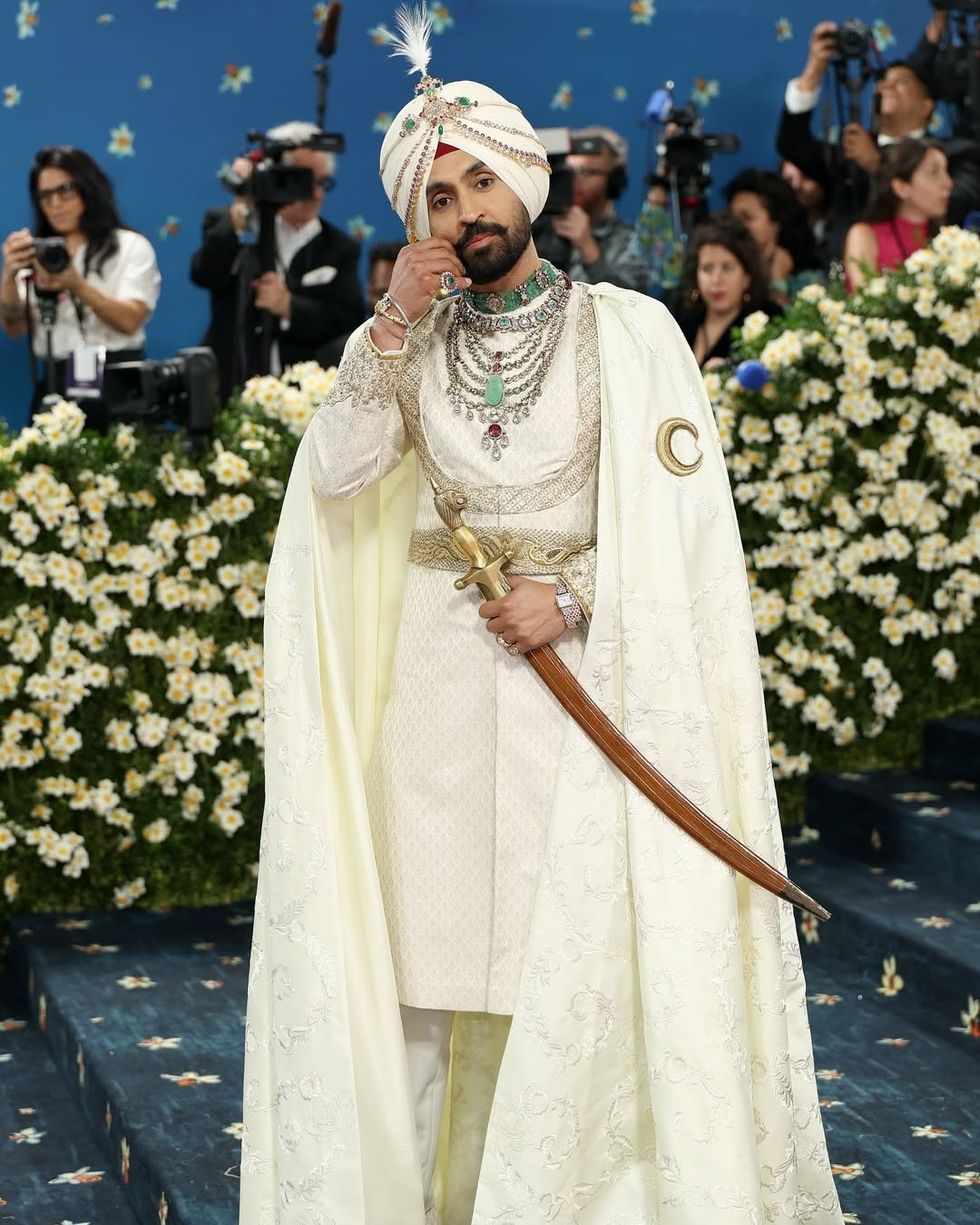 Diljit Dosanjh at Met Gala 2025Instagram/@diljitdosanjh
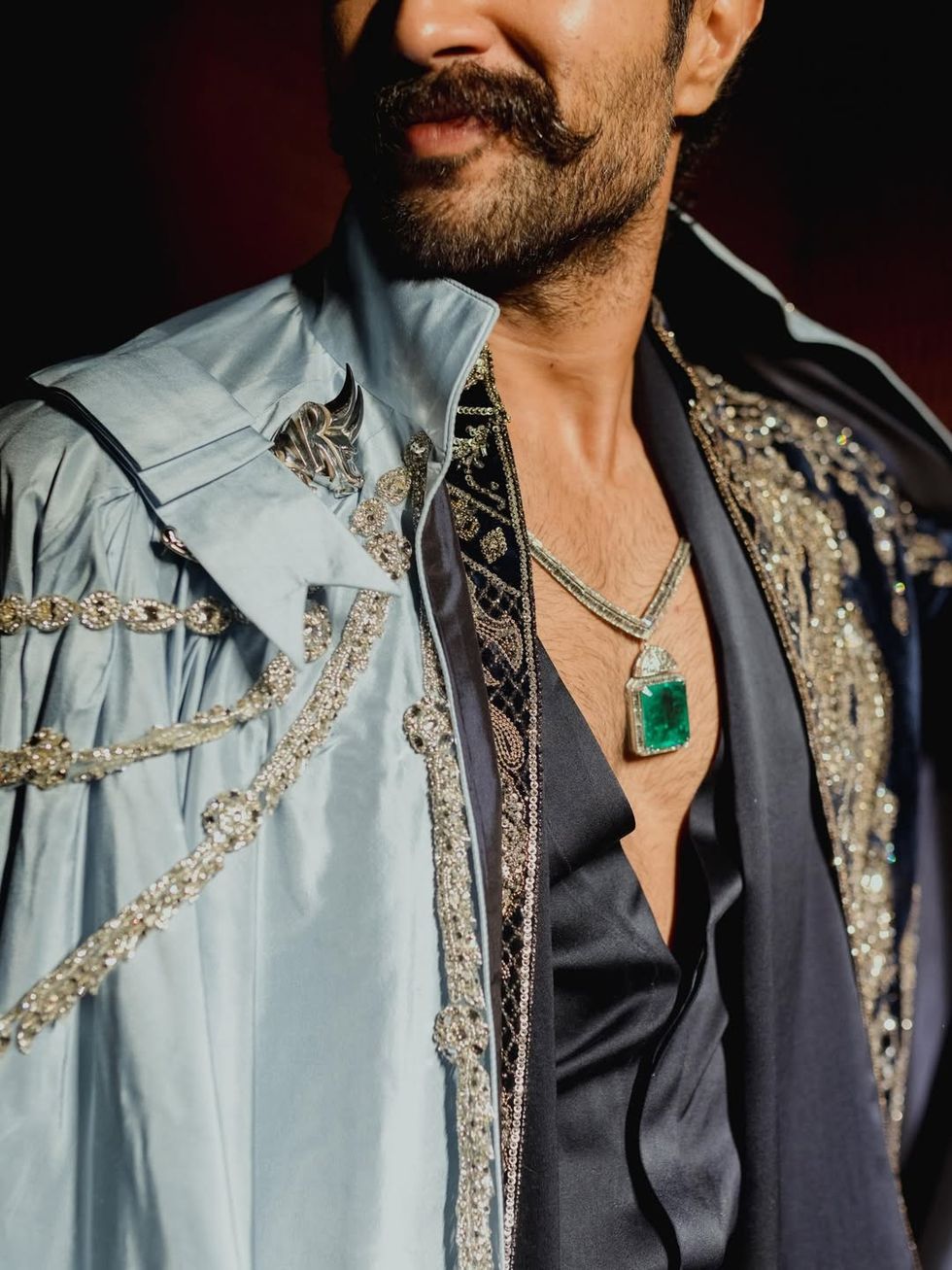 Vijay Deverakonda donning the ‘royal blue cloak.’ Instagram/ @thedeverakonda