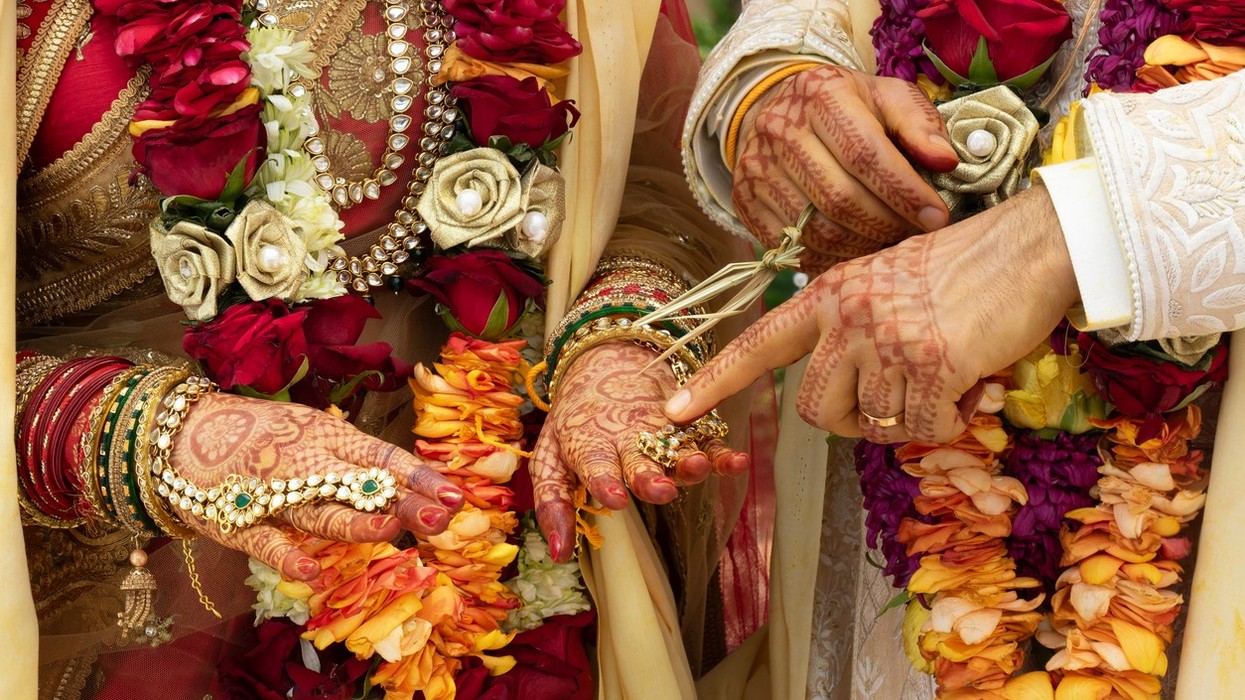

Highlights:
- Young couples are choosing meaningful weddings over expensive displays.
- Many brides are replacing gold with artificial or rented jewellery.
- Financial pressure and rising gold prices are major reasons behind the shift.
- Couples are openly questioning traditions linked to dowry and status.
- The trend is still small but growing steadily across urban India.
For generations, gold has been one of the biggest symbols of Indian weddings. It represented tradition, wealth, family status, emotional security, and social approval. In many families, especially in South India, weddings were closely linked with heavy gold jewellery for the bride.
But that idea is slowly changing.
Today, many young couples are choosing weddings with little or no gold jewellery. Some are wearing artificial jewellery, rented sets, or minimal ornaments. Others are choosing to skip gold almost completely, except for symbolic items like the mangalsutra.
This shift is not only about fashion or minimalism. It is also connected to financial pressure, changing social values, women’s independence, and the growing belief that marriages should not begin with debt or social expectations.
The trend comes at a time when gold prices continue to rise sharply. Even though celebrity weddings continue to showcase grand displays of jewellery, many ordinary couples are moving in the opposite direction.
Choosing meaning over tradition
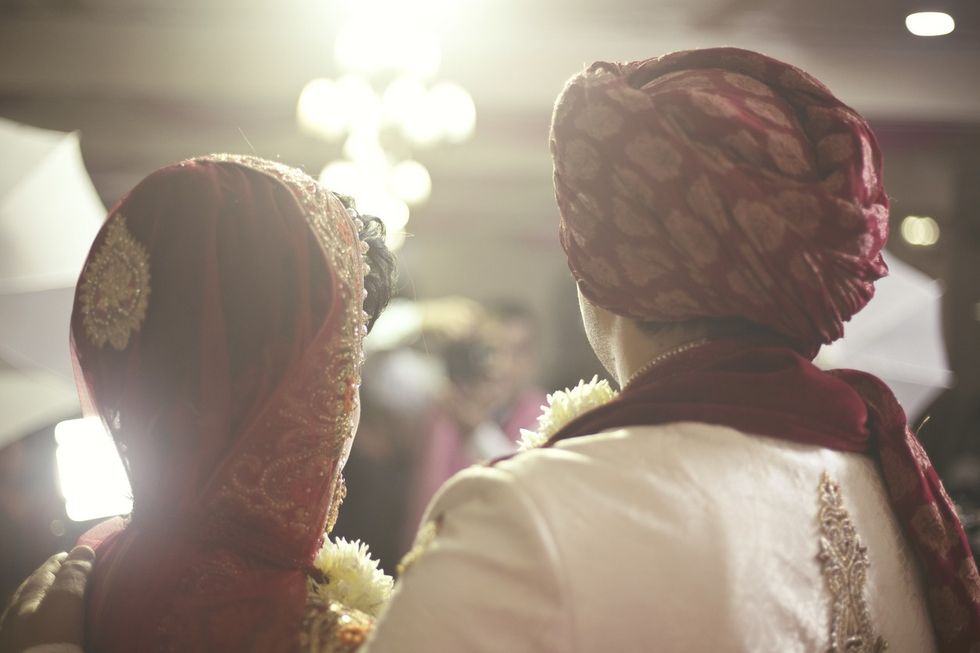 Many traditions which involved bride's parents to serve the groom and family are generally not followed, as both families are treated equal.iStock
For many brides, the decision to avoid gold comes from personal values and financial awareness. Indian Express quoted Dr Sreekutty Sunilkumar, a 30-year-old dental surgeon from Kochi, who got married in January 2023. She explained that her decision came after understanding the social problems connected with dowry and wedding gold.
“I didn’t want to be part of a system that indirectly supports that. So I made a conscious and strict decision to completely avoid gold in my wedding. Gold has traditionally been a big part of weddings, but I felt it often brings unnecessary financial pressure. I preferred to focus more on the meaning of the ceremony and the experience rather than the material aspects,” she said. Her family was initially worried about society’s reaction. According to the Indian Express, Dr Sreekutty said many parents still connect gold with emotion, status, and security.
“They worried about what people would say. But after open conversations and explaining the reasoning, they became more supportive. Eventually, they understood that the wedding reflected our choices and comfort, not societal expectations,” she recalled.
Instead of gold, she wore an American diamond jewellery set bought in Chennai for around Rs 2,500. “It gave the same elegant, bridal look without the heavy cost or pressure associated with gold,” she said. For Basima Shana, a 29-year-old teacher from Kozhikode who married in 2021, the decision felt natural because she had never liked wearing heavy jewellery.
Indian Express quoted her saying, “I’ve never been someone who enjoys wearing a lot of jewellery, especially gold, even from a young age. So the idea of being adorned in heavy gold ornaments, or treating gold as an essential part of marriage, never really felt right to me.”
Some relatives wanted her to reconsider because they believed gold was an important part of tradition. But she stayed firm in her decision.
“Even my father wasn’t very fond of the custom of heavily adorning the bride with gold just for display,” said Basima. She finally chose a rented necklace and an earring set that cost around Rs 1,000. She paired it with simple bangles and a watch.
Her husband, Muhammad Shafeeq, fully supported the idea.
“In fact, only later did we realise the economic perspective of it, when gold prices started skyrocketing. At the time of the wedding, it was just another decision like how we decided on our dresses, event management, etc.,” he said, according to the Indian Express.
Rising costs and financial pressure
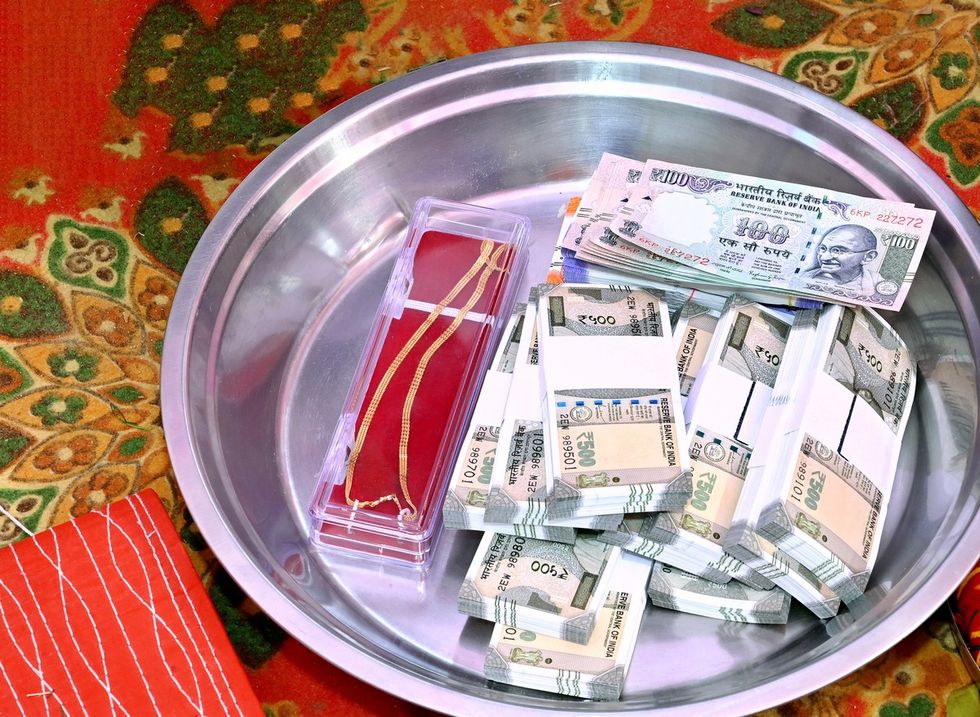 The fluctuating prices of gold have resulted in less and optimum purchase, just for the sake of following the tradition.iStock
For several couples, avoiding gold is also a practical financial decision. Indian Express quoted Gouri S Nair, a 30-year-old banking professional from Kerala, who married in May 2025. Coming from a modest family with two sisters, she did not want her wedding to create financial stress for her parents.
“I come from a modest family and have two sisters. From a young age, I’ve been aware of how hard my parents worked and how every penny went into our education. They’ve truly done their part, and I didn’t want my marriage to become a financial burden for them. So, I decided not to place that responsibility on my family. My husband and I made this decision together,” she said.
She also pointed to the rising cost of gold and the dangers of taking loans for wedding jewellery.
“With the continuously rising price of gold, she felt it did not make sense to put myself in debt without considering my financial situation. Gold is an investment only when it’s purchased wisely, not when it’s bought through personal loans. The EMIs would affect my future, and I don’t want that financial burden to impact our life together,” she said.
Gouri chose to keep only the mangalsutra in gold because she believed it had practical value for daily wear. “Beyond that, I don’t believe gold is a must for a wedding or for married life. If someone has the financial stability, they can choose to invest in gold, but it shouldn’t be tied to marriage or set as a standard, like needing a certain amount just to conduct a wedding,” she said.
For many couples, the idea is simple: weddings should not force families into debt. Indian Express also quoted Dubai-based IT professional Sruthi Ramprakash, who married in April this year.
“I didn’t want to exhaust my father’s life savings or retirement benefits solely for a one-day event,” she said. She chose only a very simple gold mangalsutra because she planned to wear it every day.
“Since it was a functional piece that would see constant use rather than a heavy decorative item for a single day, I felt it was a worthwhile investment. It was small, meaningful, and cost very little compared to traditional bridal sets,” she said.
Breaking social expectations
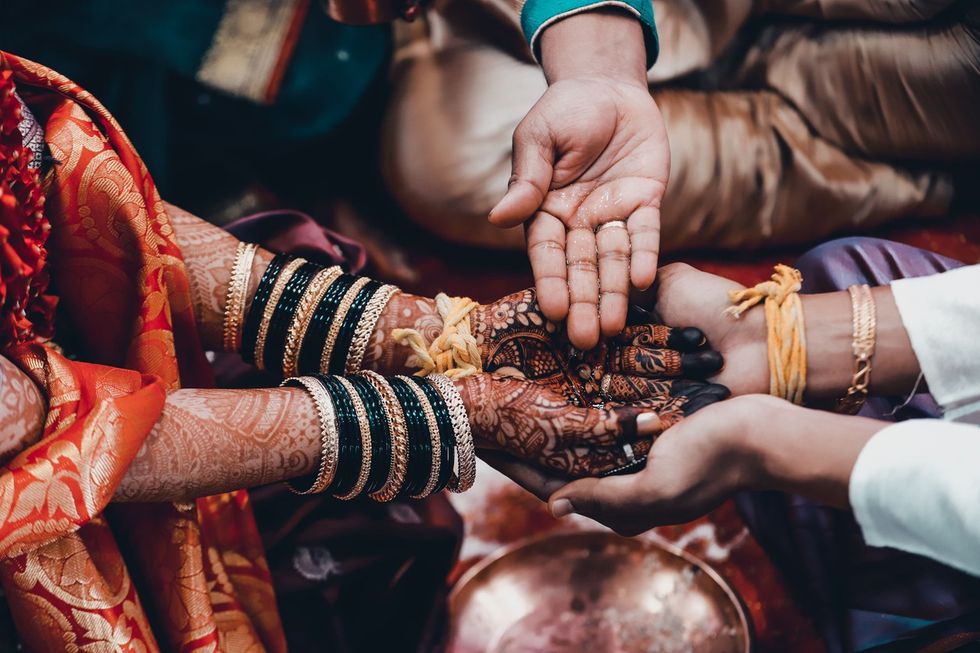 Women are choosing reverse Kanyadan, rather than giving away the bride, groom's father are also performing Kanyadan.iStock
One of the biggest challenges couples face while planning no-gold weddings is social pressure. Many families worry about relatives, community reactions, and the question: “What will people say?”
Indian Express quoted Sharika Rayaroth, who married in January 2022. She and her husband clearly informed both families that they did not want to buy gold jewellery for display. “Initially, they were hesitant, worried about what people might say. However, Sidharth and I stood firm in our decision. He spoke to his family about it, and their response was very supportive. My in-laws said it was entirely my choice and that they had no right to comment on my jewellery, which I truly appreciated,” she recalled.
Instead of gold, Sharika wore zirconium fashion jewellery purchased from Kushal’s Fashion Jewellery for around Rs 28,000.
“We did include a gold mangalsutra (taali), as it held sentimental value for my mother. However, we kept it minimal,” she said.
Sharika also questioned the deeper meaning behind displaying gold at weddings.
“There is no need to showcase wealth through gold, especially on a wedding day. Often, it is justified as a form of savings, but realistically, people don’t display their savings publicly in this way, except maybe during a wedding,” she reflected. She also spoke about the social message attached to bridal gold.
“To me, this practice sends an underlying message that a woman’s worth is tied to how much gold she wears, rather than who she is as an individual. That is something I strongly disagree with,” she said. Many couples now believe that weddings should reflect personal comfort rather than social approval.
Indian Express reported that Basima also hoped her decision would reduce pressure on families struggling to arrange gold for marriages. “I felt that if more people moved away from this expectation, it could reduce the pressure on families who find it difficult to arrange gold for weddings. If it becomes more accepted, it could make weddings simpler and more meaningful,” she said.
At the same time, she acknowledged that not everyone can make such choices easily.
“Not everyone has the space or support to make such a choice, even if they may want to. That’s something I remain mindful of, and I hope that as perspectives slowly shift, more people will feel free to choose what feels right for them,” she said.
A small shift that reflects bigger change
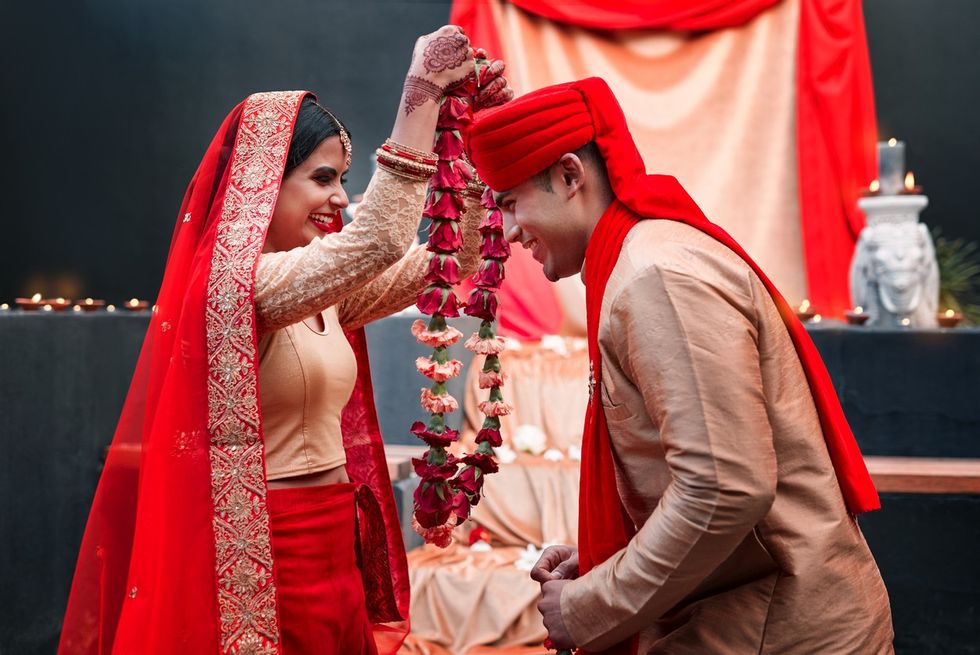 Instead of buying jewelry, Indian couples are choosing to rent it, so that the money can be invested somewhere else.iStock
Experts believe this trend is still small, but it reflects larger social and financial changes happening across India. In an interview, a psychotherapist and healer, Dr Chandni Tugnait, explained that younger couples are separating meaningful traditions from social display. “For many of these couples, the decision is partly financial and partly philosophical. Gold-heavy weddings have long been associated with display, a performance of family prosperity directed as much at guests as at the couple themselves,” she said.
She added that younger people are questioning whether such a display is necessary.
“Younger couples, increasingly bearing the cost of their own weddings or pushing back against family-driven excess, are separating what is personally meaningful from what is socially expected. Gold, in many cases, falls into the latter category,” she reflected.
Dr Tugnait also explained that gold once served as financial security for women.
“For previous generations, gold given at weddings was a woman’s financial safety net, a portable, liquid asset she could access independently. That logic, while not irrelevant, carries less weight for women who are financially independent and less likely to view marriage as an economic arrangement requiring a backup,” she said.
Financial expert Hardeep Singh Virdi told Indian Express that this trend is not limited to South India, even though it appears more visible there because traditional South Indian bridal looks are strongly linked with heavy gold jewellery.
“It’s not a South Indian trend. It’s a broader mindset change. South India is just one place where the contrast is more noticeable,” he said.
He believes couples are increasingly choosing simpler and more personalised weddings.
“We are slowly seeing a new wave of weddings where couples are choosing meaning over material. While gold has always symbolised security, tradition and status in Indian weddings, the younger generation is beginning to question ‘how much is enough’ and surely not at the cost of peace or burden,” he said.
According to him, gold itself is not disappearing but being redefined. “The real trend is ‘no gold, no pressure’,” Virdi asserted.
He also pointed out that younger investors are increasingly choosing digital gold, ETFs, and mutual funds instead of heavy jewellery purchases.
Even experts agree that gold remains emotionally and culturally important in Indian weddings. But the growing acceptance of weddings without heavy jewellery shows that social expectations are changing.
As the Indian Express quoted Dr Tugnait saying, “Gold is not disappearing from Indian weddings. For much of the country, it remains deeply embedded in both ritual and practicality. But the fact that its absence is now a considered choice rather than a financial constraint says something real about where the conversation around weddings, and the expectations layered into them, is beginning to move.”

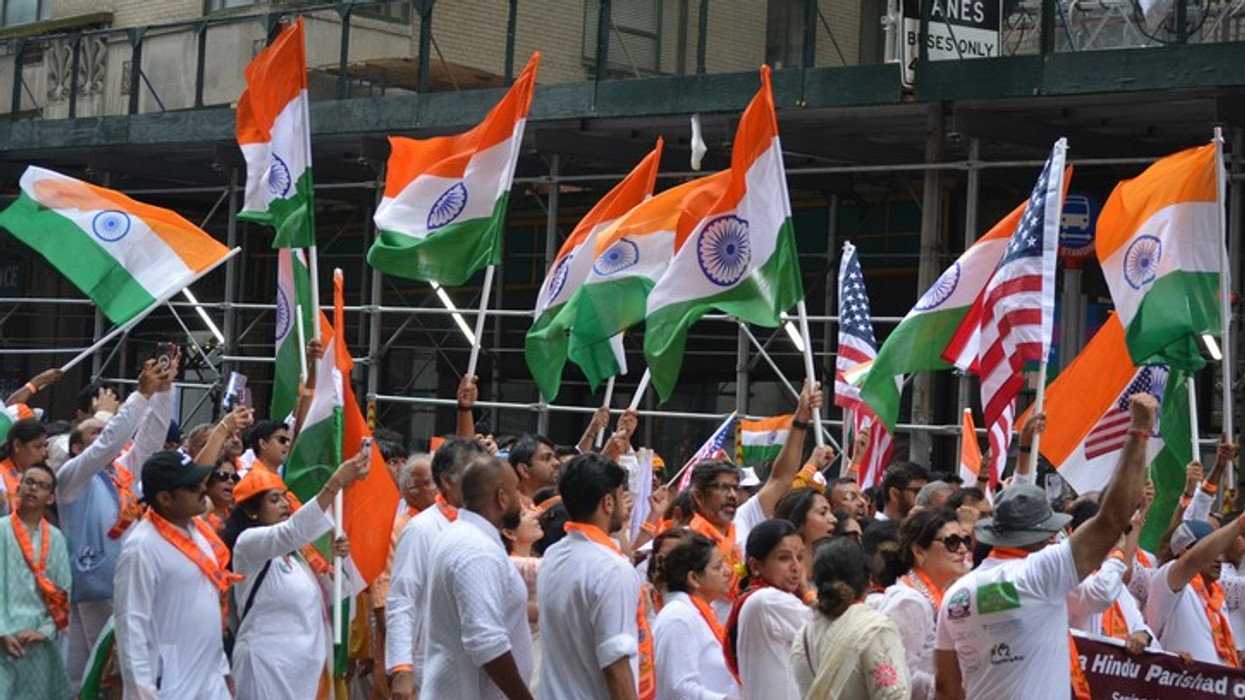


 BAPS charities walk-run draws thousandsbaps.app.box.com




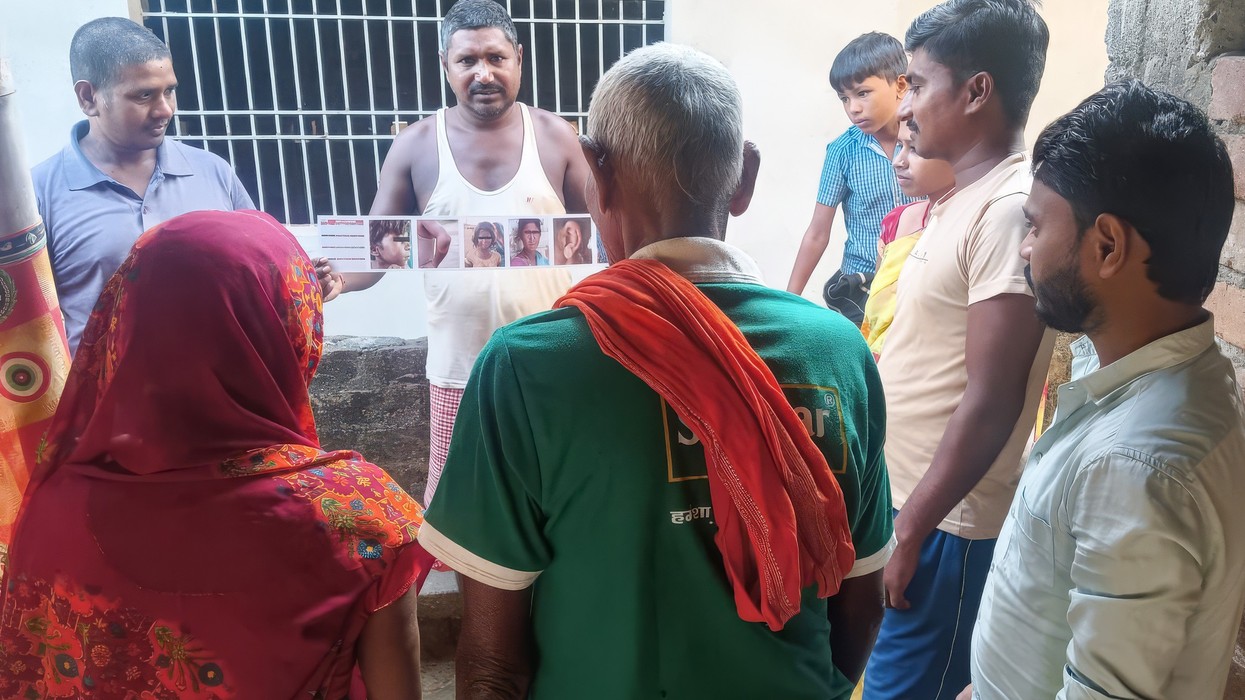
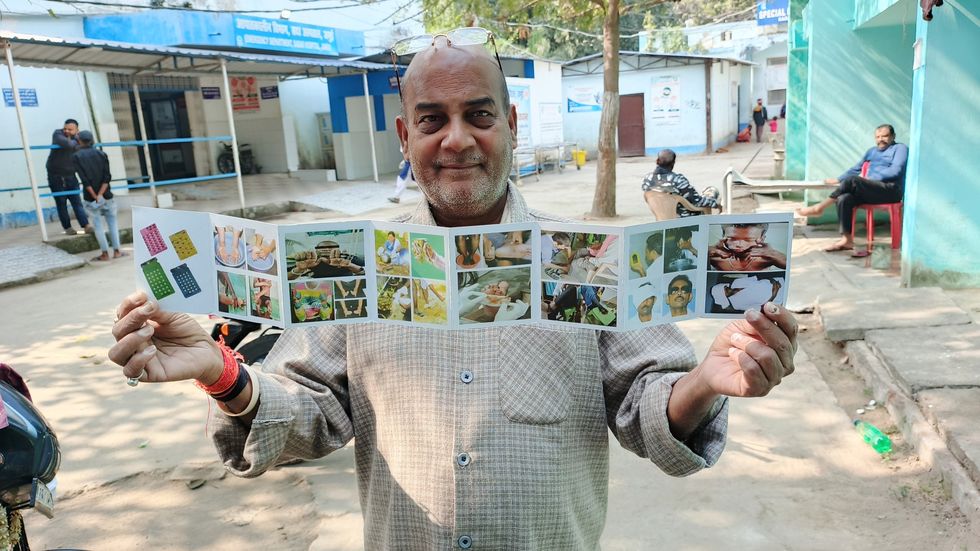 Lepra Society’s State Coordinator, Rajni Kant Singh holds a health card showing leprosy symptomsLepra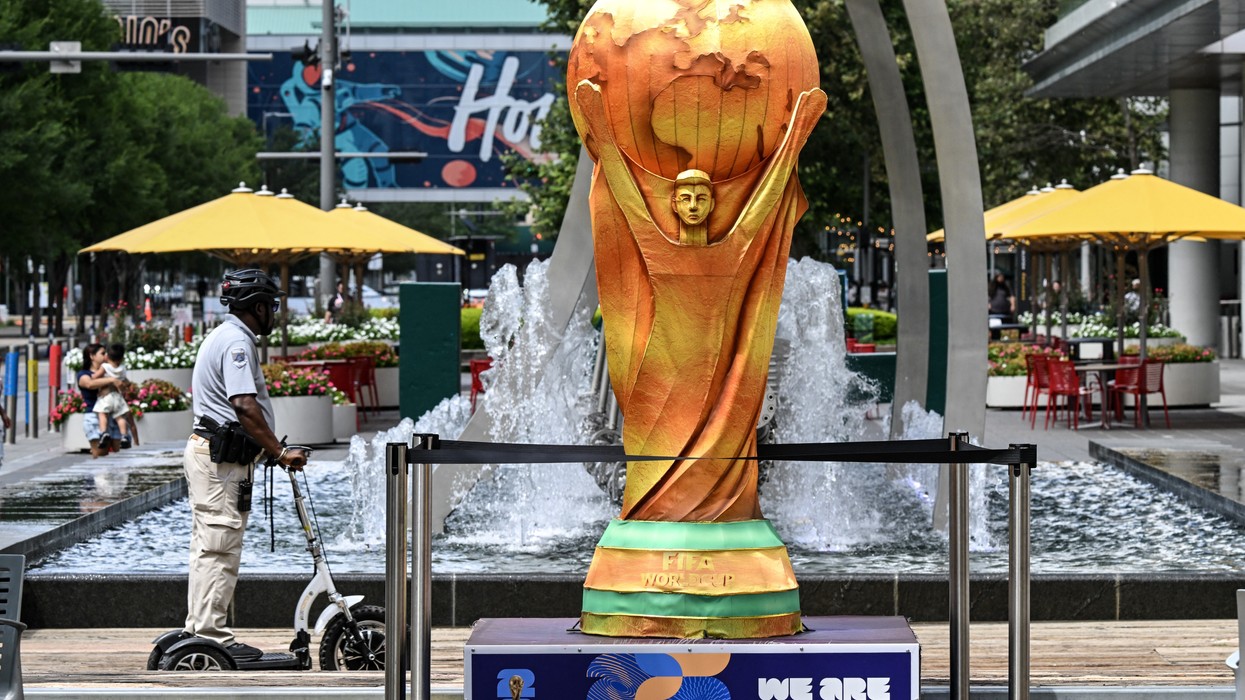
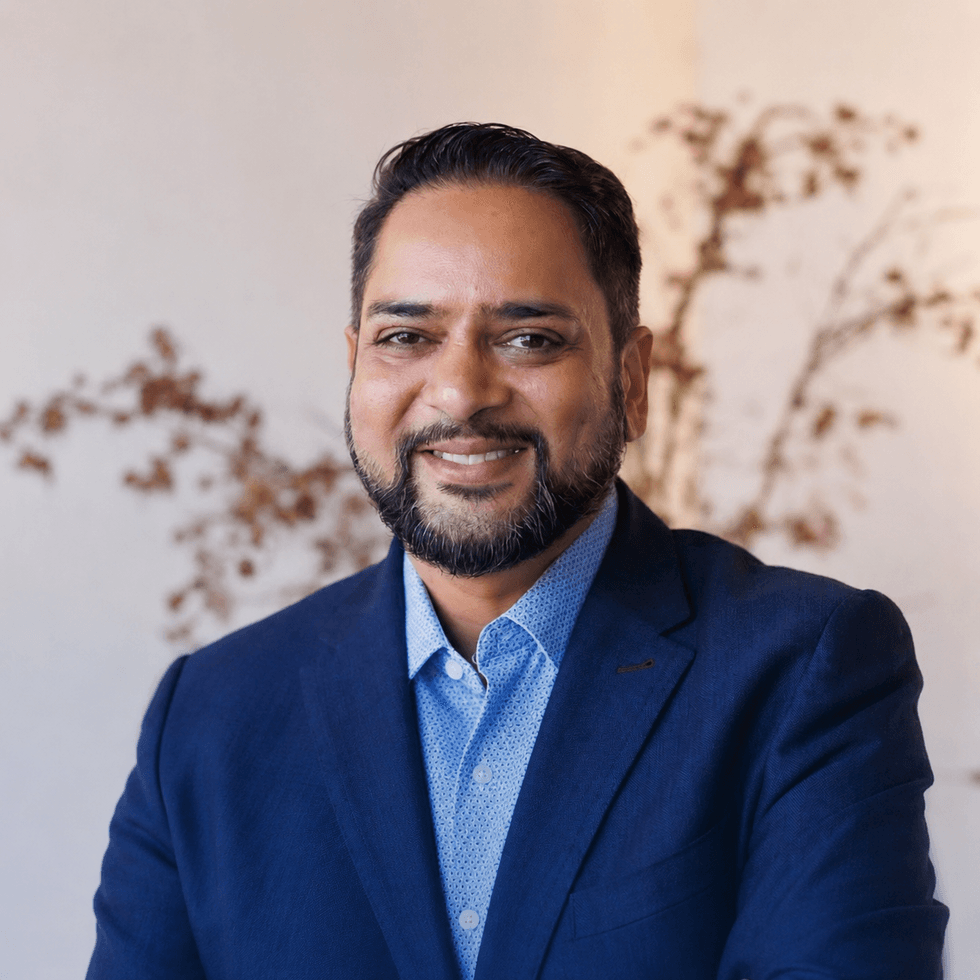 Nilesh Patel.
 Bhavik Patel.
 Sunil Tolani.
 The World Cup is expected to bring millions of visitors to North America over the next five weeksGetty Images
 Mina Dahya.
 Kalibri said New York and San Francisco are outperforming smaller host markets..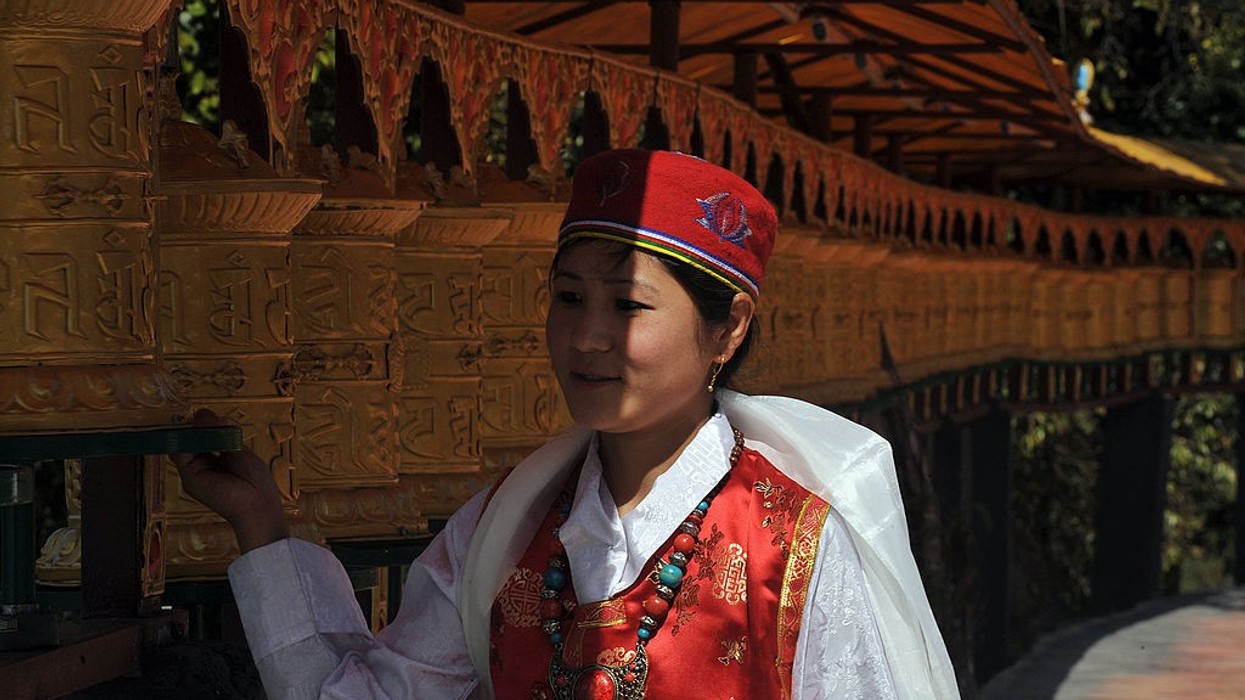
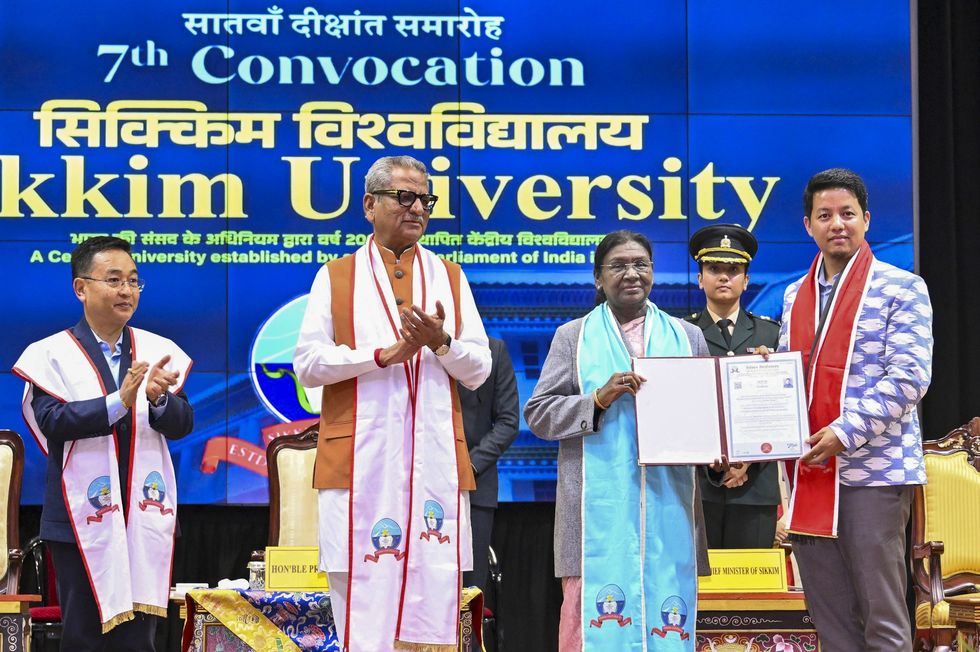 In this image received on May 27, 2026, President Droupadi Murmu during the seventh convocation ceremony of Sikkim University, in Gangtok, Sikkim. Sikkim Chief Minister Prem Singh Tamang is also seen.PTI
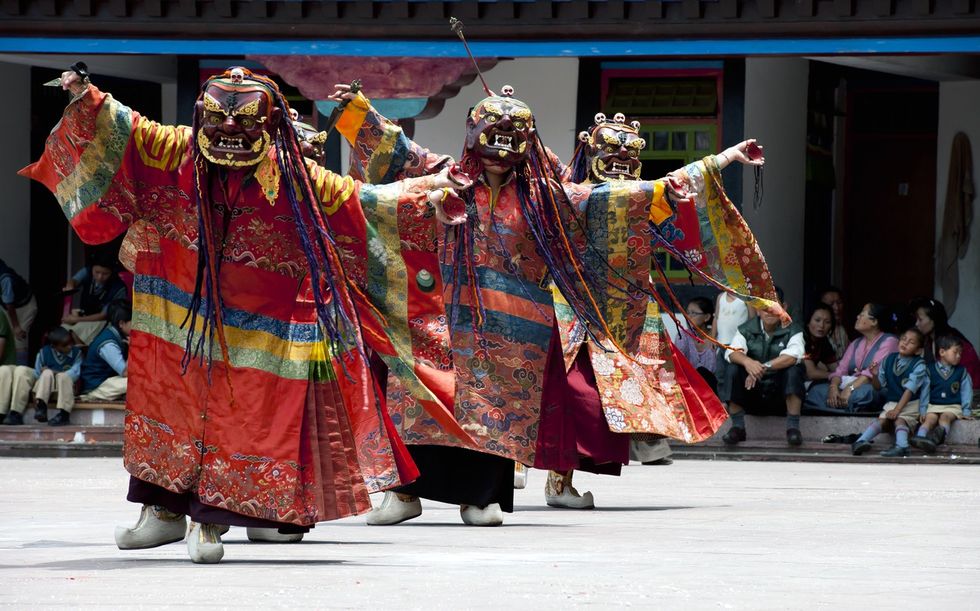 Tibetan Buddhist monks with traditional masks during annual religious ceremony in Rumtek Monastery (Kagyu order) near Gangtok, people watching; North East India.iStock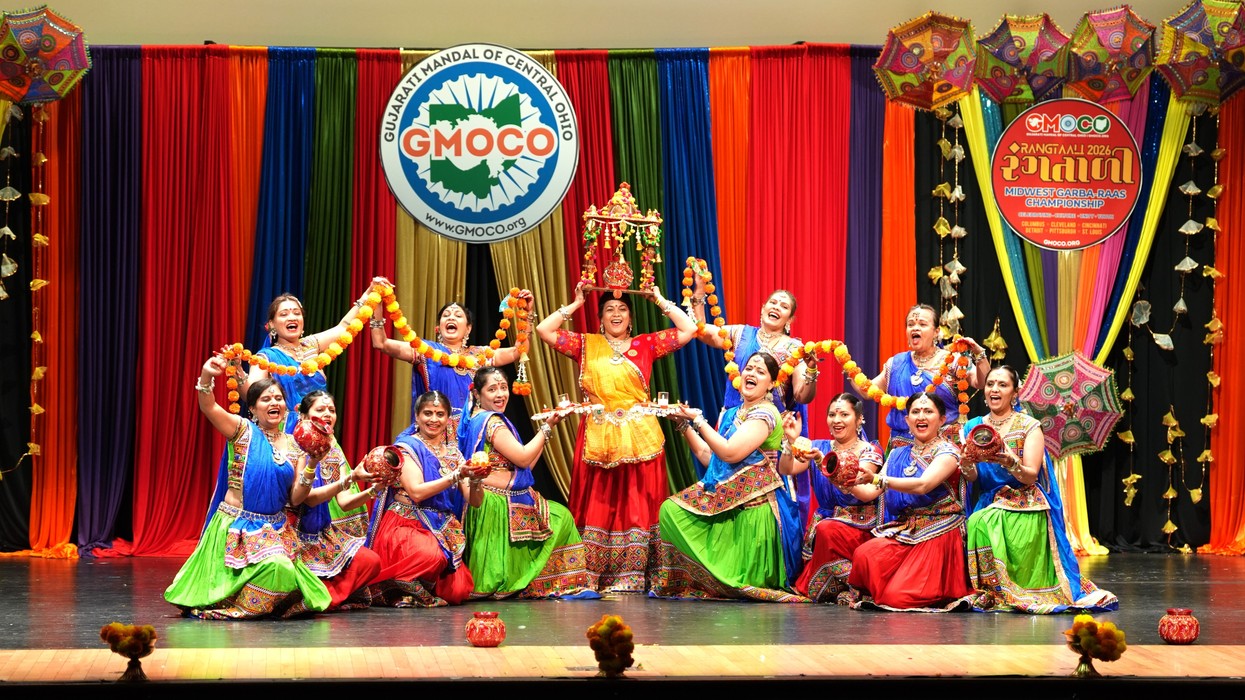
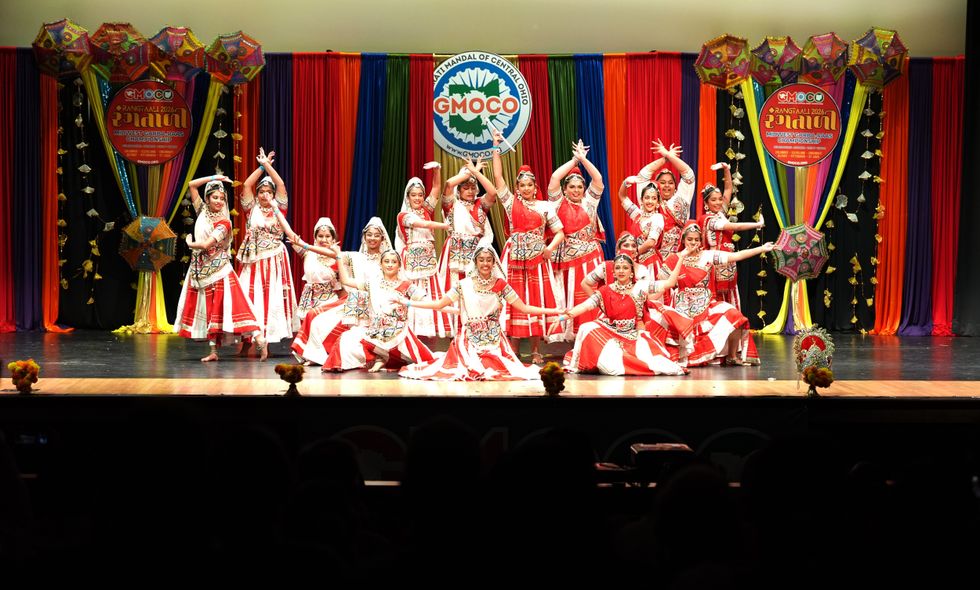 Rangtaali 2026, the Midwest Garba-Raas ChampionshipGoogle Drive
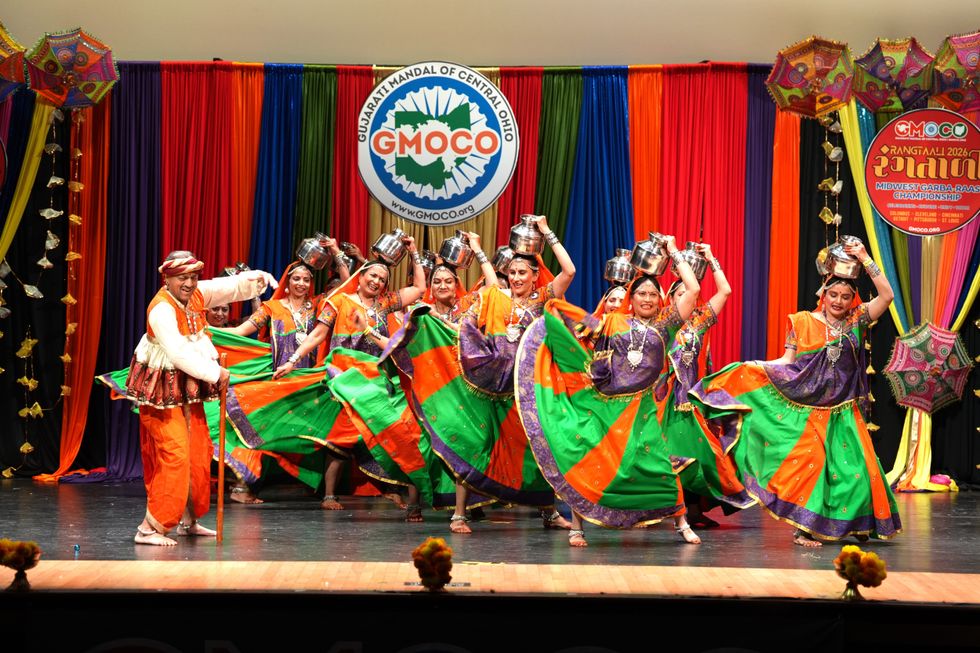 Rangtaali 2026, the Midwest Garba-Raas ChampionshipGoogle Drive