
Highlights:
- Assam-born singer-composer with Bollywood credits
- Contributed melodies to two pivotal cosmic songs
- Collaborated with French composer Manu Martin
- Project connects music, animation and astrophysics
- U.S. premiere set for Hollywood Bowl in 2027
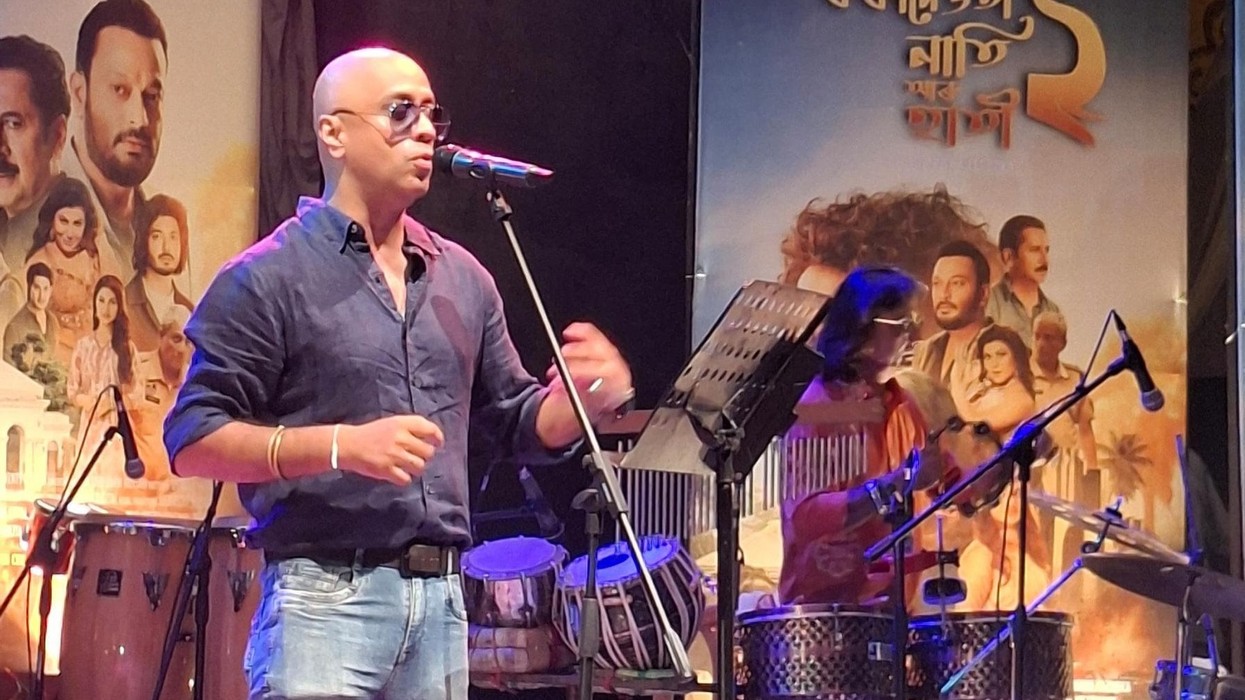
For Joi Barua, the journey from Assam’s musical traditions to the Hollywood Bowl and a project inspired by NASA astrophysics is more than an unusual career turn. It is an opportunity to show how music can translate some of the universe’s biggest scientific ideas into something audiences can feel.
Barua is contributing melodies to “Star Among the Cosmic Clouds” and “Confetti Storm,” two songs at the heart of Cosmic Rhapsody, an ambitious international performing-arts project connected with NASA’s COSI (Compton Spectrometer and Imager) mission. He is also co-composer of “Confetti Star-Ion,” alongside French composer Manu Martin.
Who is Joi Barua?
Born in Assam, India, Barua has built a career spanning playback singing, vocal arrangement, background vocals and composition. His film credits include Agent Vinod, Zindagi Na Milegi Dobara, DevD, Munna Bhai M.B.B.S. and Lage Raho Munna Bhai.
He also lent his voice to the radio version of “O Meri Laila,” from the 2018 film Laila Majnu. In 2014, he moved further into composition, creating a song for filmmaker Shonali Bose’s Margarita with a Straw.
That combination of singing and composition is particularly relevant to Cosmic Rhapsody. Barua was not brought in simply as a performer. His role was to develop melodies that could carry the emotional core of songs built around stars, explosions and the creation of matter.
Why was Barua Selected?
The project brings together storytelling, songwriting, orchestral music, animation and science. Created by Susan Lim and Christina Teenz Tan, Cosmic Rhapsody features Martin as chief composer, orchestrator and arranger for its orchestral work.
Barua's specific contribution emerged from the musical side of that larger creative architecture. During a visit to the University of California, Berkeley’s Space Sciences Laboratory, the creators recognized a striking connection between their songs and the science being explored by NASA’s COSI mission.
COSI is designed to study soft gamma rays associated with powerful cosmic events, including supernovae, helping scientists investigate where elements such as iron and aluminum are produced.
That scientific premise closely echoes the imagery at the center of Barua’s songs: a dying star exploding and scattering material that can eventually become part of new worlds.
For Barua, the connection was particularly meaningful because his melodies approached the supernova not simply as destruction, but as an act of creation.
The idea of stardust falling like celebratory confetti became the emotional starting point for his music.
When Indian music meets the cosmos
Cosmic Rhapsody imagines a human and an AI traveling through space in search of solutions to Earth’s environmental challenges. Its presentation combines live symphonic music, cinematic animation and pop songs, making it as much a visual and theatrical experience as a musical one.
Barua’s collaboration with Martin adds another international dimension. On “Confetti Star-Ion,” Martin created a musical transition from mission-control recordings into a large-scale symphonic-pop climax designed to evoke an ionized cosmic shockwave.
There is also a distinctly Assamese thread running through the project. Animator and director Samudra Kajal Saikia, also from Assam, is responsible for visuals that translate the music into swirling imagery of cosmic dust.
For Barua, seeing two artists from Assam contribute to the auditory and visual identity of an international, NASA-aligned production makes the project especially significant.
The next major milestone will be the U.S. premiere of Cosmic Rhapsody at the Hollywood Bowl on July 27, 2027, presented with the Los Angeles Philharmonic and featuring pianist Jean-Yves Thibaudet. The project will then be followed by the orbital launch of NASA’s COSI mission from Cape Canaveral.
For an artist whose career has moved between Indian cinema, songwriting and composition, the project offers an expansive new stage: one where a melody can begin in Assam and travel all the way to the stars.



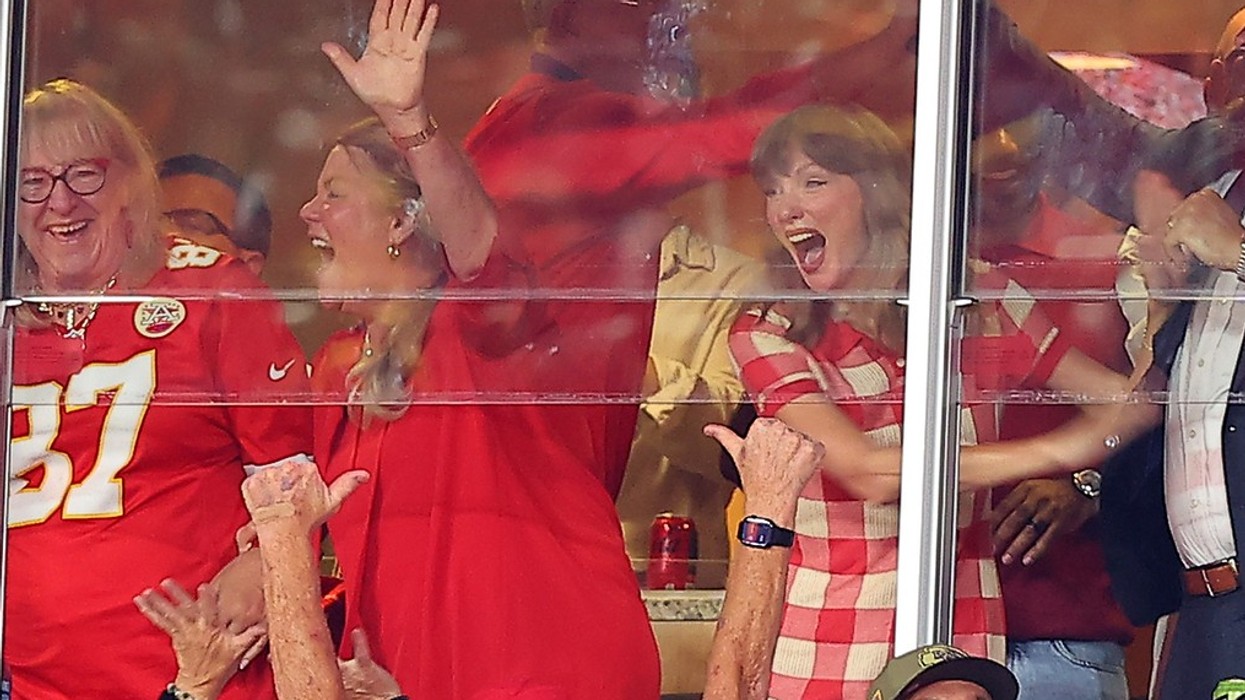
 Swift was also joined by actor Tom Cruise as she watched the Chiefs take on the BroncosGetty Images






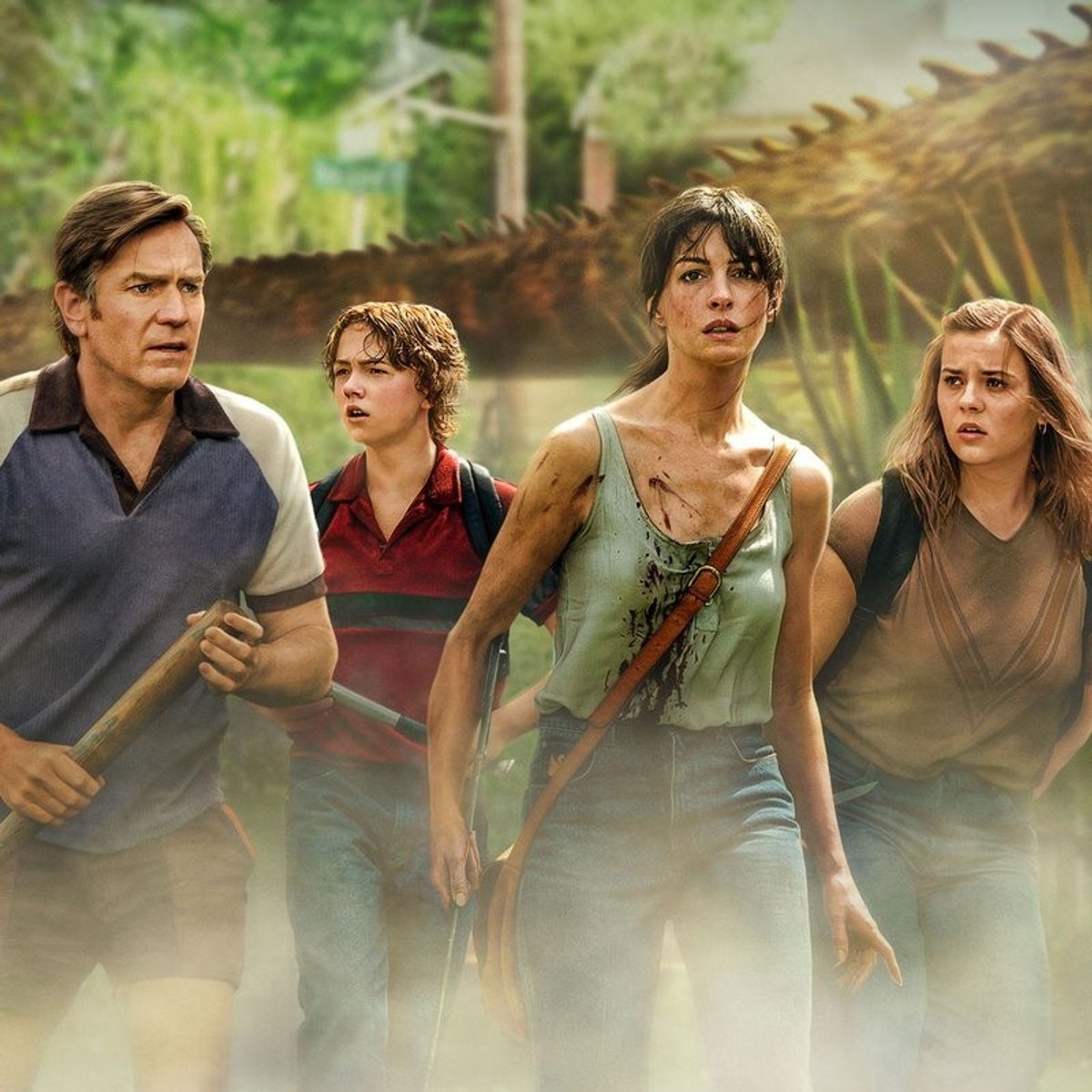 The End of Oak StreetX/@screenrant
 Waiting HaiX/@AllCinemaVerse
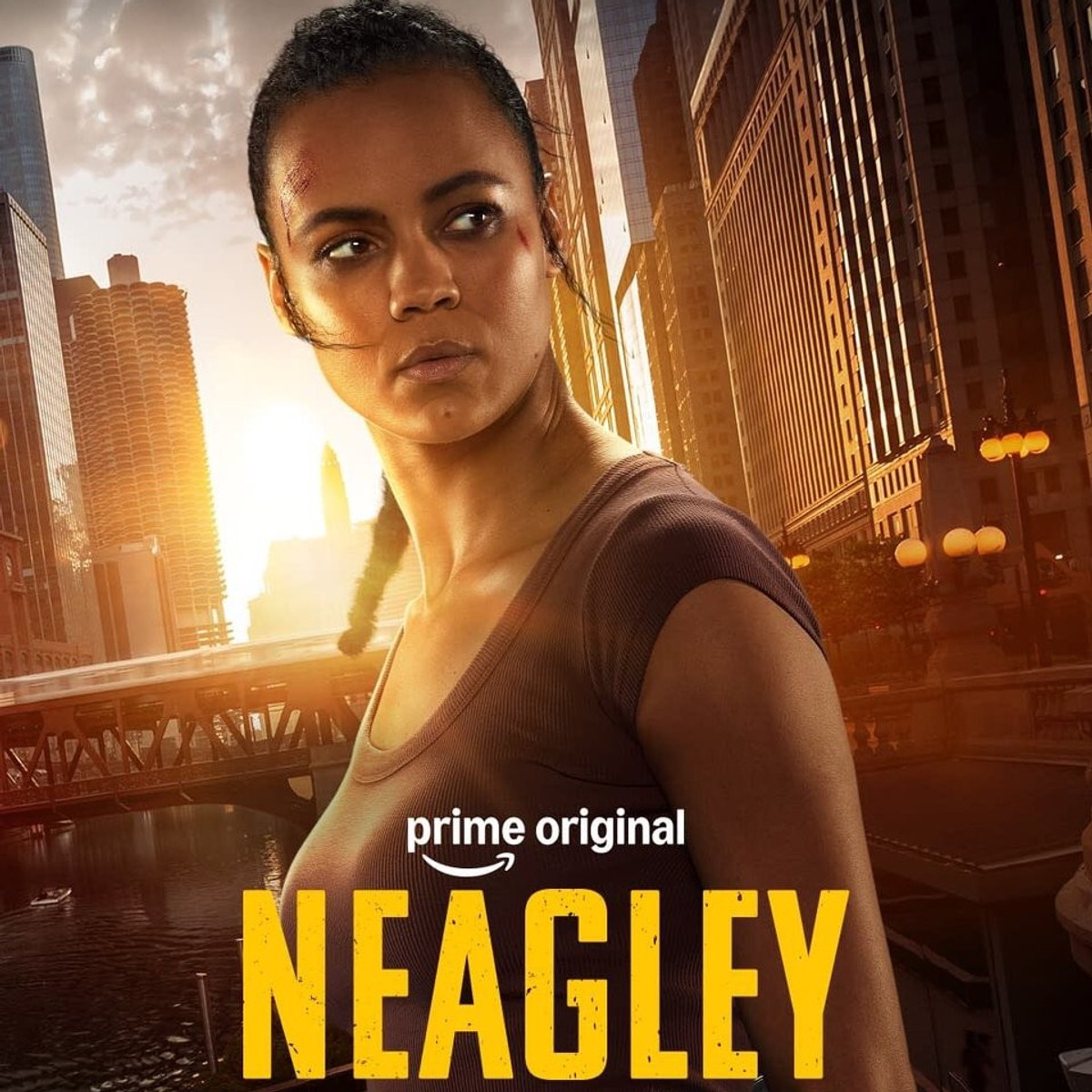 NeagleyX/@action_returns
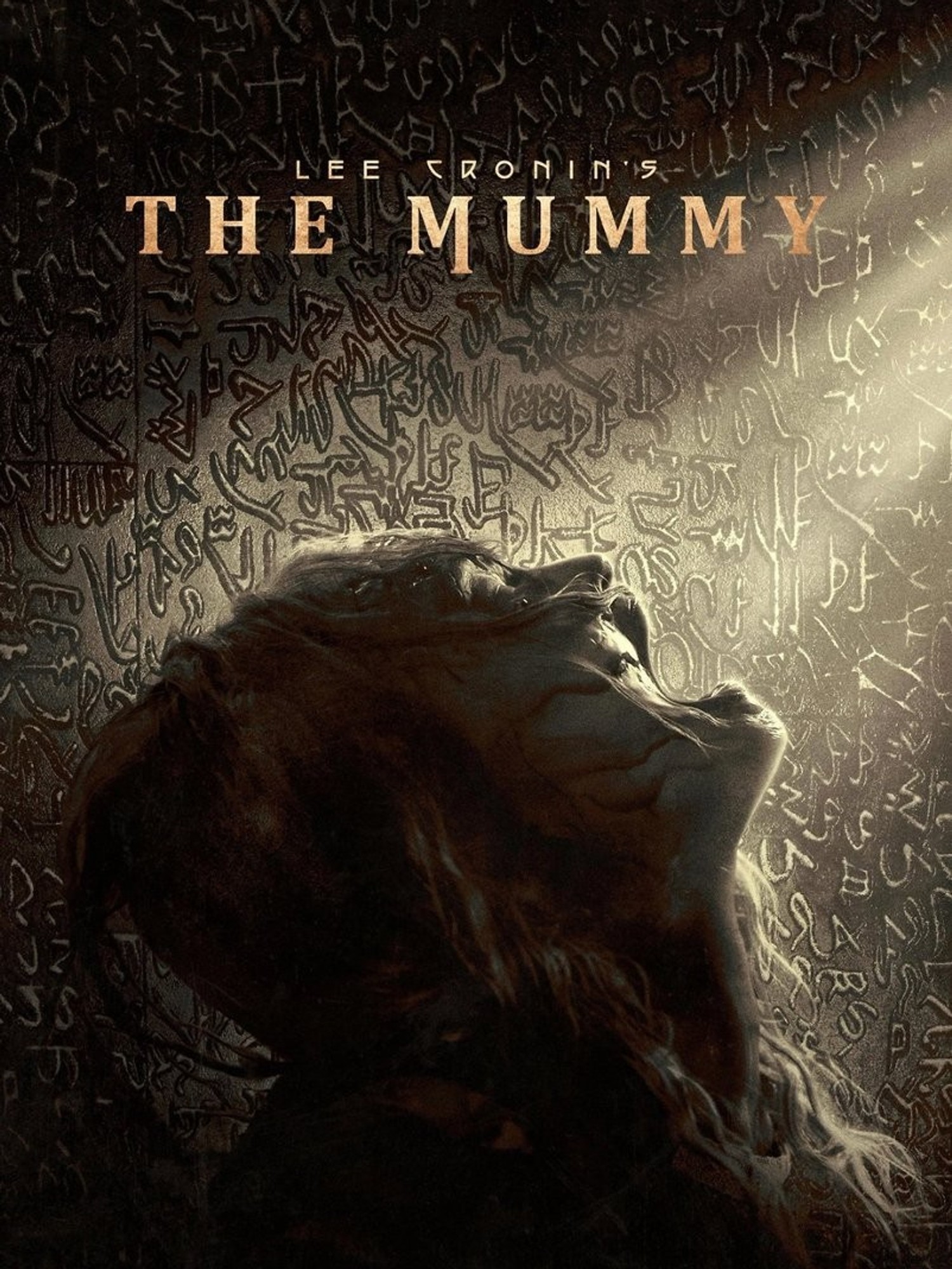 Lee Cronin's The Mummy X/@ThiruttuVCD__
 Best of the BestX/@AllCinemaVerse
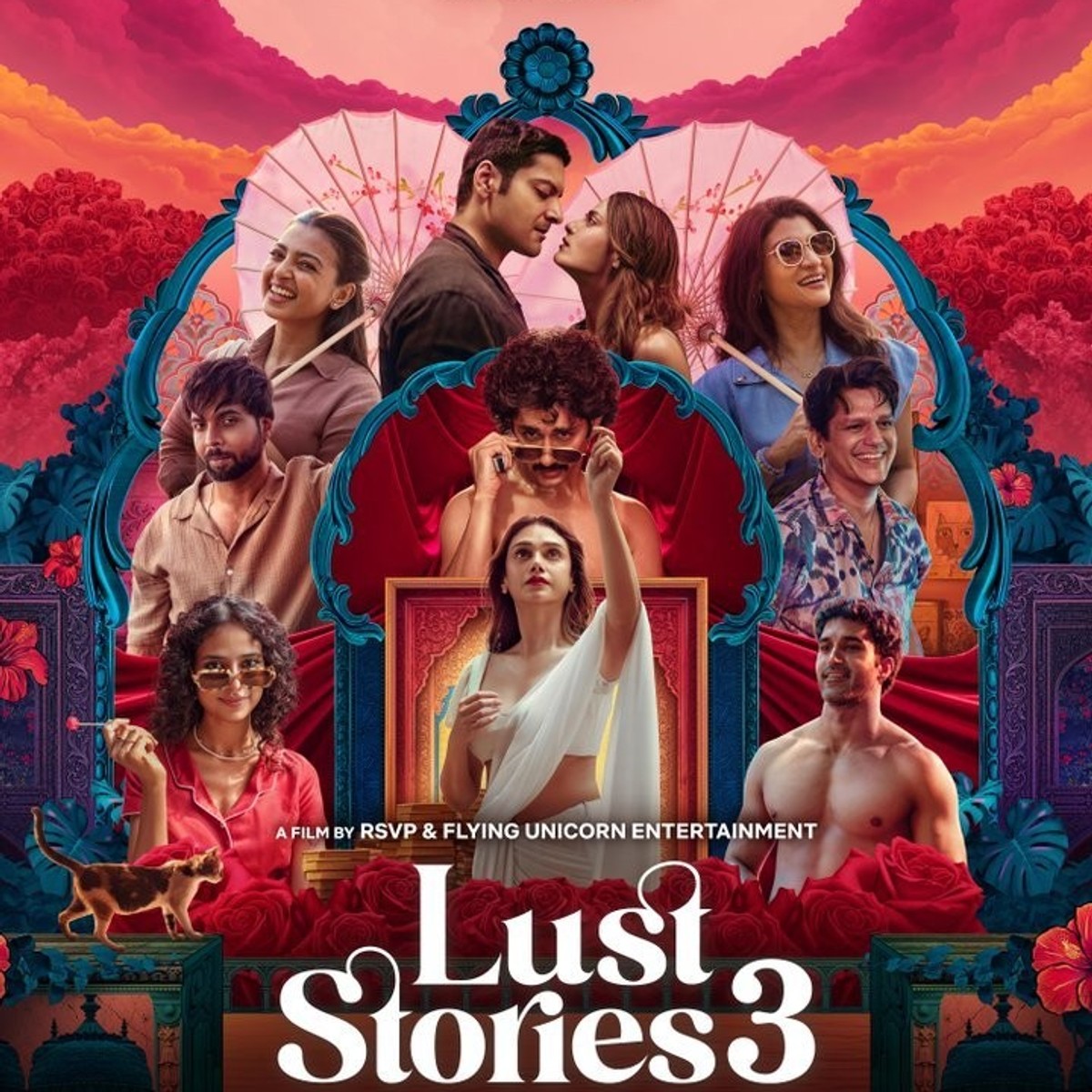 Lust Stories 3X/@CinemaVersxc