Highlights:
- Apoorva Mukhija says influencer parties are often more about brand commitments than having fun.
- She revealed that influencers may take hundreds of photographs to fulfill promotional deliverables.
- Her manager was frustrated after four versions of a sponsored script failed to receive approval.
- Apoorva exposed the effort behind seemingly spontaneous party videos, including multiple cameras and repeated shots.
- Despite describing the exhaustion, she admitted that she misses the influencer lifestyle while studying in New York.
Influencer parties are often presented on social media as glamorous celebrations filled with music, dancing, expensive outfits and endless fun. But according to content creator Apoorva Mukhija, better known as The Rebel Kid, the reality behind these picture-perfect gatherings can be far less exciting.
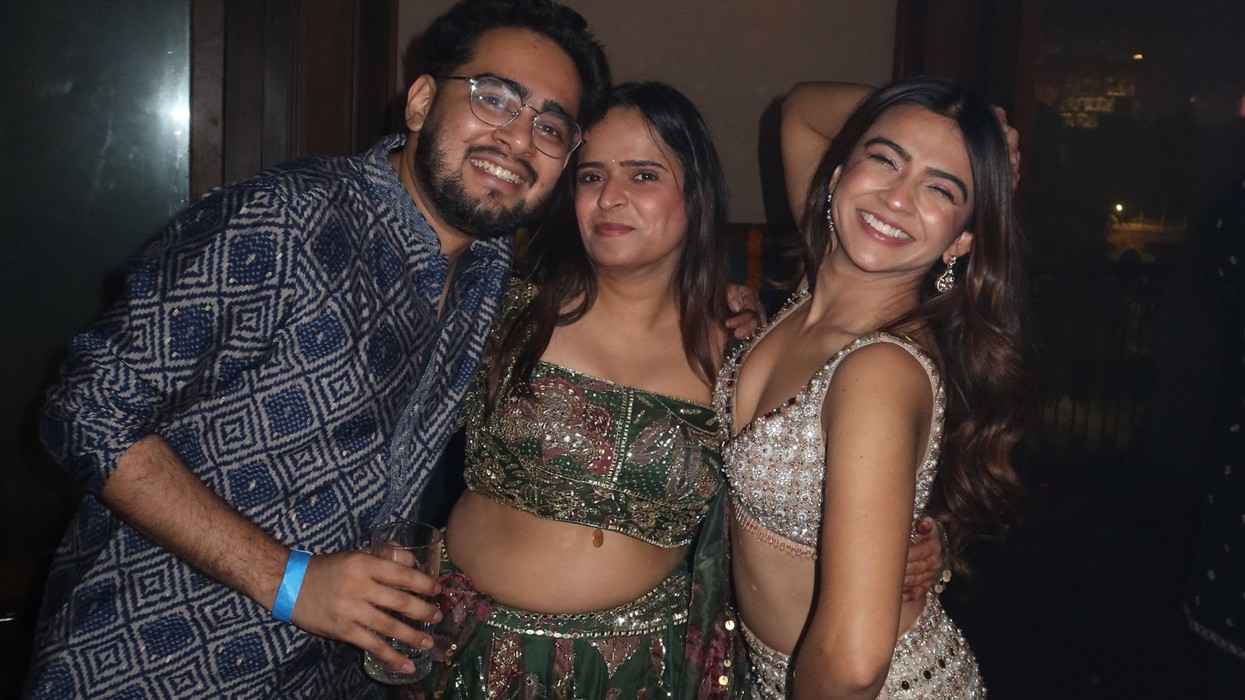
In a recent YouTube vlog, after returning to Mumbai from New York, Apoorva offered an unusually candid look at the Diwali parties she attended during her time in India. Rather than describing them as enjoyable social events, she revealed that much of the experience involved fulfilling brand commitments, posing for photographs and creating content.
Her account exposed an uncomfortable side of influencer culture: sometimes, the people appearing to have the most fun at a party are actually working through an exhausting list of promotional obligations.
‘Nobody is dancing or eating’: The reality behind influencer parties
Apoorva began her vlog by acknowledging that the video itself was a brand collaboration. She explained that she was being paid to post it and had to dedicate 30 seconds to talking about the brand. She also joked that the company would ask her to remove most of her jokes because they were not considered brand-friendly.
The pressure, she revealed, extended beyond filming and posting. Her manager was frustrated because a script for one of her brand collaborations had still not been approved, despite her submitting several versions.
“My manager is abusing me because I had to submit a script to one of my brands, and they are not approving it. I have submitted about four different scripts and now I am mentally exhausted. If ever you see an influencer posting a bad video, don’t blame them but the brand because they don’t let us make nice videos.”
The experience also followed her into social gatherings. Describing one Diwali party that was scheduled to begin at 7 p.m., Apoorva revealed that she was leaving for the venue at 11 p.m. By then, the party might already have ended.
“The party might have been over now. We are just going to click pictures there. My attire, accessories, all of them are on rent. I will have to give these brands deliverables for which I will have to get clicked at least 500 pictures.”
What appeared to be a night of celebration was effectively a work assignment.
After arriving, she noticed that guests were not necessarily enjoying the party in the conventional sense.
“Nobody is dancing or eating, they are all busy clicking pictures,” she said.
She also showed how influencers waited in long queues for their turn to pose against the logo of the brand hosting the event. Those photographs were not simply personal memories; they were part of the promotional content expected in return for brand collaborations.
The pressure to make sponsored content look like genuine fun
One of the more revealing moments in Apoorva's vlog concerned the effort required to make influencer parties appear spontaneous on social media.
She described how influencers organized multiple cameras and people to capture the right shots while filming themselves dancing to the song Chaiyya Chaiyya.
“Every influencer to get the right shot for Chaiyya Chaiyya had made at least 50 people stand with cameras. All this to show to our audience that ‘we are having too much fun’,” she said.
The contrast is striking. Audiences scrolling through Instagram may see carefree celebrations, coordinated outfits and influencers enjoying themselves. But the content may involve extensive planning, repeated takes and a team working behind the scenes.
The pressure to maintain that image can also make it difficult to distinguish between genuine enjoyment and a professional obligation.
Rented outfits, expensive deliverables and a hectic schedule
Apoorva also described the relentless travel schedule she followed after arriving in India for Diwali.
“From Delhi, I came to Mumbai, then to Goa, Bengaluru for 12 hours where I earned a lot of money. Then I returned to Goa, I partied till sunrise and from Goa, I came back to Mumbai, and now I have gone crazy,” she shared.
Despite her exhaustion, she admitted that she found it difficult to turn down invitations because of her fear of missing out.
“I can’t say no to any plan because I have this crazy FOMO,” she confessed.
For another event, she wore a rented outfit as part of a collaboration and was expected to produce photographs for the brand. She revealed that the outfit was worth Rs 2.5 lakh, or approximately $2,800, and that she had to take pictures to fulfill the promotional commitments.
“This is worth Rs 2.5 lakh, and I have to take photos for deliverables,” she said.
Yet the vlog also showed that she could still make room for personal preferences. Apoorva revealed that she insisted on having a pani puri vendor at one party, with organizers reportedly paying Rs 2 lakh, approximately $2,240, for the setup.
“I told the organiser I won’t be in the party if there is no gol gappe,” she revealed.
Apoorva admits she misses influencer life
Perhaps the most revealing part of the vlog was that, despite describing the exhaustion and pressure, Apoorva admitted she missed being an influencer.
“I am not having fun being a student in NY,” she said, adding that she had not felt as alive during her three months in New York as she did while attending events and working in India.
Her admission adds another dimension to the story. The influencer lifestyle may be physically demanding and commercially controlled, but it can also provide excitement, professional opportunities and a sense of belonging that she currently misses.
Apoorva has since returned to New York, where she is pursuing higher education while working toward building a career in business. Toward the end of the vlog, she also joked that she would reveal her boyfriend publicly only at her wedding or if a brand offered her Rs 1 crore.
Her account offers a glimpse into an industry where even leisure can become work. The photographs may look effortless, the outfits may look luxurious and the parties may appear exciting, but behind the scenes, influencers are often managing deadlines, approvals, rented fashion and hundreds of promotional deliverables.