

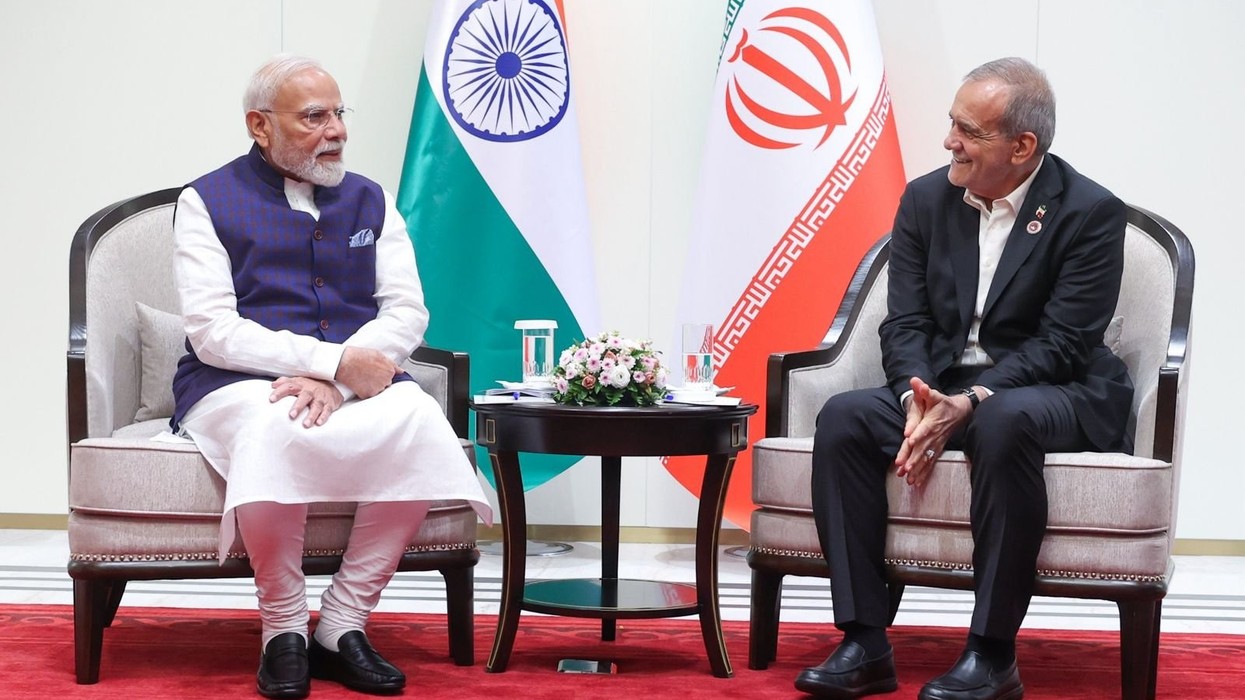
KASHMIR region was stripped of its autonomy to free it from "terrorism and separatism" which was encouraged by Pakistan, Indian prime minister Narendra Modi said Thursday (8).
In his first comments on the constitutional bombshell carried out while Kashmir was under military lockdown, Modi insisted that his government had made a "historic decision".
The Indian government rushed through a presidential decree Monday (5) to ditch the region's constitutionally-guaranteed status.
Parliament also passed a law splitting the state into two territories.
Kashmir is also claimed by Pakistan which on Wednesday (7) expelled India's ambassador and suspended all trade in protest at the move.
"Friends, I have full belief that we will be able to free Jammu and Kashmir from terrorism and separatism under this system," Modi said.
"I have full faith that the people of Jammu and Kashmir, after defeating separatism, will move forward with new hopes and aspirations."
The Indian leader said Pakistan used the special status "as a weapon against the country to inflame the passions of some people" against the Indian state.
Tens of thousands of people have died in a three-decade-old insurgency in Kashmir.
Internet and telephone connections in Kashmir have been cut since Monday (5) and a curfew imposed as the authorities feared trouble when the decision was announced.
Modi said the special status has "not given anything other than terrorism, separatism, nepotism and big corruption."
Modi said he respected opposition politicians and prominent Kashmiris who have opposed the government's strongarm tactics.
"We are working to answer their points but I request them to act to keep India's interests and help Jammu and Kashmir and Ladakh," he said.
"I want to assure my Jammu and Kashmir colleagues that slowly things will become normal and their problems will reduce."
The contentious move comes just days before the Muslim festival of Eid al-Adha, and Modi said Kashmiris would not face difficulties celebrating the holiday.
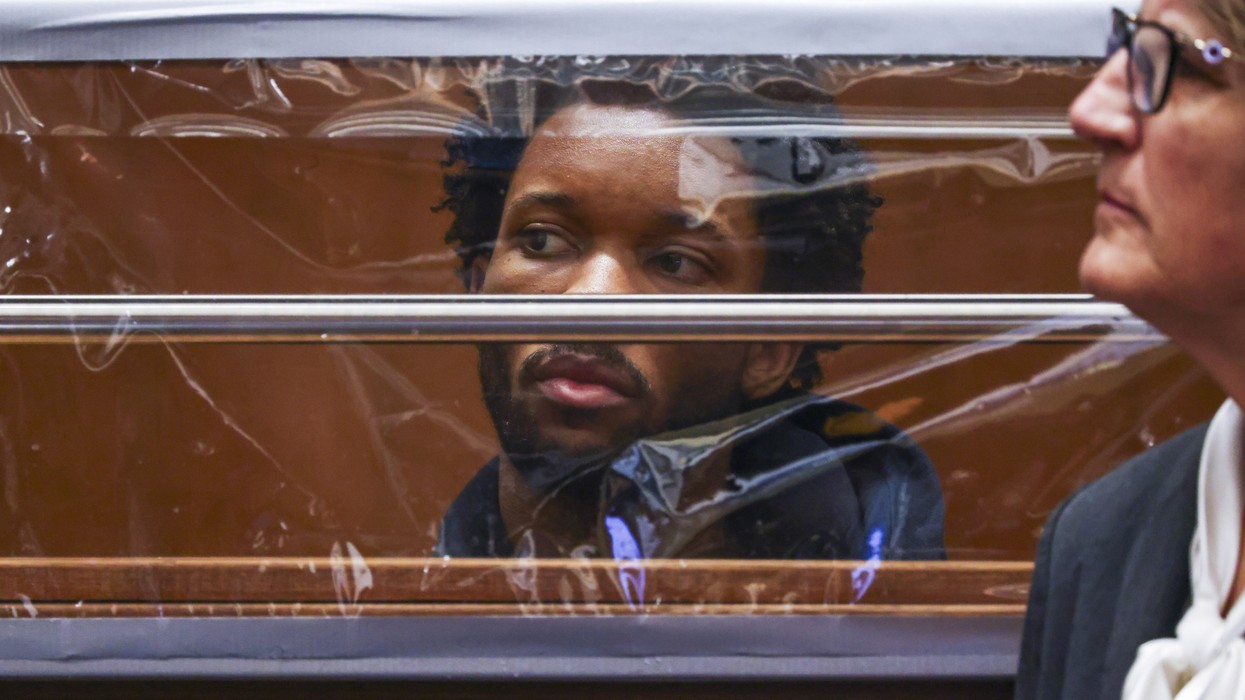
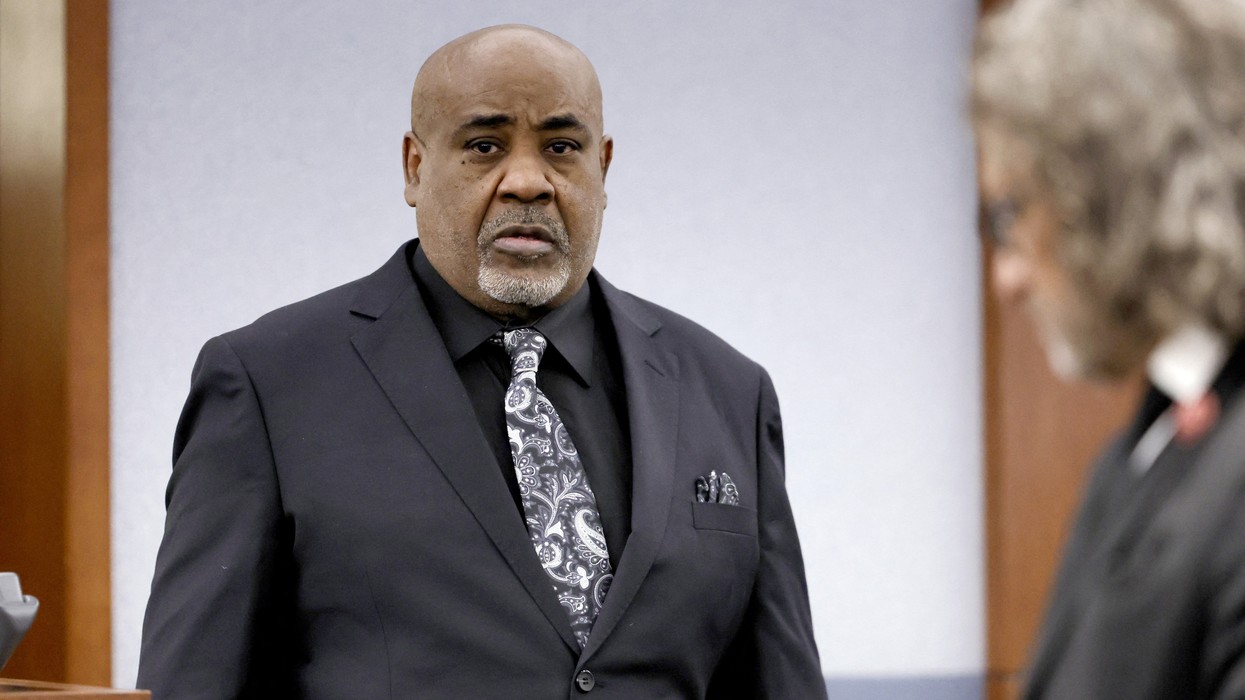
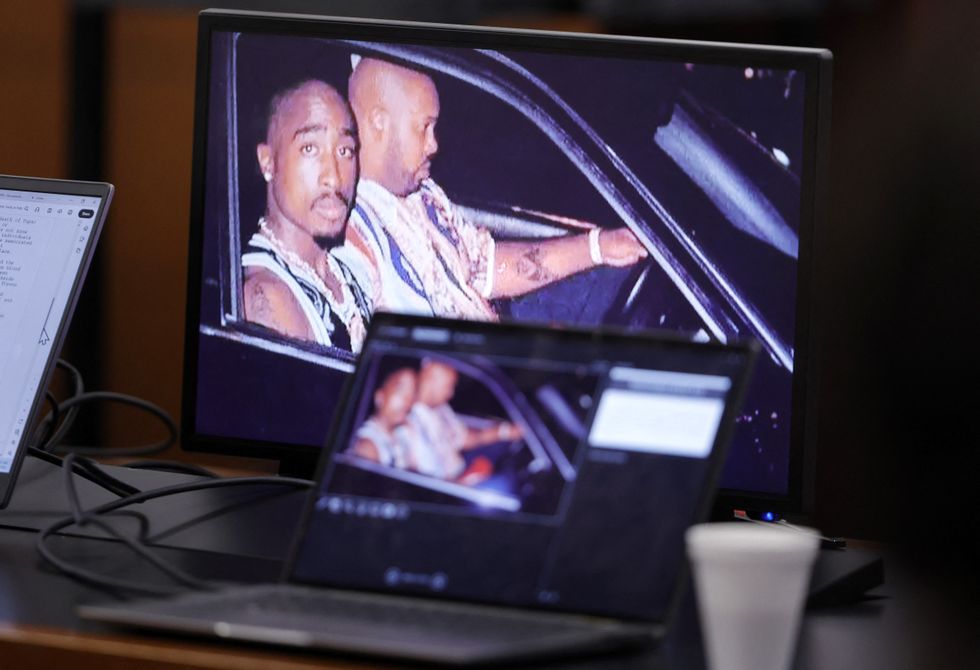 A 1996 photo of rapper Tupac Shakur (L) and Marion "Suge" Knight is shown on screens during closing arguments in the Duane Davis murder trial, related to the 1996 killing of rapper Tupac Shakur, at Clark County District Court at the Regional Justice Center in Las Vegas, Nevada, on August 31, 2026. Getty Images


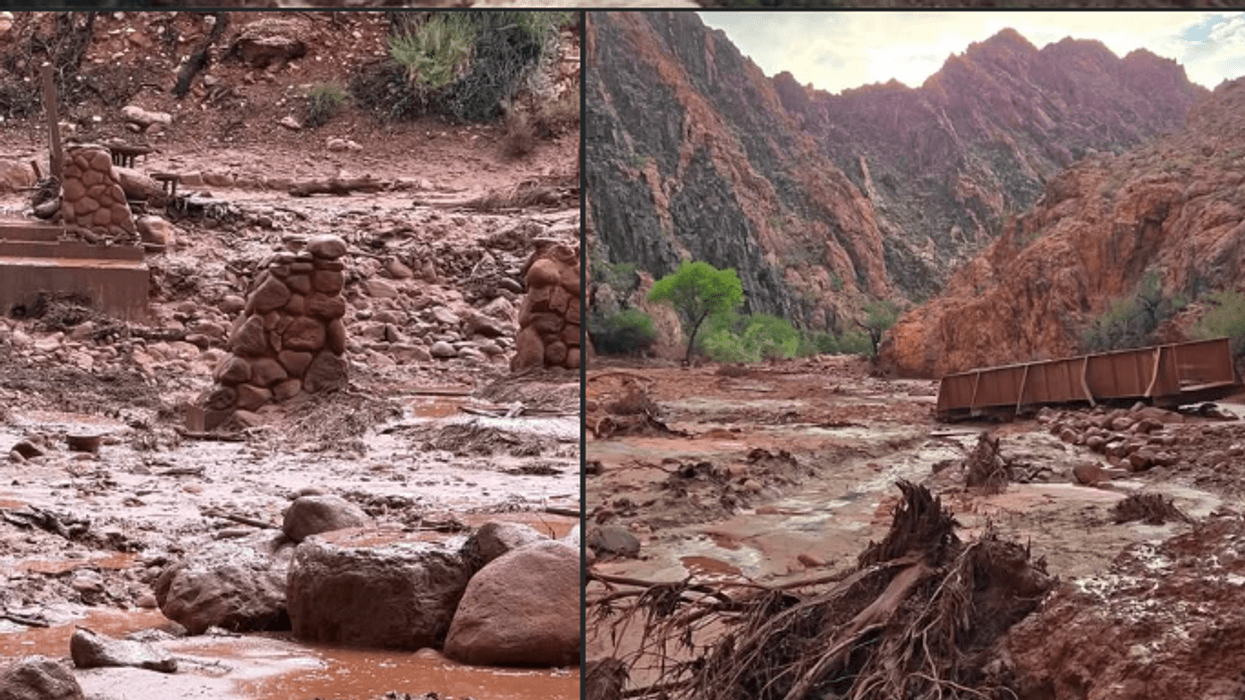
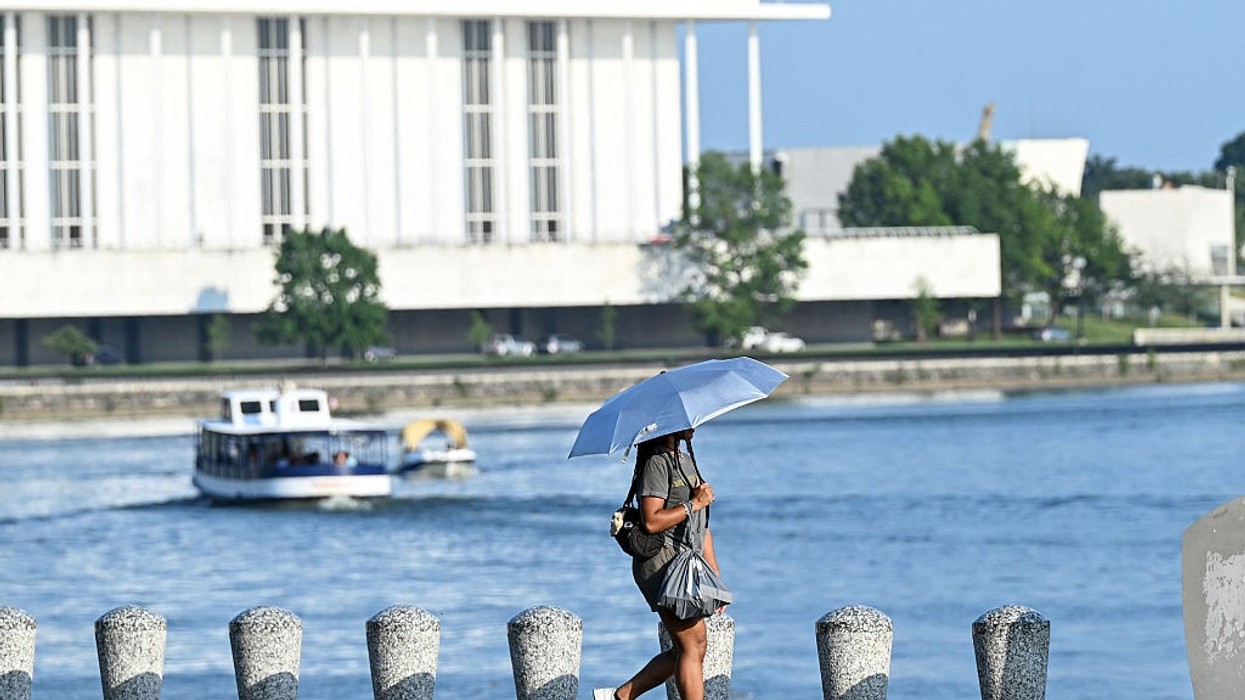
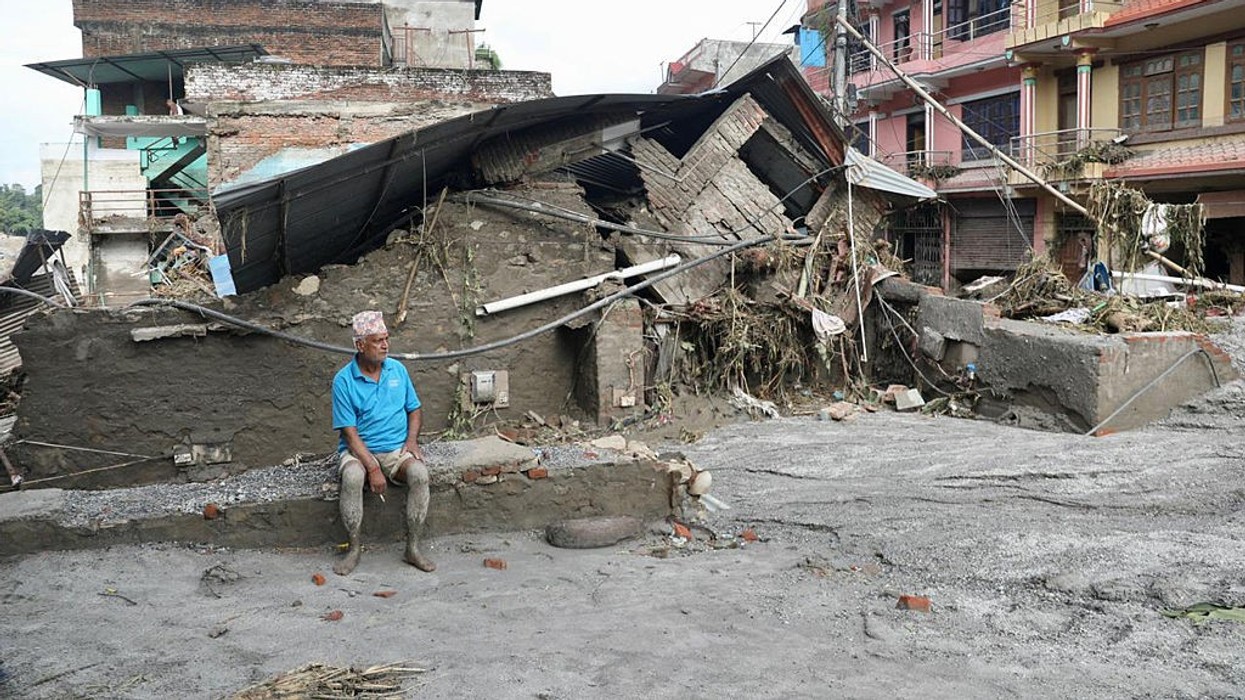
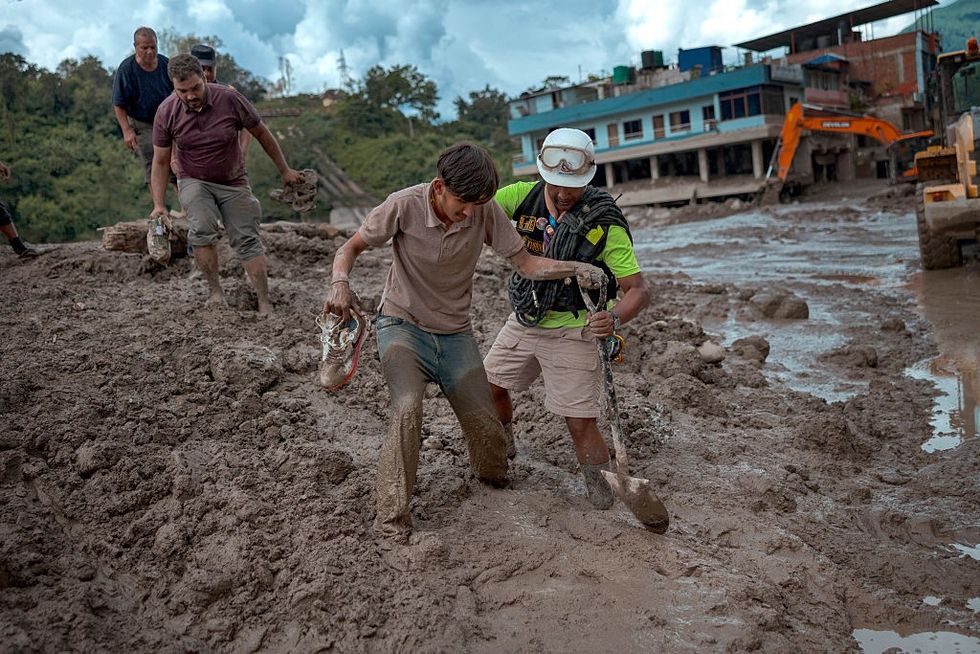 A rescuer assists a resident through heavy mud following flash floods on August 27, 2026 in Trishuli, Nepal. A sudden flood swept through the Bhote Koshi River basin in northern Rasuwa on August 26, damaging settlements, roads and energy infrastructure as rescue teams searched for residents and foreign travellers reported out of contact. Hundreds were reported missing, as the death toll started to climb.Getty Images
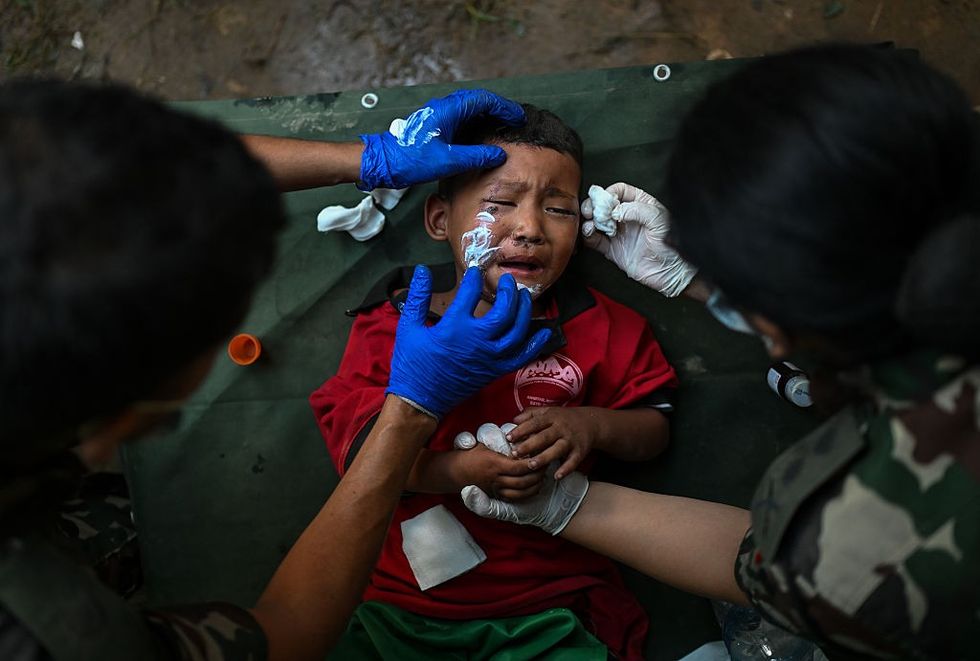 Rescue personnel provide medical treatment to a child at an army rescue camp in Trishuli Batar, Nepal, on August 27, 2026. A sudden flood swept through the Bhote Koshi River basin in northern Rasuwa on August 26, damaging settlements, roads and energy infrastructure, as rescue teams searched for residents and foreign travellers reported out of contact. Hundreds were reported missing as the death toll began to climb. Getty Ima
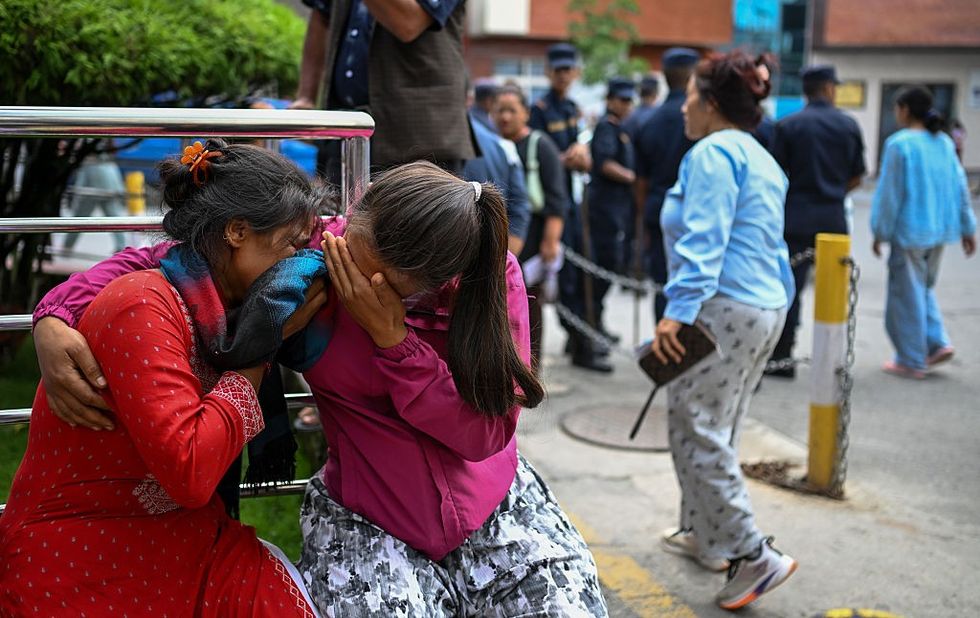 Family members of missing flood victims react at the emergency ward of the Maharajgunj Medical Campus, part of the Tribhuvan University Teaching Hospital, on August 28, 2026 in Kathmandu, Nepal. Authorities said the flash floods were triggered after a mass of ice, mud and rock collapsed into a Himalayan river near the Nepal-China border, leaving hundreds dead or missing and causing widespread damage in affected districts. Authorities continued the gruelling search for victims, many buried under metres of mud, as both China and Nepal issued fresh flooding alerts.Getty Images