
Highlights:
- Major Indian cities are facing widespread Diet Coke stock shortages.
- Aluminum can supply issues are affecting beverages, including beer.
- Rising demand for low-sugar drinks has worsened the situation.
- Imports have become more expensive due to global disruptions.
- The shortage has sparked memes and trends on social media.
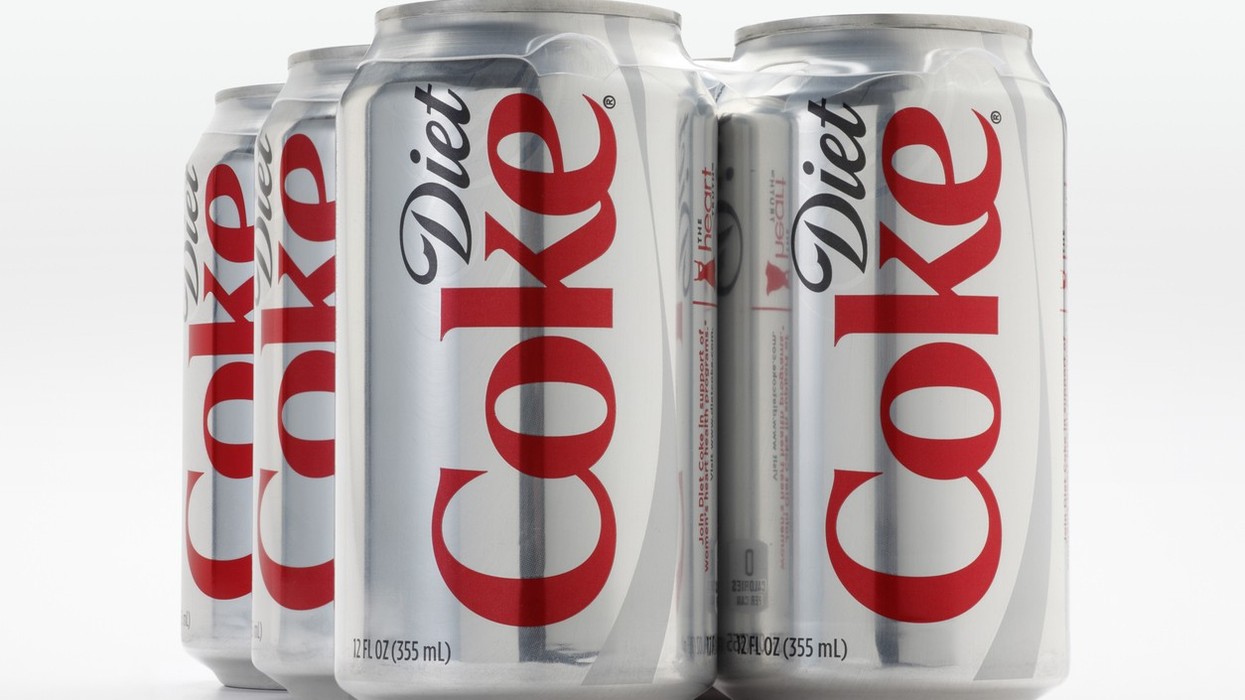
A nationwide shortage of Diet Coke has spread across major cities in India due to a severe shortage of aluminum cans. The problem is linked to rising prices, regulatory delays, and global tensions that have disrupted imports. The shortage first appeared in Mumbai and has now reached cities such as Bengaluru, Pune, Delhi-NCR, and Ahmedabad. Other canned beverages, including beer, are also affected. Demand for low-sugar drinks is at a record high, and retailers say shelves are empty within hours after restocking.
The impact is clear in large metro areas such as Mumbai, Bengaluru, Pune, Delhi-NCR, Ahmedabad, Gurugram, and Noida. Stores are quickly running out of Diet Coke, and many customers are unable to find it.
Retailers report that whatever limited supply they receive sells out very fast. Quick-commerce apps like Blinkit, Swiggy, and Zepto are also showing empty listings. This has caused frustration, especially among Gen Z consumers who consider the drink part of their daily routine. The shortage has also hit beer and other canned drinks at a time when demand is high due to the summer season.
The problem has created short-term challenges for the beverage industry. Diet Coke is more affected because it relies almost entirely on aluminum cans, unlike other soft drinks that are also sold in plastic bottles or glass containers. Demand for low- and no-sugar drinks has doubled over the past year, which has increased supply pressure. Beer brands are also facing a shortage of more than 120 million cans. To manage the gap, companies are importing cans from countries like the UAE, Sri Lanka, and Southeast Asia. However, these imports cost 25 to 30 percent more, which reduces profit margins and slows revenue growth across the sector.
The shortage is also shaping consumer behavior and culture. Many young consumers are reacting to the situation online. Gen Z treats finding a Diet Coke as a fun achievement and often shares it on social media. Content creators are posting videos showing mock breakdowns and even making homemade versions of the drink. Office workers are joking that productivity drops without a chilled can nearby. Some people describe Diet Coke as “emotional support in a can” during the shortage. Social media posts also show people buying in bulk and showing off their stock as if it were a luxury item.
The reasons behind the shortage include both policy and global issues. In April 2025, the Bureau of Indian Standards introduced a Quality Control Order that made certification mandatory for aluminum cans. This slowed down both domestic production and imports. At the same time, tensions in West Asia, especially involving Iran and the blockade of the Strait of Hormuz, have disrupted shipments of aluminum from the Gulf region. India depends on these supplies for a significant portion of its needs. Domestic producers are already operating near full capacity, and some factories have reduced output due to shortages of raw materials and rising costs. These factors have extended the crisis.
The public response has turned the shortage into a trend. On platforms like Instagram, X, and Reddit, users are sharing memes, reels, and funny videos about their struggle to find Diet Coke. Many people are documenting their search in stores and apps. Some treat finding a can as a small victory. The situation has become a widely discussed topic online, blending inconvenience with humor.