Highlights:
- ‘Still Alive’ crossed 54.2 million views globally
- India’s Got Latent controversy triggered FIRs and backlash
- Ranveer Allahbadia’s remark sparked nationwide outrage
- Influencers faced legal trouble, threats, and trolling
- Audience response to edgy comedy has sharply shifted
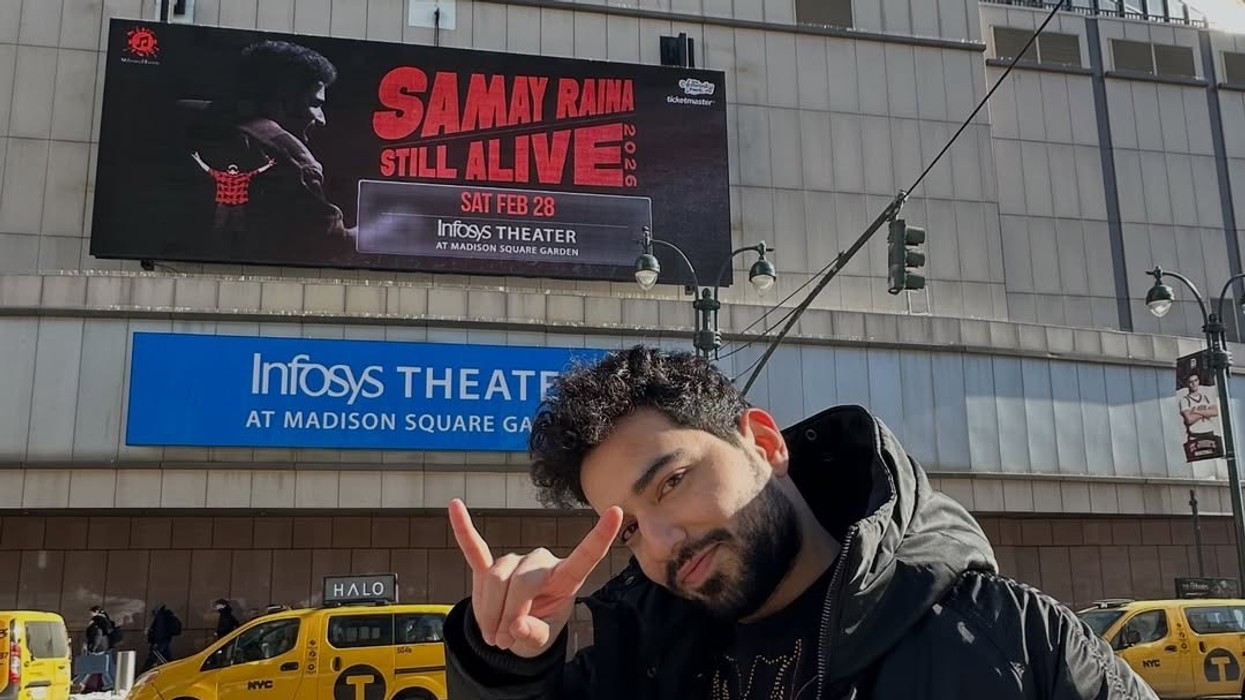
Samay Raina’s stand-up special Still Alive has become the most-watched full-length comedy special on YouTube, crossing 54.2 million views within weeks of release. While the numbers highlight a major comeback, they also reflect a deeper shift in how Indian audiences respond to controversial content.
Released on April 7, the special gained 22 million views in its first 24 hours. By Wednesday (22), it had reached 53.5 million views, with a post noting it had “officially turned his biggest controversy into a record-breaking comeback (sic).” Within a day, the number climbed further to 54.2 million, setting a global benchmark.
However, the success of Still Alive cannot be separated from the controversy surrounding India's Got Latent in 2025. The show faced backlash after podcaster Ranveer Allahbadia made an explicit “would you rather” remark about a contestant’s parents. The clip went viral, triggering public outrage, FIRs, and police summons.
The incident involved multiple creators, including Apoorva Mukhija and others. What began as a members-only episode quickly escalated into a nationwide debate on obscenity laws, free speech, and the responsibility of digital creators. The episode was eventually removed from YouTube.
Authorities took the matter seriously. Mumbai Police questioned Allahbadia for hours, and while the Supreme Court granted him protection from arrest, it also condemned the content. The backlash extended beyond legal action, affecting his health, reputation, finances, and peace due to sustained public criticism.
For Samay Raina, the fallout was equally significant. He removed all episodes of India’s Got Latent from YouTube following the backlash. In Still Alive, he addressed the controversy directly, stating that the controversial joke was repeated multiple times during recording but only one version was retained. He also spoke about the mental toll, saying the situation left him feeling helpless.
The controversy also drew reactions from public figures like Mukesh Khanna, known for Shaktiman. At the same time, Samay noted that several “irrelevant people” attempted to gain attention during the situation.
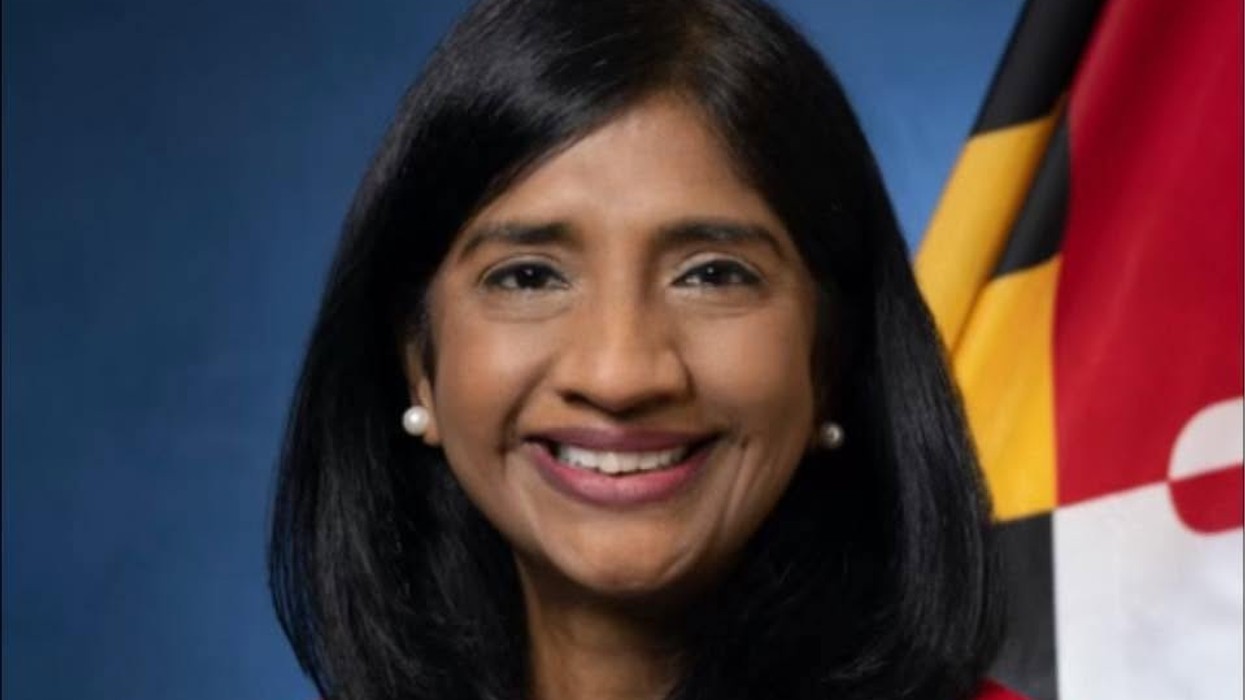
The impact was not limited to a single incident. Influencers like Apoorva Mukhija faced severe consequences, including police summons, eviction, and online trolling. She later shared how the backlash affected her personal life, family, and mental health.
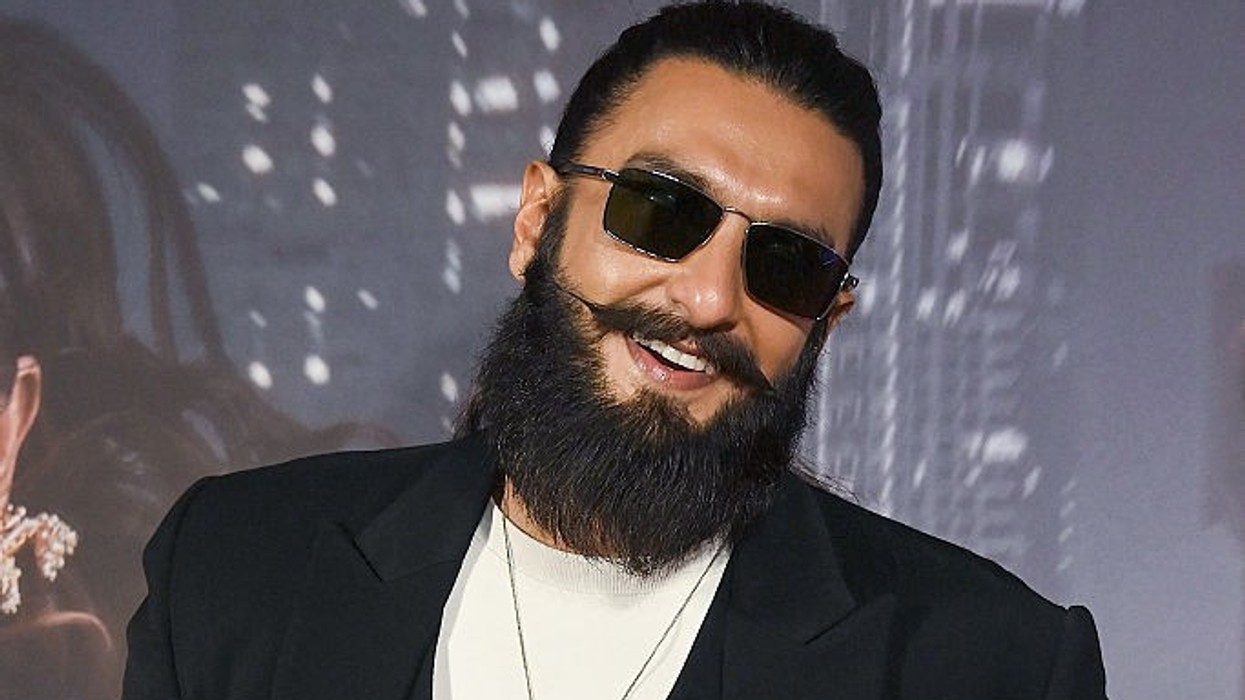
This shift in audience reaction becomes clearer when compared to earlier moments in Indian comedy. The 2015 AIB Knockout, featuring Ranveer Singh and Arjun Kapoor, was initially celebrated as a bold step for comedy. However, it also led to FIRs, protests, and the eventual removal of the video. The group behind it described the format as “consenting adults insulting other consenting adults... is intolerable,” highlighting early tensions between creative freedom and public sentiment.
Over time, creators adapted by shifting toward more controlled and “smarter” satire. Yet, the India’s Got Latent controversy showed that the risks remain high. Today, the consequences are amplified by social media, where outrage spreads quickly and leads to real-world actions such as legal cases, brand losses, and public scrutiny.
The rise of digital platforms has also increased the stakes. Influencers now face risks including stalking, doxxing, threats, and intense trolling. What was once considered edgy or daring content is now more likely to trigger legal and social consequences.
Despite this environment, Still Alive demonstrates that audiences are still willing to engage with controversial narratives, especially when creators address them openly. The special’s success suggests a complex relationship between creators and viewers, one where controversy can both damage and drive popularity.
Samay Raina’s comeback reflects this contradiction. His special not only broke records but also revisited the very controversy that led to his setback. A year after the incident, he also announced plans to return with a second season of India’s Got Latent.
The journey from backlash to record-breaking success highlights how the perception of controversial content in India has evolved. While bold comedy still attracts attention, the response has shifted toward stricter scrutiny, faster outrage, and real consequences.
 Outlook


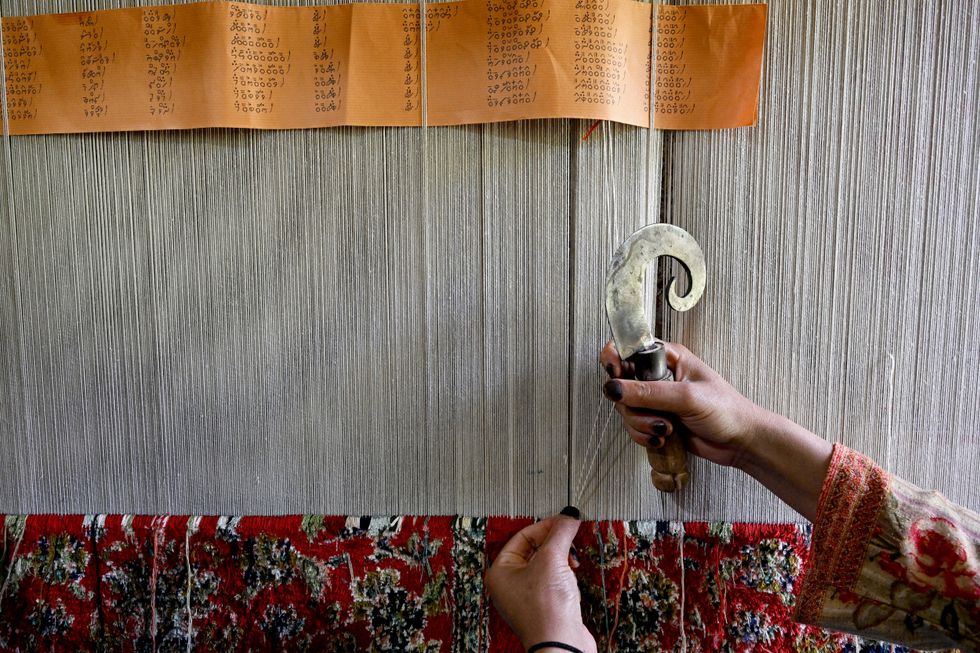 A Kashmiri craftswoman weaves a silk carpet at a factory in SrinagarTauseef Mustafa/AFP via Getty Images
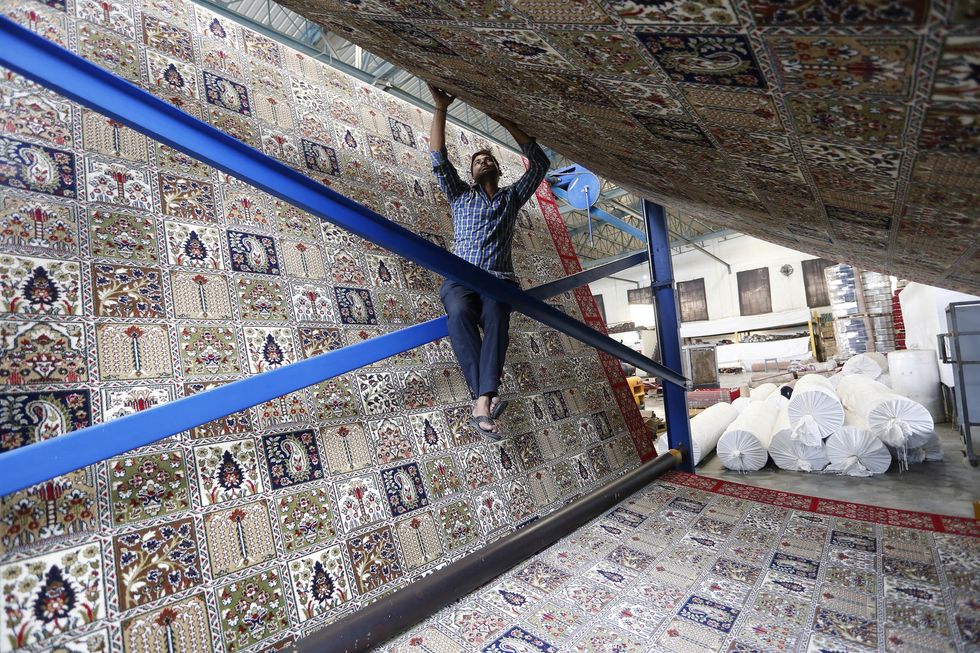 A worker weaves a carpet at a factory on the outskirts of JammuAlok pathania/AFP via Getty Images
 A worker checks thread reels at a carpet factory in JammuAlok pathania/AFP via Getty Images
 Getty Images