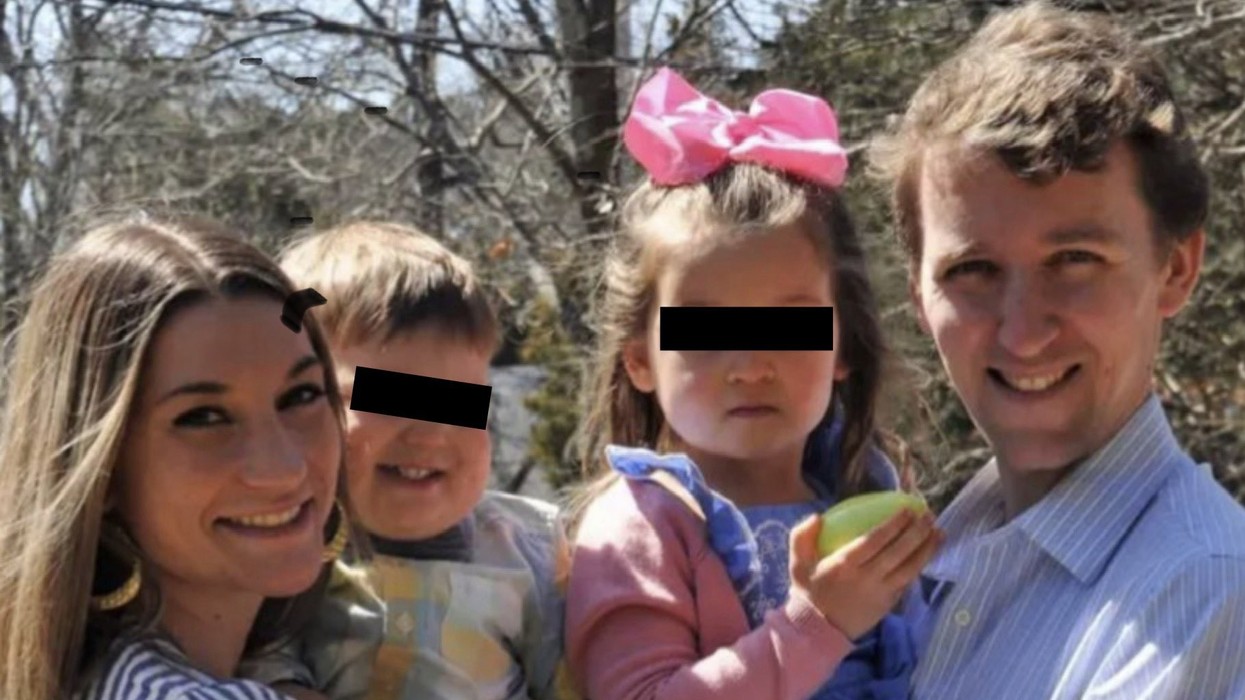

More than two and a half years after the deaths of his three children, Patrick Clancy is still carrying their memories with him as the legal case involving their mother, Lindsay Clancy, continues without a clear end.
Cora, 5, Dawson, 3, and Callan, just 8 months old, died at the family’s home in Duxbury, Massachusetts, on January 24, 2023. Their father has since tried to keep their lives, personalities and small memories at the centre of a tragedy that has largely been defined by court proceedings.
Clancy returned to court Tuesday (29) for the first time since her murder trial ended in a mistrial. Judge William Sullivan heard arguments on a defence motion seeking a not-guilty finding but did not immediately rule. No new trial date was set, with another hearing scheduled for November 2.
The resurfacing of the Lindsay Clancy case has brought renewed attention to a rare but serious condition that many people may know little about: postpartum psychosis.
Clancy, a former labor and delivery nurse accused of killing her three children in 2023, has pleaded not guilty. During her trial, her defense argued that she was suffering from postpartum psychosis and was not criminally responsible for the deaths. Prosecutors disputed that account and argued that she understood the seriousness of her actions. The trial ended in a mistrial after jurors failed to reach a unanimous verdict.
That legal dispute has raised a broader question beyond the courtroom: what exactly can postpartum psychosis do to a person’s mind?
It is not the "baby blues"
Postpartum psychosis is very different from the temporary mood changes commonly known as the “baby blues.”
The NHS describes it as a serious mental illness that can develop suddenly after childbirth. It affects around one in 1,000 mothers. Symptoms can include hallucinations, delusions, mania, severe confusion, agitation, rapidly changing moods and extreme difficulty sleeping. Symptoms most often begin within the first two weeks after birth, although they can appear later.
The condition is considered a psychiatric emergency because a person experiencing it may lose contact with reality and may not recognize that they are unwell.
That distinction matters. Postpartum depression can involve profound sadness, anxiety, exhaustion and feelings of hopelessness. Postpartum psychosis involves a much more severe disturbance in perception, thinking and behavior.
When reality can become distorted
Psychosis can involve hallucinations, hearing or seeing things that are not there, and delusions, which are strongly held beliefs that are not based in reality.
Research shows that the content of these delusions can sometimes involve the baby. Some mothers experiencing postpartum psychosis may develop frightening or unusual beliefs about themselves, their child or the world around them.
In fact, violence toward an infant remains rare. But medical literature identifies postpartum psychosis as a condition in which the risk of suicide and, in rare cases, infanticide can increase. A recent systematic review found that missed opportunities in screening, diagnosis and treatment were recurring concerns in cases where postpartum psychosis was associated with infanticide.
Why can childbirth trigger it?
Doctors still do not have one simple explanation for why postpartum psychosis develops.
Research points to several possible biological and psychological factors, including major physiological changes surrounding childbirth. A history of bipolar disorder or schizophrenia, a family history of postpartum psychosis and experiencing the condition after a previous pregnancy can increase risk. But postpartum psychosis can also occur in women without a previous psychiatric diagnosis.
The suddenness is one of the reasons the condition can be particularly difficult for families to recognize.
A woman may initially appear exhausted or emotionally overwhelmed after childbirth. But hallucinations, delusions, extreme confusion, severe agitation, rapidly changing moods or behavior that appears completely out of character can signal something much more serious.
Postpartum psychosis is not something families should be expected to manage at home.
The NHS recommends urgent medical assessment, and treatment usually takes place in a hospital. Depending on the symptoms, treatment can involve antipsychotic medication, mood stabilizers, antidepressants and, in some severe cases, electroconvulsive therapy.
Specialist mother-and-baby psychiatric units are designed to treat the mother while supporting the relationship with her infant. Such units exist in countries including the UK, Australia and India.
A life built around their memory
Patrick now lives in Manhattan, where reminders of his children remain part of his everyday life. Cora's baby sloth and Dawson's much-loved toy helicopter are among the objects that keep their presence close.
In Duxbury, a playground was created in their memory, with details representing each child — sloths for Cora, a firefighter for Dawson and a toddler's playpen for Callan.
The grief has also changed Patrick's understanding of his own life. He has spoken about a period when he did not expect to live to his 35th birthday and about the memories that others cannot see but that continue to replay in his mind.
Yet even amid that grief, he publicly forgave Lindsay in the aftermath of the children's deaths.
He has since called for compassion alongside accountability, making clear that compassion does not mean there should be no consequences.
Patrick and his new wife, Rachel Danis, are now starting a family. One day, he plans to tell their future child about Cora, Dawson and Callan, three older siblings they will never have the chance to meet.
A case without an ending
Lindsay Clancy has pleaded not guilty to three murder charges. According to prosecutors, she attempted suicide on the night her children died and was left paralysed and using a wheelchair.
During the five-week trial, the defence argued that Clancy was suffering from postpartum psychosis and had been overmedicated. Prosecutors argued that she remained criminally responsible and understood the seriousness of her actions.
The jury ultimately could not reach a unanimous verdict. It was split 11-1 in favour of acquittal when Judge Sullivan declared a mistrial on September 4.
Prosecutors have not said whether they will seek a retrial.
For families, however, the medical lesson is clearer: postpartum psychosis is rare, but when symptoms appear, they can escalate quickly. Recognizing the difference between ordinary postpartum adjustment, postpartum depression and psychosis can be critical, because psychosis requires immediate professional intervention.