
- Trump extended the $100,000 H-1B fee for another year.
- The fee was linked to a 92% drop in registrations by large IT outsourcing firms.
- Indians remain the largest beneficiary group of the H-1B program.
- US agencies will review employers’ recent or planned layoffs.
- The 2025 fee decision is facing legal challenges in two federal courts.
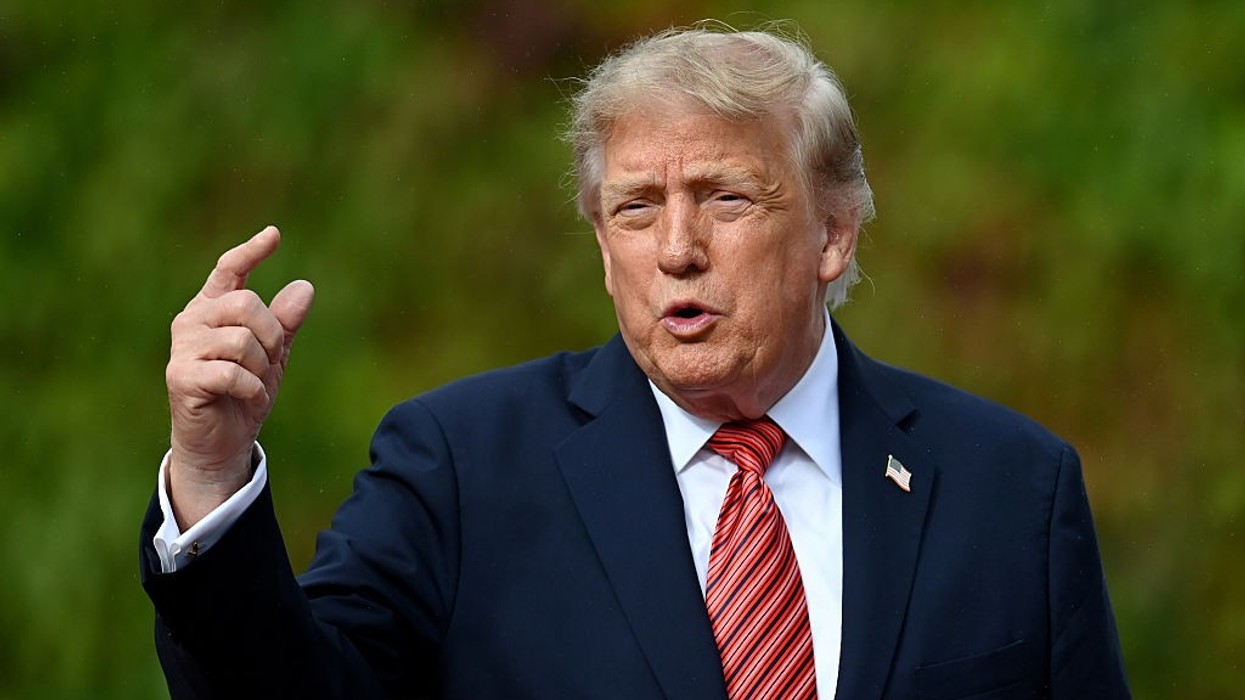
US President Donald Trump has extended by one year the $100,000 fee imposed on employers bringing foreign workers to the United States through the H-1B visa program, according to the White House.
In a presidential proclamation issued Friday, Trump said the fee introduced in 2025 had resulted in a 92% decrease in H-1B registrations by large IT outsourcing companies.
“An extension of the 2025 Proclamation will continue to protect the economic and national security interests of the United States, improve labour market access for American workers and graduates, and ensure that employers recruit only the most highly-skilled and essential alien workers when needed in line with the original intent of the program,” Trump said.
The 2025 fee order had been due to expire this month.
Indians among largest H-1B beneficiaries
Indians remain the single largest beneficiary group of the US H-1B visa program.
The 2025 decision to impose the $100,000 fee has also faced a legal challenge, with the matter currently before two different federal courts.
The fee order did not apply to visas granted to foreign citizens already in the United States on student visas, who account for a large share of new H-1B recipients. It also did not apply to renewals of existing visas.
Employers face closer review
The extended order also sets a 30-day deadline for the Secretary of Labor, acting through the Wage and Hour Division, to begin reviewing data from previously submitted labor condition applications.
The review will determine whether additional action against employers sponsoring H-1B workers is warranted.
The administration is also increasing scrutiny of H-1B applications through greater coordination between federal agencies.
“The Order enhances program integrity in the H-1B visa program by improving interagency coordination and directing enhanced scrutiny of H-1B visa applications where there is a heightened risk that American workers would be laid off,” a White House fact sheet said.
Layoffs to be considered in H-1B decisions
Under the separate proclamation, the Secretaries of State, Labor and Homeland Security will consider employers' recent or planned layoffs of similarly situated US workers when reviewing H-1B visa applications.
The move adds another layer of scrutiny for employers seeking to bring foreign workers into the United States.
Trump said the H-1B nonimmigrant visa program was created to identify uniquely skilled and highly specialized foreign temporary workers who could strategically supplement the US economy.
“Instead, the program has been widely abused by certain employers, third-party placement groups, and outsourcing firms to undercut and displace the supply of skilled United States labour,” Trump said.
The extension keeps the $100,000 fee and heightened scrutiny at the center of the administration's approach to the H-1B program, while the earlier fee decision continues to face legal challenges.

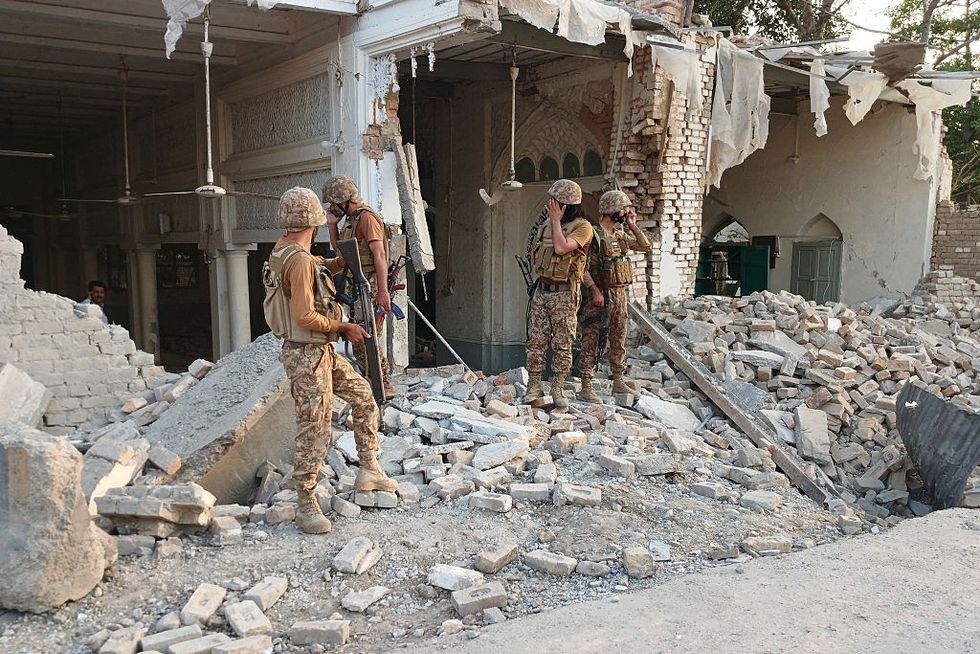 Army personnel stand amid the rubble following an explosion inside the police headquarters at Kohat in Pakistan's Khyber Pakhtunkhwa province on September 18, 2026. An explosion at a historic police headquarters in northern Pakistan on September 18 killed at least eight people and wounded 35 more, officials said, with the country's president swiftly blaming a militant group. Getty Images
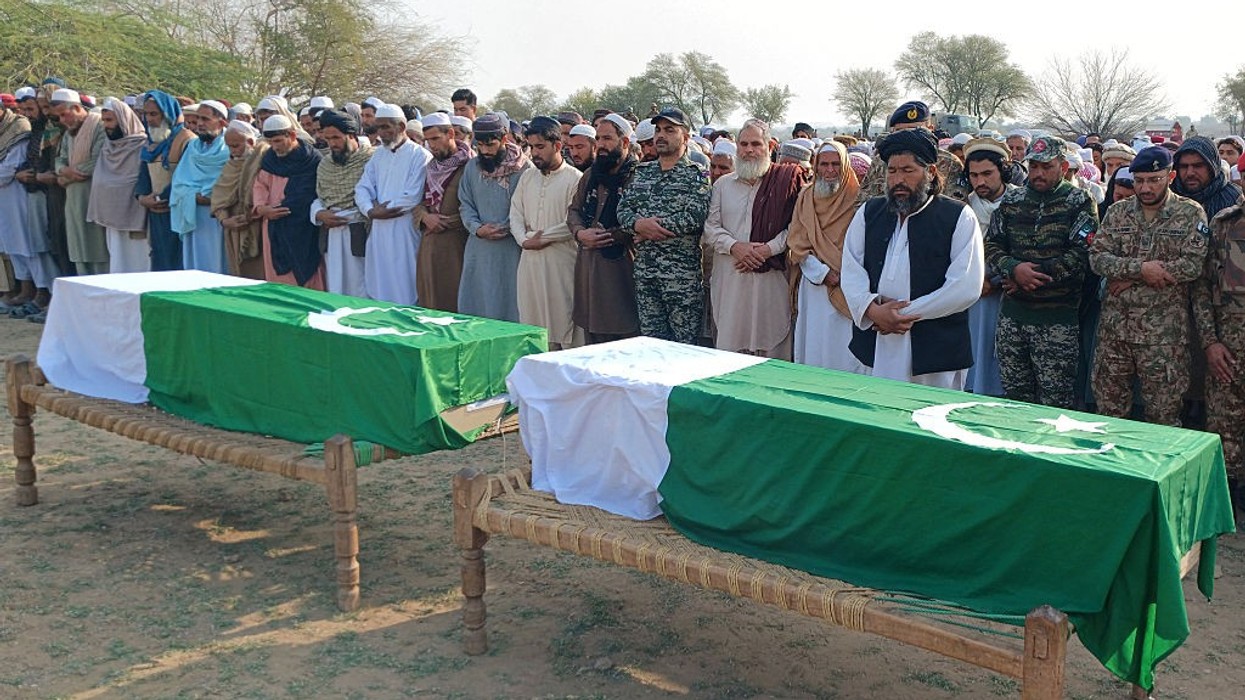
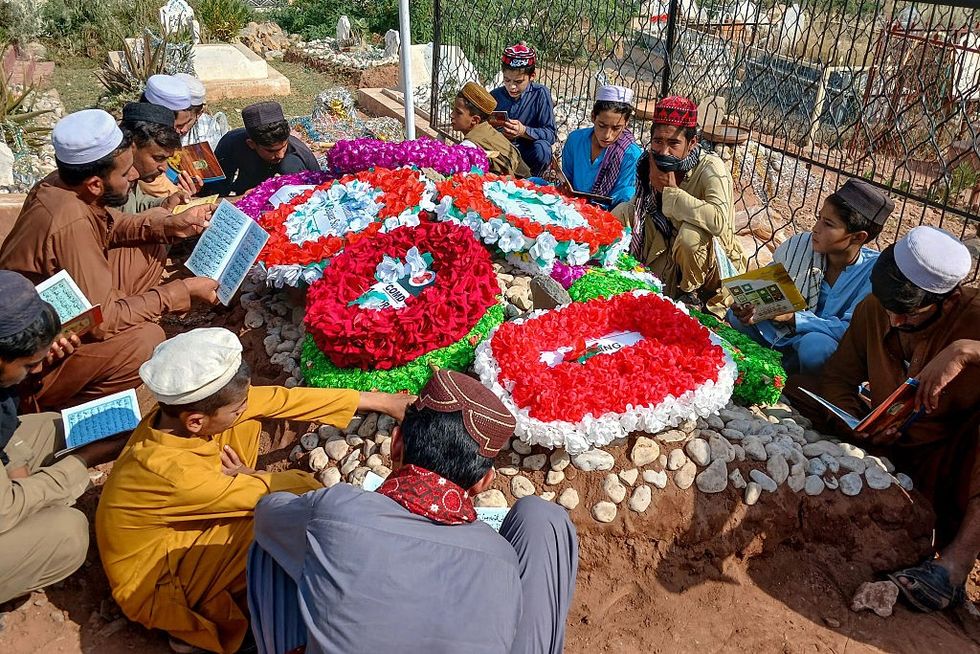 Mourners read the holy Quran while sitting around the grave of a paramilitary personnel of the Frontier Corps (FC) who was killed during the Afghanistan-Pakistan border clashes, in Kohat on October 17, 2025. A ceasefire along the frontier between Afghanistan and Pakistan was holding on October 16, officials on both sides said, after dozens of troops and civilians were killed in cross-border clashes.Getty Images