

Veteran Bollywood actor Manoj Kumar has passed away, leaving the industry and fans heartbroken. The iconic actor, known for his patriotic films and his unforgettable title ‘Bharat Kumar,’ suffered a fatal heart attack. His medical reports confirm that the cause of death was cardiogenic shock due to acute myocardial infarction.
The news of Manoj Kumar’s death has led to an outpouring of tributes from the Bollywood fraternity. Actor Akshay Kumar and filmmaker Karan Johar are among the many celebrities remembering his legacy, celebrating his contribution to Indian cinema.
Akshay Kumar, who has often been compared to Manoj Kumar for his patriotic roles, shared an emotional message on social media, acknowledging the late actor’s influence on his career.
“I grew up learning from him that there’s no emotion like love and pride for our country. And if we actors won’t take the lead in showing this emotion, who will? Such a fine person, and one of the biggest assets of our fraternity. RIP Manoj Sir. Om Shanti,” Akshay tweeted.
Manoj Kumar had previously praised Akshay Kumar, calling him his successor in portraying patriotism on screen. This admiration was mutual, as Akshay has always considered Manoj Kumar a mentor and an inspiration.
Filmmaker Karan Johar also remembered the legendary actor, sharing his childhood memories of watching Kranti (1981)—one of Manoj Kumar’s most iconic films. “I vividly remember watching Kranti as a child. The impact it had on me was immeasurable. Manoj Kumar’s ability to blend storytelling with a strong sense of nationalism is unparalleled. Indian cinema has lost a true legend today,” he wrote.
Director Vivek Ranjan Agnihotri also paid a heartfelt tribute to Manoj Kumar, highlighting his contributions to Indian cinema.
Manoj Kumar, known for his impactful films like Upkar (1967), Purab Aur Paschim (1970), Roti Kapda Aur Makaan (1974), Kranti (1981), and Clerk (1989), revolutionized Indian cinema by incorporating nationalism into mainstream entertainment. His portrayal of a selfless patriot made him a household name, and he remained a beloved figure in Bollywood throughout his career.
His contributions were recognized with multiple awards, including the Dadasaheb Phalke Award, India’s highest honor in cinema, which he received in 2016.
Manoj Kumar’s influence extended beyond acting—he was also a filmmaker who shaped the industry’s approach to patriotic storytelling. His unique style of integrating social issues with compelling narratives continues to inspire filmmakers even today.
As news of Manoj Kumar’s demise spread, fans took to social media to express their grief and admiration for the actor’s unparalleled contributions to Indian cinema. Many revisited his iconic dialogues and film moments, sharing clips and heartfelt messages.
Comments such as “Bollywood has lost its true patriot,” “A legend never dies,” and “Manoj Kumar will forever be Bharat Kumar in our hearts” flooded social media platforms.
His legacy will continue to thrive through his timeless movies, reminding generations of the spirit of nationalism and the power of meaningful cinema.







Katrina Kaif reacts to postpartum beauty comments, reveals her 'skin became sensitive' and 'feeling best matters more'
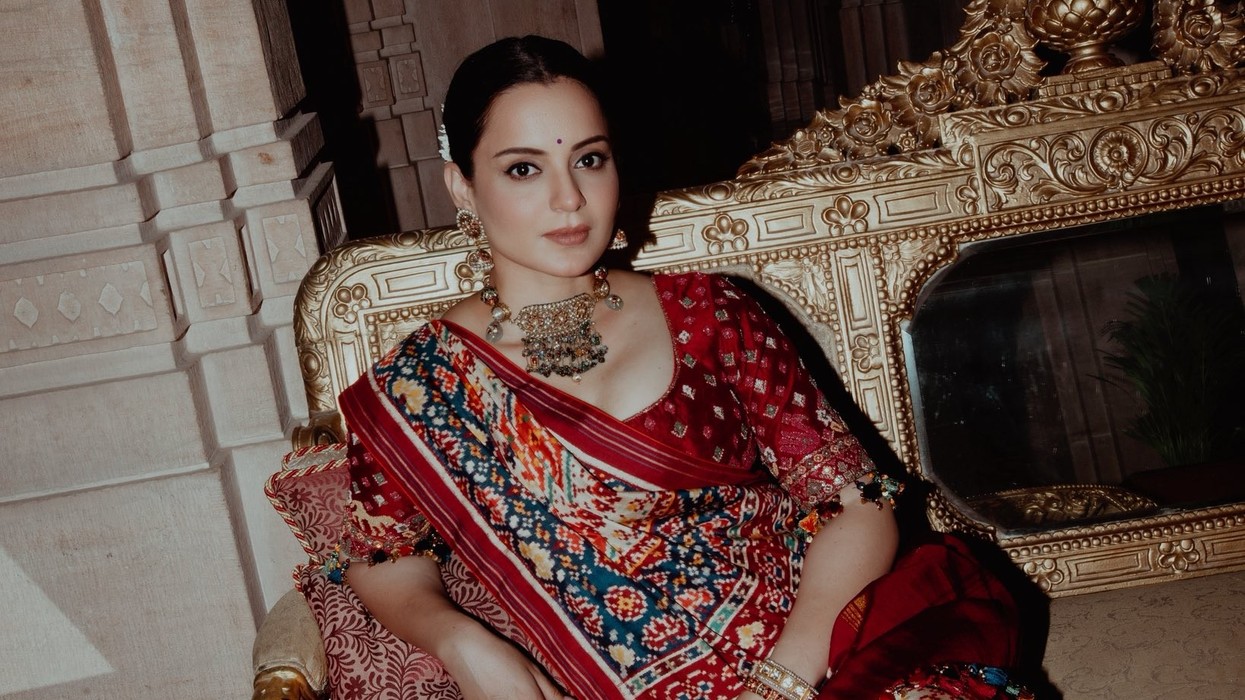
Katrina Kaif attends the green carpet at the NEXA IIFA Awards at Jaipur Exhibition and Convention Centre on March 09, 2025 in Jaipur, India.
Katrina Kaif has spent much of her career being associated with beauty — from modeling and Bollywood films to red-carpet appearances and her makeup business. But motherhood has changed the way the actor looks at her appearance.
In a recent conversation with The Hollywood Reporter India, Kaif spoke about beauty standards, self-care and the changes she experienced after giving birth. Her comments come as paparazzi photographs and videos of the actor have drawn harsh reactions online, with some social media users comparing her postpartum appearance with how she looked earlier in her career.
Rather than focusing on returning to her old appearance, Kaif said her priorities have changed. For her, looking her best now starts with feeling her best.
Katrina Kaif reacts to changing beauty standards
Kaif recalled the pressure surrounding beauty when she began her modeling and acting career. She said there were many stereotypes about what women were expected to look like.
Today, she views beauty differently.
“Looking my best is really about feeling my best,” Kaif said, explaining that taking care of herself as a whole has become more important.
She linked that feeling to several aspects of her lifestyle, including maintaining a healthy diet, staying active, managing inflammation, meditating and spending time away from her phone. She also mentioned getting natural light in the morning as part of her routine.
For Kaif, the connection between health and appearance is straightforward: when she feels healthy, she believes that confidence naturally shows on the outside.
Her comments come at a time when celebrity appearances continue to receive intense scrutiny online. Paparazzi posts featuring Kaif have attracted comments about her postpartum body and appearance, with some users comparing recent images with photographs from earlier stages of her career.
Her skin changed after giving birth
Kaif also opened up about a specific physical change she noticed after pregnancy.
According to the actor, her skin became significantly more sensitive after giving birth. That made it difficult for her to determine which products were actually working for her.
She is now focusing on what she describes as deep cellular hydration, strengthening her skin barrier and keeping her skin calm and resilient.
Dermatologist Dr. Shireen Furtado, senior consultant in medical and cosmetic dermatology at Aster CMI Hospital, explained that postpartum hormonal changes, stress, sleep disruption and dehydration can affect the skin in different ways.
Skin may become drier, more sensitive, oilier or more prone to pigmentation after childbirth. Because of those changes, she advised new mothers to focus on basic skin health instead of trying to immediately recreate their pre-pregnancy appearance.
Kaif’s postpartum approach is more about self-care
For Kaif, the shift appears to be bigger than skincare. Motherhood has changed the way she defines looking good.
Instead of chasing a particular appearance, she is emphasizing health, balance and understanding what her body and skin need at a particular stage.
Furtado similarly recommends keeping postpartum skincare simple, with a gentle cleanser, moisturizer and broad-spectrum sunscreen as a starting point. She also cautions against unnecessary products, harsh scrubs, strong exfoliants and irritating fragrances when skin is sensitive.
Some ingredients, including retinoids, require particular caution during breastfeeding and should be discussed with a dermatologist before use.
Kaif's comments offer a different perspective on the pressure faced by women after childbirth, particularly public figures whose appearances are constantly photographed and discussed.
Her message is less about looking the way she did before motherhood and more about feeling comfortable in the person she is now. For an actor whose appearance has been part of public conversation throughout her career, that represents a noticeable shift in how she approaches beauty.