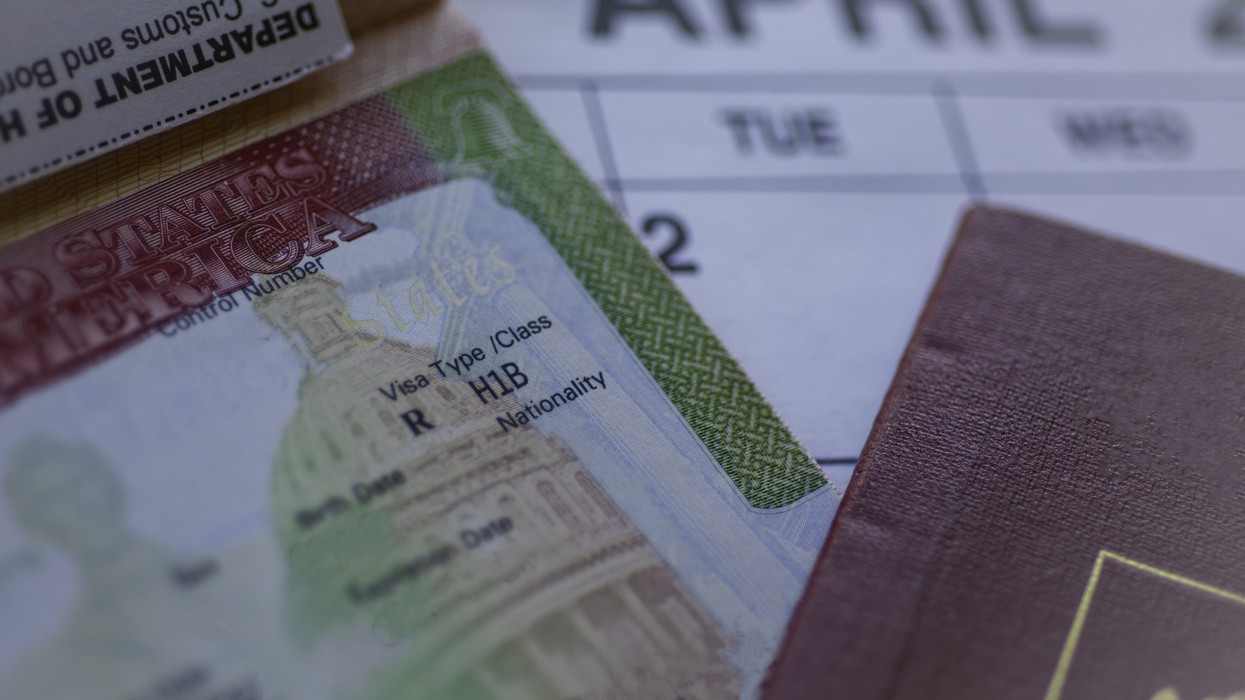

THE FOUNDATION for India and Indian Diaspora Studies (FIIDS) has welcomed tighter scrutiny of H-1B visa applications, but cautioned it should not come at the cost of American innovation, since jobs requiring highly specialized skills cannot always be filled immediately from the domestic labor pool.
The statement offers Indian professionals and employers a clearer picture of what the latest changes mean and what comes next.
What's changed
President Donald Trump has extended by a year the requirement for a $100,000 payment on certain H-1B visa petitions, the White House said. In a presidential proclamation issued Friday, Trump said the 2025 measure had already led to a 92 percent decrease in H-1B registrations by large IT outsourcing firms.
Trump extends $100,000 H-1B fee for another year as US tightens scrutiny of foreign workers
He also issued a separate order directing US agencies to weigh recent or planned layoffs of similarly situated American workers when reviewing H-1B applications, a measure the White House said is meant to prevent employers from using the program to undercut or displace US workers.
Who is affected
Indians remain the largest group of beneficiaries of the H-1B program, meaning both measures disproportionately affect Indian applicants and the companies that sponsor them.
FIIDS said it understood the administration's intent to protect American workers and address genuine abuse of the program, calling those legitimate objectives.
Where FIIDS draws the line
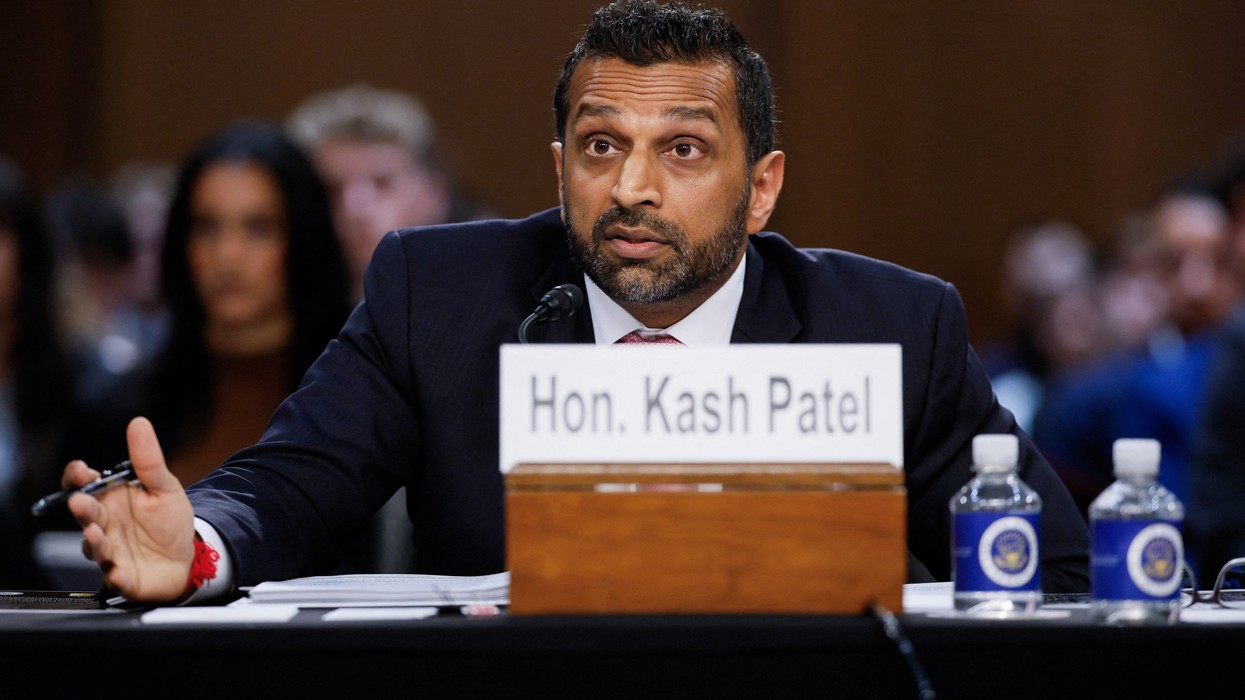
Khanderao Kand, chief of policy and strategy at FIIDS, said fields such as artificial intelligence, cybersecurity, advanced semiconductors, cloud infrastructure and specialized data engineering often face real, specific skills gaps that cannot be filled quickly from the domestic workforce.
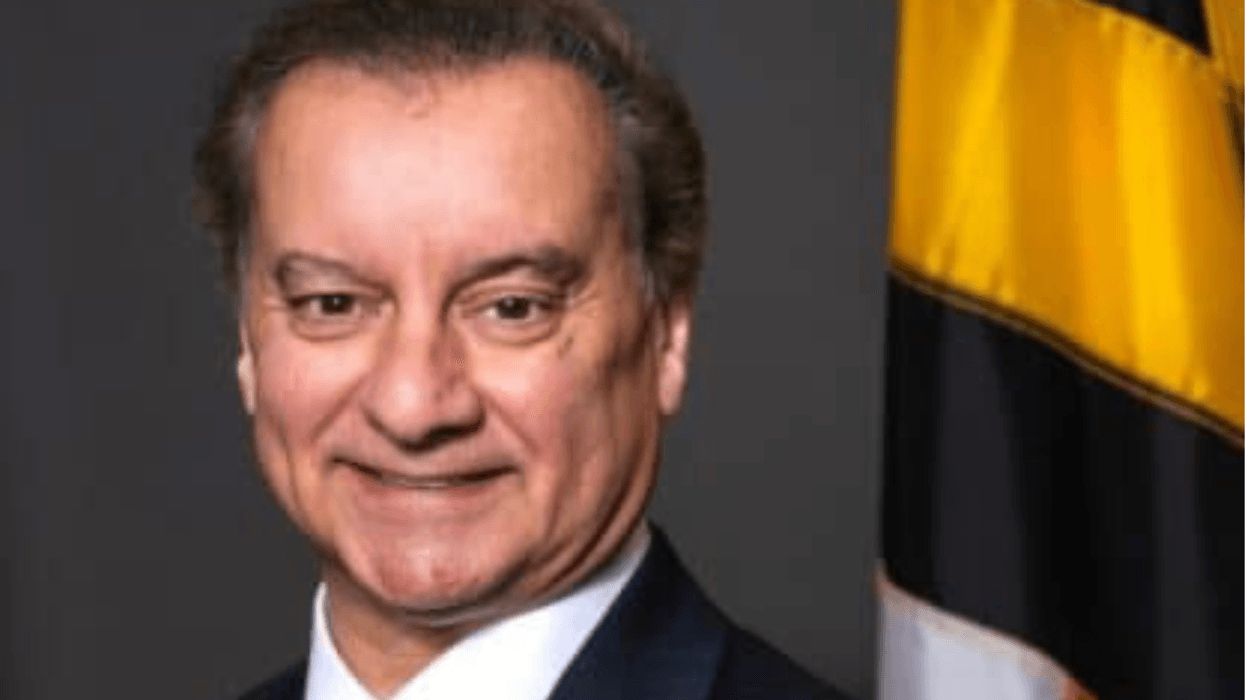
Ajay Bhutoria, a former advisor to President Joe Biden, said oversight should target "bad corporate actors" rather than penalize compliant, legal visa holders who "play by the rules, pay taxes, and contribute significantly to American innovation."
Congress slams H-1B fee extension as 'humiliation' for India
What reform should look like, according to FIIDS
Kand called for a transparent, enforceable, merit-based system built on: rigorous anti-fraud enforcement; meaningful consequences for employers who abuse the program; strong wage and recruitment safeguards; sustained investment in domestic education, training and reskilling; and a lawful, predictable path for employers to hire global talent where a documented specialized need remains.
FIIDS said any new rules should be evidence-based and target demonstrable misconduct, rather than relying on broad assumptions based solely on a company's headcount or visa usage.
(With inputs from PTI)