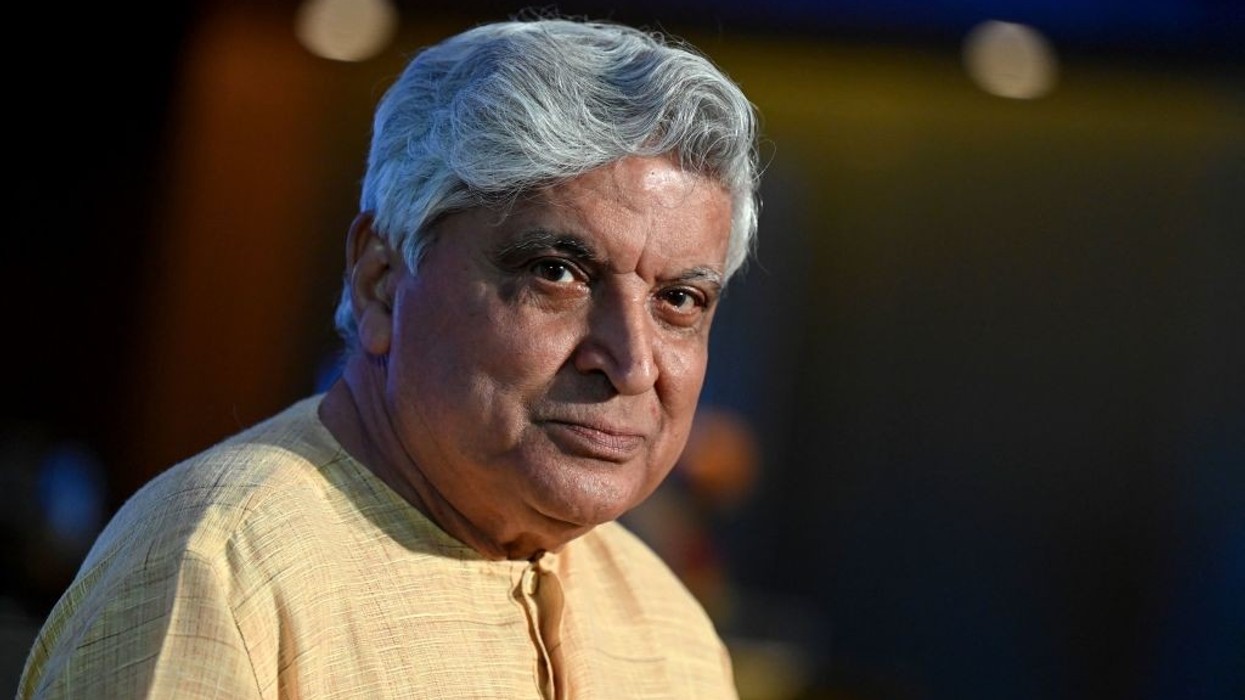

Veteran lyricist and screenwriter Javed Akhtar has entered the ongoing debate around so-called “propaganda” in cinema with a clear and measured perspective. Speaking at a media interaction during the PC Chandra Puraskar event in Kolkata, where he was honored for his contribution to the arts, Akhtar addressed the growing tendency to label films based on perceived ideological leanings. He also expressed admiration for filmmaker Aditya Dhar’s film Dhurandhar, which has recently sparked discussion on the same issue.
Responding to questions about whether films like Dhurandhar should be categorized as propaganda, Akhtar dismissed the framing of the debate itself. He said, “I don’t know what you mean by propaganda films. I loved Dhurandhar, which was an excellent film. I loved the first one more than the second one.”
Expanding on his point, Akhtar addressed the broader nature of storytelling and its inherent connection to perspective. He emphasized that every narrative reflects a viewpoint and questioned why that should automatically lead to it being labeled as propaganda. “Every story takes some stand, but does it become propaganda because the narrative isn’t suited to a section of the audience? Everyone has the right to propagate their ideas. What is wrong with propaganda films? The task of every filmmaker is to present the truth. Even if the narrative of a movie is built on a fairy tale, it will have some ideology in a way,” he added.
Akhtar’s remarks come at a time when debates over political messaging in films continue to divide audiences and critics. His comments shift the conversation toward a broader understanding of cinema as a medium that naturally reflects ideas, beliefs, and interpretations.
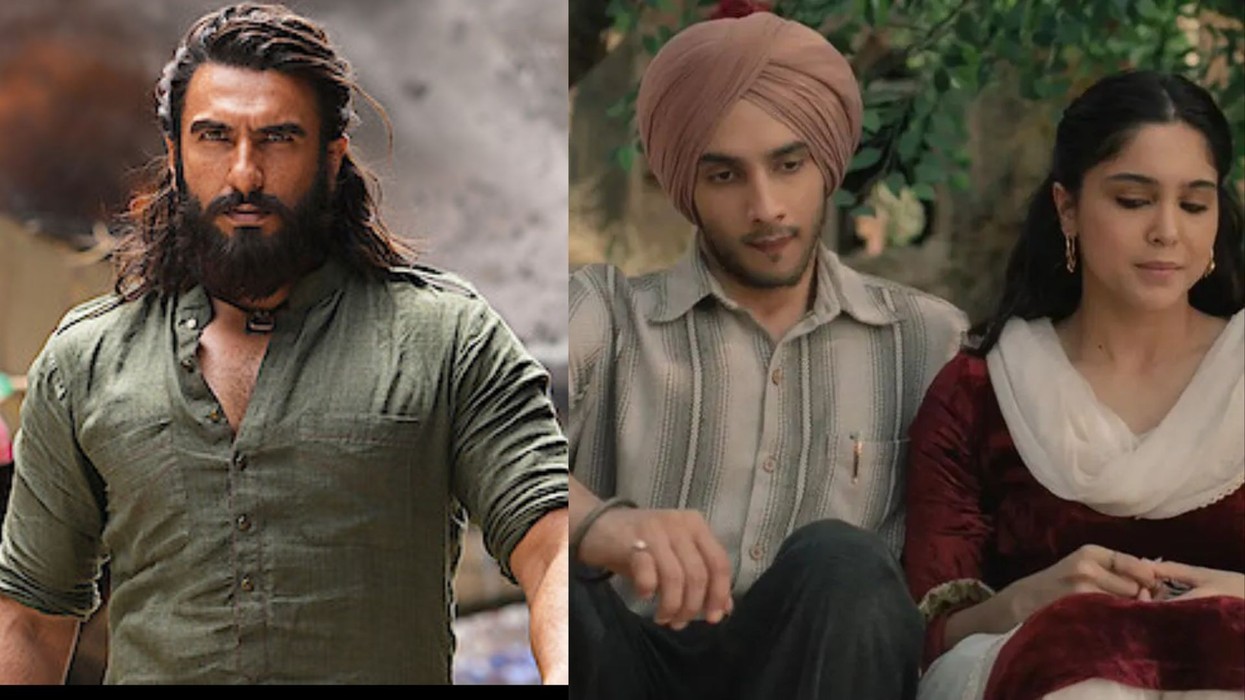
Meanwhile, Dhurandhar, directed by Dhar and featuring Ranveer Singh in the lead role, has remained at the center of this discussion. The spy thriller has received praise for its scale and storytelling. At the same time, some critics have questioned its political undertones, suggesting that it appears to favor certain narratives while downplaying others. The filmmaker has not publicly responded to these claims so far.
Despite differing opinions, Akhtar’s stance highlights a consistent theme: cinema is inherently shaped by perspective. His comments reinforce the idea that filmmakers have the freedom to tell stories from their own viewpoints, while audiences remain free to interpret those stories in their own way.