
Highlights:
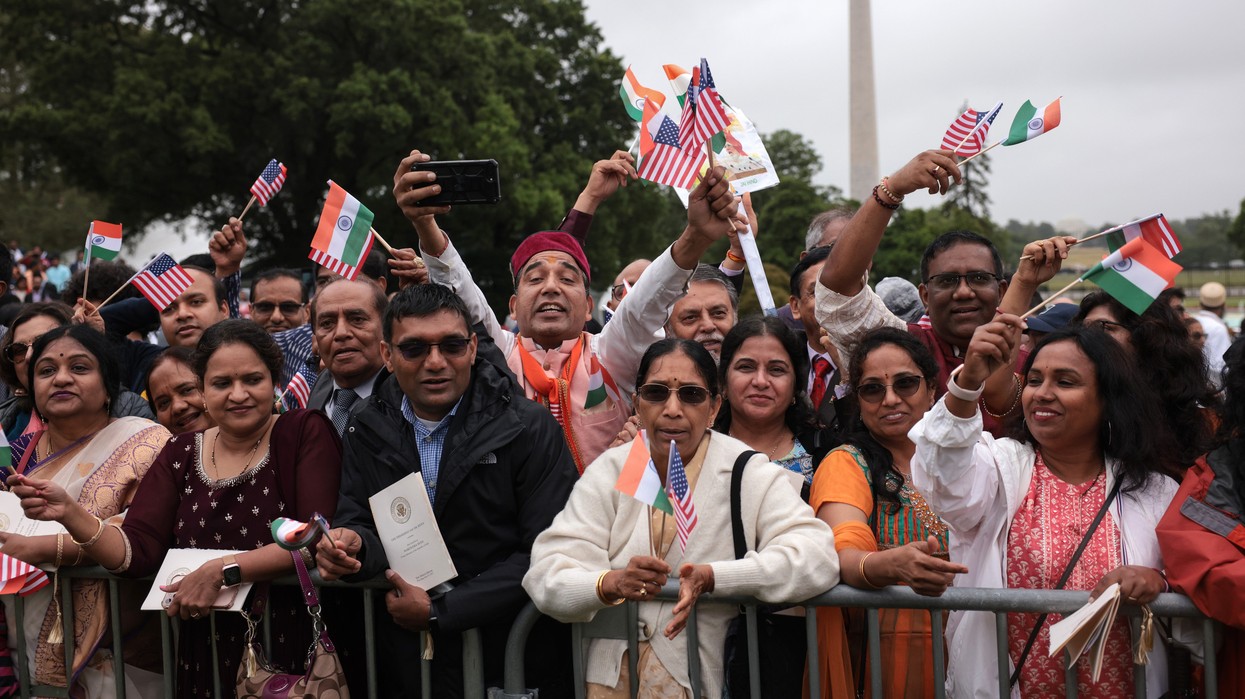
ONE in four south Asian American likely voters who supported Donald Trump in the 2024 presidential election say they plan to vote for Democratic candidates for Congress in the November 3 midterm elections, according to a survey highlighting economic concerns and changing political preferences within the community.
The nationwide poll, conducted by research firm HIT Strategies for Indian American Impact, found that 60 per cent of likely south Asian American voters plan to vote Democratic for Congress, compared with 22 per cent who intend to support Republicans. Another 17 per cent were undecided.
Among likely voters who backed Trump in 2024, 25 per cent now intend to vote Democratic, while 67 per cent plan to support Republicans. Among those who voted for Kamala Harris in 2024, 96 per cent intend to vote Democratic.
The survey covered 800 registered South Asian American voters nationwide, 87 per cent of whom were Indian Americans. The remaining respondents identified as Pakistani, Bangladeshi, Sri Lankan, Nepali, Bhutanese, Maldivian, Afghan, Khmer and Burmese.
Roshni Nedungadi, chief research officer and founding partner at HIT Strategies, told India Weekly that the unweighted sample included 239 respondents who voted for Trump in 2024.
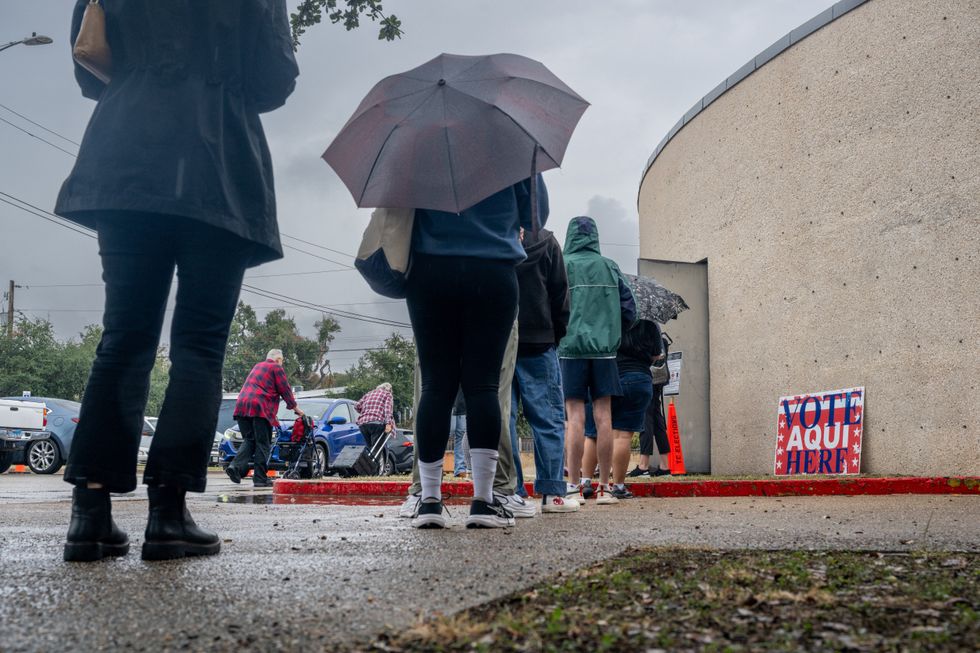 Economic concerns remain central for south Asian voteGetty Images
She said economic concerns were influencing some former Trump supporters.
“We are likely seeing some Trump voters splinter away from the Republican Party over his handling of the economy,” Nedungadi said.
“Cost of living is the dominant issue for South Asian American voters, including those who supported Trump.”
The poll found that 65 percent of likely voters cited cost of living as a leading issue, followed by healthcare at 53 percent, jobs and wages at 33 percent and education at 28 percent. Cost of living ranked first among Democratic, Republican and independent voters.
Former Trump voters and their political preferences
Nedungadi said south Asian Americans who supported Trump were not necessarily ideologically aligned with conservative politics.
“South Asian American Trump voters are also less anchored to the Republican Party than many assume. While many hold more traditional values, such as respect for elders, that rarely translates into a conservative identity. Only 25 percent of south Asian likely voters who supported Trump in 2024 identify as conservative, and just 4 percent as very conservative. A plurality, 49 percent, identify as moderate.”
The findings show that some former Trump voters are considering different choices in congressional contests, although a majority still intend to support Republicans.
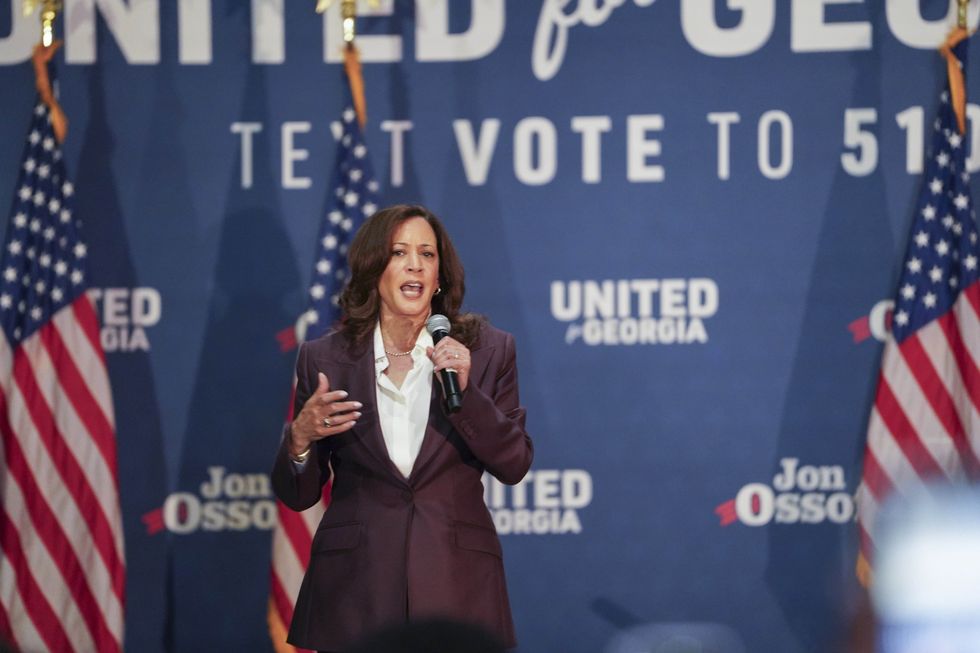 Kamala Harris at a rally in Atlanta, Georgia Megan Varner/ Getty Images
The survey does not establish why individual respondents intend to change their voting preference or whether this represents a lasting change in party allegiance.
Economic concerns of voters and political representation
Alongside their voting preferences, respondents expressed dissatisfaction with how elected officials represent ordinary people.
While 78 percent said their vote could bring about change, 79 percent felt elected officials quickly lost touch with ordinary people. Another 67 percent said public officials did not care about the views of people like them, while 43 percent felt they had no say in government decisions.
Pure independents accounted for 17 percent of registered south Asian American voters in the survey. Among them, 72 percent were undecided about their congressional choice, while 55 percent had not voted in the 2024 presidential election.
Only 63 percent of these independent voters believed their vote could bring about change, compared with 78 percent of respondents overall.
The survey also found that 16 percent of registered voters had not voted in any general election since 2020. Among this group, 74 percent still believed their vote could make a difference.
Discrimination and political choices
The survey further highlighted concerns about discrimination among south Asian Americans.
Ninety percent of registered voters said they had experienced discrimination or knew someone who had, including 48 percent who reported personal experiences. Another 89 percent said what happens to south Asians in the US affects their personal lives.
Sumitra Badrinathan, an assistant professor of political science at American University and co-director of the Indian American Attitudes Survey, offered broader context from her own research and told India Weekly that her January 2026 survey found widespread concerns about discrimination, although most respondents had not changed specific everyday or political activities because of those concerns.
 Roshni NedungadiHIT Strategies
“Discrimination matters too, but its relationship with political behavior is complicated,” she said.
“Indian Americans care about the same bread-and-butter issues as other Americans: the economy, inflation, jobs, and the cost of living. We should not assume that their political choices are primarily driven by ethnic identity or India-related issues.”
Her January 2026 survey found that 31 percent had avoided political discussions on social media because of concerns about discrimination or racism. Fewer than one in five had avoided wearing Indian attire or attending political rallies.
“So while discrimination is a real concern, we should be cautious about assuming that it automatically translates into changes in political behavior or voting preferences.
That said, the recent wave of anti-Indian hostility feels qualitatively different, and we do not yet know whether it has changed these patterns,” Badrinathan said.
Her research was based on a separate survey of 1,000 Indian American adults conducted with YouGov between November 25, 2025, and January 6, 2026. It covered Indian Americans rather than the wider South Asian population surveyed by HIT Strategies.
Michigan and Texas in focus
Indian American Impact has highlighted Michigan and Texas as states where south Asian American voter participation could be significant.
 sumitrabadrinathan.github
Michigan has roughly 187,000 south Asian residents, according to figures cited by the organisation. Nearly 30,000 registered south Asian voters did not vote in the 2022 midterm elections, more than the approximately 19,000 votes that decided the state’s 2024 Senate race.
Texas has more than 700,000 south Asian residents, while nearly 100,000 registered south Asian voters did not vote in 2022, the organisation said.
The organisation has also highlighted Georgia, Pennsylvania, Michigan and North Carolina as states where south Asian American voters could matter in closely contested races.
Vasant Bhatt, a 21-year-old second-generation Indian American who interned on Senator Ted Cruz’s election campaign in 2024, said in a social media post that he had voted for Democratic candidate James Talarico in Texas.
“I just cast my ballot for James Talarico. As a second-generation Indian American, I am thoroughly disgusted by the xenophobia, racial resentment, and increasingly brazen attacks on my identity,” Bhatt wrote.
 Getty Images
His decision is an individual account and does not establish a wider change in political preferences among south Asian voters. The survey itself found that 67 percent of likely voters who supported Trump in 2024 still intended to vote Republican.
The findings offer a snapshot of south Asian American voting intentions ahead of November 3, rather than a prediction of the election outcome. They show that economic concerns remain central, while some former Trump supporters are considering Democratic candidates.
Whether those stated intentions translate into votes will become clear when the results are counted.


 Raja KrishnamoorthiGetty Images
 Sarah Shah Indian American Impact
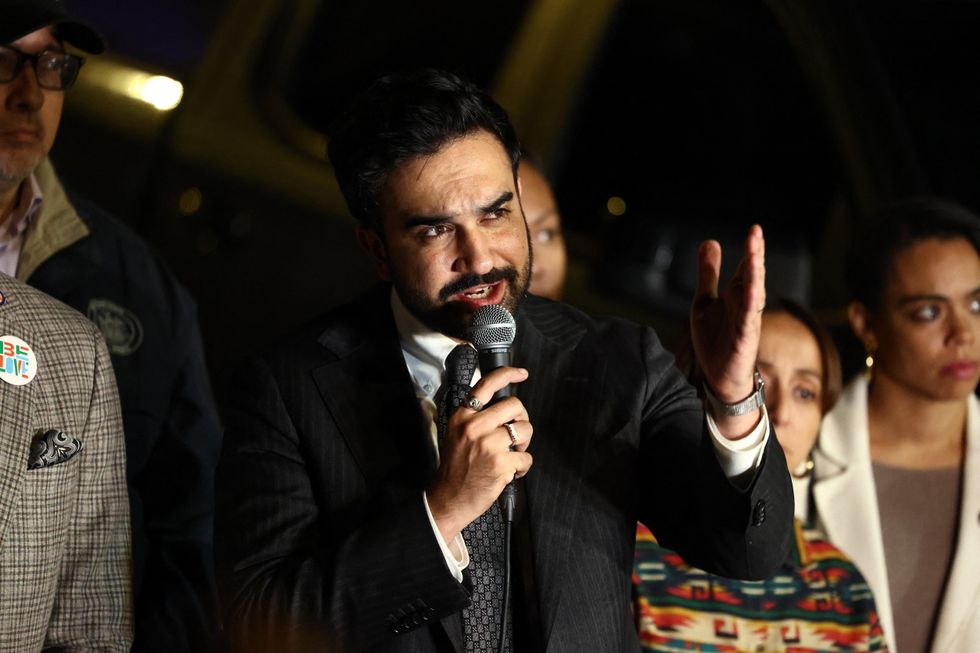 New York mayor Zohran Mamdani Getty Images
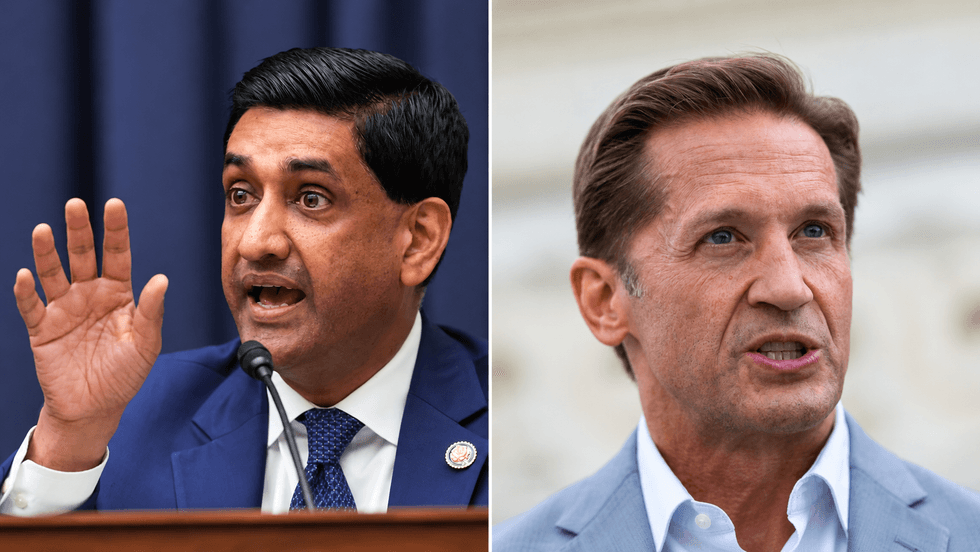 Rich McCormick and Ro KhannaGetty Images




 Chazzy Patel with his electric bike and the memories captured in frames.Google Drive
 Chazzy Patel with his friends he made while circumnavigating on electric bike.Google Drive
 Chazzy Patel's setup in ThailandGoogle Drive



 Outlook