

PAKISTAN would not use nuclear weapons first, prime minister Imran Khan said on Monday (2), amid tensions with India after New Delhi revoked the special status of Kashmir region.
"We both are nuclear-armed countries. If these tensions increase, the world could be in danger," Khan said, addressing members of the Sikh religious community in the eastern city of Lahore.
"There will be no first from our side ever," he said.
The foreign ministry's spokesman subsequently said on Twitter that the comments were being taken out of context and did not represent a change in Pakistan's nuclear policy.
"PM was simply reiterating Pakistan's commitment to peace and the need for both nuclear states to demonstrate responsible behaviour," spokesman Mohammad Faisal said on his official Twitter account.
Tension remains high in Kashmir, where security forces have used tear gas against stone-throwing protesters and the valley remains under lockdown after Indian prime minister Narendra Modi's decision to withdraw special rights for the Muslim-majority state on August 5.
By stripping Kashmir of its special status, New Delhi blocked the region's right to frame its own laws and allowed non-residents to buy property there.
Delhi said the change would help Kashmir's development, to the benefit of all, but its move angered many residents of the region and was strongly condemned by Pakistan.
Khan has so far focused on a global diplomatic campaign condemning India's actions, accusing Modi of committing human rights violations and atrocities in the valley.
He has also said frequently that any misadventure between two nations could endanger the world.
Muslim-majority Kashmir has long been a flashpoint between India and Pakistan.

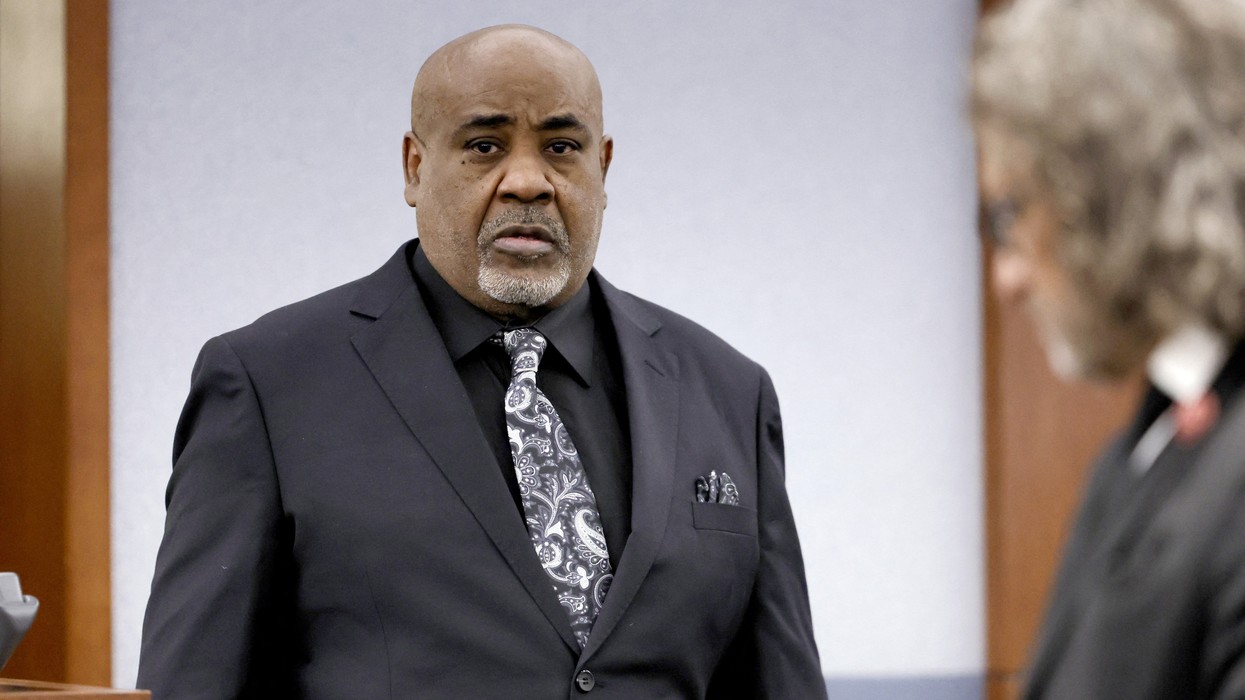
 A 1996 photo of rapper Tupac Shakur (L) and Marion "Suge" Knight is shown on screens during closing arguments in the Duane Davis murder trial, related to the 1996 killing of rapper Tupac Shakur, at Clark County District Court at the Regional Justice Center in Las Vegas, Nevada, on August 31, 2026. Getty Images


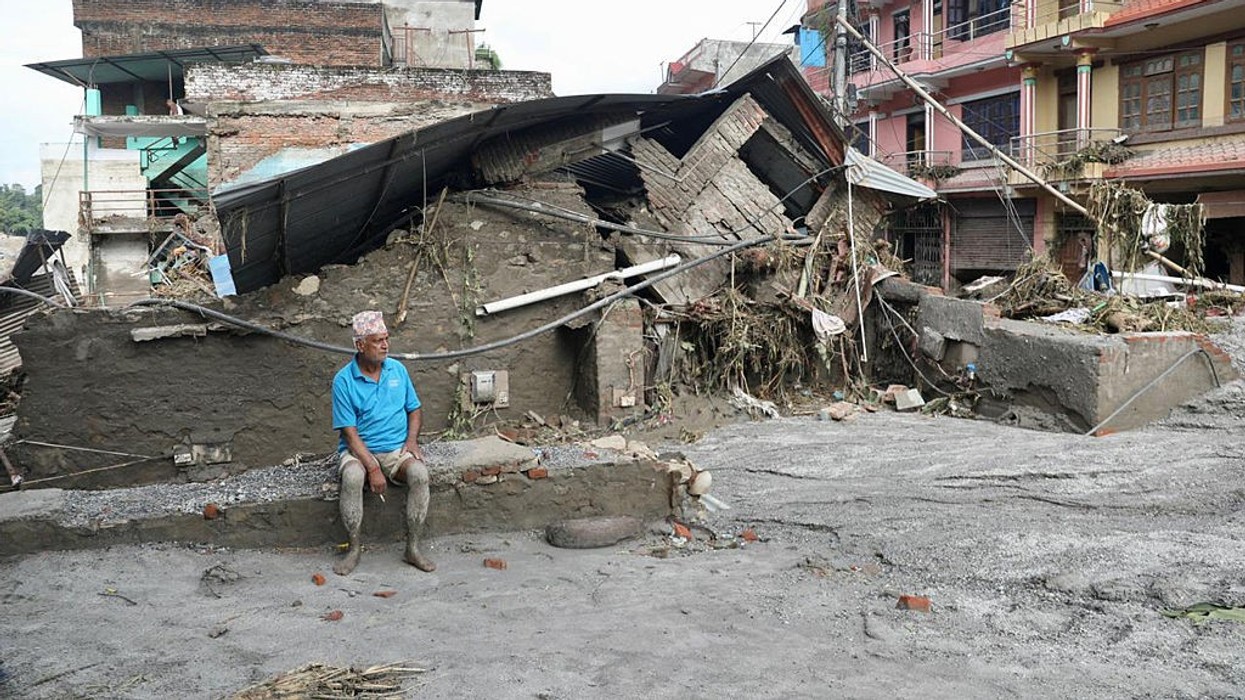
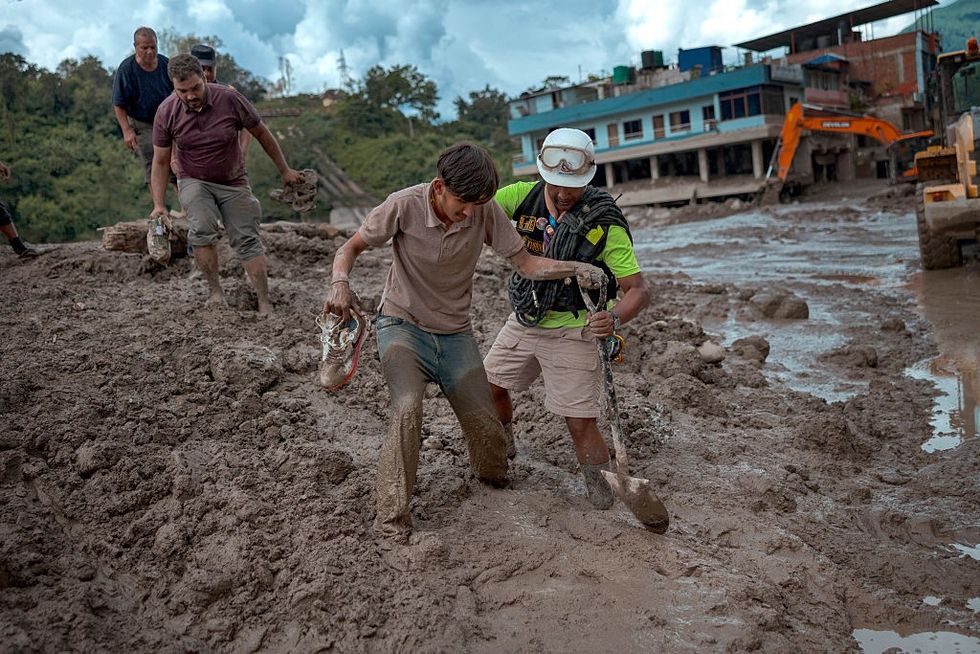 A rescuer assists a resident through heavy mud following flash floods on August 27, 2026 in Trishuli, Nepal. A sudden flood swept through the Bhote Koshi River basin in northern Rasuwa on August 26, damaging settlements, roads and energy infrastructure as rescue teams searched for residents and foreign travellers reported out of contact. Hundreds were reported missing, as the death toll started to climb.Getty Images
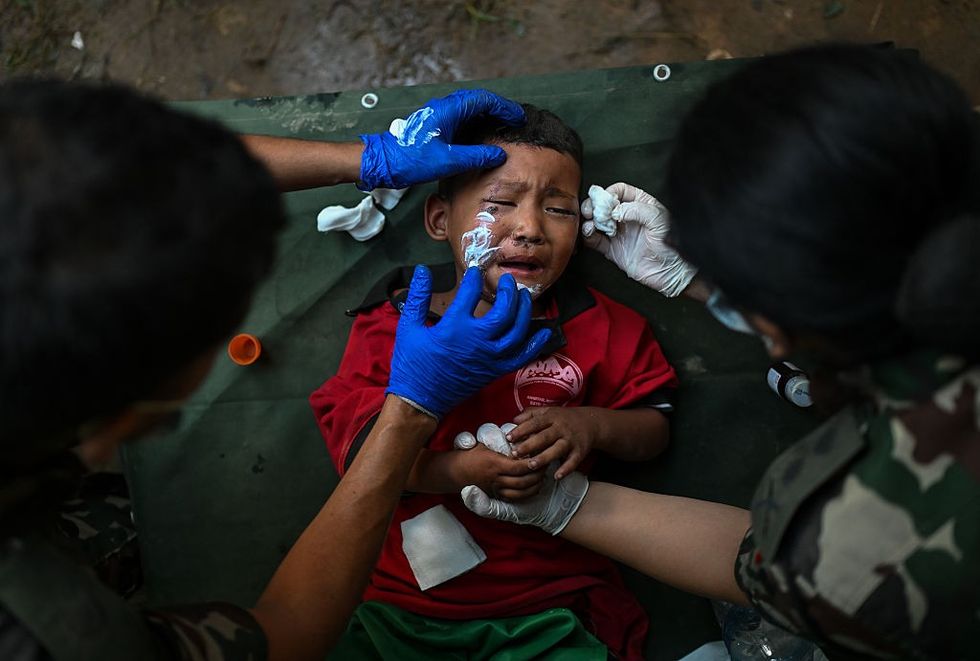 Rescue personnel provide medical treatment to a child at an army rescue camp in Trishuli Batar, Nepal, on August 27, 2026. A sudden flood swept through the Bhote Koshi River basin in northern Rasuwa on August 26, damaging settlements, roads and energy infrastructure, as rescue teams searched for residents and foreign travellers reported out of contact. Hundreds were reported missing as the death toll began to climb. Getty Ima
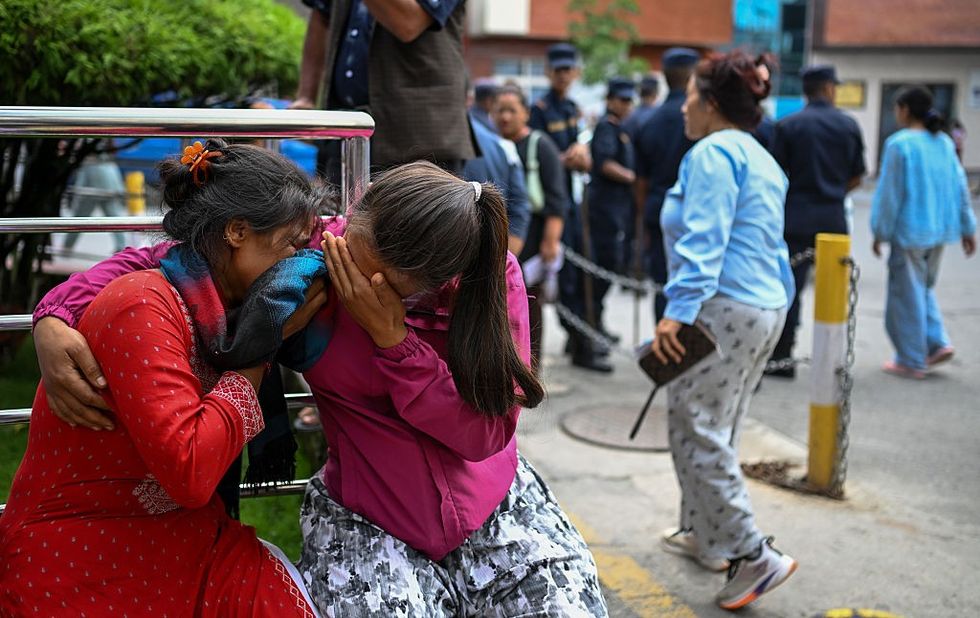 Family members of missing flood victims react at the emergency ward of the Maharajgunj Medical Campus, part of the Tribhuvan University Teaching Hospital, on August 28, 2026 in Kathmandu, Nepal. Authorities said the flash floods were triggered after a mass of ice, mud and rock collapsed into a Himalayan river near the Nepal-China border, leaving hundreds dead or missing and causing widespread damage in affected districts. Authorities continued the gruelling search for victims, many buried under metres of mud, as both China and Nepal issued fresh flooding alerts.Getty Images