
Highlights:
- Horse carriage ban bill renamed "Romanch’s Law" after Indian teen’s death
- Romanch Mahajan died after falling from a runaway carriage in Central Park
- Family urges New York City to ban horse-drawn carriages immediately
- Animal welfare groups cite repeated safety risks and horse mistreatment
- Indian Consulate and Central Park Conservancy express condolences and support ban calls
A BILL that seeks to ban horse carriages in New York city has been renamed after an Indian teenager who died following a fall at Central Park.
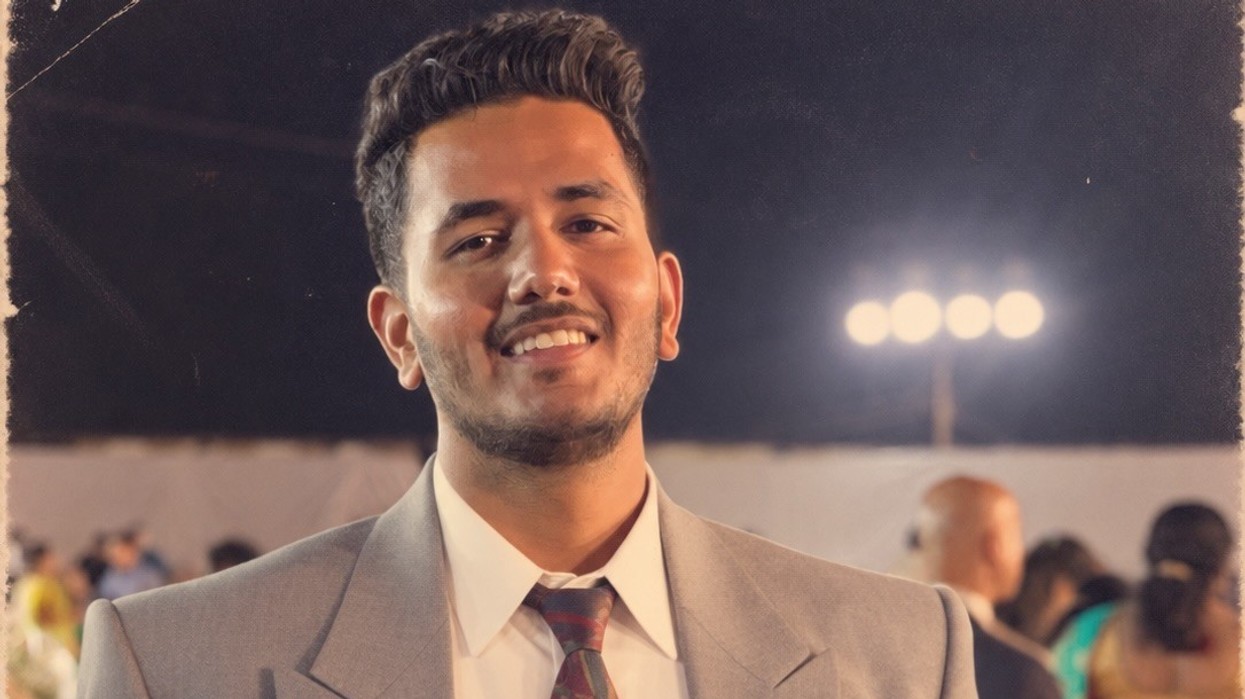
Romanch Mahajan, 18, suffered fatal injuries last week, when he fell from a horse-drawn carriage at Central Park. He jumped off the carriage in an effort to help his mother, who fell as the horse bolted.
A vigil in his memory was held at Central Park on Monday (22). New York City Council member Christopher Marte, who organised the vigil, announced that a bill introduced by him, named ‘Ryder’s law’ – which seeks to ban horse-drawn carriages in New York City – will be changed to ‘Romanch’s Law’ in honour of the teenager.
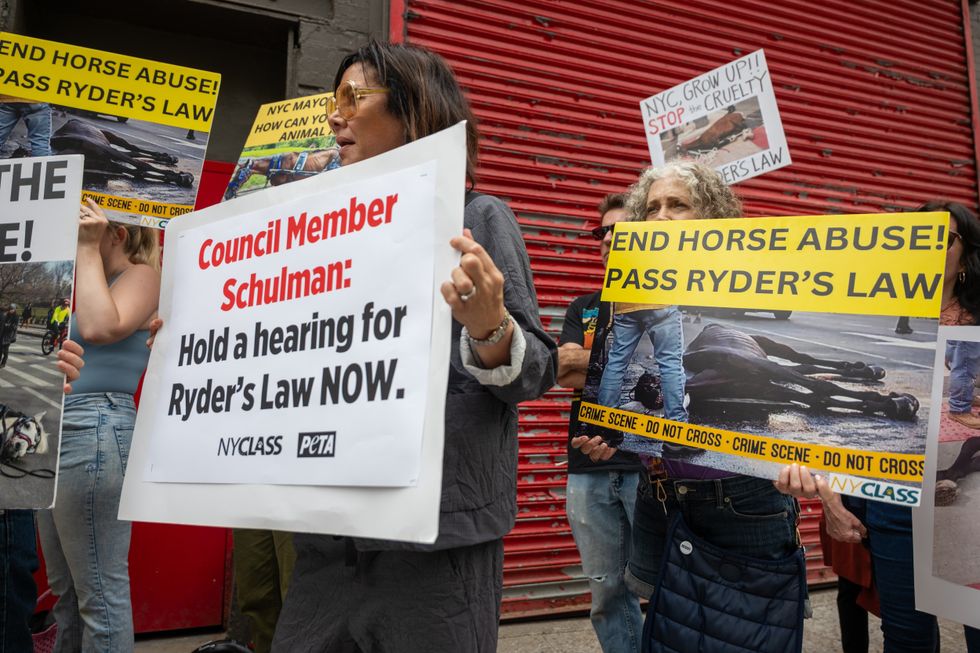
Ryder’s law was named after Ryder, a 26-year-old carriage horse that collapsed in August 2022, while being forced to pull a carriage.
Ryder died in October that year, and following its death, several animal rights and advocacy groups, such as The Animal Legal Defence Fund, called for legislation to ban and replace horse-drawn carriages in New York City.
The bill would wind down the horse-drawn cab industry by prohibiting new licences issued for the operation of horse-drawn cabs.
Plying such cabs would be prohibited beginning June 1, 2028, the Animal Legal Defence Fund said.
“What happened last week is a stain on our city. Why aren’t we taking action immediately?” Marte said.
He read a letter from Mahajan’s family, who called for a ban on horsedrawn carriages.
“The industry responsible for my nephew’s death is preparing to resume passenger tours this Tuesday, treating the loss of Romanch’s life as a temporary inconvenience.
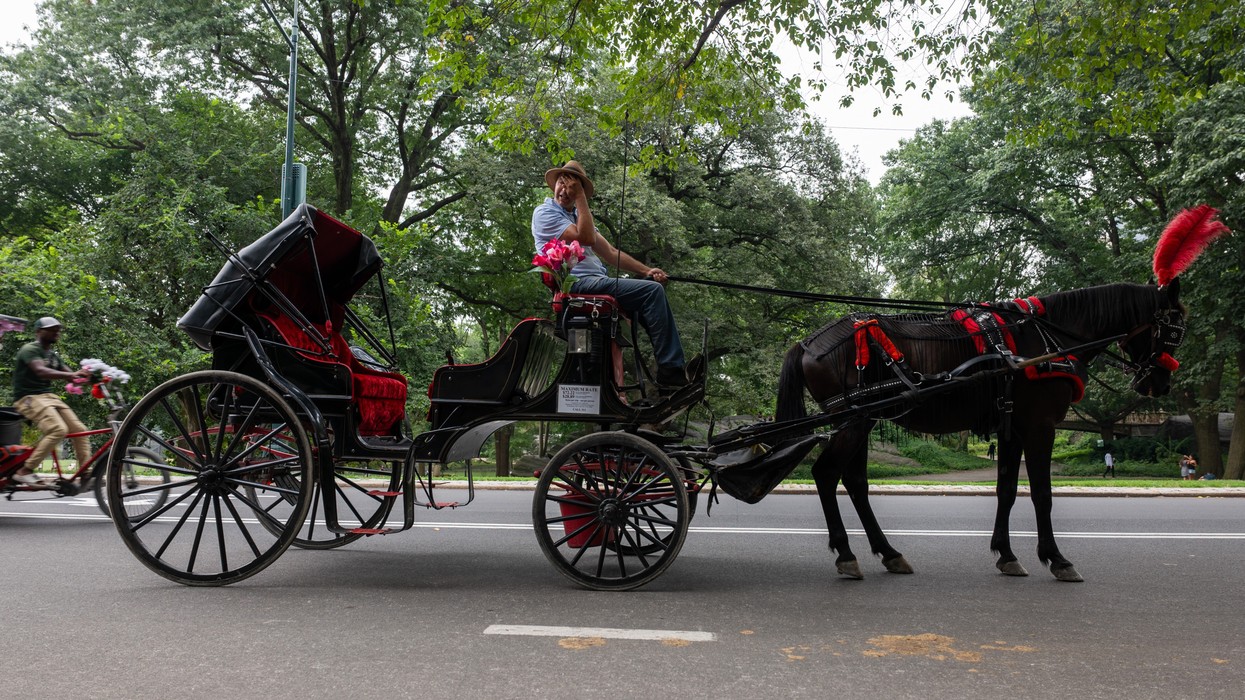
 Animal welfare groups say the horses work long hours on busy city streets in all weather conditionsSpencer Platt/Getty Images
“This is a profound insult to our family and a direct threat to the safety of every tourist and resident in New York City.
“We demand that you use the full power of your office to halt the resumption of these rides immediately. Allowing horse carriages back on the streets while our family is planning a funeral proves that the city values tourism over human life,” the Mahajan family’s letter read, according to an excerpt published in ABC7NY news.
The Animal Legal Defence Fund expressed concern at the condition of the horses and the circumstances under which the animals are made to pull carriages on crowded city roads. “Every summer, horses are used to pull carriages on hot pavements. They are subjected to breathing in heavy exhaust from the congested downtown traffic.
“In winter, they endure freezing temperatures while standing unprotected from the elements, waiting for fares. Day in and day out – rain, sleet, or shine – these horses are worked, often to the point of exhaustion,” it said. The fund noted that under the current law, drivers can work their horses nine hours a day, seven days a week.
“Public safety is at risk when horses are forced to work in traffic. Blinders, which prevent the horses from having a full range of vision, cannot protect them from the blaring horns, crowds of people, and constant noise of busy New York streets.
“When startled, the horses instinctively bolt. The frightened horses have run into heavy traffic and crashed into vehicles and people, causing serious injury to both the horses and innocent bystanders,” it said.
In a message on X, the Consulate General of India in New York said, “We are deeply saddened” by Mahajan’s “untimely demise”.
“Our thoughts and heartfelt condolences are with his family during this difficult time. The Consulate is in touch with the family and is extending all possible assistance and support,” it said.
A spokesperson for the Central Park Conservancy said it was “absolutely devastated” to learn about Romanch’s death.
The Central Park Conservancy, responsible for the day-to-day care of the park, added, “this is the tragedy we feared when we first called last year for horse carriages to be banned from Central Park due to the risks they pose to public safety and public health”.
“That is not an acceptable cost of an antiquated industry operating in the middle of one of the most heavily used public spaces in America,” the Conservancy said.
It renewed its call to pass Ryder’s Law, which would ban horse carriages and provide transitional job placements for drivers.
“Everyday horse carriages are in the park is a day the safety of New Yorkers and visitors is in jeopardy,” it said.
There have been eight horse-related incidents at Central Park over the past thirteen months. The latest tragedy unfolded after the carriage horse bolted when its driver stopped to take a family photograph.
“We were yelling, ‘Help me, help me!’” the New York Times quoted Romanch’s father, Deepak Mahajan, as saying.
The family clung desperately to one another, but when Deepak’s wife, Priya, fell out of the carriage, Romanch jumped down to try to help her, he said.
“My son fell off as he tried to save his mother,” Deepak said.
“He was screaming, ‘Mom!’”
“The horse got scared and ran superfast,” Tatianna Bresler, who works at the Tavern on the Green, told the New York Post.
Bresler, who called 911 as soon as she saw the crash and heard screams, said a witness was able to slow down the runaway horse before the carriage flipped. Romanch hit his head on the ground and lay still.
He died last Wednesday (17) night at the New York-Presbyterian Weill Cornell Medical Centre, the New York Times reported.
The rest of the family – father, mother and Romanch’s younger brother – escaped with minor injuries, though their carriage clipped another carriage and toppled over, shattering into pieces, the report said.