

In India, one in five girls and approximately one in six boys are married, as per a study published in ‘The Lancet Global Health’ journal. The research highlights stagnation in the progress aimed at completely eradicating the practice of child marriage in recent years.
Between 2016 and 2021, the practice of child marriage also became more common in some states and Union territories, researchers said in their study.
Girl child marriages increased in six states, including Manipur, Punjab, Tripura, and West Bengal, while eight states, including Chhattisgarh, Goa, Manipur, and Punjab, witnessed a rise in boy child marriages, the researchers found after analysing data from all five waves of India’s National Family Health Survey from 1993 to 2021.
The research team, comprising researchers from Harvard University and those affiliated with the Indian government, however, said that child marriage had declined nationally.
Prevalence of girl child marriage decreased from 49 per cent in 1993 to 22 per cent in 2021, while that of boy child marriage came down from 7 per cent in 2006 to 2 per cent in 2021, they found.
Nevertheless, progress towards stopping the practice of child marriage altogether has stalled in recent years between 2016 and 2021, the researchers said.
Child marriage numbers reduced the most between 2006 and 2016.
The United Nations Children’s Fund (UNICEF) sees child marriage as a “violation of human rights”, as it “compromises the development of girls and boys.”
Child marriage is often the result of entrenched gender inequality, making girls disproportionately affected by the practice, according to the UN agency.
Ending child marriage is therefore seen to be critical towards achieving the UN’s Sustainable Development Goal (SDG) 5, which is to “achieve gender equality and empower all women and girls” by 2030.
Specifically, SDG target 5.3 seeks to “eliminate all harmful practices, such as child, early and forced marriage and female genital mutilation.”
According to the UN, one in five young women worldwide (19 per cent) were married in childhood in 2022.
While globally, the practice of child marriage has come down, the “profound effects of Covid-19 are threatening this progress, with up to 10 million additional girls at risk of child marriage over the course of a decade from the onset of the pandemic,” the organisation says.
In the study, the researchers considered men and women aged 20-24 who were married before turning 18 in their analysis even though India legally considers marriage of boys before age 21 to be child marriage.
The team included more than 13.4 million women and more than 1.4 million men in their analysis. The researchers noted that increased global attention to doing away with child marriage has led many countries to pass legislations to ban the practice.
In India, they said, policy response to prevent child marriage in India has involved legal prohibition intended to directly prevent child marriage, referring to the Prohibition of Child Marriage Act passed in 2006.
The Act set the legal age of marriage for men to 21 years and women to 18 years.
The researchers added that other policies and schemes were implemented to address the underlying drivers of the practice with such programmes focusing on expanding social protections, increasing girls’ education, and reducing economic vulnerability.
They said that state-level governments have been crucial partners to strengthen efforts to end child marriage.
Citing the example of Uttar Pradesh, they said the state has “achieved dramatic decreases in prevalence and headcount for child marriage in girls.”
Other states, such as West Bengal, have struggled, they said.
The researchers said that evidence gaps on the effective elimination of child marriage globally remain, with interventions such as cash transfers showing poor success in certain geographies, such as India.
They described the observed state-level and Union territory-level stagnation in doing away with child marriage in India as a “big concern” and that “re-igniting” progress in this direction was necessary to achieve the SDG target 5.3.
(PTI)













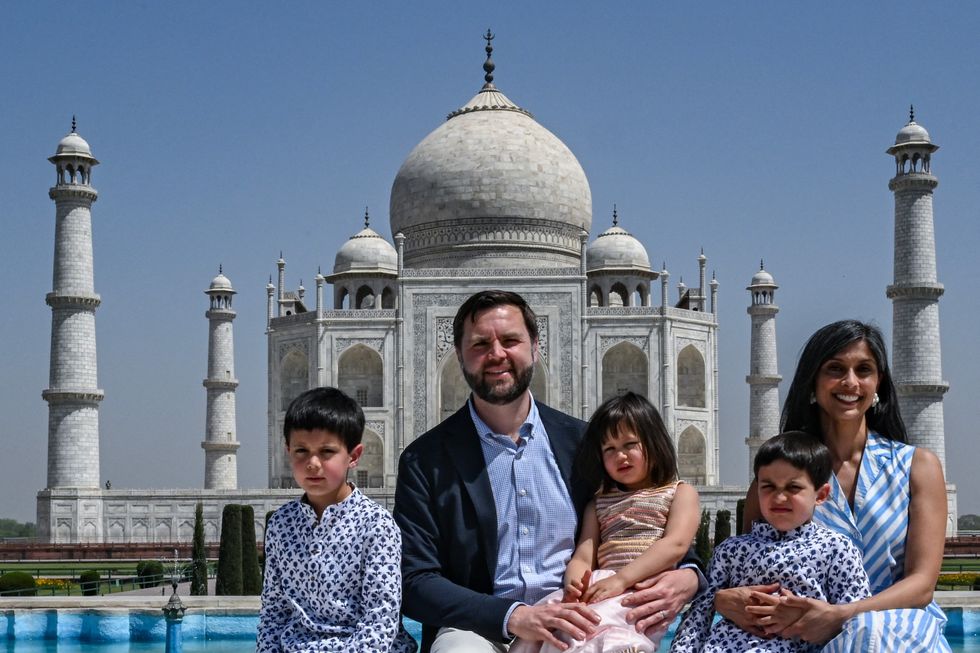 The couple during their visit to the Taj Mahal in Agra earlier this yearxx
 SAN FRANCISCO, CALIFORNIA - OCTOBER 28: Vinod Khosla, Founder, Khosla Ventures, speaks onstage during day two of TechCrunch Disrupt 2025 at Moscone Center on October 28, 2025 in San Francisco, California. (Photo by Kimberly White/Getty Images for TechCrunch)Getty Images
  SAN FRANCISCO, CA - SEPTEMBER 18: AngelList Co-Founder and CEO Naval Ravikant speaks onstage during TechCrunch Disrupt SF 2017 at Pier 48 on September 18, 2017 in San Francisco, California. (Photo by Steve Jennings/Getty Images for TechCrunch)Getty Images
 SAN FRANCISCO, CA - SEPTEMBER 14: Managing Director of General Catalyst Hemant Taneja speaks onstage during TechCrunch Disrupt SF 2016 at Pier 48 on September 14, 2016 in San Francisco, California. (Photo by Steve Jennings/Getty Images for TechCrunch)Getty Images
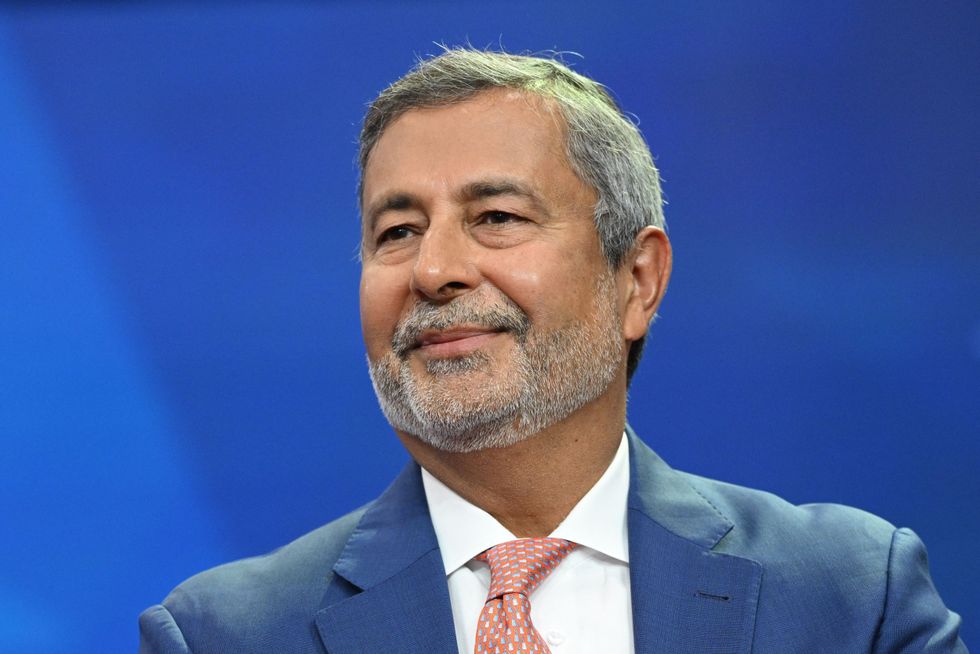 CEO of Micron Technology Sanjay Mehrotra, listens to US President Joe Biden speak about manufacturing, at the SRC Arena and Events Center of Onondaga Community College in Syracuse, New York on October 27, 2022. (Photo by MANDEL NGAN / AFP) (Photo by MANDEL NGAN/AFP via Getty Images)Getty Images
 Google CEO Sundar Pichai looks on during the AI Impact Summit in New Delhi on February 19, 2026. (Photo by Ludovic MARIN / AFP via Getty Images)Getty Images
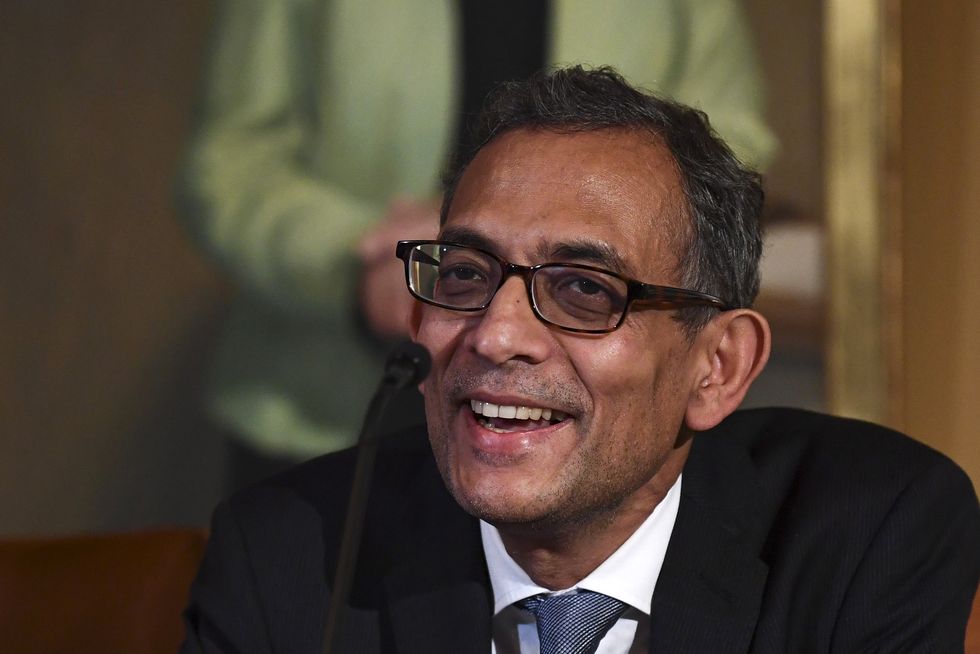 Indian born Abhijit Banerjee, laureate of Prize in Economic Sciences in Memory of Alfred Nobel 2019, speaks during a press conference with the Nobel physics, chemistry and economics laureates at the Royal Swedish Academy of Sciences, on December 7, 2019 in Stockholm, Sweden. (Photo by Jonathan NACKSTRAND / AFP) (Photo by JONATHAN NACKSTRAND/AFP via Getty Images)Getty Images
 NEW YORK, NEW YORK - FEBRUARY 12: Padma Lakshmi attends Gold House's Lunar New Year Gold Celebration at Chinese Tuxedo on February 12, 2026 in New York City. (Photo by Noam Galai/Getty Images for Gold House)Getty Images
 SAN FRANCISCO, CA - SEPTEMBER 10: Sanjit Biswas attends Day 2 of TechCrunch Disrupt SF 2013 at San Francisco Design Center on September 10, 2013 in San Francisco, California. (Photo by Steve Jennings/Getty Images for TechCrunch) Getty Images
 Neerja Sethi (Photo credits: iMDB)
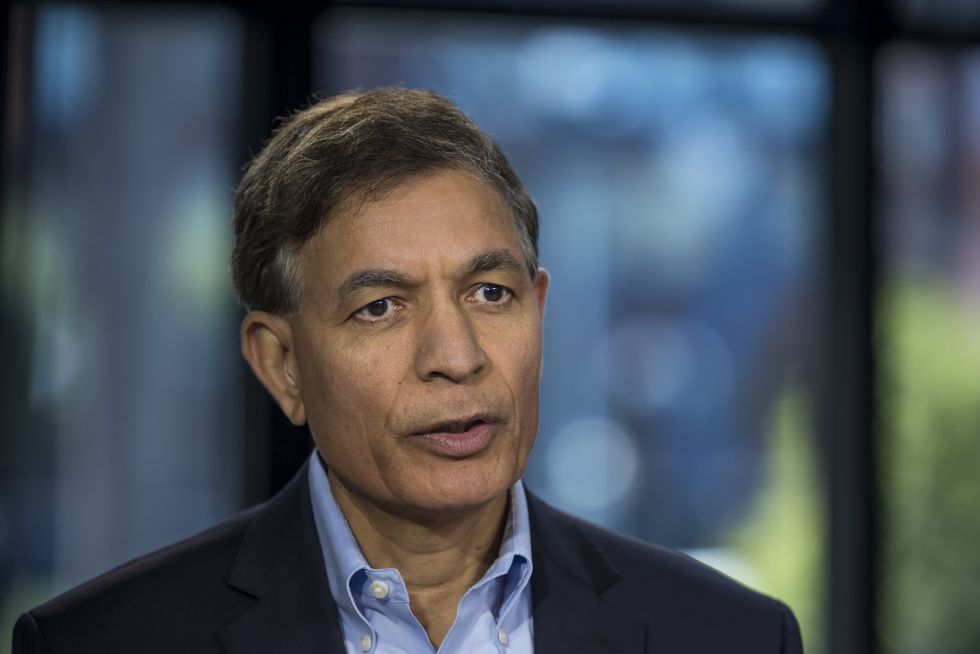 Jay Chaudhry(Photo credits:
 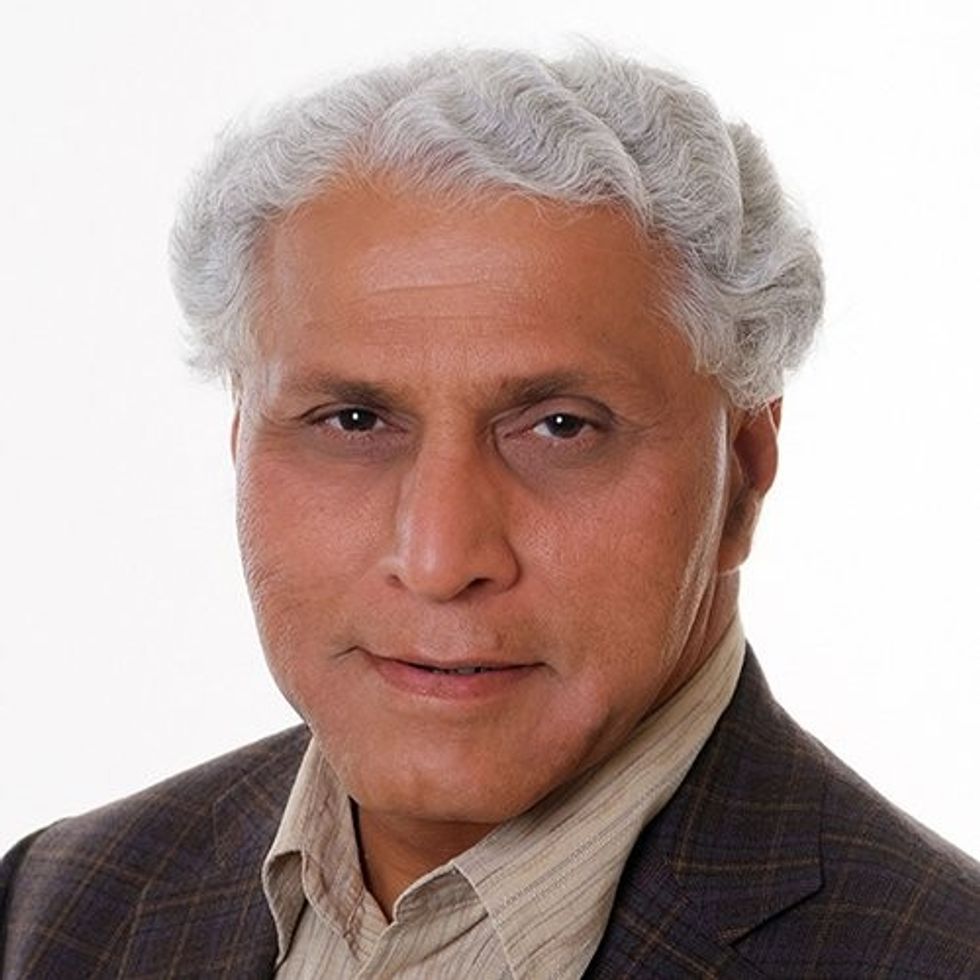 Romesh T Wadhwani(Photo credits: www.csis.org)