
- Tesla sold 20,237 Cybertrucks in the US in 2025, down 48% from the previous year.
- Elon Musk plans to wind down production at the Texas Gigafactory around mid-2027 to increase Cybercab output.
- The move reflects Tesla's growing focus on autonomous vehicles, although its robotaxi programme still faces regulatory scrutiny.
Tesla is preparing to scale back one of its most ambitious vehicle projects, with Elon Musk announcing that Cybertruck production at the company's Texas Gigafactory will wind down around mid-2027.
The decision comes after years of weaker-than-expected sales for the angular electric pickup, which was unveiled as a futuristic challenger to established models from Ford and General Motors. Musk said the move would free up manufacturing capacity for increased production of the Cybercab, Tesla's two-seat autonomous vehicle designed for its robotaxi network.
However, it remains unclear whether Cybertruck production will move to another facility or end altogether. Tesla's Austin plant is currently the only known manufacturing site equipped to produce the model's specialised components.
Responding to a user on X, Musk described the Cybertruck as the “best vehicle Tesla has ever made” and called the production wind-down the “end of an era”.
The announcement marks a significant change of direction for a vehicle that once represented a major part of Tesla's ambitions in the pickup market.
Why has the Cybertruck struggled to find buyers?
Tesla began delivering the Cybertruck to customers in November 2023, following its high-profile unveiling in 2019. Musk had predicted that the company could eventually sell 250,000 units annually.
The reality has been considerably different.
According to Kelley Blue Book figures cited by Reuters, Tesla sold 20,237 Cybertrucks in the US in 2025, down 48 per cent from 38,965 in 2024. The figures underline the gap between the company's original expectations and actual demand.
The vehicle attracted considerable attention for its stainless-steel exterior, sharp angles and unconventional design. But the same features that made it stand out also limited its appeal among traditional pickup buyers.
Its launch was controversial from the beginning. During the 2019 unveiling, Musk invited a demonstration of the supposedly shatterproof windows using a metal ball. The glass cracked when the demonstration was carried out, creating an awkward moment for the company.
The vehicle also faced production delays, quality-control problems and multiple recalls after deliveries began. Its distinctive design created further obstacles in international markets, particularly Europe, where pedestrian safety regulations made approval difficult.
Former Aston Martin chief executive Andy Palmer said the decision to wind down production was understandable given the sales performance.
“It doesn't make sense to keep it going when it's not meeting its targets,” he said.
Automotive analyst Felipe Munoz also pointed to the wider difficulties facing electric pickups in the US, arguing that Ford and other manufacturers had struggled to generate strong demand for their electric truck offerings.
The Cybertruck's performance therefore reflects not only challenges with Tesla's product but also the difficulty of building a mass market for electric pickups.
Can the Cybercab deliver on Musk's robotaxi ambitions?
The production shift highlights how Tesla's priorities are changing. Musk increasingly wants the company to be seen as an artificial intelligence and robotics business rather than simply an electric vehicle manufacturer.
The Cybercab is central to that strategy. Unveiled in 2024, the two-seat vehicle features butterfly-style doors and has no steering wheel, pedals or traditional mirrors. Tesla intends to use it as the main vehicle in a wider autonomous ride-hailing network.
The company began offering paid rides using a small fleet of Cybercabs in Austin in September 2026. However, the service remains at an early stage, and regulatory questions could affect how quickly it expands.
The National Highway Traffic Safety Administration has been seeking information from Tesla about whether the Cybercab was properly self-certified as meeting federal motor vehicle safety standards. The agency opened an audit in September to examine the basis for that certification.
Tesla's own figures indicate that its Texas factory has installed annual manufacturing capacity for more than 125,000 Cybertrucks and a similar number of Cybercabs. However, installed capacity does not mean the company is currently producing vehicles at those rates.
Cybertruck lead engineer Wes Morrill defended the project's longer-term contribution, writing on X: “Cybertruck was an incredible technology development platform and lives on through Cybercab.”
For Tesla, the immediate challenge is turning its robotaxi ambitions into a commercially sustainable business. The Cybertruck demonstrated the company's willingness to experiment with vehicle design, but its sales performance shows that technological ambition alone does not guarantee consumer demand.
The Cybercab now faces a different test: whether Tesla can establish a reliable autonomous transport service, secure regulatory acceptance and expand operations beyond a limited number of cities.
The decision to make room for it signals where Musk believes the company's next phase of growth will come from. Whether robotaxis can deliver the scale and returns expected of them remains an open question.



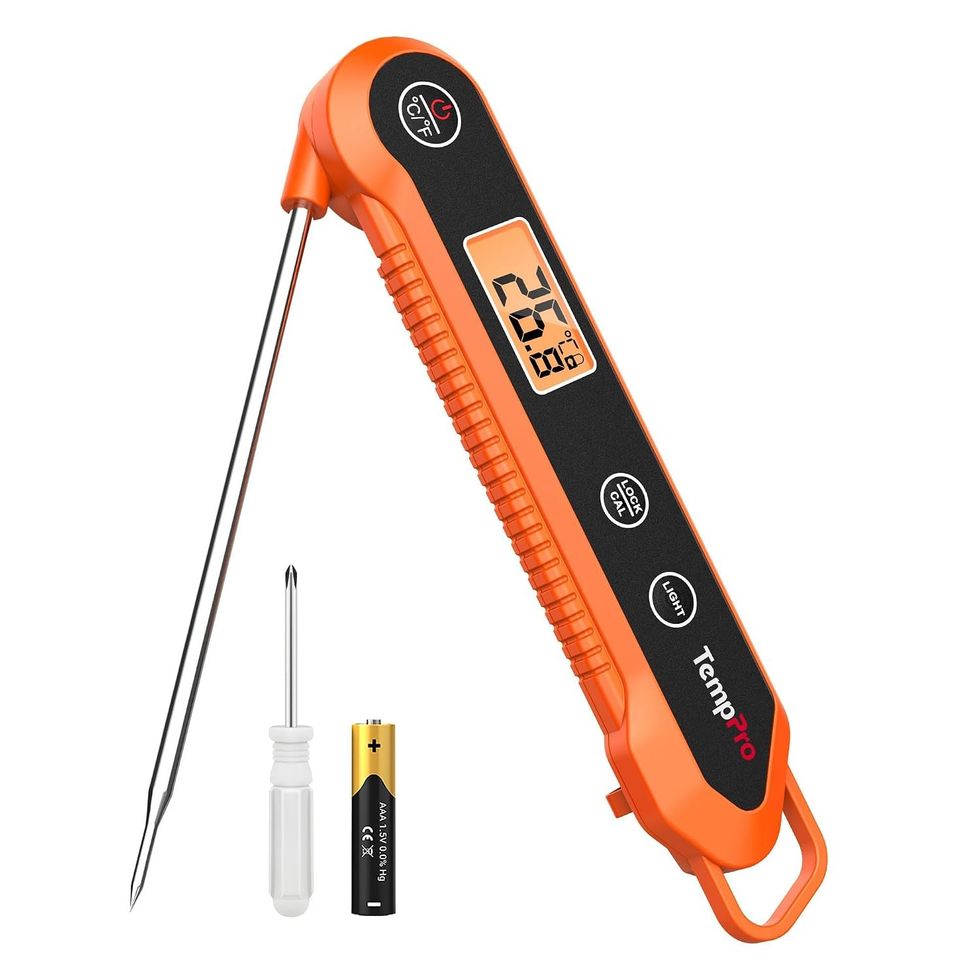
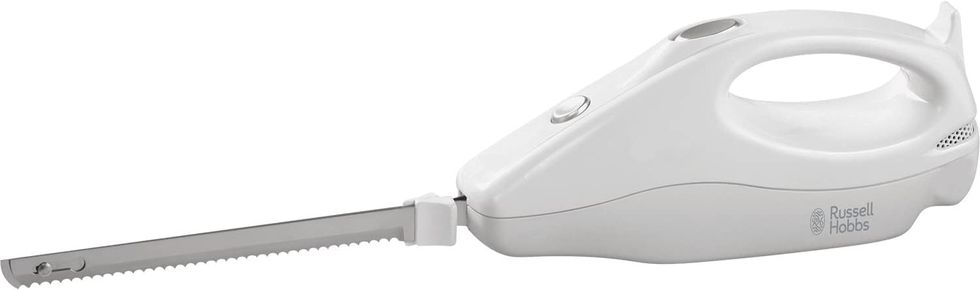
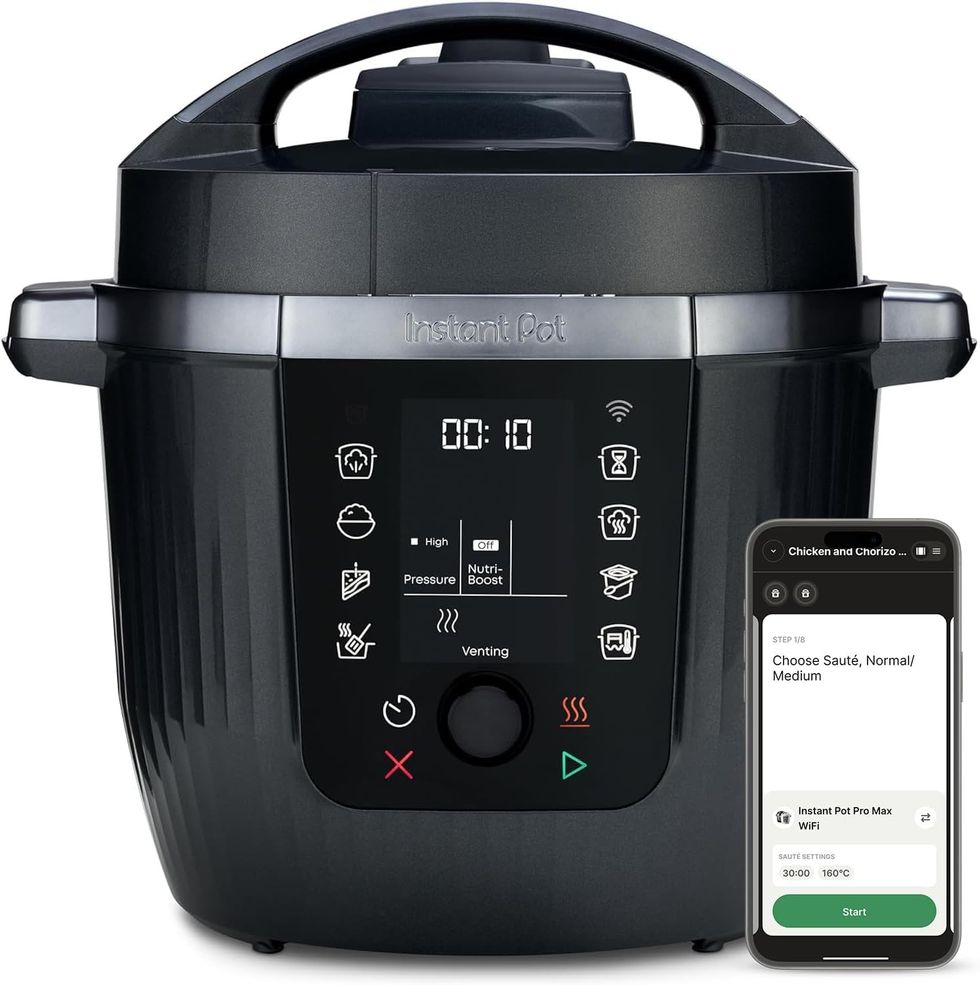
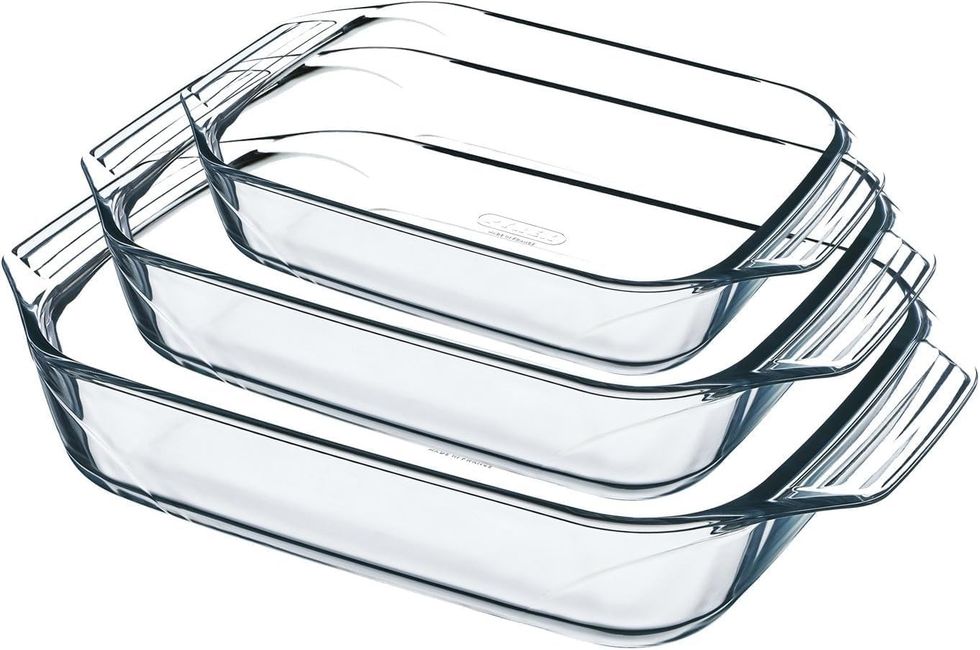
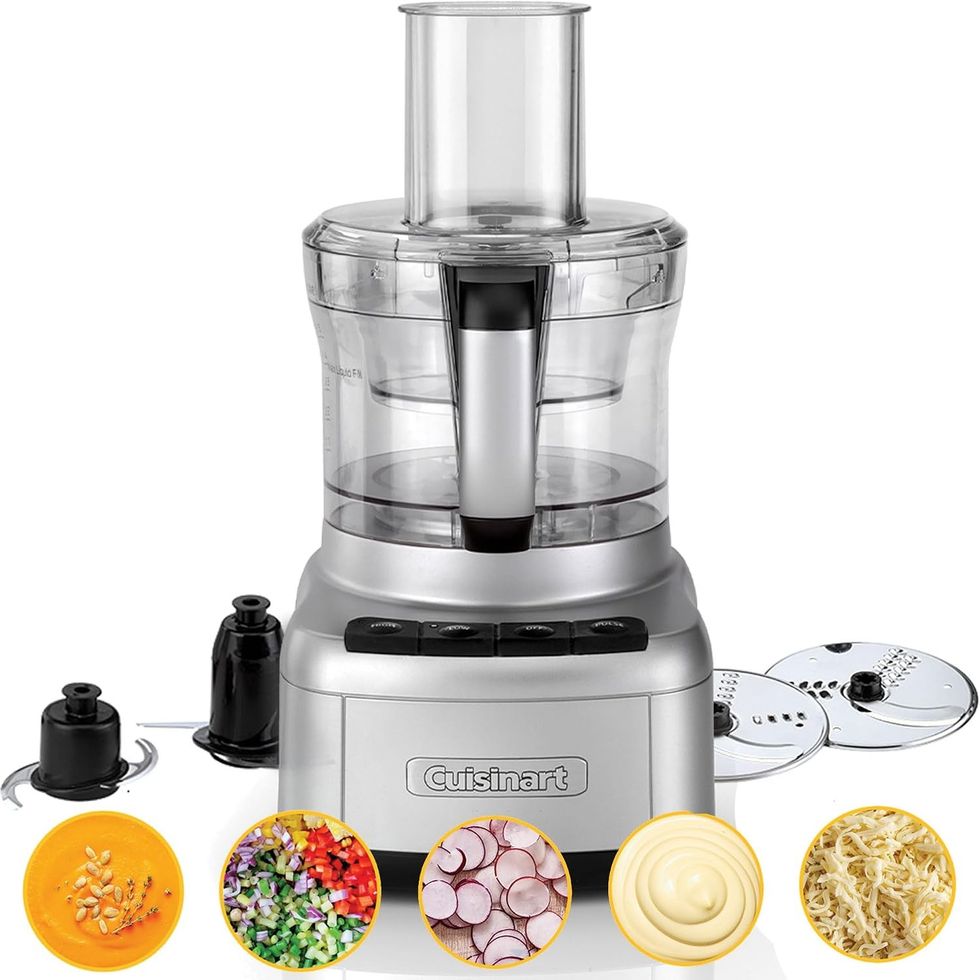



 ThermoPro digital meat thermometer Amazon
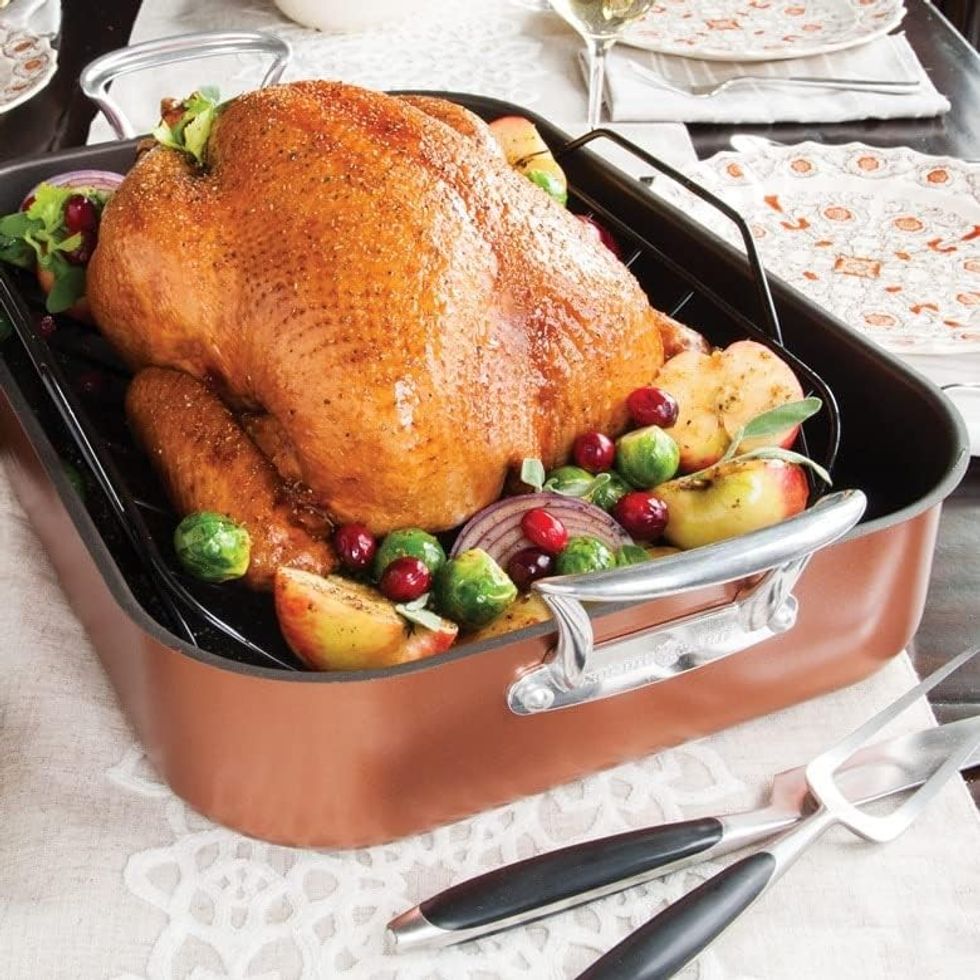
 Nordic Ware turkey roasting pan Amazon
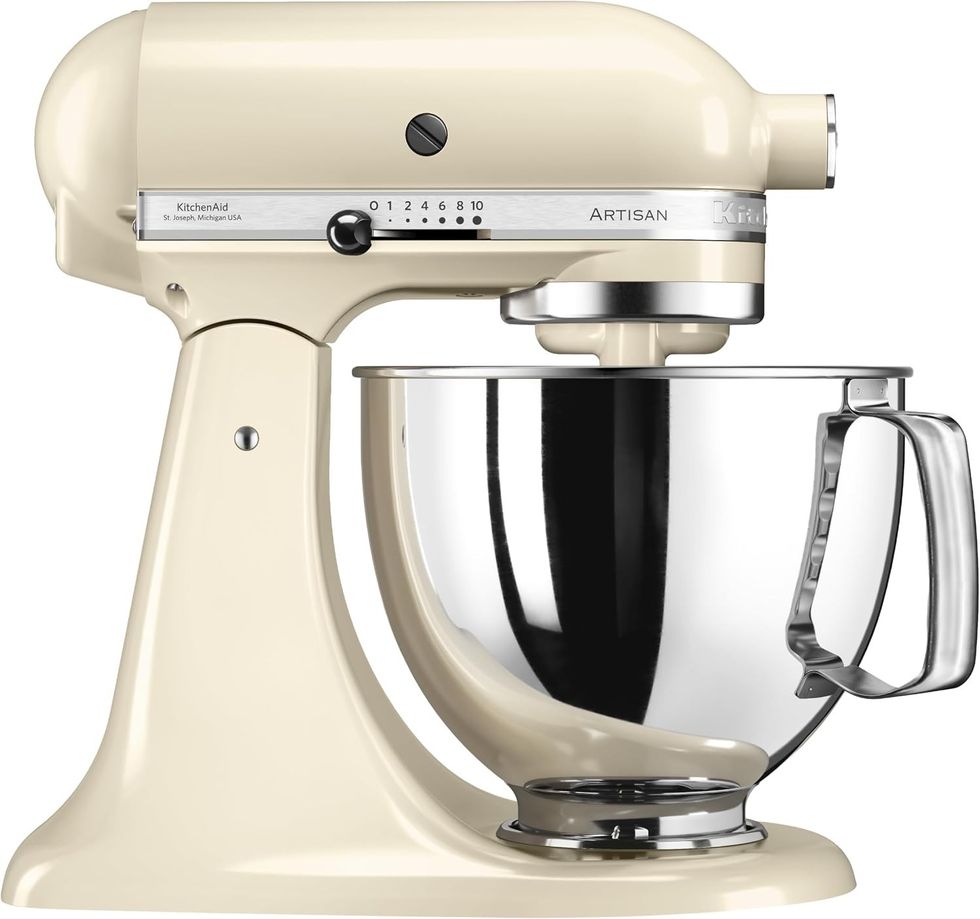
 KitchenAid stand mixer Amazon
 Hamilton Beach electric carving knife Amazon
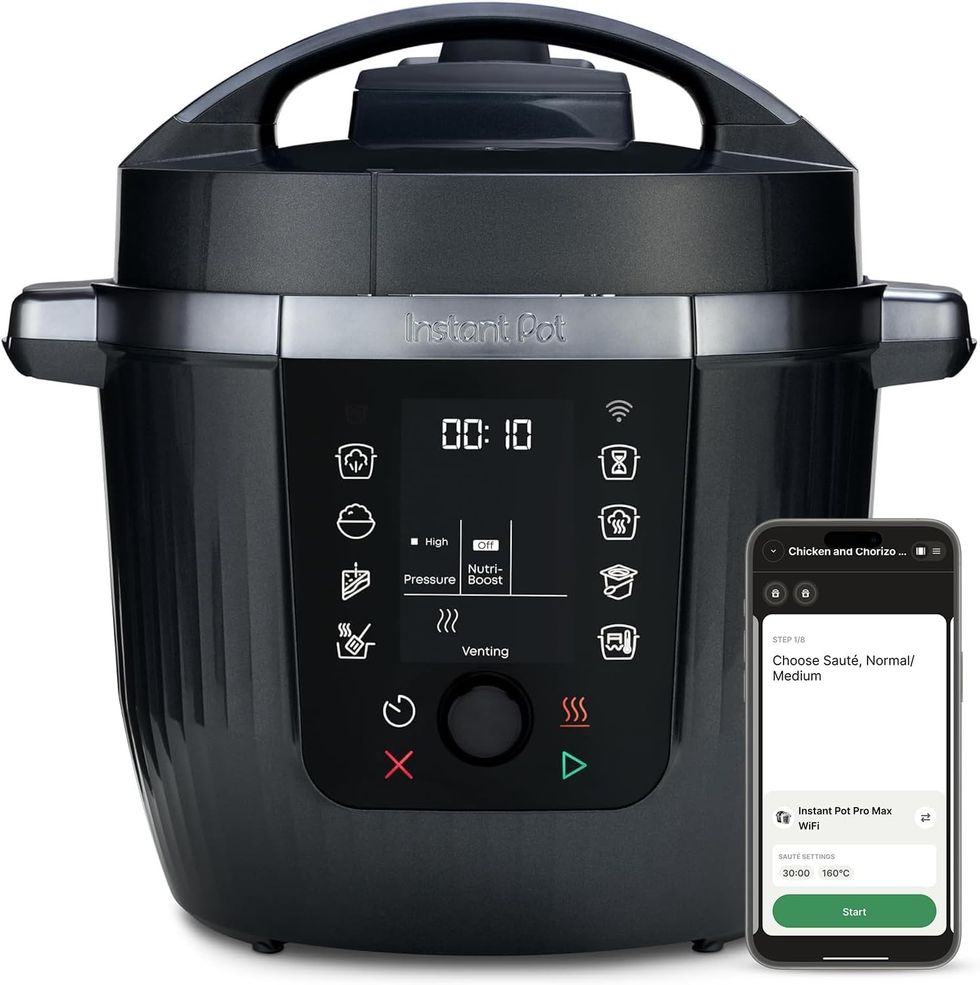 Instant Pot pressure cooker Amazon
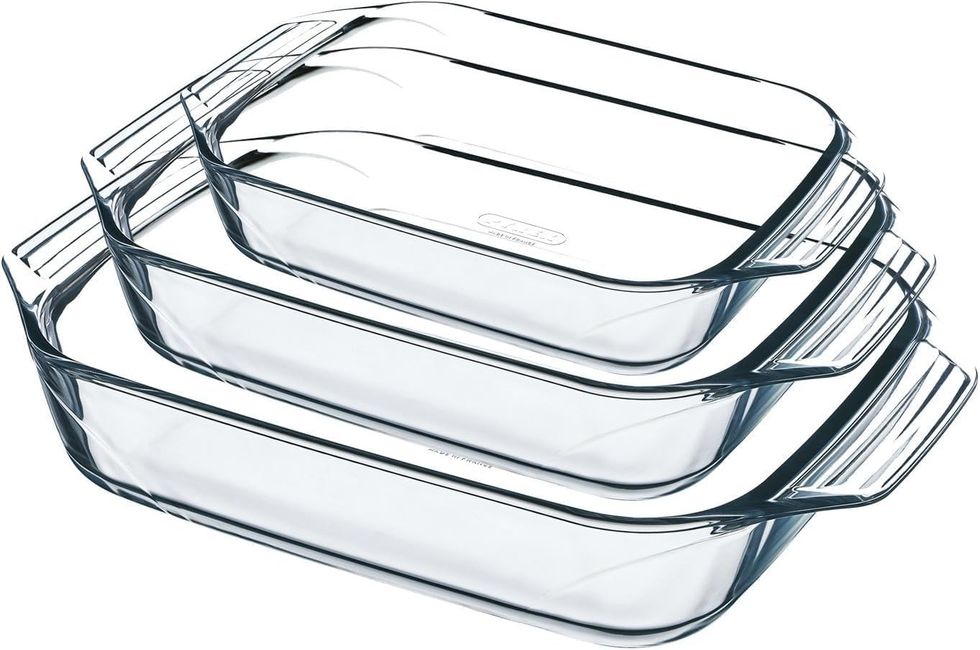 Pyrex glass baking dish set Amazon
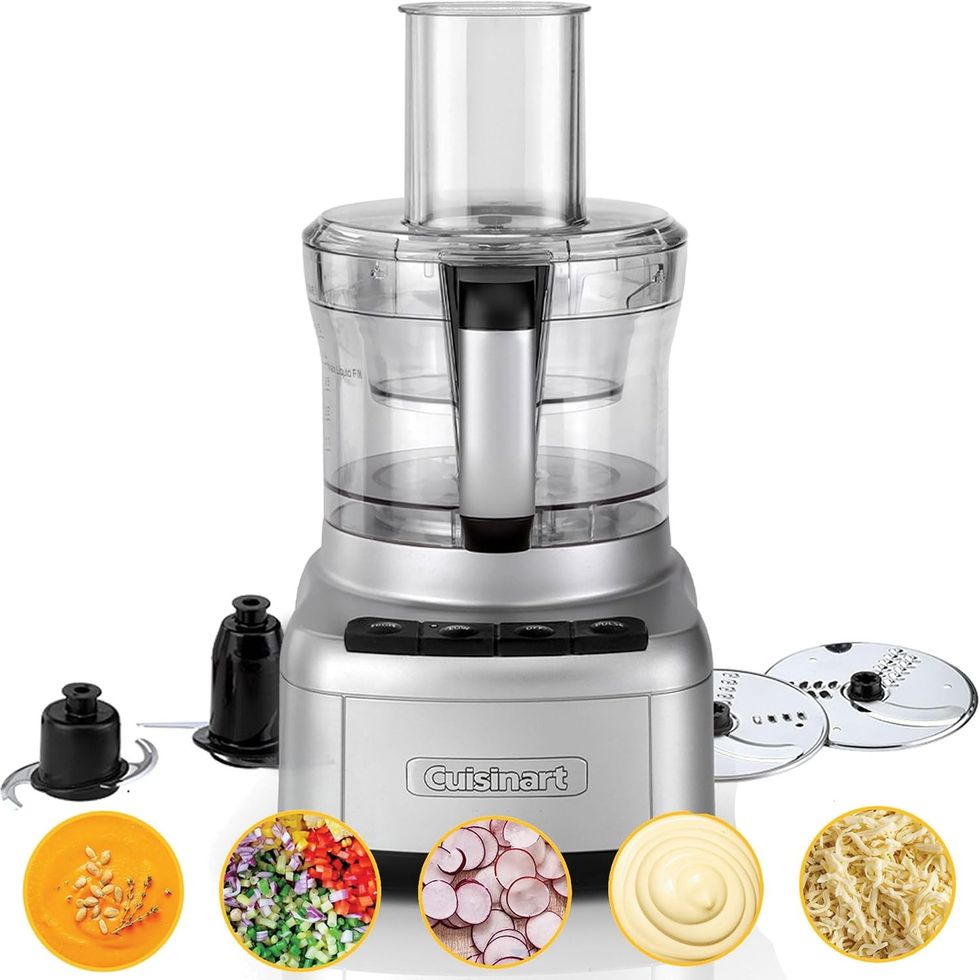 Cuisinart food processor Amazon
 Large wooden serving board Amazon
 Electric buffet food warmer Amazon
 Thanksgiving dinner tableware set Amazon