
Highlights:
- Iran claimed it downed a US MQ-9 drone.
- Mojtaba Khamenei warned Israel about its “end of ominous existence.”
- The US said strikes targeted missile sites and mine-laying boats.
- Oil prices rose after the attacks in southern Iran.
- Iran said talks with the US are still uncertain.
Fresh tensions erupted between the United States and Iran after the US carried out strikes in southern Iran on Monday (25). The US Central Command said the attacks targeted missile launch sites and boats that were trying to place mines in the region.
Hours later, Iran’s Islamic Revolutionary Guard Corps (IRGC) claimed it had downed an MQ-9 drone and fired at a US fighter jet that entered Iranian airspace. Iranian state media reported that the drone was shot down by air defense systems.
The IRGC also said an RQ-4 drone and an F-35 fighter jet were forced to flee Iranian skies. The claims came shortly after Iran warned that it had the “right to respond” to any ceasefire violation.
In a public message, Iran’s Supreme Leader Mojtaba Khamenei issued strong warnings against Israel. He said, “The clock cannot be turned back, the shaky zionist regime will move closer to the end of its ominous existence.”
Earlier in the day, Mojtaba Khamenei reportedly said Israel “will not exist” in the next 15 years. In a message linked to the Hajj pilgrimage, he described Israel as an “unstable Zionist regime” and a “cancerous tumor.”
Khamenei also warned that countries in the region would no longer “serve as shields” for US bases. He said, “What is certain in this regard is that the hands of time will not turn backwards, and the nations and lands of the region will no longer serve as shields for American bases.”
Meanwhile, Iran’s military said it would continue to control the Strait of Hormuz despite statements from president Donald Trump about a possible deal. An Iranian military spokesperson said, “Iran will manage this vital waterway firmly and decisively with the aim of ensuring security and protecting international trade and the global economy."
Iranian military spokesman Abolfazl Shekarchi also warned of a “stronger and heavier” response if the US or Israel launched future attacks. “The response to any new aggression will be different from what it was before,” he told Al Jazeera.
The US continued to express hope for a diplomatic agreement with Iran. During a visit to India, US Secretary of State Marco Rubio said there was “strong alignment and agreement” on a preliminary draft for a possible deal.
Rubio said, “The President (Donald Trump) had a historic call with a number of leaders from the region, and I think there is a strong alignment and agreement on what a preliminary draft should look like. It will take a couple of days to settle on.”
However, Iran’s Foreign Ministry spokesman Esmail Baghaei said no final agreement was close. He stated that while there was consensus on many issues, “no one can claim that the signing of an agreement is imminent”.
Iranian officials also said future talks would depend on confidence-building steps from the US. Tehran MP Ebrahim Azizi said, “No action will be taken unless the Islamic Republic’s interests are fully secured.”
The latest conflict also affected global markets. Brent crude prices rose more than 2% after the US strikes. Fuel prices increased in parts of India, with petrol prices in Tamil Nadu’s Thoothukudi reaching ₹108.16 per liter.
At the same time, the Quad countries — the United States, India, Japan, and Australia — discussed maritime security and energy cooperation during meetings in New Delhi. Rubio said, “Maritime security in Indo-pacific is vital national interest not just to Quad countries but to countless countries around the world.”
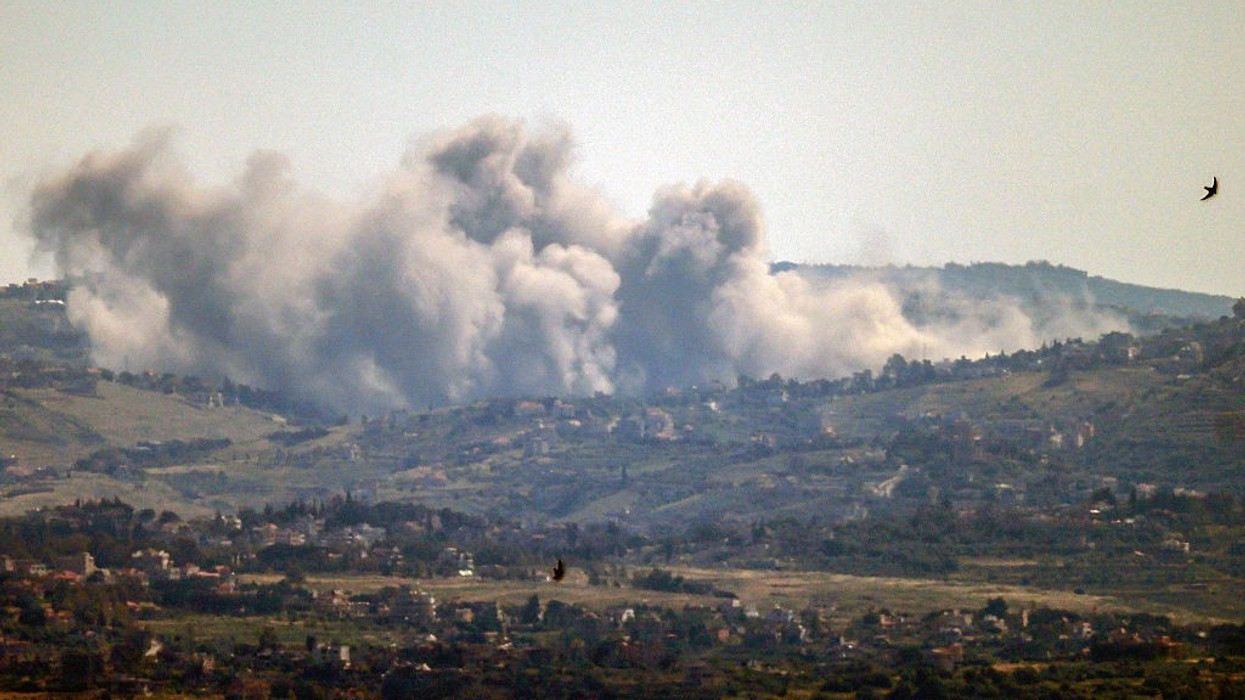
In Lebanon, fresh Israeli strikes reportedly killed at least 12 people in the village of Mashghara in the Bekaa Valley. The attacks came after Israeli Prime Minister Benjamin Netanyahu vowed stronger action against Hezbollah.
Iran also indicated that internet restrictions inside the country may soon be eased. Reports said a government task force voted in favor of restoring internet access to “pre-January 2026 conditions.”