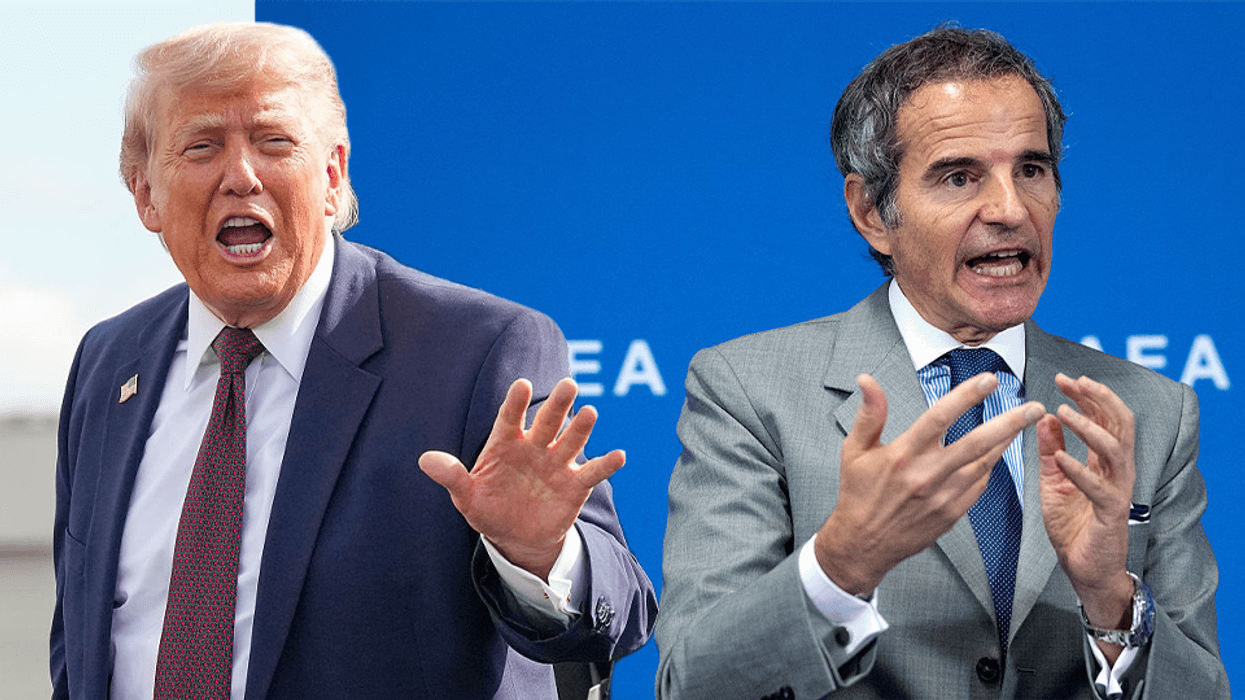
President Donald Trump has declared that Iran will “never” possess nuclear weapons, highlighting what he described as a historic agreement between Washington and Tehran aimed at ending hostilities and reopening the Strait of Hormuz.
“Last week, we signed a historic agreement to end the conflict with Iran, fully open the Strait of Hormuz, and accomplish what no President has ever been able to accomplish before — Iran will NEVER have a nuclear weapon!” Trump said.
However, questions remain over one of the most important elements of the proposed agreement: international inspections of Iran’s nuclear facilities.
Trump has repeatedly stated that Iran agreed to allow inspectors from the International Atomic Energy Agency (IAEA) to verify its nuclear activities. Tehran has publicly rejected those claims, creating a visible disagreement between the two sides as negotiations continue.
Speaking to reporters, Trump dismissed Iranian statements denying an inspection agreement.
“They're wrong,” he said. “They're wrong. They know they're wrong. They told us inside and we have it down, 100 per cent inspections.”
When asked when inspections would begin, Trump replied, “At the appropriate time. There's no rush.”
He also warned that inspections are essential to any final agreement.
“They’re wrong. They know they’re wrong and if they were right, I’d cancel the meetings right now,” Trump said.
Despite the conflicting statements, IAEA director general Rafael Grossi indicated that inspections are expected to take place. Speaking in Japan, Grossi pointed to the Memorandum of Understanding signed by both governments.
“I can understand political statements; they are part of the reality, but the fundamental thing I would like to remind you and draw your attention to is that there has been a Memorandum of Understanding, signed by both presidents,” Grossi said.
According to Grossi, the agreement clearly requires international oversight of Iran’s nuclear activities.
The accord “explicitly states that the nuclear activities that are going to be carried out with the regards of the nuclear material facilities will be supervised by the IAEA - in all letters,” he said.
Grossi added, “Obviously, to do that, we have to inspect. Whether this happens the day after tomorrow or in one week or in ten days, it's important, but not essential. This is going to happen.”
The inspections are considered critical because they would help verify the status of Iran’s enriched uranium stockpile. International monitoring has long been one of the most sensitive issues in negotiations over Iran’s nuclear program.
At the same time, broader tensions remain. Iran has indicated that it will not negotiate over its missile capabilities. Iranian President Masoud Pezeshkian said, “If it was not for Iran's missile capabilities, our country would have been plundered and destroyed.”
The dispute over inspections comes as Trump seeks nearly $87.6 billion in supplemental funding from Congress, with a large portion intended to cover costs related to the Iran conflict. The request arrived shortly after the Senate passed a largely symbolic resolution calling for an end to US military hostilities with Iran unless Congress authorizes further action.
Meanwhile, regional discussions continue over the future of the Strait of Hormuz, a vital global energy corridor. Although shipping traffic has increased since the signing of the US-Iran memorandum, activity remains below pre-conflict levels.
As diplomacy moves forward, nuclear verification remains the central issue. While Washington insists inspections are part of the agreement and the IAEA expects access, Tehran continues to publicly reject claims that it has accepted a broad inspection regime. The outcome of that dispute could determine whether the emerging peace framework becomes a lasting settlement.

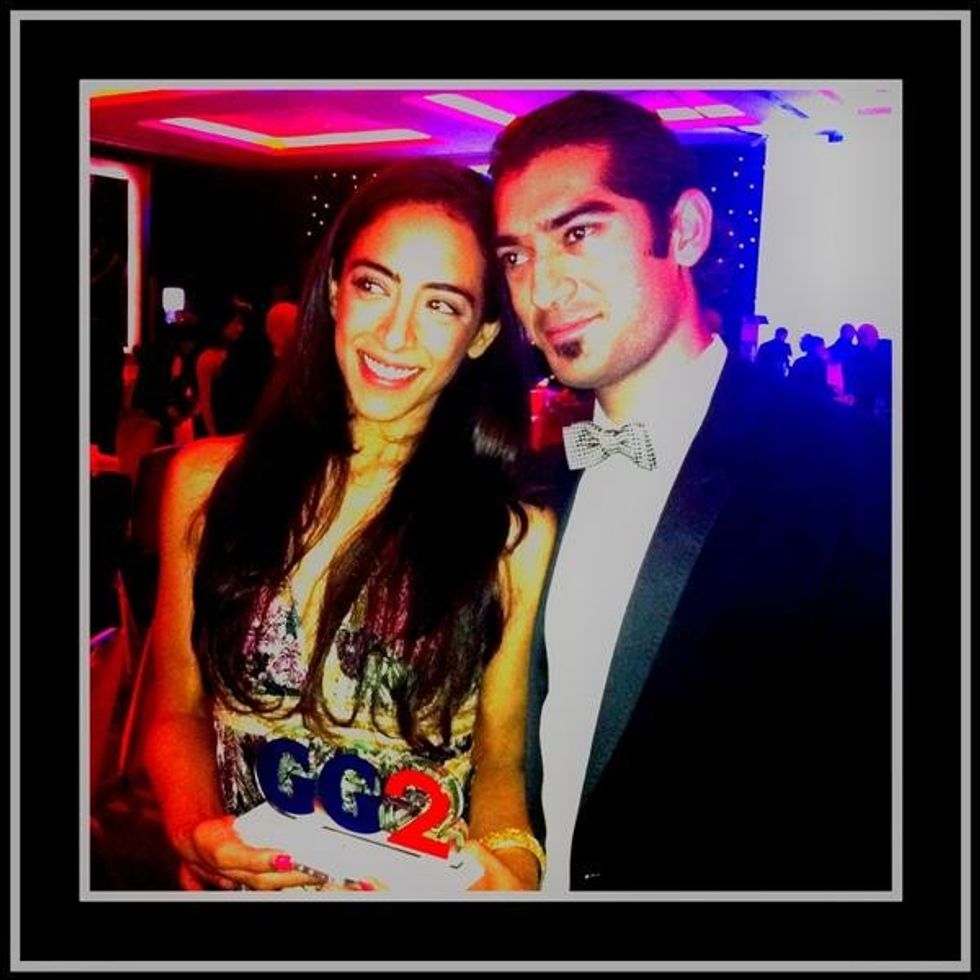
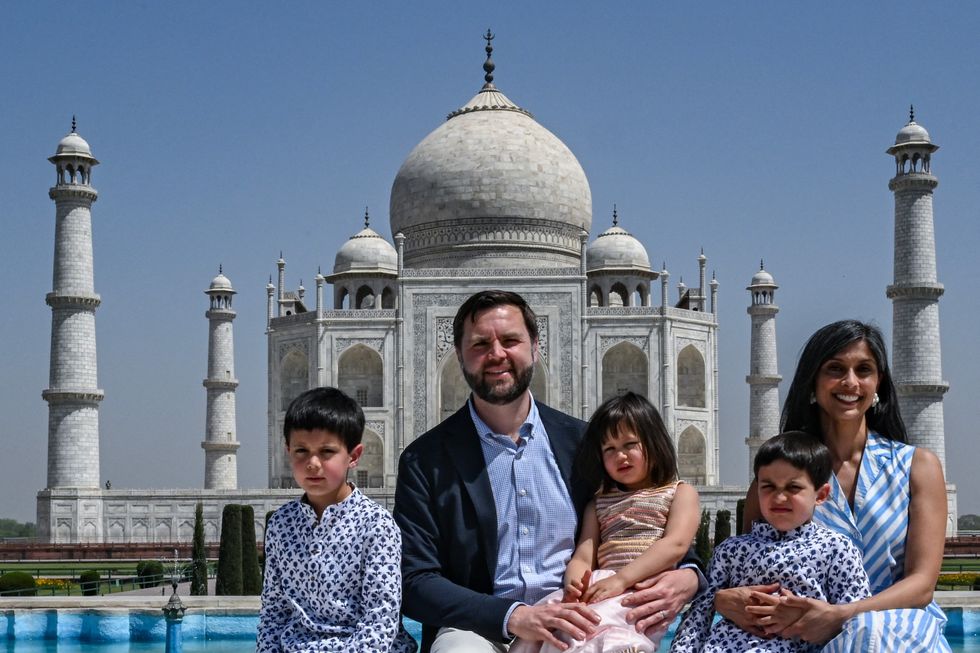 The couple during their visit to the Taj Mahal in Agra earlier this yearxx
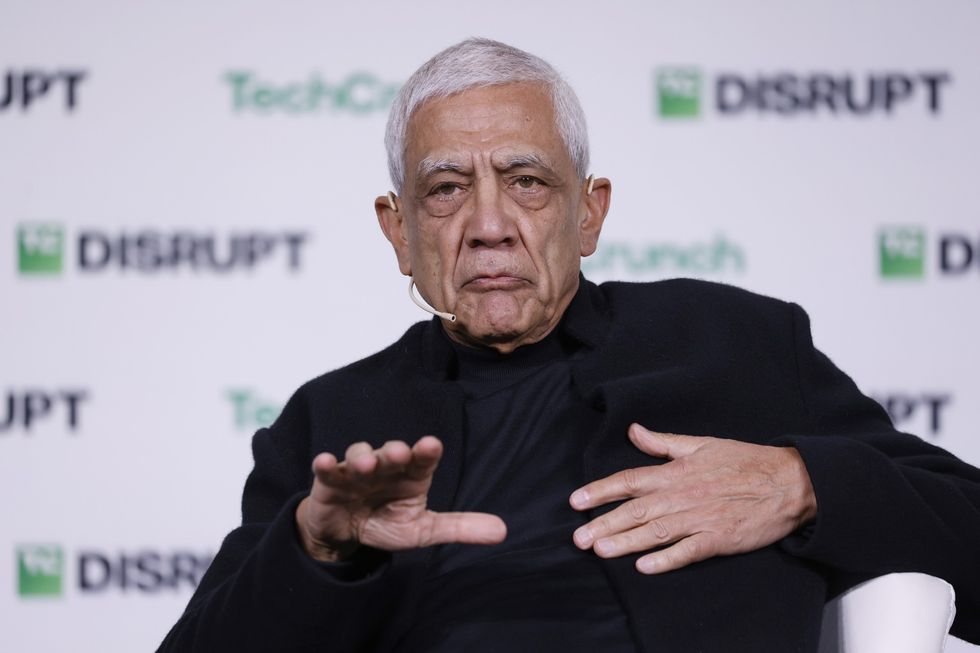 SAN FRANCISCO, CALIFORNIA - OCTOBER 28: Vinod Khosla, Founder, Khosla Ventures, speaks onstage during day two of TechCrunch Disrupt 2025 at Moscone Center on October 28, 2025 in San Francisco, California. (Photo by Kimberly White/Getty Images for TechCrunch)Getty Images
 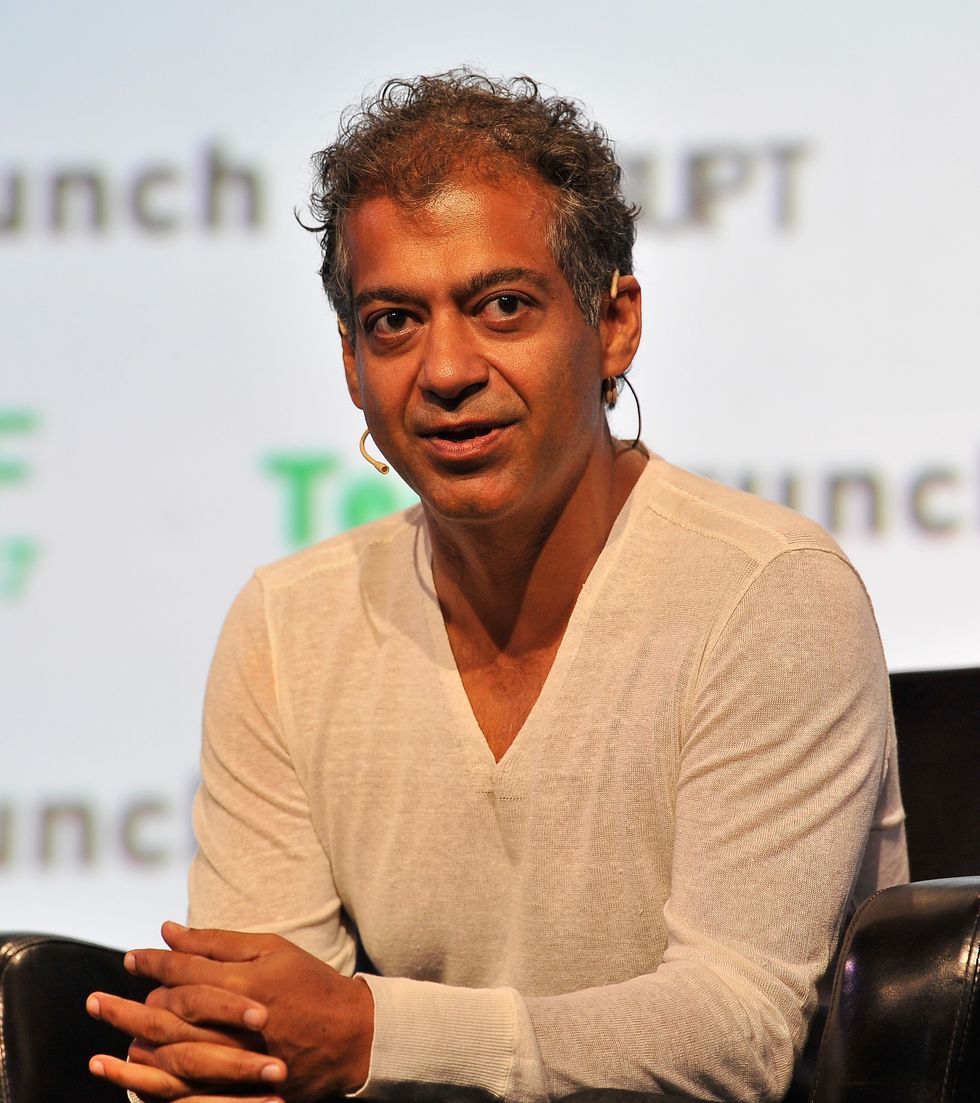 SAN FRANCISCO, CA - SEPTEMBER 18: AngelList Co-Founder and CEO Naval Ravikant speaks onstage during TechCrunch Disrupt SF 2017 at Pier 48 on September 18, 2017 in San Francisco, California. (Photo by Steve Jennings/Getty Images for TechCrunch)Getty Images
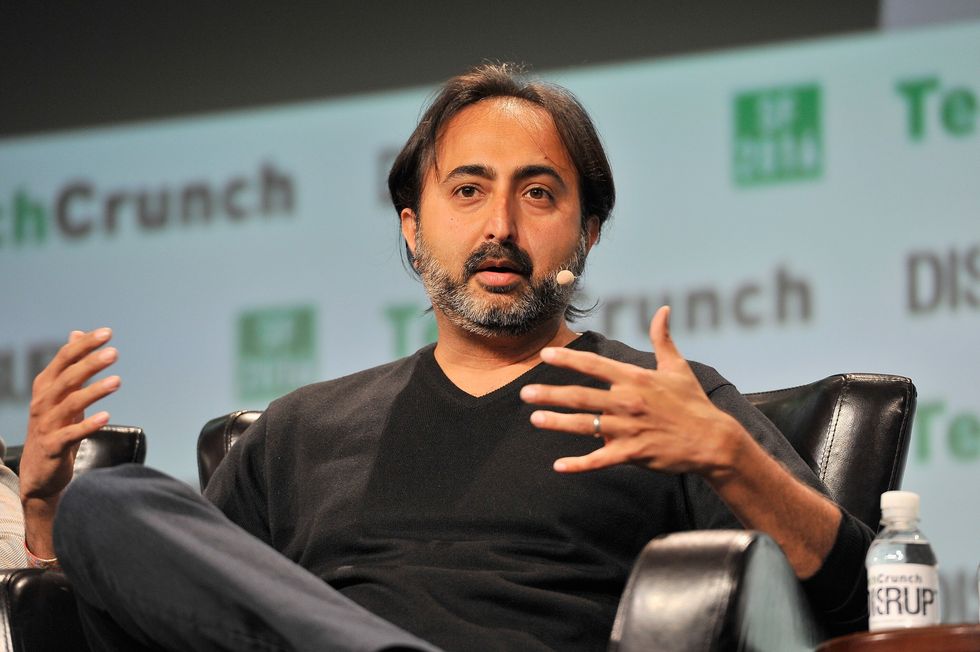 SAN FRANCISCO, CA - SEPTEMBER 14: Managing Director of General Catalyst Hemant Taneja speaks onstage during TechCrunch Disrupt SF 2016 at Pier 48 on September 14, 2016 in San Francisco, California. (Photo by Steve Jennings/Getty Images for TechCrunch)Getty Images
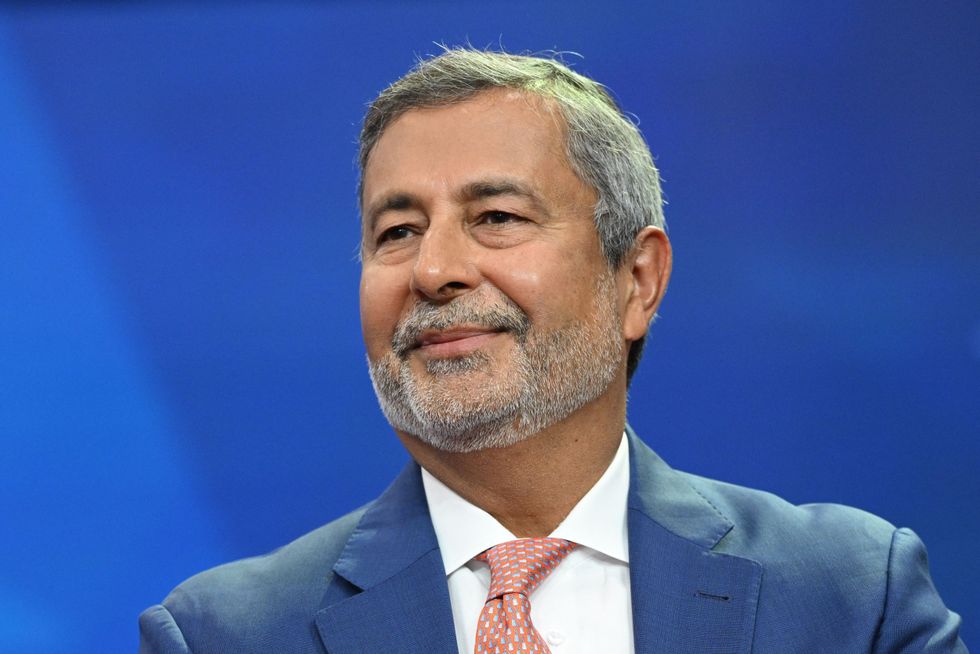 CEO of Micron Technology Sanjay Mehrotra, listens to US President Joe Biden speak about manufacturing, at the SRC Arena and Events Center of Onondaga Community College in Syracuse, New York on October 27, 2022. (Photo by MANDEL NGAN / AFP) (Photo by MANDEL NGAN/AFP via Getty Images)Getty Images
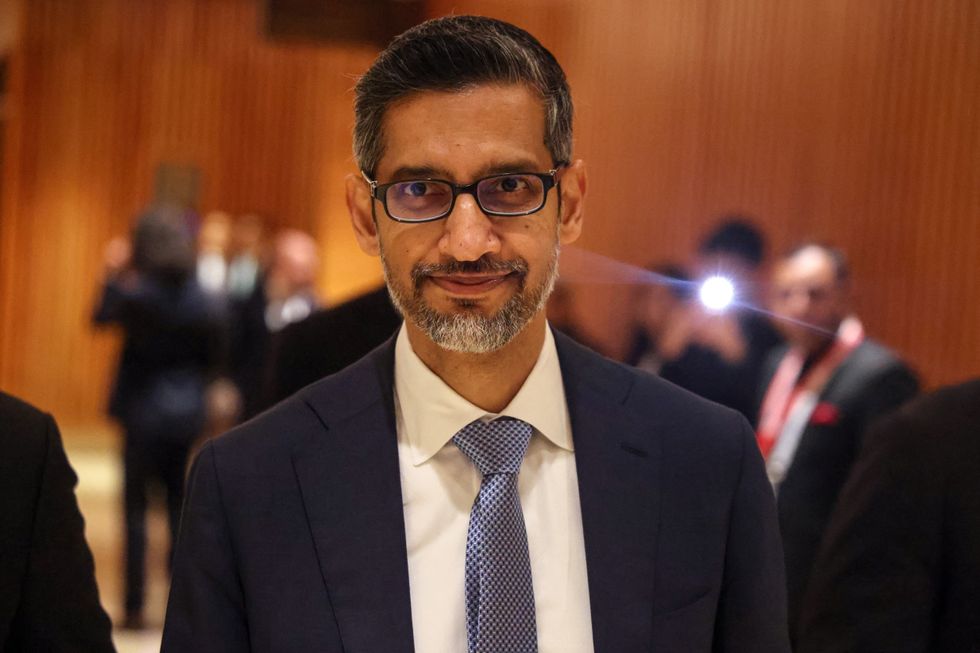 Google CEO Sundar Pichai looks on during the AI Impact Summit in New Delhi on February 19, 2026. (Photo by Ludovic MARIN / AFP via Getty Images)Getty Images
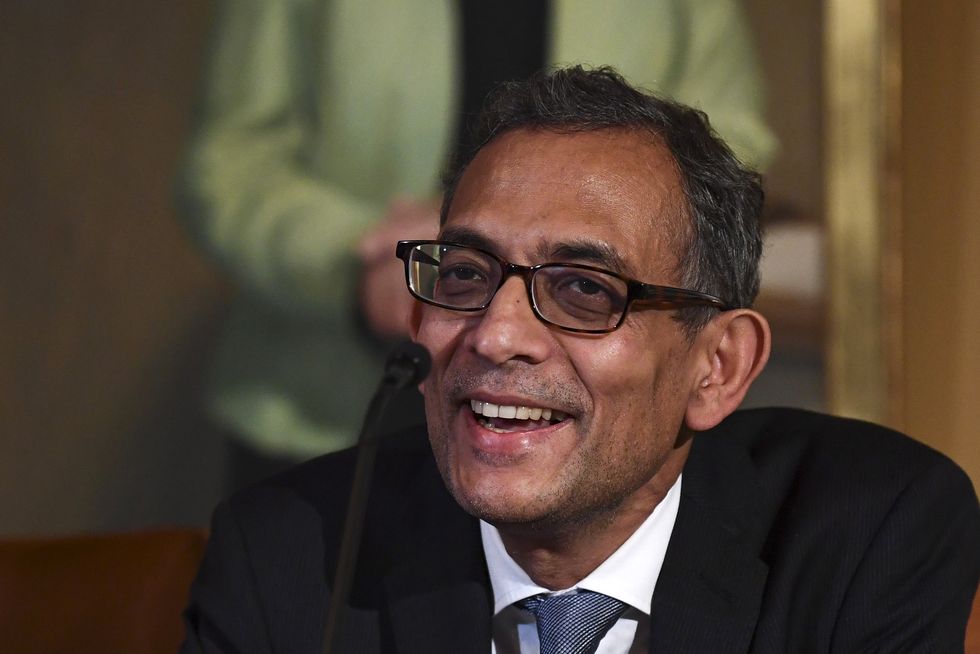 Indian born Abhijit Banerjee, laureate of Prize in Economic Sciences in Memory of Alfred Nobel 2019, speaks during a press conference with the Nobel physics, chemistry and economics laureates at the Royal Swedish Academy of Sciences, on December 7, 2019 in Stockholm, Sweden. (Photo by Jonathan NACKSTRAND / AFP) (Photo by JONATHAN NACKSTRAND/AFP via Getty Images)Getty Images
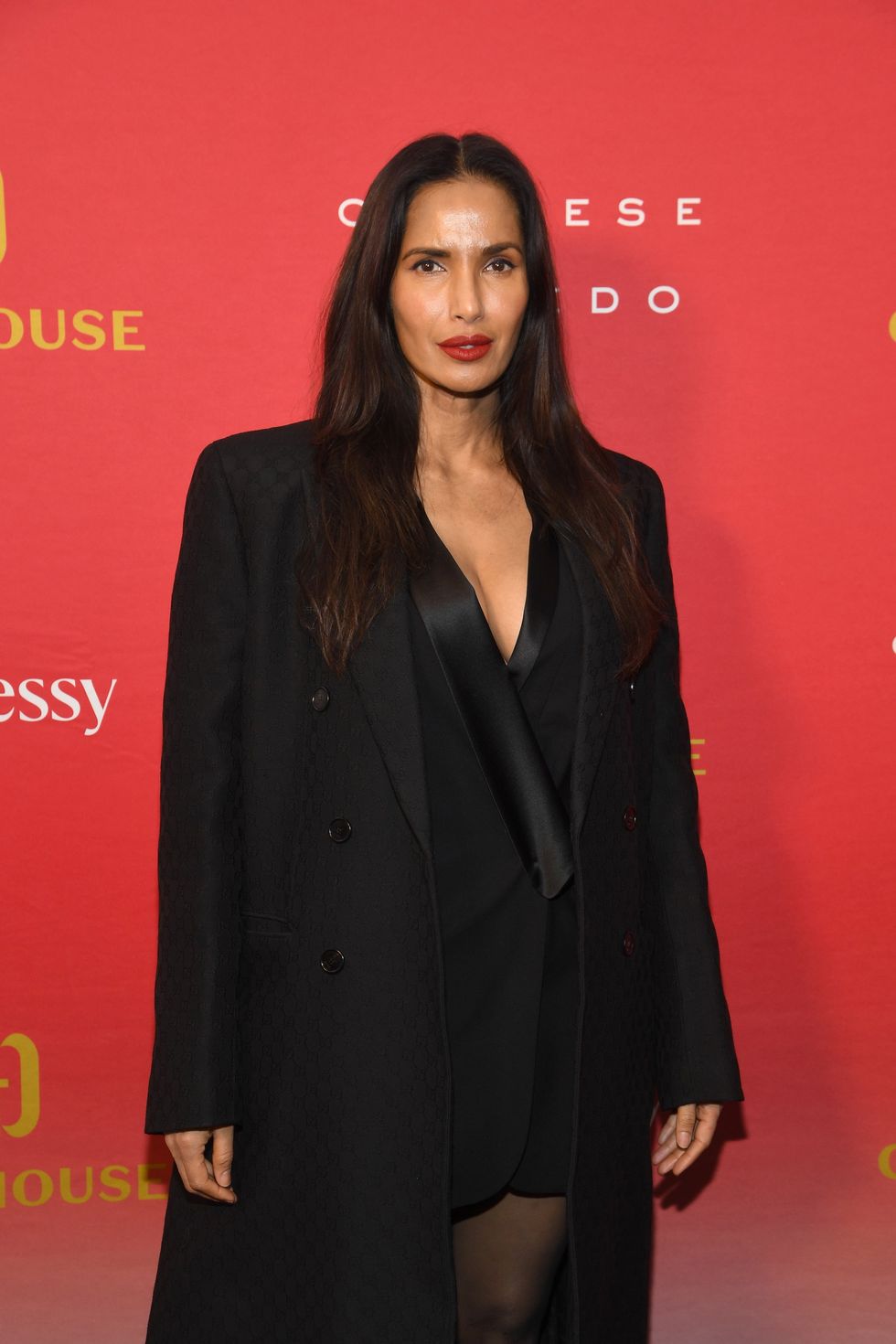 NEW YORK, NEW YORK - FEBRUARY 12: Padma Lakshmi attends Gold House's Lunar New Year Gold Celebration at Chinese Tuxedo on February 12, 2026 in New York City. (Photo by Noam Galai/Getty Images for Gold House)Getty Images
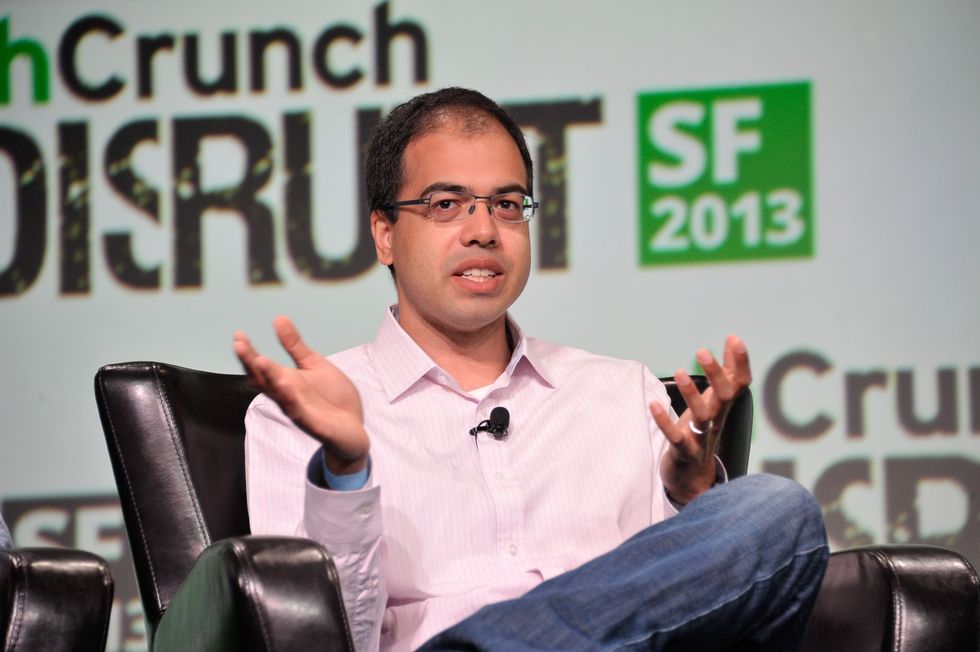 SAN FRANCISCO, CA - SEPTEMBER 10: Sanjit Biswas attends Day 2 of TechCrunch Disrupt SF 2013 at San Francisco Design Center on September 10, 2013 in San Francisco, California. (Photo by Steve Jennings/Getty Images for TechCrunch) Getty Images
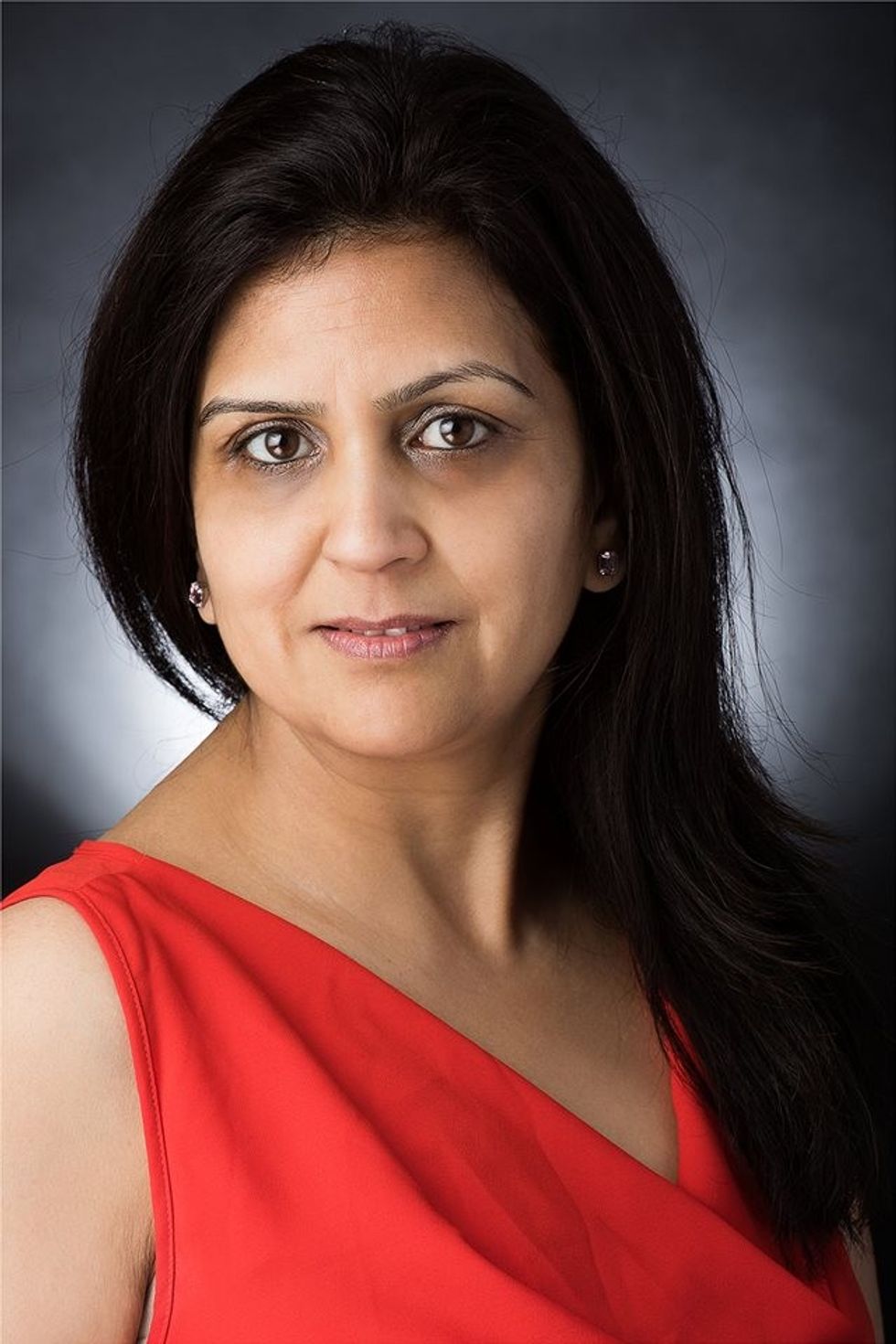 Neerja Sethi (Photo credits: iMDB)
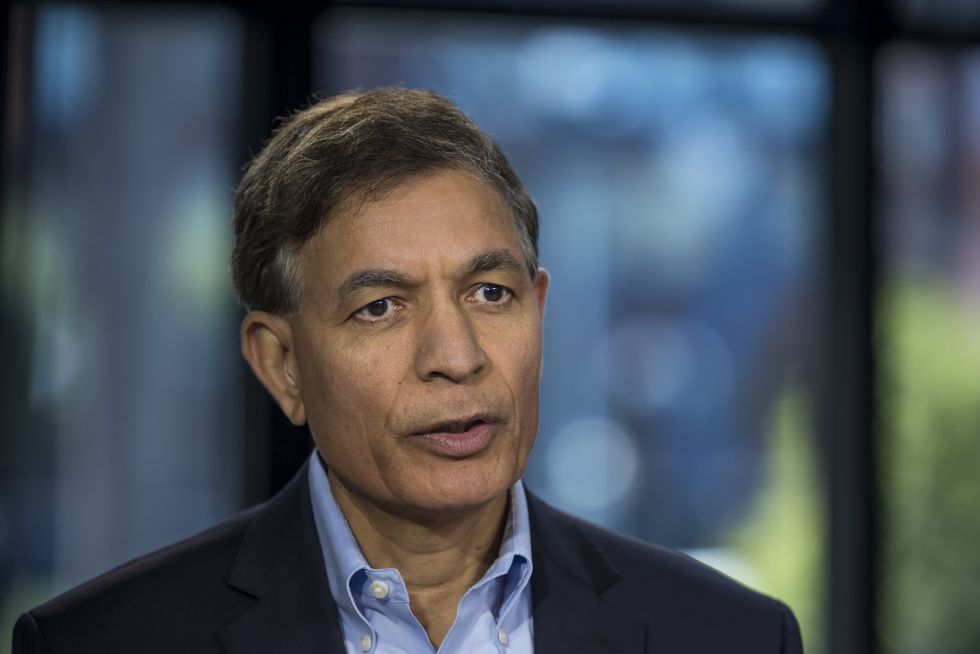 Jay Chaudhry(Photo credits:
 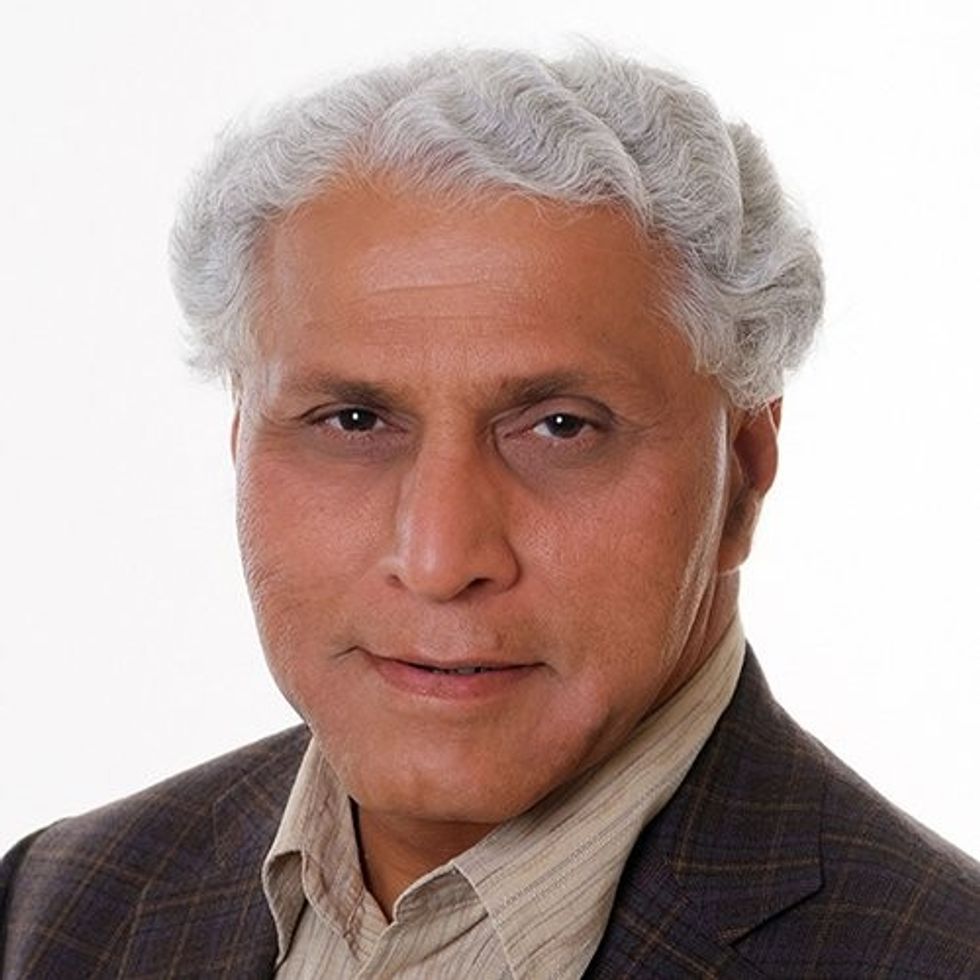 Romesh T Wadhwani(Photo credits: www.csis.org)