
Highlights:
- Clive Davis reflected on more than six decades in the music industry.
- He emphasized instinct over formulas when identifying talent.
- Davis embraced the digital revolution while defending artists’ rights.
- He spoke candidly about Whitney Houston, Aretha Franklin, and Prince.
- His quotes reveal a lasting belief in innovation, leadership, and great songs.
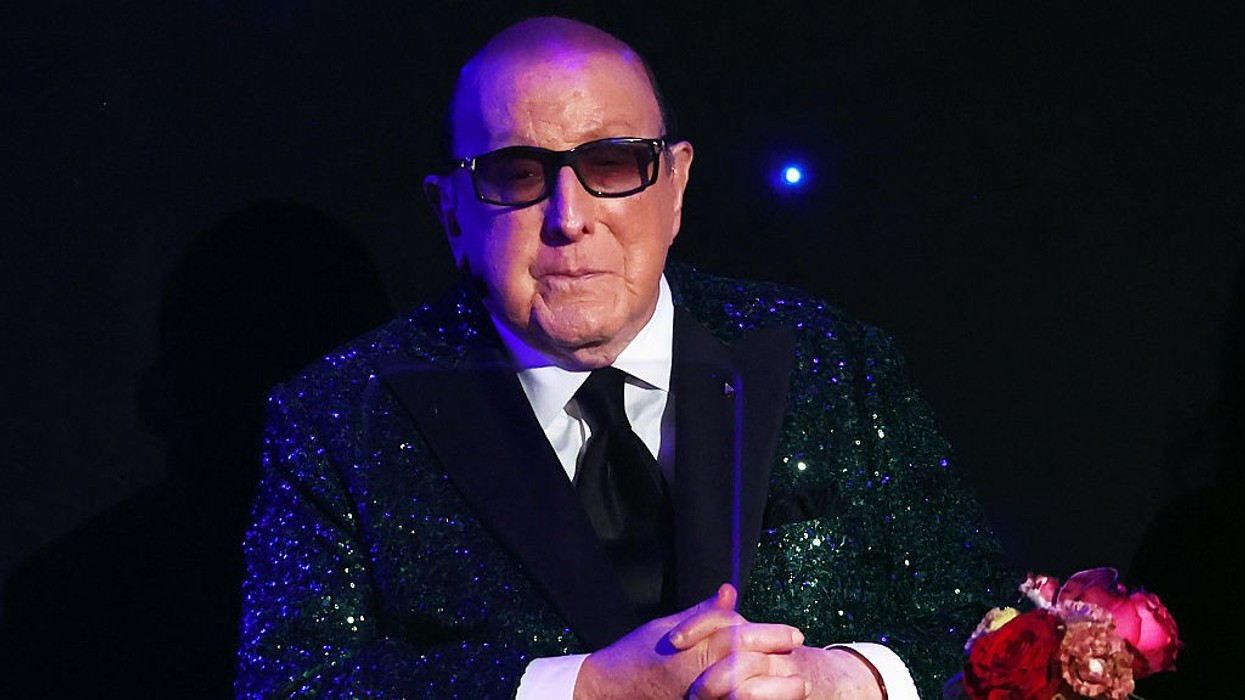
For more than six decades, Clive Davis has remained one of the most influential figures in the music industry, helping launch and shape the careers of some of the biggest artists in modern music. Across countless interviews with Billboard over the years, the legendary record executive offered rare insight into his approach to talent, leadership, technology, and the ever-changing business of music.
Looking back through Billboard’s archives, one theme stands out consistently: Davis has always trusted instinct.
Reflecting on how he first entered the music business, Davis admitted that his career path was never part of a master plan.
“It was all fate,” he said, recalling how an unexpected opportunity at Columbia Records changed the course of his life. “So I had no grand design. I just took it because it seemed like a strong career opportunity, and I had no idea where it was going to lead me.”
That willingness to follow opportunity rather than rigid expectations would later define his career. Speaking about launching new ventures, Davis explained his philosophy simply: “I never deal with quotas… I'll go where reaction and instinct take me.”
Even as technology transformed the industry, Davis remained optimistic about music’s future. During the rise of digital platforms, he argued that innovation could help music reach larger audiences as long as creators’ rights were protected.
“I concentrate, for one, on the music,” he said. “As far as technology goes, as long as we are vigilant in the enforcement of our rights, the digital revolution is only going to take music to a great audience in the future.”
Davis also placed enormous value on nurturing future industry leaders. In 2007, while discussing the first graduating class of the Clive Davis Institute at New York University, he encouraged the music business to embrace the next generation of creative talent.
“My idea was to create a unique educational platform for future generations of creative entrepreneurs in popular music,” he said.
Throughout his career, Davis remained deeply connected to the artists he worked with. He spoke passionately about Aretha Franklin’s unmatched ability to transform any song she sang into her own. “I can't think of anyone who owns a song the way Aretha does,” he said, adding that future generations would continue studying her work centuries from now.
His admiration extended to other icons as well. Discussing Whitney Houston’s “I Will Always Love You,” Davis revealed that some radio programmers wanted the song’s lengthy introduction shortened. He refused.
“You've got to know the exception to the rule,” he said.
Among the few regrets of his career was not spending more time working with Prince and Bruce Springsteen. “My strongest regret is probably that I didn't spend his entire career with him,” Davis said of Springsteen.
At the heart of Davis’ legacy is an ability that many in the industry consider almost impossible to teach: recognizing a hit. Even in 2026, he described the process as something beyond formulas or data.
“There is another quality that goes into identifying hit songs and hit artists that you can't reduce to black and white,” he said. “That doesn't describe what happens to my body when I hear the unusual, the unique and special.”
Those words perhaps best capture the career of a music executive whose instincts helped shape generations of popular music.