
Highlights:
India and the United States are continuing negotiations on a bilateral trade agreement, despite recent statements suggesting that a deal was close to completion. India's commerce minister Piyush Goyal's visit to the US this week, following his claim that the pact was "done and dusted" just seven days earlier, highlights the uncertainty surrounding the negotiations. With tariff policies still evolving and tensions over India's Russian oil purchases adding to the challenges, both countries are working toward an interim agreement.
On September 24, India's commerce minister Piyush Goyal said the trade pact between India and the US was "done and dusted" and would be executed once the United States gives India the right competitive advantage over its competitors in the American market.
Seven days later, the language had shifted.
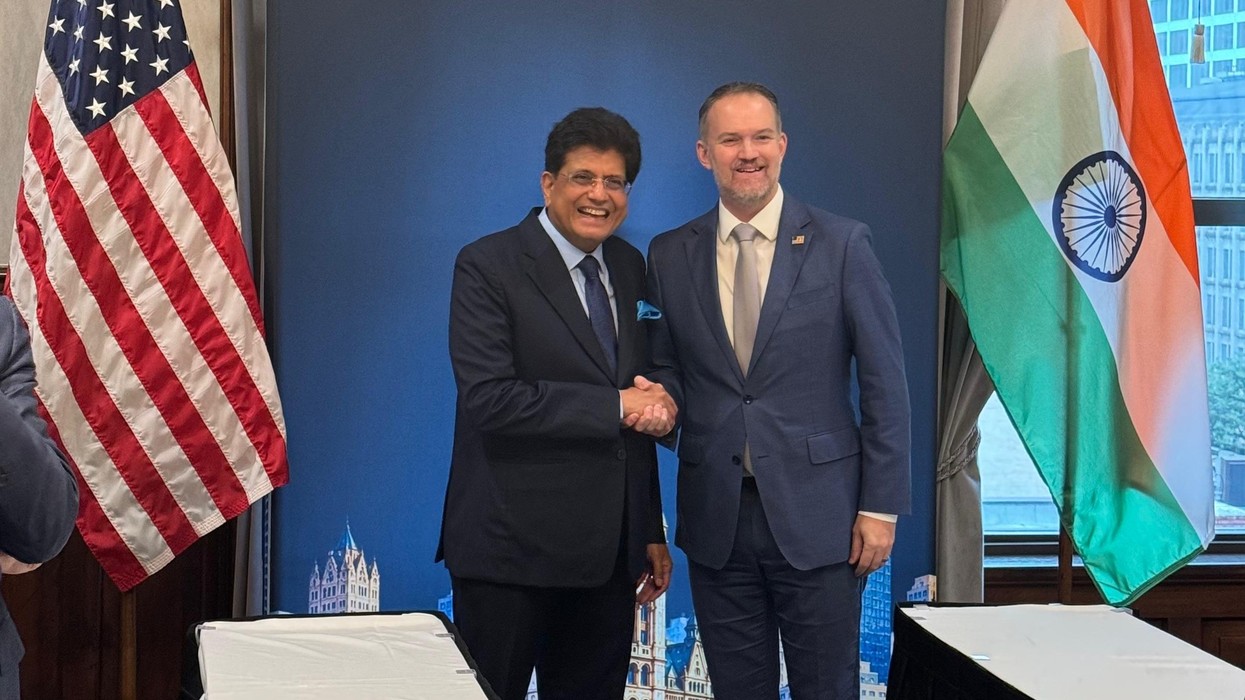
After meeting US Trade Representative Jamieson Greer on Wednesday on the sidelines of the G-20 Trade Ministers' meeting in Milwaukee, Goyal posted on X:"Had a productive discussion with USTR Greer towards early conclusion of a mutually beneficial interim agreement under the India-US Bilateral Trade Agreement."
"Early conclusion" suggests the deal is not concluded. And "interim agreement" points to a first step, not the finished pact Goyal described a week earlier.
A call at the top
The same day, Prime Minister Narendra Modi and President Donald Trump spoke by phone for the first time since June. Modi called it a productive conversation and said they reviewed cooperation in trade, defense, energy and critical technologies.
Official sources said the Indian side initiated the call. No US readout was available, and Modi's post did not say whether the biggest new threat to the relationship came up.
The new hurdle: Russian oil
That threat is significant. The call came days after the US enacted the Sanctioning Russia and Iran Act of 2026, which lets the president impose tariffs of up to 100% on goods from countries that buy most of their oil or gas from Russia and help Russia evade sanctions. New Delhi has raised concerns with Washington over the law.
So far, India has shown no sign of changing its oil purchases, and no tariff relief has been announced.
Why the deal keeps moving
The trade pact has been a moving target all year. India and the US announced the framework for the first phase of the bilateral trade agreement in February. But changes in the US tariff landscape forced further negotiations.
The US Supreme Court struck down Trump's reciprocal tariffs imposed under emergency powers, prompting Washington to adopt a different tariff framework. In July, the US imposed an additional 10% tariff on Indian imports under Section 301 of the Trade Act, following a probe into India's measures concerning goods produced with forced labor.
India's external affairs minister S. Jaishankar admitted the uncertainty in New York on Monday (28).
"The 301 process is still in the works, it's still unfolding. So the issue for us is at what point do you close out an agreement which is very, very far advanced," he said.
What India wants
India's demand is clear: an edge over its rivals in the US market, including ASEAN countries, China and Bangladesh. Until Washington's tariff picture settles, it's hard to know what that edge is worth.
The stakes are high. Bilateral trade between the two countries totaled around $149.4 billion in 2025, according to officials.
Both sides are clearly still talking, and at the highest levels. But a deal described as "done and dusted" on September 24 is now an "interim agreement" headed for "early conclusion," with a new Russian-oil tariff threat on the table.
For now, the most accurate answer is: almost, but not yet.







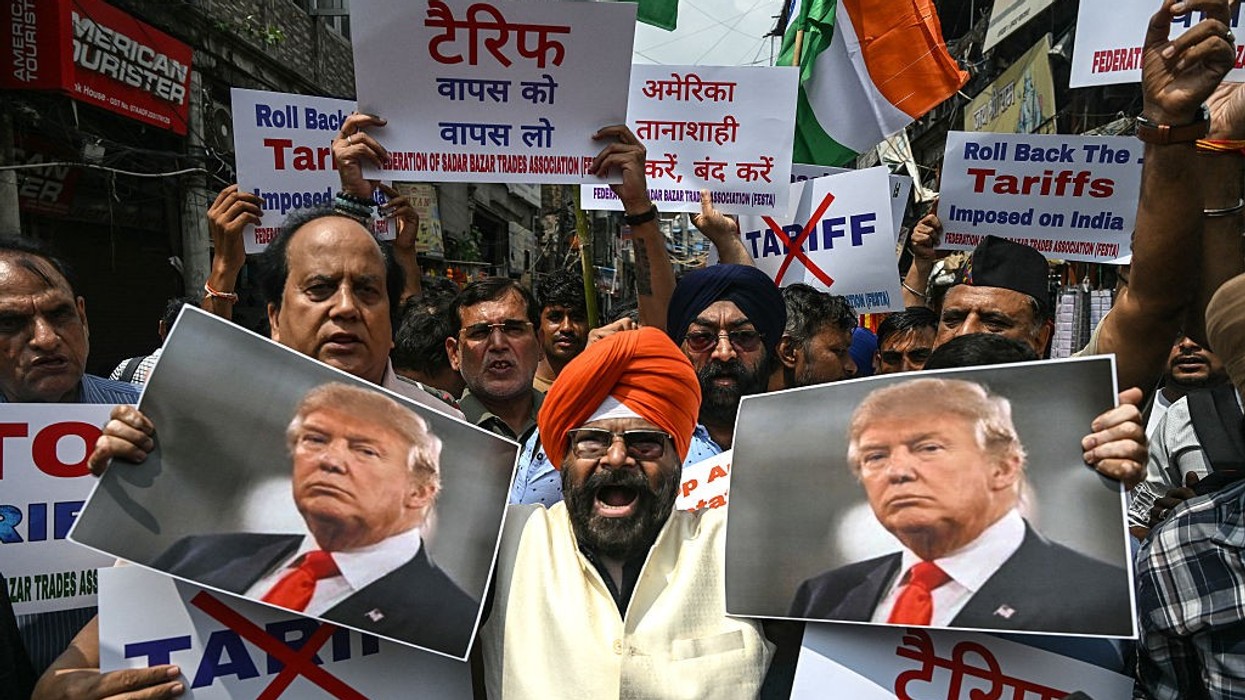



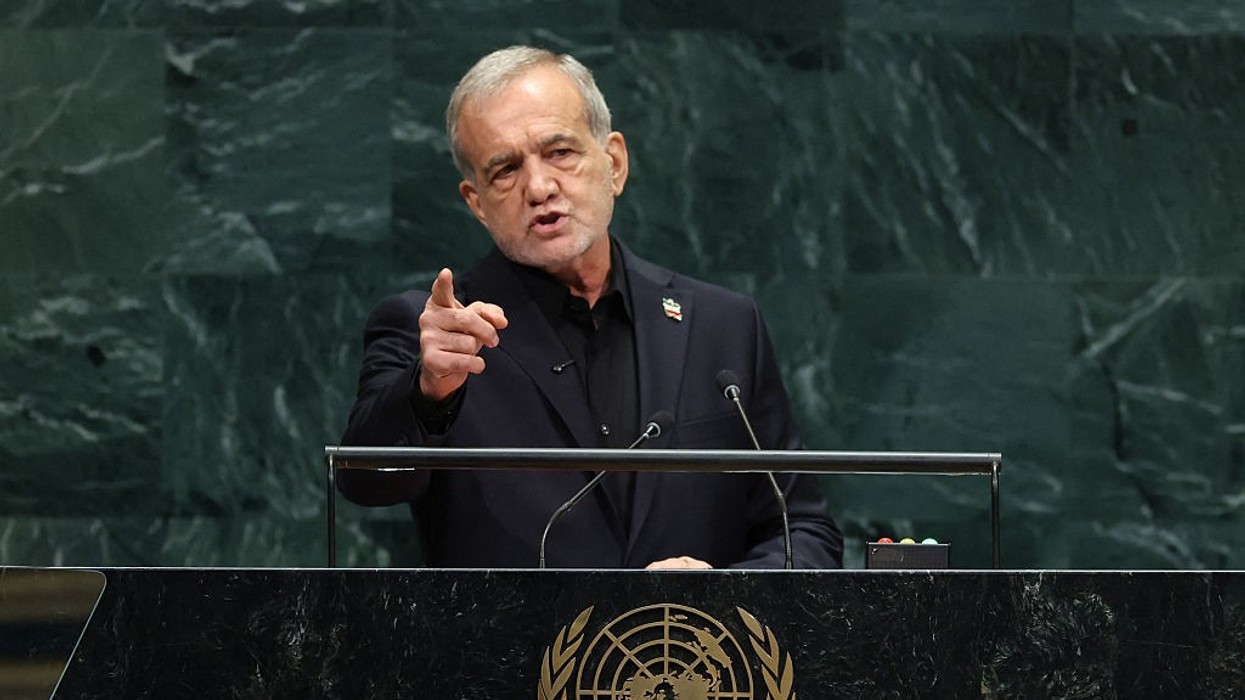
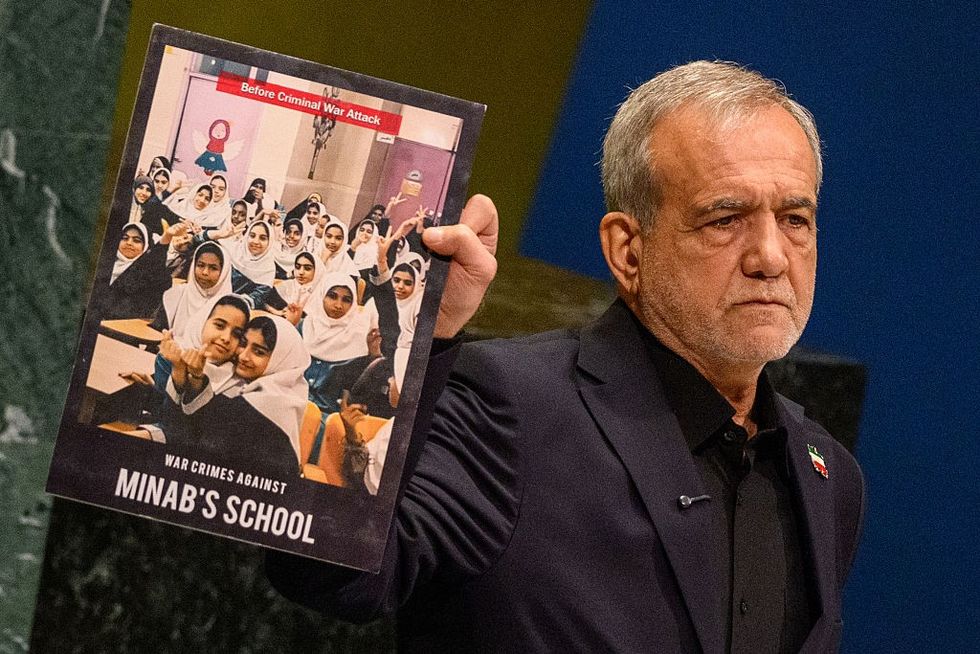 President of Iran Masoud Pezeshkian holds up a poster of a girl's school that was attacked while addressing the 81st session of the United Nations (U.N.) General Assembly at U.N. Headquarters on September 23, 2026 in New York City. World leaders have gathered in New York for the annual session of the United Nations General Assembly, with this year's global issues ranging from the threat of artificial intelligence to the continued wars in Ukraine and Gaza. Getty Images