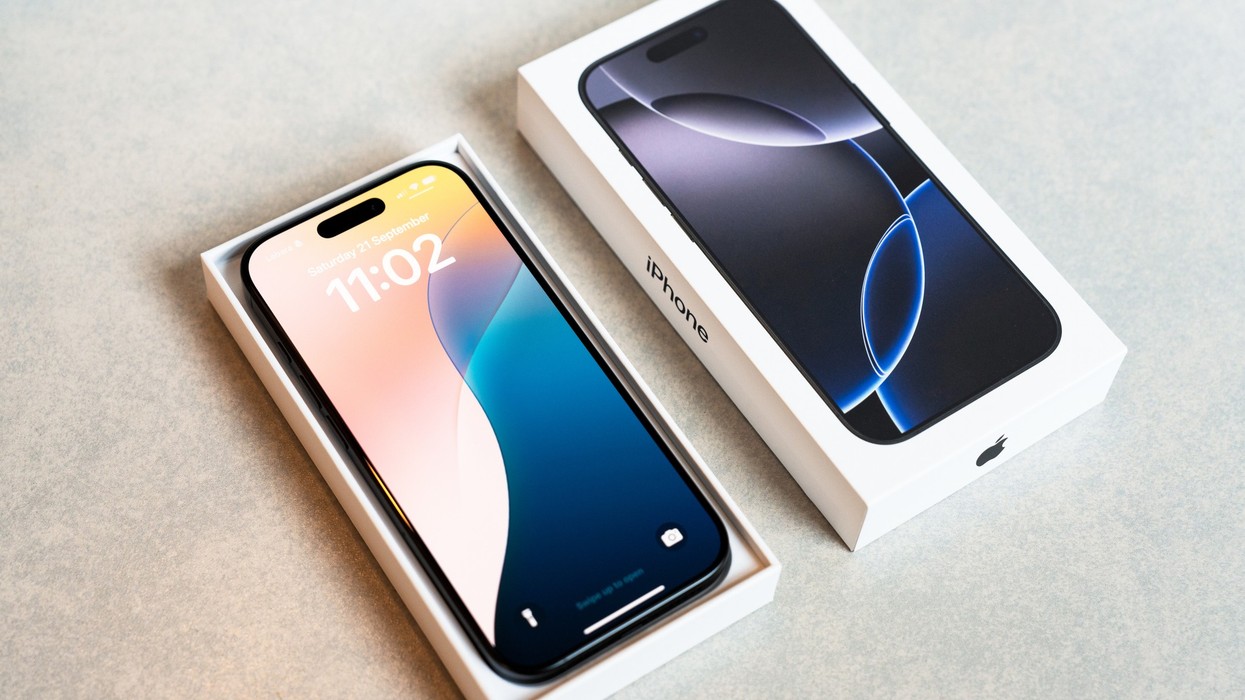

- Apple's iPhone shipments in India fell 3 per cent year-on-year for the first time in more than four years.
- India's smartphone market shrank 10 per cent during the April-June quarter, marking its weakest June quarter in six years.
- Rising component costs and higher handset prices are expected to keep pressure on sales through 2026.
For the first time in more than four years, Apple's iPhone shipments in India have declined, highlighting a broader slowdown in what has long been one of the company's fastest-growing markets.
According to market research firm Counterpoint Research, iPhone shipments fell 3 per cent year-on-year during the April-June quarter. The decline was not driven by weaker consumer interest but by limited availability of the iPhone 17 series, which left retailers with fewer devices to sell. The shortfall also pushed Apple out of India's top five smartphone brands for the quarter.
The setback comes as India's smartphone market faces one of its toughest periods in recent years. Counterpoint said overall smartphone shipments dropped 10 per cent year-on-year, making it the weakest June quarter in six years.
A market feeling the pressure
Analysts say the slowdown reflects a combination of rising manufacturing costs, higher retail prices and cautious consumer spending.
Memory chip prices reached record levels during the quarter, forcing manufacturers to increase smartphone prices across almost every segment. According to Counterpoint, the average selling price of smartphones rose by around 15 per cent by the end of the quarter.
The biggest impact was felt in the budget market. Shipments of smartphones priced below ₹15,000 fell 45 per cent, while Chinese brands that depend heavily on entry-level devices lost market share for a second consecutive quarter.
Although manufacturers introduced discounts and financing schemes to support demand, these measures were not enough to offset rising prices and economic uncertainty.
Apple has so far avoided increasing iPhone prices despite raising prices for Macs and iPads in June. However, chief executive Tim Cook reportedly told The Wall Street Journal that price increases for iPhones could eventually become unavoidable.
Premium phones hold up, but challenges remain
Despite the overall slowdown, demand for premium smartphones remained relatively resilient, helped by financing offers that made expensive devices more affordable.
Counterpoint expects India's smartphone market to shrink by around 13 per cent this year, while IDC estimates sales could fall by between 12 per cent and 15 per cent. If those forecasts prove accurate, 2026 would be the weakest year for the market since before the Covid-19 pandemic.
Apple is expected to perform better than the wider industry, with IDC and Counterpoint projecting 15 million iPhone sales in India this year, compared with 14 million in 2025. Even so, that would represent a slower pace of growth than the company has enjoyed over the past several years.
Among smartphone brands, vivo retained the top position with an 18 per cent market share, while Samsung was the only brand in the top five to record year-on-year growth, supported by strong demand for its Galaxy A and flagship S-series devices.
Meanwhile, Nothing emerged as India's fastest-growing smartphone brand, reporting 105 per cent year-on-year growth, while Google Pixel recorded the strongest growth in the ultra-premium segment.
For Apple, the latest figures suggest the challenge is no longer convincing consumers to buy iPhones. Instead, it is navigating supply constraints and a smartphone market that appears to be losing momentum after years of rapid expansion.



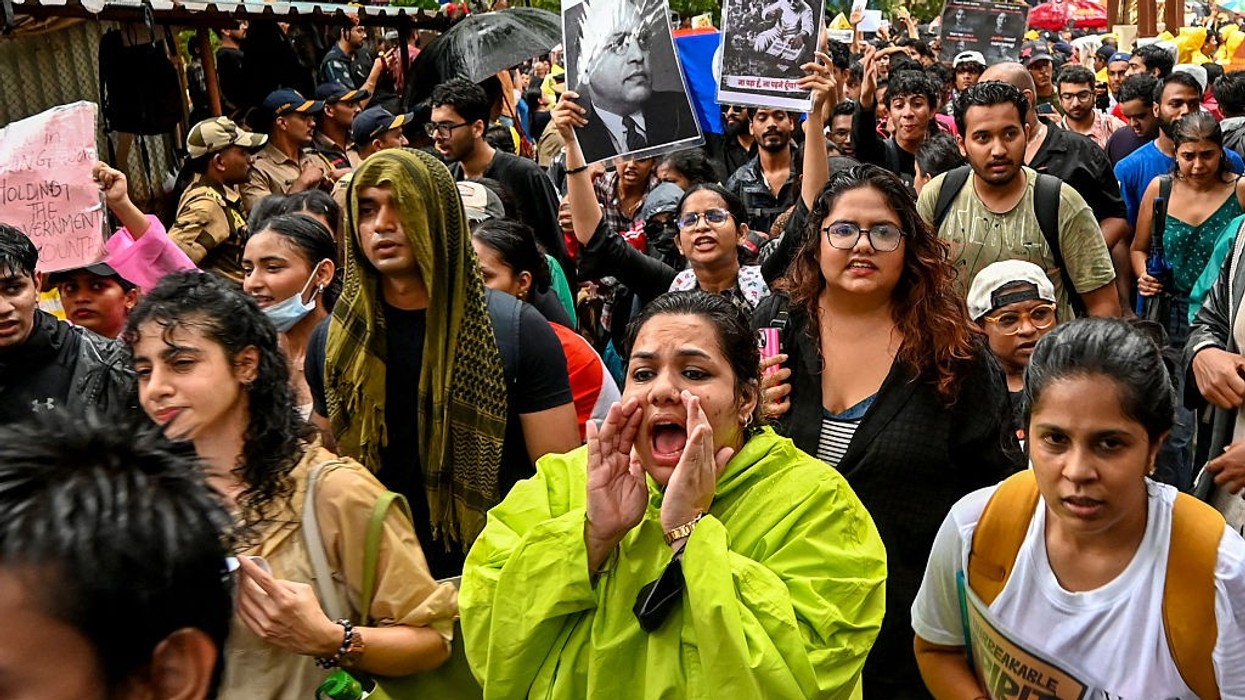





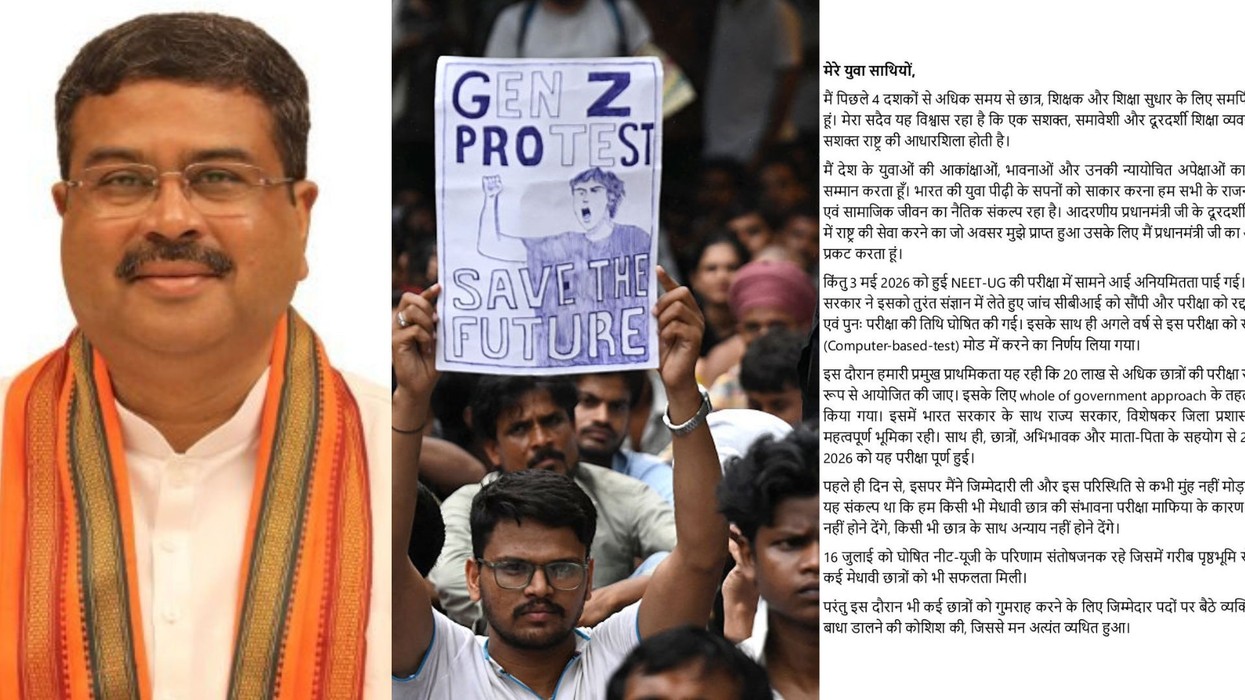
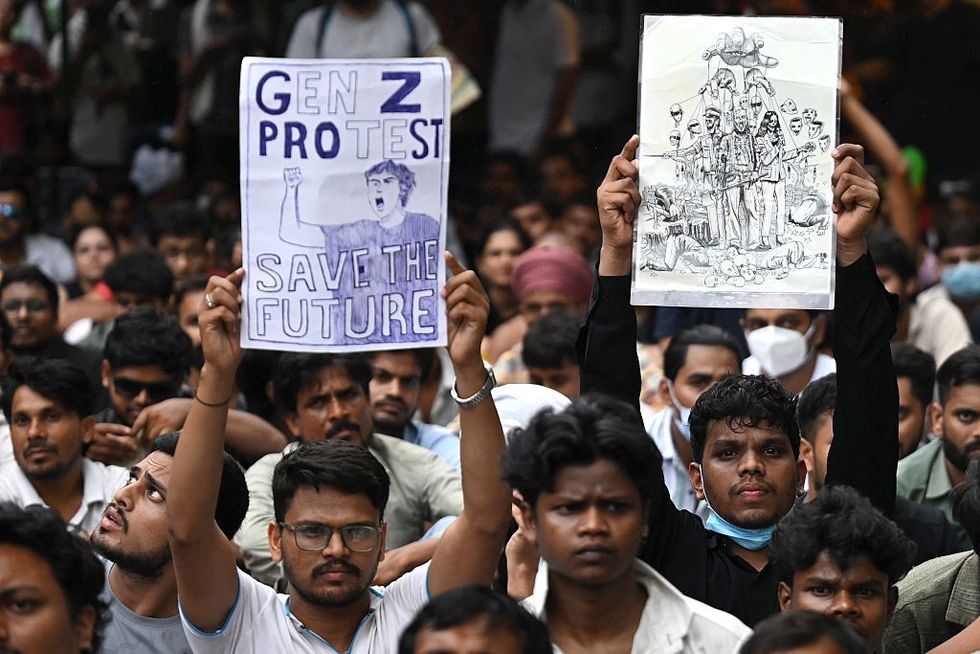 Cockroach Janta Party (CJP) supporters gather at Jantar Mantar in New Delhi on July 24, 2026 during the ongoing protest to demand the resignation of India's Education Minister Dharmendra Pradhan over alleged NEET exam irregularities. Leaders of India's youth-led "Cockroach" movement said they would meet the government on July 24 after Prime Minister Narendra Modi pledged legal reforms and swift punishment for those involved in exam paper leaks. Getty Images