Highlights:
- Education Minister Dharmendra Pradhan resigns after weeks of protests
- Protests followed a leak of India's national medical entrance exam
- Activist Sonam Wangchuk ends 26-day hunger strike
- Government pledges no legal action against protesting students
- New anti-leak bill to be introduced in parliament Monday
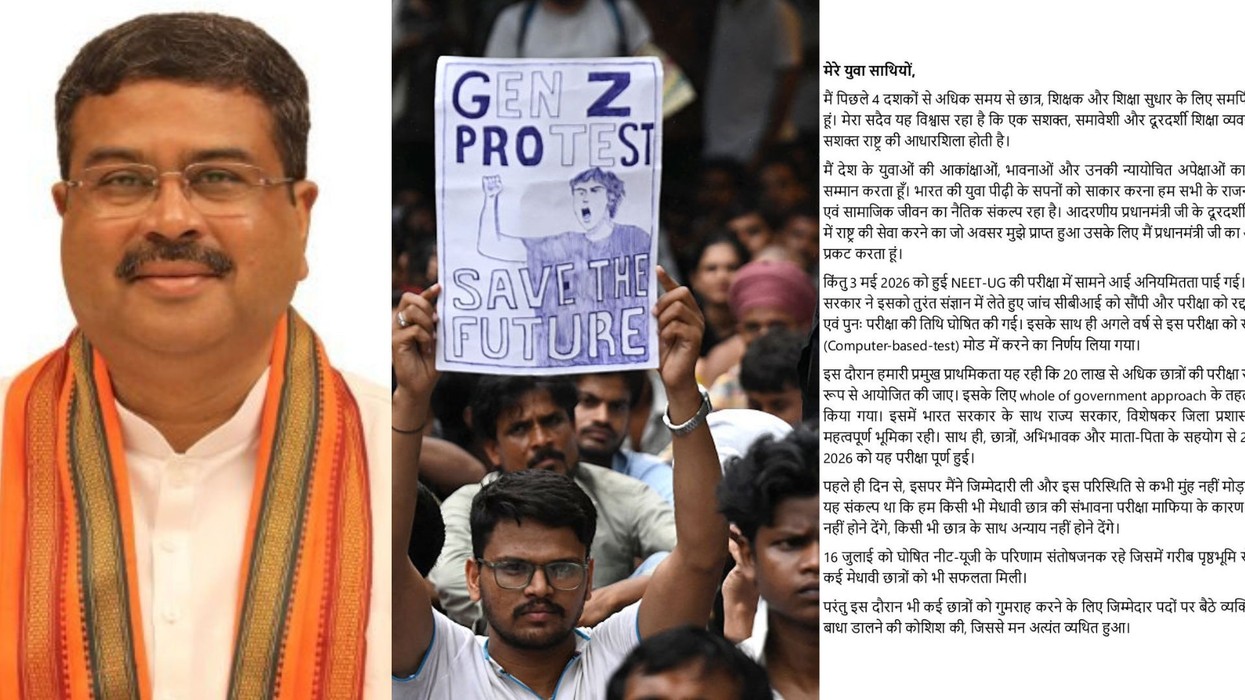
India's Union Education Minister, Dharmendra Pradhan, has resigned and sent his resignation letter to Indian prime minister Narendra Modi, following over a month of nationwide student protests. The demonstrations were triggered by a leak involving NEET-UG, India's national standardized entrance exam required for admission to medical schools across the country, roughly equivalent to the MCAT in the United States, though NEET is taken by high schoolers and is used nationally rather than by individual institutions.
The protests, organized in part by a satirical political group called the Cockroach Janta Party (CJP), have centered around Jantar Mantar, a historic site in Delhi that frequently serves as a hub for public demonstrations, . In a statement posted on X (formerly Twitter), Pradhan said his position had never been "a matter of personal prestige for him."
The CJP welcomed the resignation, posting in Hindi that translates to "Long live student power."
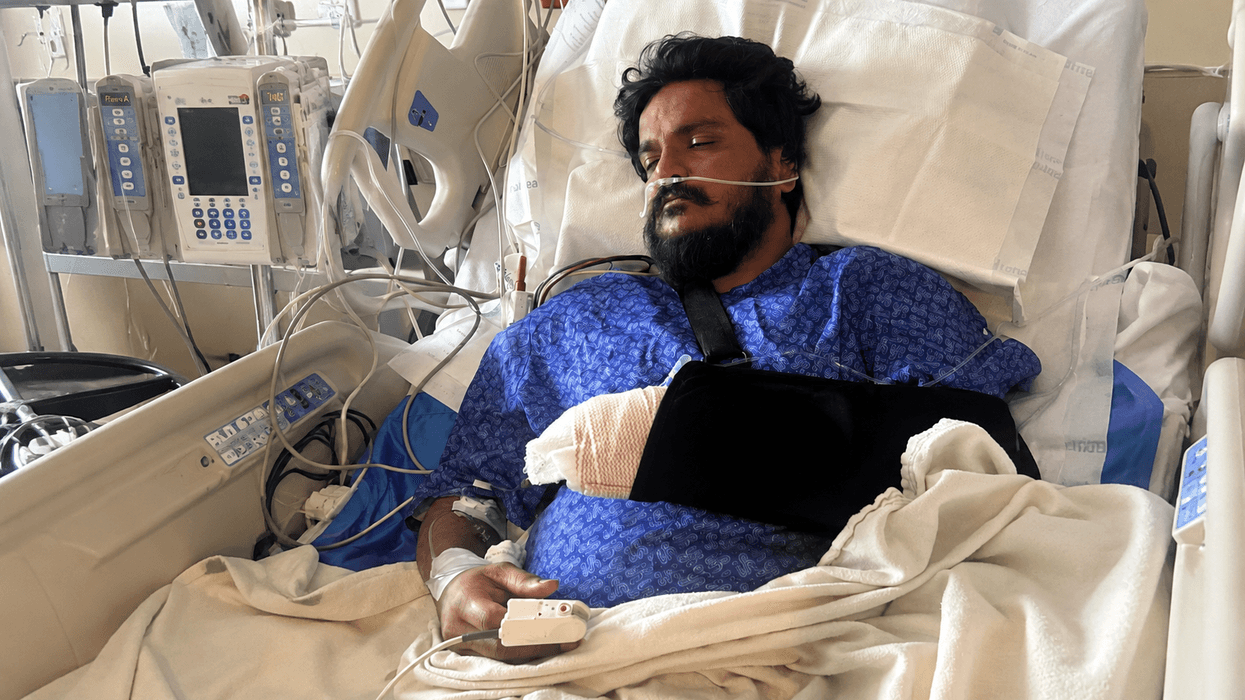
The resignation comes shortly after activist Sonam Wangchuk ended a 26-day hunger strike at a hospital in Gurugram, a city near Delhi. Wangchuk, a well-known education reformer and engineer, had been fasting in solidarity with the student protesters since late June. He ended his strike late Thursday night (23) in the presence of two federal ministers and his wife.
In a video posted to YouTube, Wangchuk said he agreed to end the fast after receiving three written commitments from the government: that no legal action would be taken against students who protested at Jantar Mantar or who took part in a march to India's parliament on July 20; that compensation would be provided to families of students who died by suicide; and that the exam leak would be formally discussed in parliament.
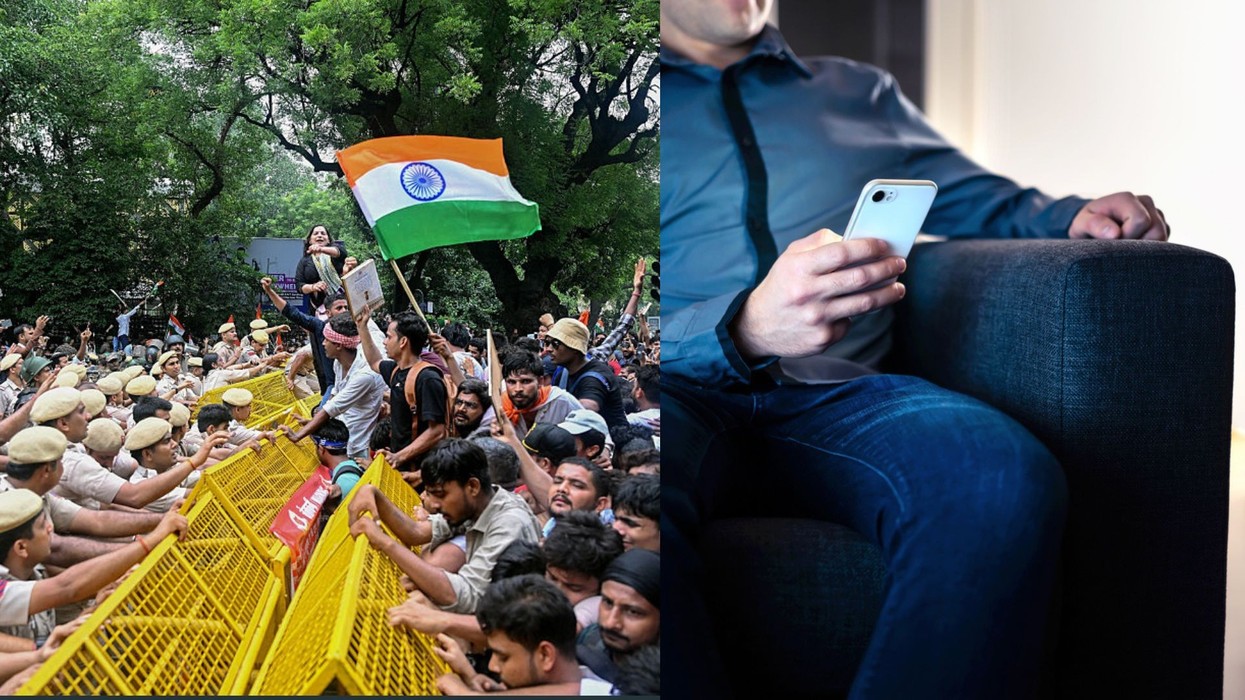
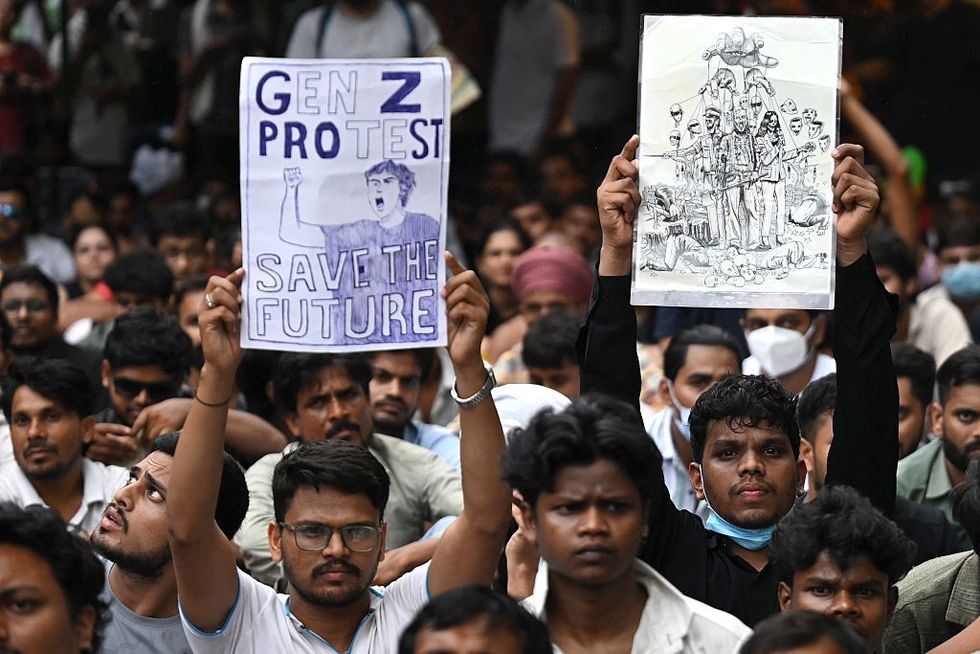 Cockroach Janta Party (CJP) supporters gather at Jantar Mantar in New Delhi on July 24, 2026 during the ongoing protest to demand the resignation of India's Education Minister Dharmendra Pradhan over alleged NEET exam irregularities. Leaders of India's youth-led "Cockroach" movement said they would meet the government on July 24 after Prime Minister Narendra Modi pledged legal reforms and swift punishment for those involved in exam paper leaks. Getty Images
Wangchuk also raised allegations that he had been prevented from leaving a government-run hospital in Delhi for several hours, despite a court order permitting his transfer to a private facility. In a video recorded during the incident, he can be heard telling a police officer, "Ask them to arrest me. I am a free citizen." He added, "You are keeping me for three hours on the 25th day of my hunger strike." and said, "You all are harassing me. If I die of stress, it will be your responsibility." Hospital officials disputed the framing of the incident, saying Wangchuk was transferred to the private hospital shortly after the court's written order was received.
Separately, protests connected to the exam leak turned violent in the eastern city of Patna, where police used batons and were met with stone-throwing; a regional political leader was detained.
In response to the unrest, India's government plans to introduce an anti-leak bill Monday in the Lok Sabha, the lower house of India's national parliament. The proposed legislation would impose prison sentences of up to 10 years and fines of roughly $60,000 for those found responsible for exam leaks.