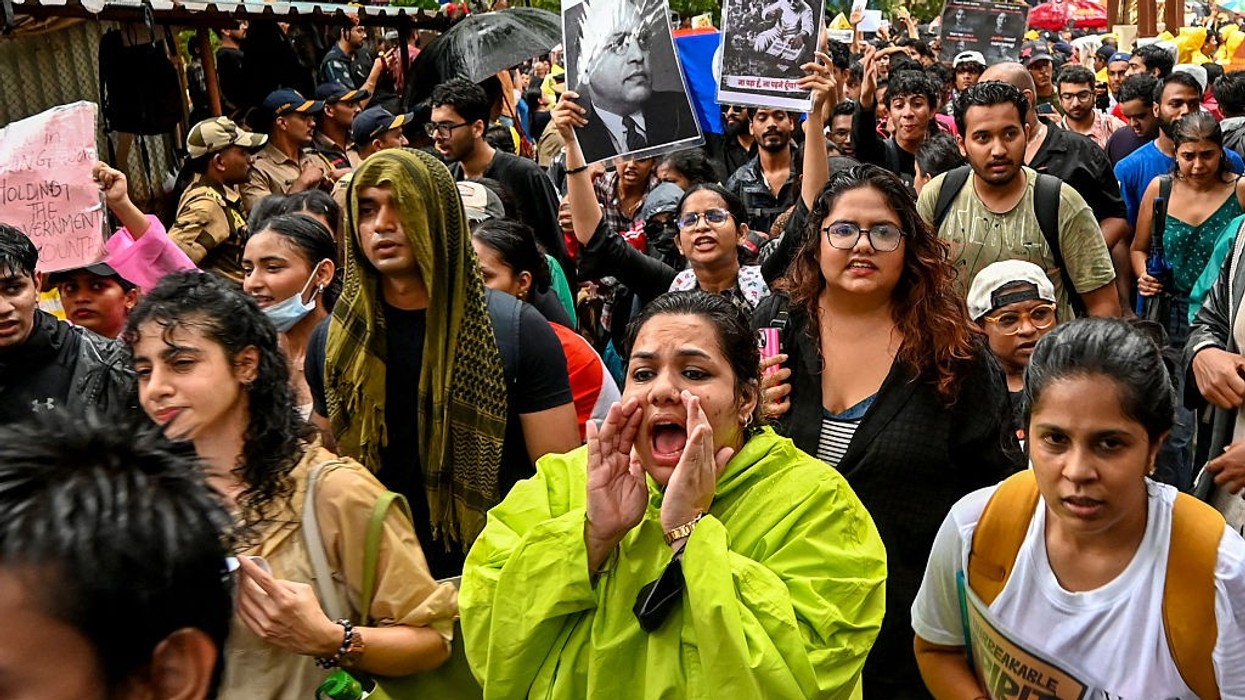
Amid intense heat, high humidity, and overcrowded conditions, the risk of infectious diseases is growing at the Jantar Mantar protest site in India's capital New Delhi, with many demonstrators reporting headaches, sore throats, and fever.
Volunteer doctors at the site said that large crowds and makeshift outdoor living conditions have led to a rise in viral infections, dehydration, and other health issues, adding to the challenges faced by protesters.
Speaking to PTI, Dr. Shilpa of Punjab's Five River Heart Association said many people have sought treatment for sore throats, headaches, and high fever.
"Many protesters are sleeping on the ground in the open, which increases the risk of infection," she said.
Dr. Shilpa said that by Wednesday evening (22), more than 200 people had been given paracetamol (acetaminophen) and other medications.
She added that many elderly protesters were also seeking treatment for diabetes and high blood pressure. Essential medicines were being provided to those who either forgot to bring their prescriptions or lost them in the crowd.
According to Dr. Shilpa, inadequate food intake has also contributed to worsening health conditions, with many people experiencing nausea, vomiting, and dehydration. Volunteers have been distributing food and oral rehydration solution (ORS) to those in need.
Another volunteer doctor from Patiala, who requested anonymity, said viral infections are spreading easily because of the dense crowds, with coughing and sneezing contributing to transmission.
In addition to viral illnesses, the medical team has been treating protesters for coughs, sprained ankles, and minor injuries.
The doctor said physicians from nearby medical colleges have been volunteering at the protest site after completing their regular hospital duties.
A team of four to five volunteer doctors remains on-site at all times, equipped with pain relievers, antibiotics, wound care ointments, ORS, allergy medications, medicines for diabetes and high blood pressure, and cough syrups.
Many members of the public have also donated medical supplies. A 22-year-old student named Piyu contributed paracetamol, ORS, bandages, and other first-aid materials.
Dr. Shilpa said many protesters have suffered sprains or twisted ankles while trying to move quickly when police used batons or pushed back crowds during demonstrations.
She also said some protesters who were struck by police batons during the July 20 march delayed seeking treatment, resulting in infected wounds.
Roshanara, a resident of Delhi's Azad Market, said the volunteer medical team treated her with a pain-relief spray after she sprained her ankle during the protest.
In another case, 64-year-old Anand Srivastava, who attended the protest over the NEET paper leak issue, said he began feeling unwell. Medical volunteers checked his blood pressure, found it to be elevated, administered medication, and helped stabilize his condition.
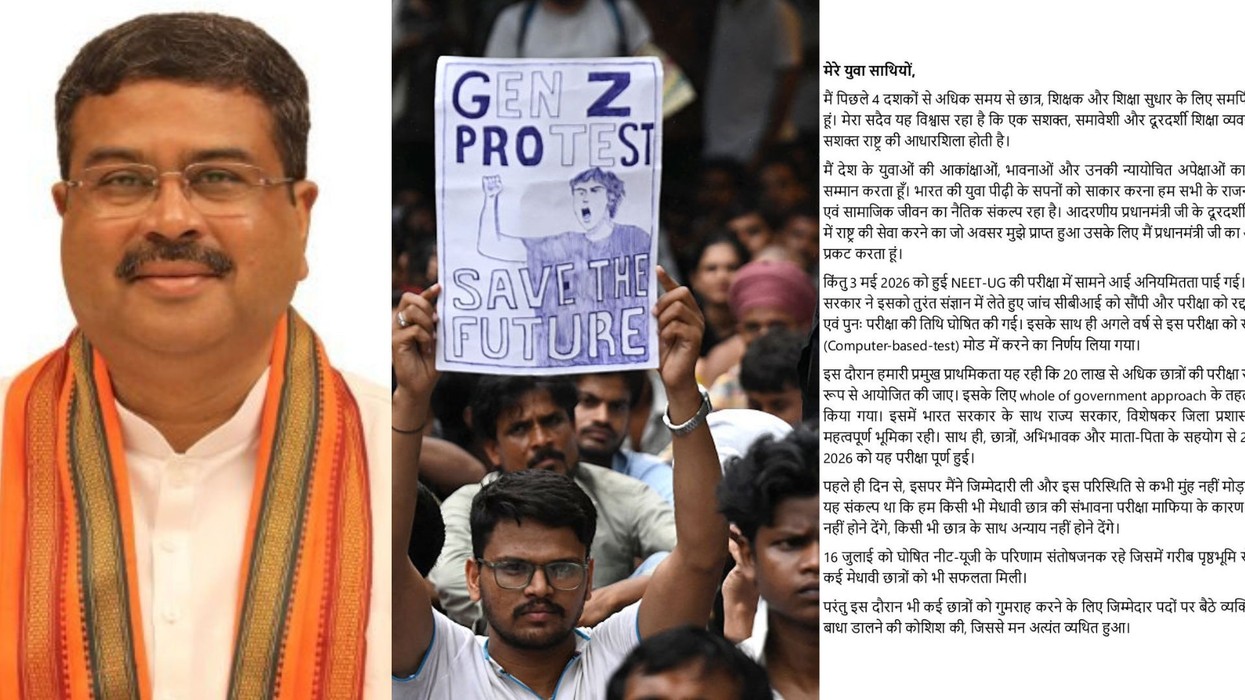
The CJP launched the protest at Jantar Mantar demanding the resignation of Union Education Minister Dharmendra Pradhan over the NEET examination paper leak.