Highlights:
- BRICS nations share goal of connected, resilient health systems
- Common challenges: data gaps, chronic disease, workforce shortages
- Brazil shifts from paper records to national health data network
- Indonesia scales digital health across 17,000-plus islands
- AI seen as promising, but needs reliable local health data
The head of India's National Health Authority, Sunil Kumar Barnwal, said Friday that despite having very different healthcare systems, BRICS countries, Brazil, Russia, India, China, South Africa, and several newer members including Indonesia, share a common goal: building healthcare systems that are connected, centered on patients, and able to withstand disruptions.
BRICS is an economic and political coalition of emerging economies that has increasingly focused on cooperation in areas like healthcare and technology. Speaking at an event on the sidelines of a BRICS health ministers' meeting hosted in India from July 22 to 24, Barnwal presented an analysis of digital health systems across member countries.
He pointed to notable innovations in each nation, while also flagging shared obstacles: difficulty getting different health systems to "talk" to each other (known as interoperability), a rising number of patients with chronic and long-term illnesses, shortages of trained healthcare workers, and the need for stronger rules around how health data is collected and protected.
The event, organized by India's National Health Authority under its health ministry, brought together policymakers and health experts from BRICS countries to discuss how digital infrastructure and artificial intelligence can help deliver more seamless, coordinated care, the kind of continuous treatment a patient might receive moving from a local clinic to a specialist to a hospital, without records or care getting lost along the way.
Discussions were based on a report from a BRICS technical working group focused on "continuum of care," essentially, making sure patients receive consistent, uninterrupted treatment as they move through different parts of the healthcare system. Barnwal said the report offers a practical roadmap for countries looking to improve care coordination, including adopting shared technical standards, ensuring patient data is exchanged securely and only with consent, and using AI responsibly.
A panel discussion allowed delegates to share real-world examples. Brazil's representatives described how the country moved from paper-based patient referrals to a unified national health data exchange, similar in concept to efforts in the US to connect electronic health records across hospital systems. They also noted that telehealth services now reach nearly 80 per cent of Brazilian municipalities, expanding access to specialists in remote areas, including the Amazon region.
Indonesia's delegates discussed scaling up their primary care model across thousands of local health centers known as "Puskesmas," roughly comparable to community health clinics in the US They also highlighted their SATUSEHAT digital health platform, built to maintain continuity of care across a country made up of more than 17,000 islands, despite significant internet connectivity challenges.
The panel agreed that while AI holds real promise for improving healthcare delivery, its safe use depends on having high-quality, well-connected health data and clinical evidence tested within local populations — a reminder that AI tools built for one country's health system may not automatically work well in another's.












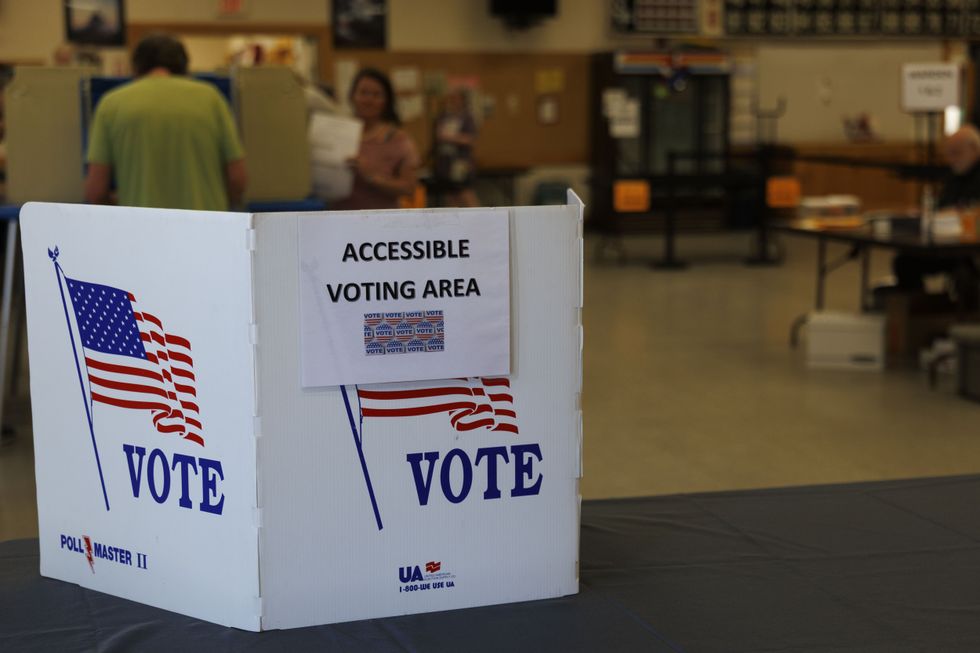 Indian Americans recorded the highest Democratic support among the Asian ethnic groups surveyedGetty Images
 Christine Chenx
 Democratic congressman Ro KhannaGetty Images
 Karthick Ramakrishnanx