
Highlights:
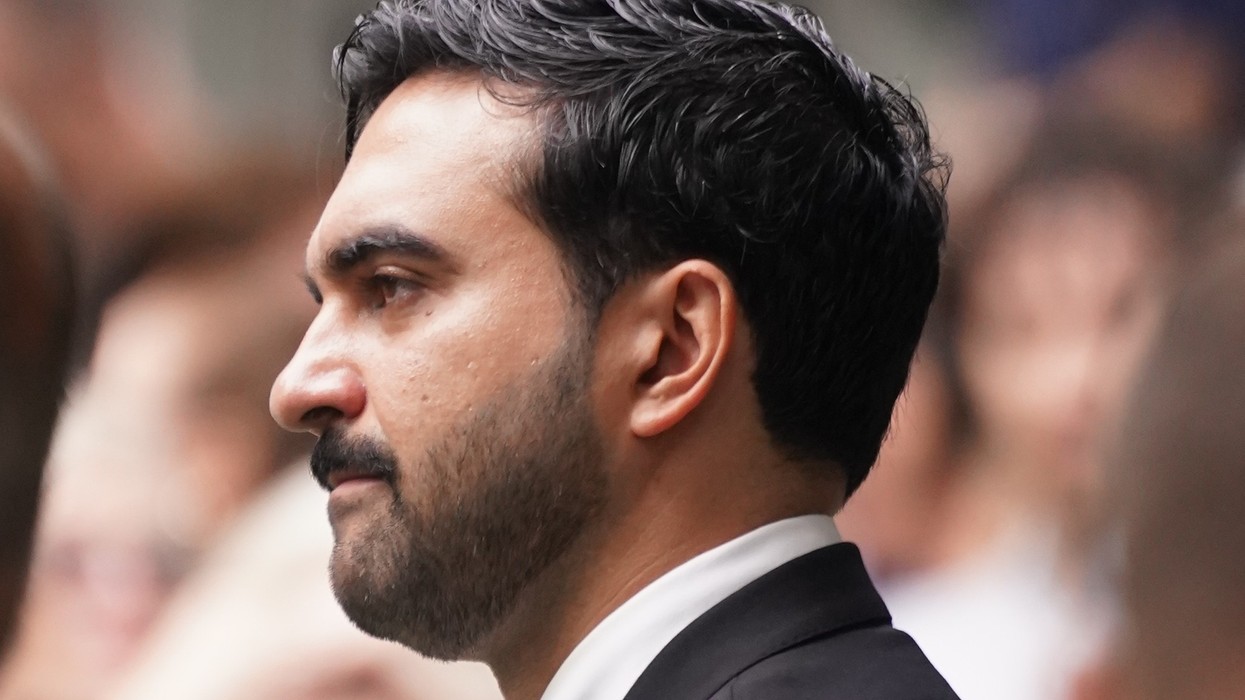
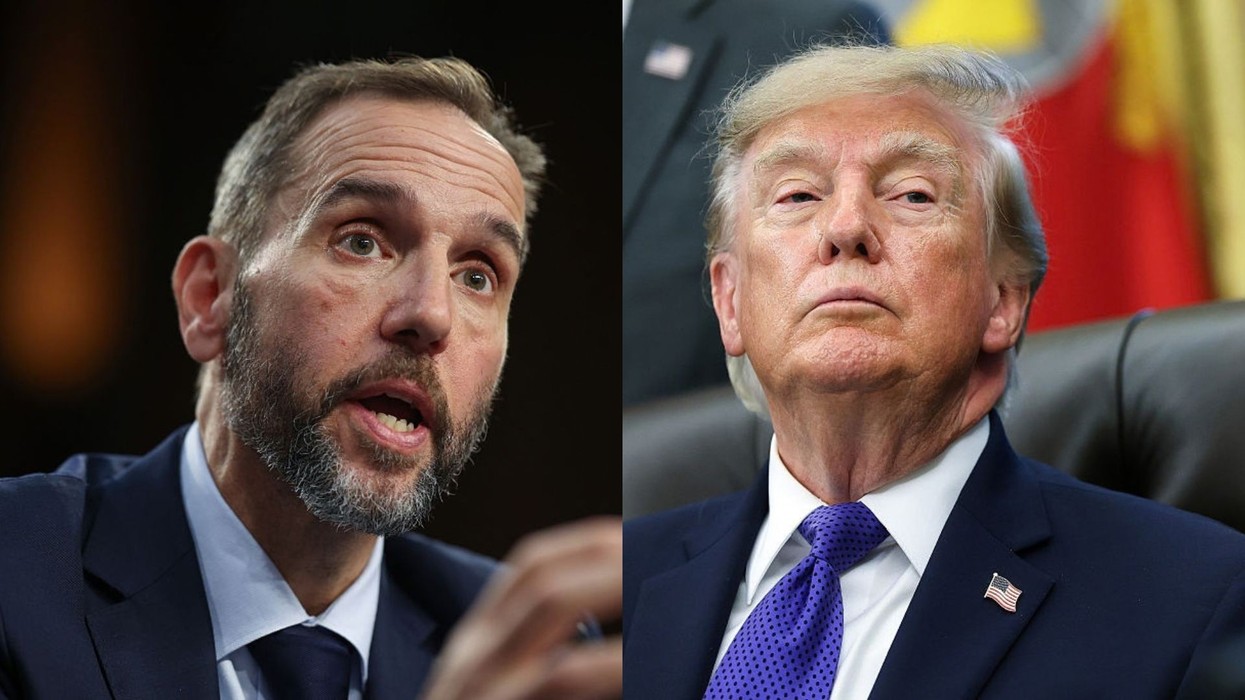
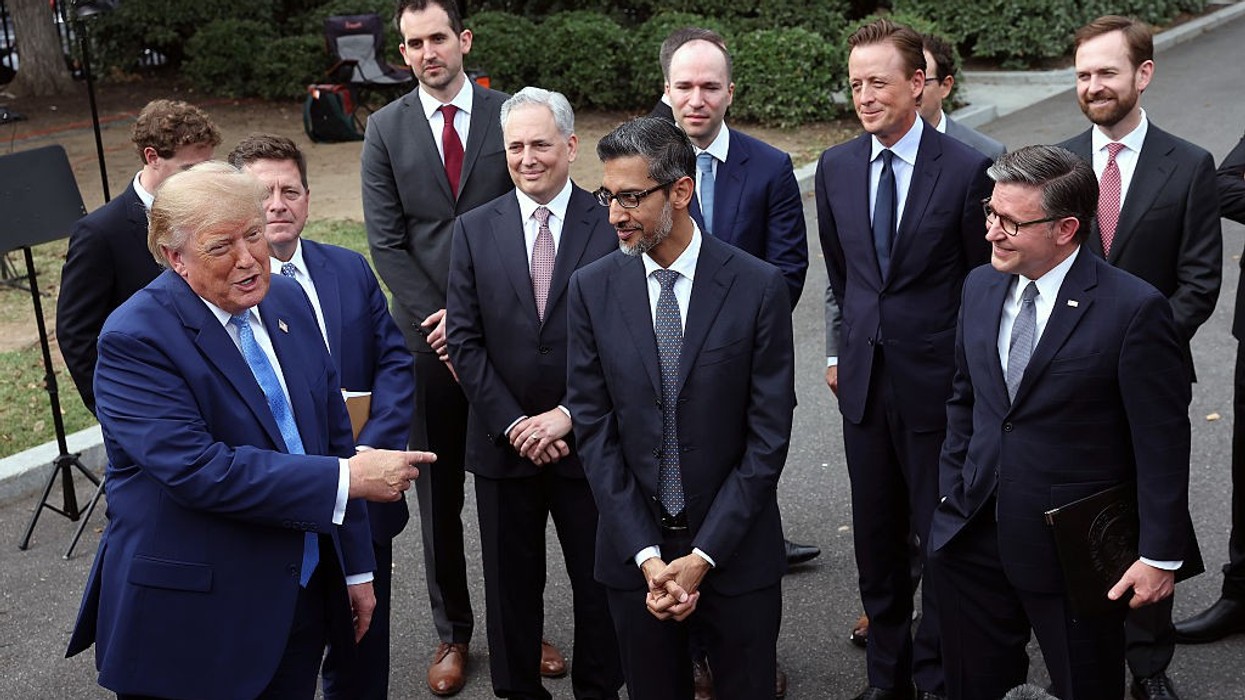
US president Donald Trump raised eyebrows Tuesday (29) when he introduced Google CEO Sundar Pichai to reporters by calling him a "monster." The clip quickly went viral. But the remark was meant as a compliment, and the meeting behind it could shape how the world's most powerful AI systems are built. Here's what you need to know.
Trump was hosting top AI executives at the White House, including Pichai, Meta CEO Mark Zuckerberg and Anthropic CEO Dario Amodei. Introducing Pichai outside the West Wing, Trump said: "This guy is a monster, and nobody knows."
In a video circulating on social media, Trump invites Pichai to speak. Pichai begins, "First of all, thanks—" before Trump cuts in with the "monster" remark, adding that it's a great life to be one without having to go through the spotlight.
Was it an insult?
No. Trump used the word as praise for Pichai's influence and success in the tech industry. In American slang, calling someone a "monster" at what they do often means they're exceptionally good or powerful at it, the way a sports fan might call a star athlete a monster on the field.
The second half of the line was a lighthearted dig at Pichai's low public profile. Despite running one of the world's most influential companies, Pichai is far less of a household name than many tech leaders, and far less exposed to the public scrutiny Trump faces.
Why were the tech leaders at the White House?
The executives gathered to discuss a new voluntary agreement on AI safety and oversight, a framework meant to strengthen oversight of advanced AI systems through internal and external reviews.
Pichai later confirmed the signing on social media: "We had an important conversation and signed the White House Accord on Super Intelligence today."
What does the agreement involve?
Pichai compared it to the checks companies already use elsewhere.
"We are signing up to a set of processes and controls as we do in other areas, like financial controls, in a company. And we are bringing those well-known best practices to the development of superintelligence," he told reporters.
Zuckerberg said the accord included "a set of principles and commitments around building robust internal controls and detecting if there are any issues with the technology." He said it would involve internal risk reviews, external auditing and independent reviews by company boards.
Is the AI industry policing itself?
Largely, yes, since the commitments are voluntary. Trump praised that approach.
"I think I'm seeing tremendous self-policing. And they understand that they have to self-police," he said.
Amodei, whose company has often warned about the risks of advanced AI, struck a more cautious tone.
"But I think the technology has very real risks. And, you know, the mechanism, how we address those risks is still under discussion," Amodei said.
What about data centers?
Trump has spent months defending the expansion of AI infrastructure, including data centers across the country, despite criticism from both supporters and opponents. On Tuesday, he argued they benefit local communities.
"By the way, I'm very good at real estate. Some of those buildings are absolutely beautiful," Trump said. "They're big, and they're, you know, big, strong, powerful buildings. But they're beautiful, and they add greatly to a community."
The "monster" moment was a compliment, not a jab. The bigger story is the accord itself, a voluntary pledge by the biggest AI companies to add checks on their most advanced systems, with key questions about enforcement still unresolved.