

AUTHORITIES in the southern Indian state of Kerala have raised an alarm in all districts of the state following the identification of 15 cases of Zika virus. Veena George, the state’s health minister, confirmed the infections that spread in Thiruvananthapuram district where the capital city of Thiruvananthapuram is located.
In a statement on Friday (9), George said that the first identified patient of the Zika virus was a 24-year-old pregnant woman from a town bordering the state of Tamil Nadu, Kerala’s eastern neighbour. The woman was reportedly admitted to a hospital in Thiruvananthapuram on June 28 with fever, headache and rashes. She gave birth to a baby on Wednesday (7).
George said the woman’s condition was stable and the delivery was normal. She also added that the victim of the virus had no travel history outside Kerala, BBC reported.
The ongoing monsoon rains have turned the affected areas into “breeding ground for the mosquitoes,” she told reporters on Friday.
All the news cases have been reported among healthcare workers in the Thiruvananthapuram district. The samples collected were sent to the National Institute of Virology (NIV) in Pune in the state of Maharashtra.
Kerala health secretary Dr Rajan Khobragade told BBC that the state government had sent teams for “strong surveillance in outbreak areas” which included educating people about the disease, following up with pregnant women and counselling couples.
Zika outbreak when Kerala is battling Covid challenge
The Zika outbreak has given the state’s health authorities a fresh headache since they are amid a challenging battle to contain the second wave of the Covid-19 infections with the test positivity rate still hovering above 10 per cent over the past one week. India’s first case of coronavirus infection was also reported from Kerala in January last year.
This is not the first time that India has reported about the Zika outbreak. In 2017, reports about the outbreak of the same virus were made from the western state of Gujarat. Cases were also reported from Tamil Nadu’s Krishnagiri district the same year. The NIV successfully isolated the Zika virus for the first time in November 2018.
According to the World Health Organisation, Zika is caused by Aedes mosquitoes, known for being active during the day. It was first detected among monkeys in Uganda in Africa in 1947 and was found in humans in 1952 in Uganda and Tanzania. The virus’s outbreak has also been detected in Asia, America and Pacific islands besides Africa.
Researchers, however, discovered that “significant numbers” of people in India had also been exposed to the virus since 33 of the 196 people tested for the new disease had immunity. “It therefore seems certain that Zika virus attacks human beings in India,” they said in a paper which was published in 1953.
Brazil encountered a serious outbreak of the virus in 2015 because of which more than 1,600 children in that country were born with microcephaly, a birth defect where a baby’s head is smaller than normal. The Zika virus is linked to shrunken brains in kids and a rare auto-immune disease known as Guillain-Barre syndrome. It can also be sexually transmitted.




 A 1996 photo of rapper Tupac Shakur (L) and Marion "Suge" Knight is shown on screens during closing arguments in the Duane Davis murder trial, related to the 1996 killing of rapper Tupac Shakur, at Clark County District Court at the Regional Justice Center in Las Vegas, Nevada, on August 31, 2026. Getty Images




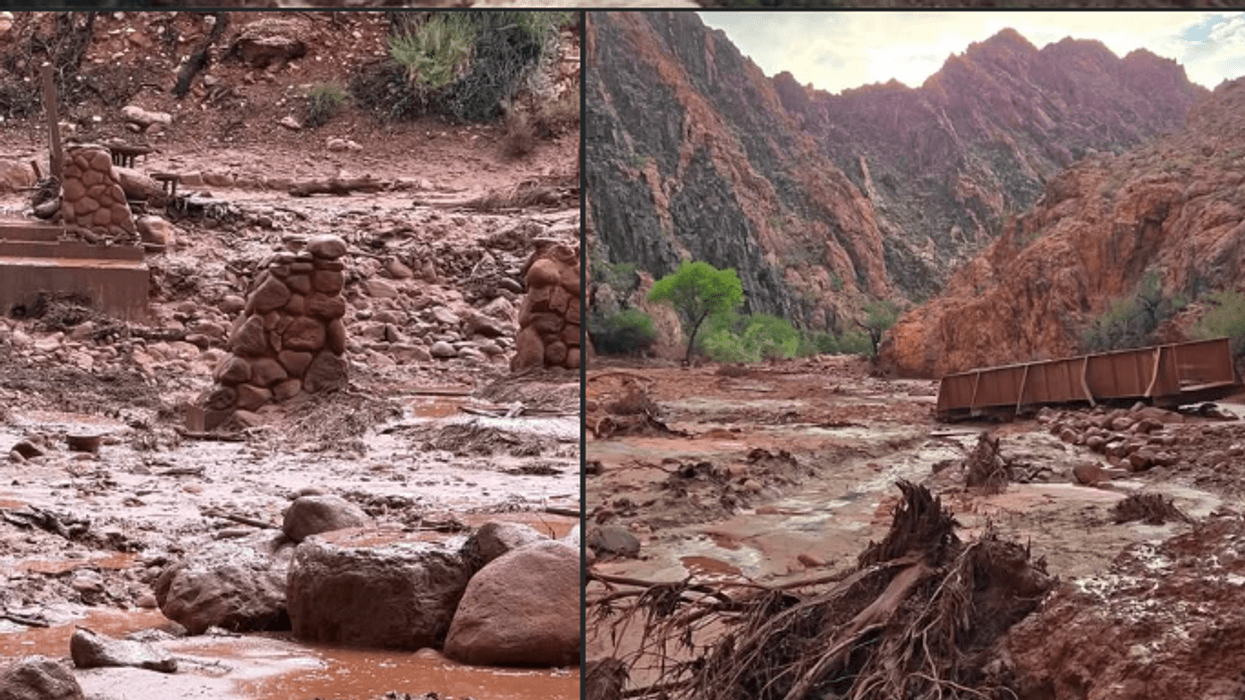


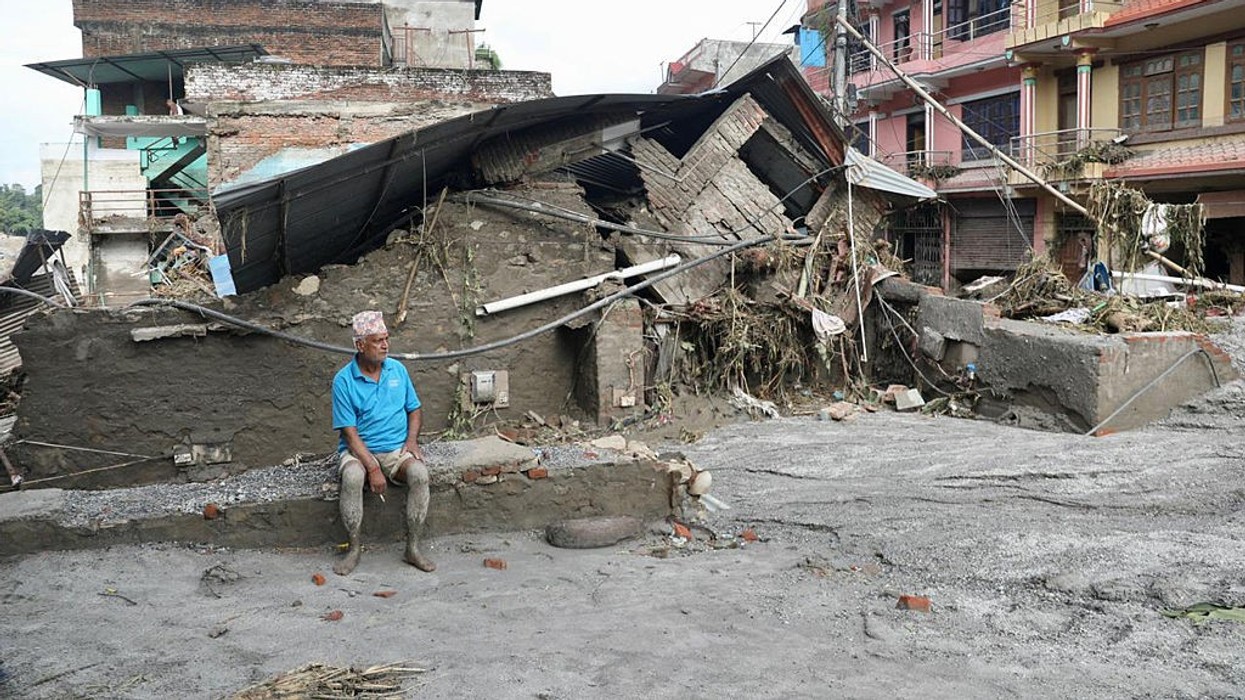
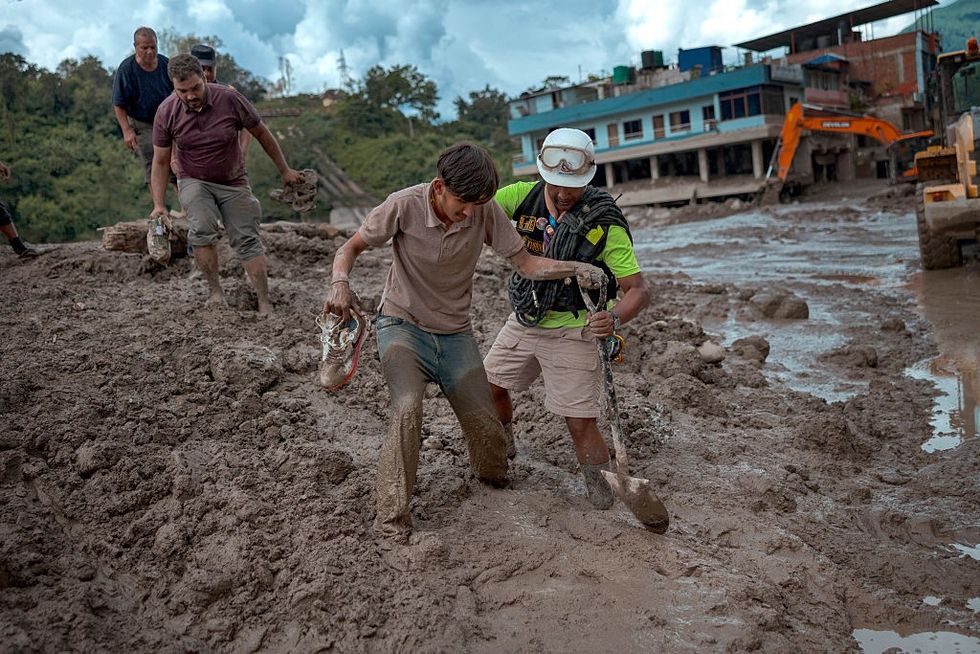 A rescuer assists a resident through heavy mud following flash floods on August 27, 2026 in Trishuli, Nepal. A sudden flood swept through the Bhote Koshi River basin in northern Rasuwa on August 26, damaging settlements, roads and energy infrastructure as rescue teams searched for residents and foreign travellers reported out of contact. Hundreds were reported missing, as the death toll started to climb.Getty Images
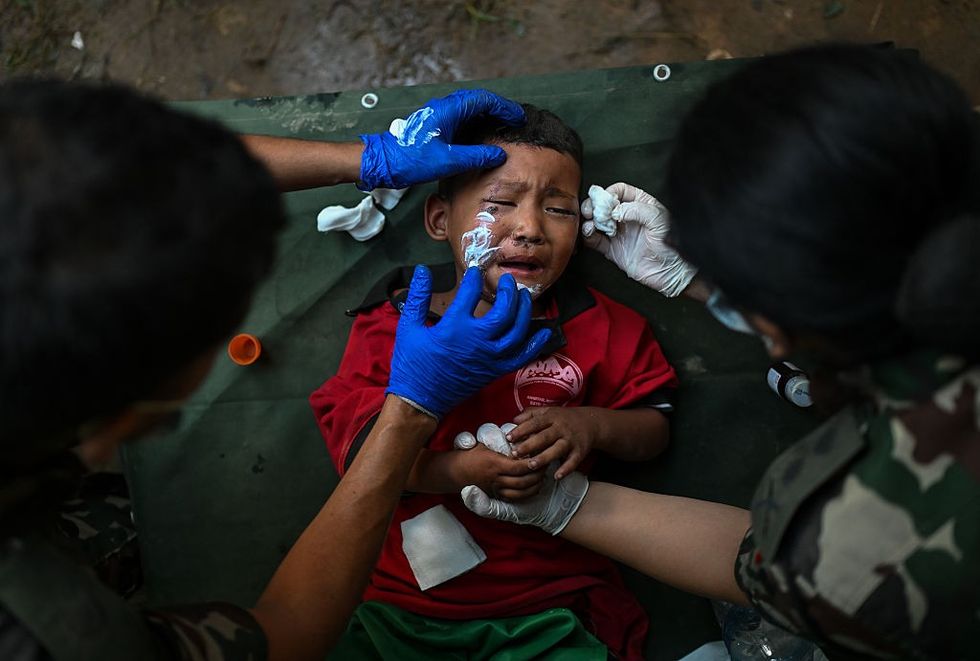 Rescue personnel provide medical treatment to a child at an army rescue camp in Trishuli Batar, Nepal, on August 27, 2026. A sudden flood swept through the Bhote Koshi River basin in northern Rasuwa on August 26, damaging settlements, roads and energy infrastructure, as rescue teams searched for residents and foreign travellers reported out of contact. Hundreds were reported missing as the death toll began to climb. Getty Ima
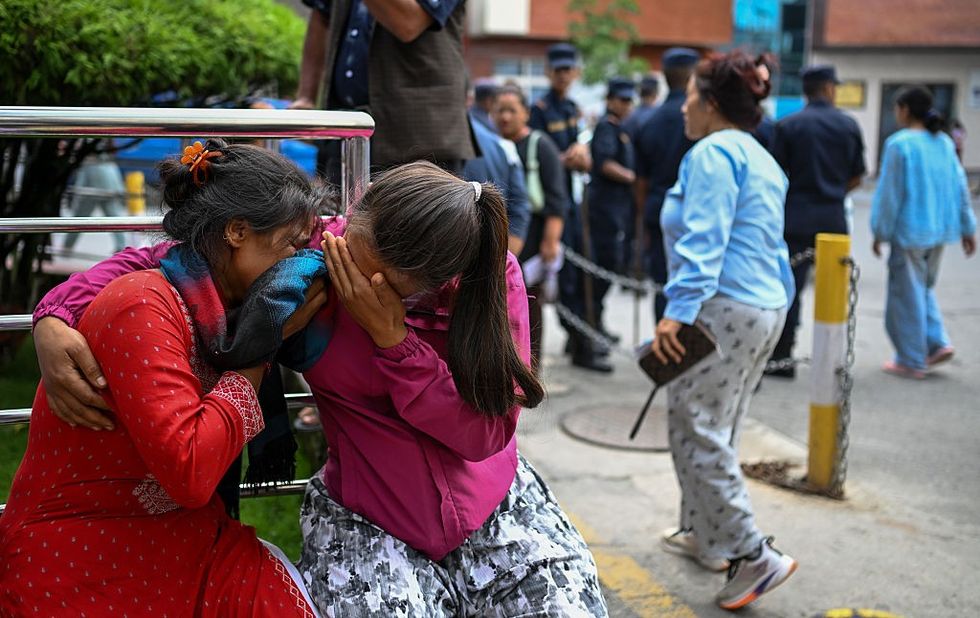 Family members of missing flood victims react at the emergency ward of the Maharajgunj Medical Campus, part of the Tribhuvan University Teaching Hospital, on August 28, 2026 in Kathmandu, Nepal. Authorities said the flash floods were triggered after a mass of ice, mud and rock collapsed into a Himalayan river near the Nepal-China border, leaving hundreds dead or missing and causing widespread damage in affected districts. Authorities continued the gruelling search for victims, many buried under metres of mud, as both China and Nepal issued fresh flooding alerts.Getty Images