
The Maha Kumbh Mela 2025 is underway in Prayagraj, Uttar Pradesh, from January 13 to February 26, attracting millions of devotees, saints, and tourists from around the world. Held every 144 years at Prayagraj's Triveni Sangam—the confluence of the Ganga, Yamuna, and the mythical Saraswati rivers—the event is considered the largest peaceful gathering on Earth.
This festival is deeply rooted in Hindu mythology and astrology, symbolizing the cosmic battle of good versus evil. The key rituals include Shahi Snan (royal baths), spiritual discourses, and cultural festivities. Bathing in the sacred rivers is believed to cleanse sins and pave the way to salvation (moksha).
Modern highlights this year include a drone light show recreating the mythical Samudra Manthan, a multilingual chatbot for streamlined communication, and infrastructure upgrades worth ₹5,500 crore. The Maha Kumbh showcases a blend of spirituality, tradition, and technological innovation, drawing people from all walks of life.\
For the first time ever ✨
witness the skies of Mahakumbh come alive with a mesmerizing drone show! 🌌
A breathtaking fusion of tradition and technology awaits at this divine confluence.
Don’t miss this historic spectacle!#MahaKumbh #mahakumbh2025 pic.twitter.com/PyhZjZ5DxS
— MahaKumbh 2025 (@MahaaKumbh) January 25, 2025
What is the significance of Amrit Manthan?
The Maha Kumbh Mela has a profound connection to the Hindu mythological event of Samudra Manthan, the churning of the ocean of milk. Legend states that during Samudra Manthan, a fierce battle ensued between the Devas (gods) and Asuras (demons) for Amrit, the nectar of immortality.
As Lord Vishnu, disguised as Mohini, carried the pot of Amrit, drops of it fell at four sacred locations: Prayagraj, Haridwar, Ujjain, and Nashik. These sites are believed to have been imbued with divine essence, becoming the locations for the Kumbh Mela.
Here are the top five attractions of this grand Hindu celebration which occurs every 144 years:
A Sea of Humanity: The Largest Peaceful Gathering on Earth: Imagine a city that pops up overnight, bigger than any metropolis, filled with millions seeking spiritual enlightenment. That's the Maha Kumbh Mela! This incredible gathering draws more people than any other peaceful event on the planet.
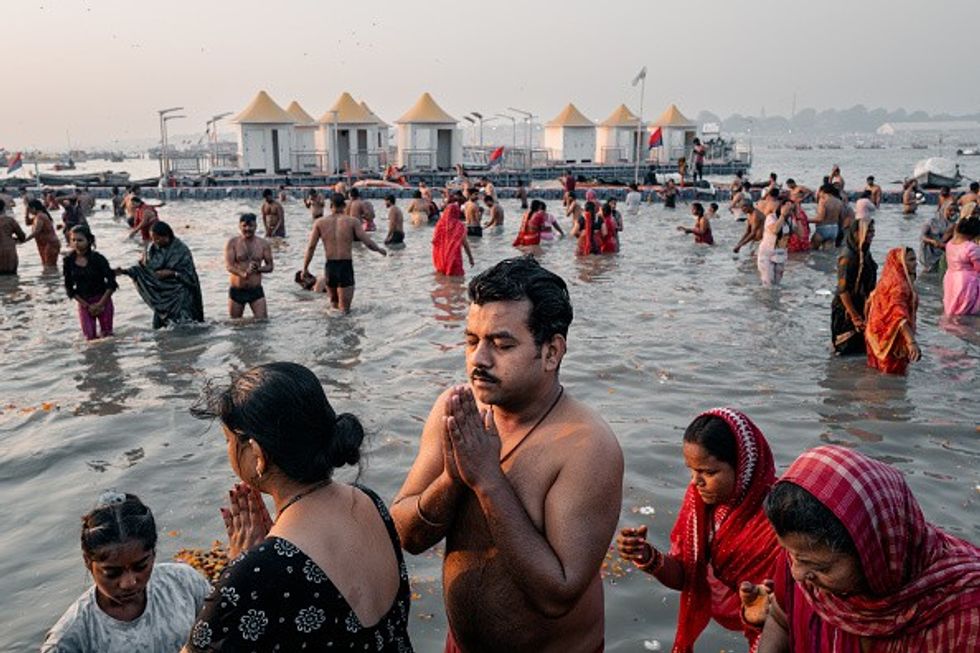 Hindu devotees take a bath in the holy river Sangam during Maha Kumbh Mela on January 28, 2024 in Allahabad, India. Kumbh Mela in 2025 is a Maha Kumbh, which is a significant Hindu festival celebrated once every 144 years at Prayagraj (Allahabad). (Photo by Elke Scholiers/Getty Images)
Bathing in the "River of Heaven": Washing Away Sins in the Mythical Saraswati: Hindus believe that bathing in the sacred Sangam, the confluence of the Ganga, Yamuna, and the mythical Saraswati rivers, during the Maha Kumbh washes away sins and brings spiritual liberation.
A Celestial Countdown, Aligned with the Stars: The Maha Kumbh isn't just a religious event; it's a cosmic one! The dates are meticulously calculated based on the positions of the Sun, Moon, and Jupiter, creating a unique astrological window for spiritual transformation.
Temporary Metropolis, A City Built from Scratch:
To accommodate the millions of pilgrims, a temporary city emerges from the ground, complete with hospitals, sanitation facilities, and even its own communication network. It's a logistical marvel that disappears as quickly as it appears.
The Mystical Naga Babas: Unveiling the Guardians of Spirituality at Maha Kumbh:
One of the most intriguing aspects of the Maha Kumbh Mela is the Naga Babas, the mysterious and ascetic saints who steal the spotlight during the festival. These holy men belong to the warrior sects of Hinduism and are known for their unique practices, including living without clothing to symbolize their renunciation of worldly attachments.
What makes them even more fascinating is their Shahi Snan (Royal Bath) ritual. The Naga Babas are the first to take a holy dip in the sacred waters, and their grand procession, adorned with tridents, ash-covered bodies, and chants of devotion, is an awe-inspiring spectacle.
Interestingly, becoming a Naga Baba involves an intense initiation process that can take up to 12 years, where they undergo rigorous training in meditation, celibacy, and self-discipline. Despite their austere lifestyle, they are regarded as protectors of dharma, blending spirituality with ancient warrior traditions.











 Seattle Seahawks players celebrate after winning Super Bowl LX in FebruaryGetty Images
 Seattle Seahawks players during a gamexx
 Celebrations after the team’s Super Bowl LX triumphxx
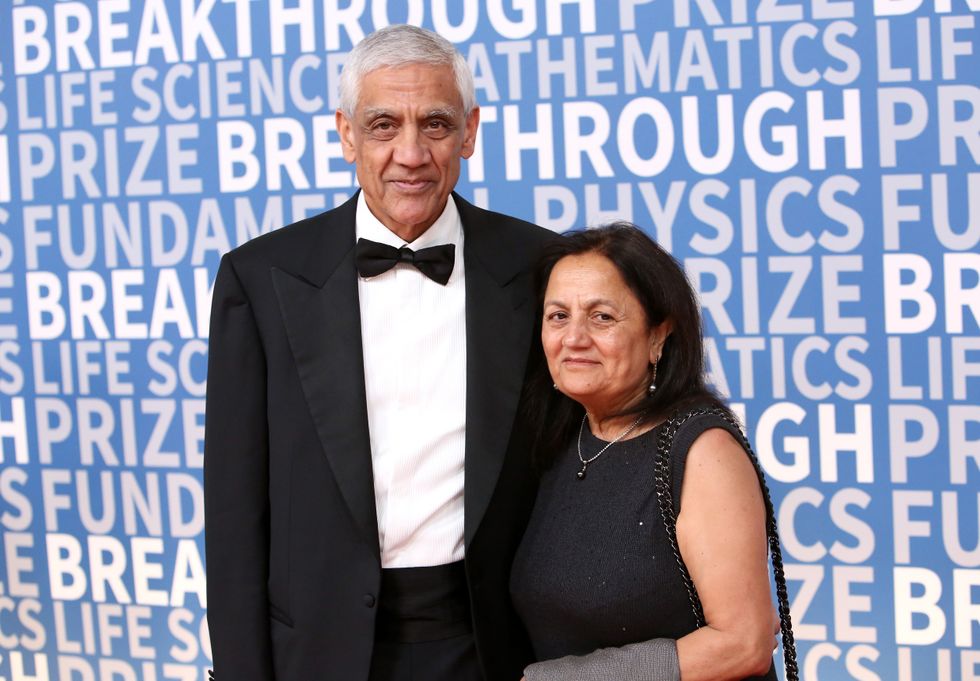 Vinod Khosla with his wife NeeruGetty Images
 Jay Gotraxx
 Sunil Tolanixx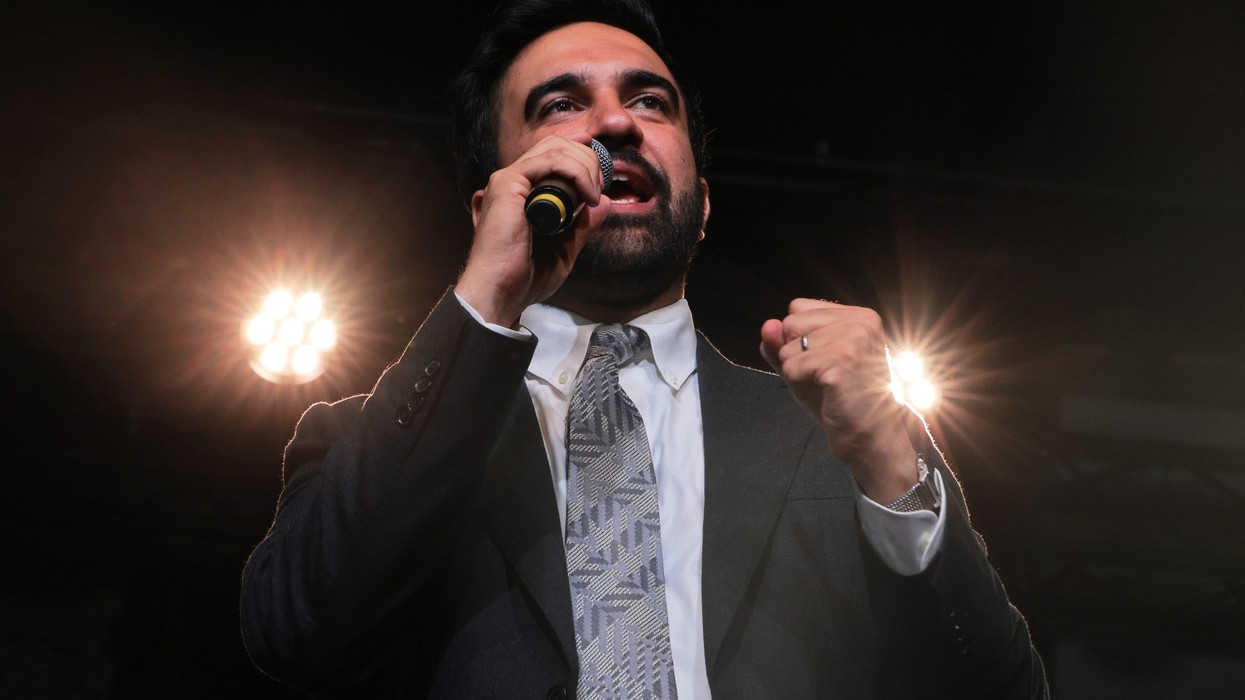
 Zohran Mamdani and Brad LanderGetty Images
 According to veteran New York Democratic strategist Sheinkopf, the victories reflected Mamdani’s political appeal more than any record in government..Hank Sheinkopf
 Claire Valdez secured the Democratic nomination for an open House seat in the 7th DistrictGetty Images