Doctors at India’s largest hospital treating coronavirus patients said on Friday they are prepared if infections increase again in the capital, while rising cases in other parts of the country pushed the number of infections past one million on Friday.
The 2,000-bed Lok Nayak Jai Prakash Narayan Hospital has been at the forefront of the fight against the pandemic in New Delhi, having treated over 6,000 COVID-19 patients. Now patient numbers have fallen in the city.
“Even if we have larger number and a second wave comes (in New Delhi), then we have very excellent facility … and we are prepared for that,” the hospital’s medical director, Suresh Kumar, told Reuters during a visit to the government-run hospital.
The COVID-19 ward, bustling with patients at the start of pandemic, was largely quiet with only a few beds occupied when Reuters visited on Friday.
But patients were trickling in. Staff wheeled in a 29-year-old man on a stretcher with a hand on his chest, his mother walking in next to him. The ICU had relatively more patients.
When the pandemic started to sweep New Delhi a few months ago, the hospital scrambled to find enough beds or equipment.
Infections numbers are now rising in the smaller towns and villages rather than in cities like New Delhi and Mumbai that were the initial hotspots, so doctors at the hospital say they have had a chance to catch a breath.
Kumar said that in the course of the fight against the disease, two hospital staff had died.












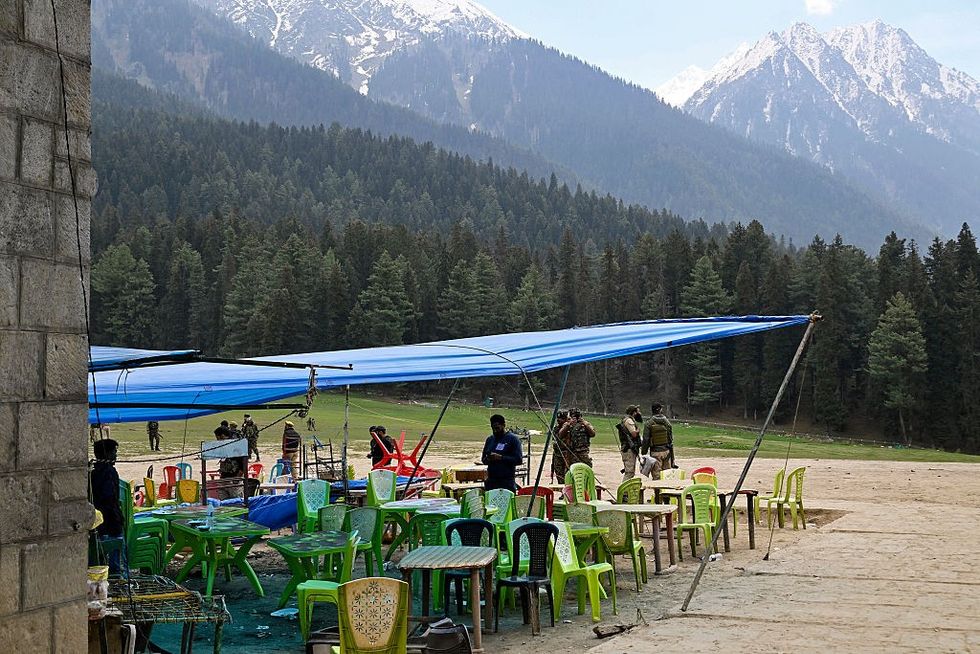 Security personnel inspect the site in the aftermath of an attack as food stall chairs lie empty in Pahalgam, about 90 kilometres (55 miles) from Srinagar on April 23, 2025. Indian security forces in Kashmir carried out a major manhunt on April 23, a day after gunmen opened fire on tourists killing 26 people in the region's deadliest attack on civilians since 2000. Getty Images
 Tourists visit Betaab Valley in Pahalgam, about 112 km south of Srinagar on June 26, 2025.Getty Images
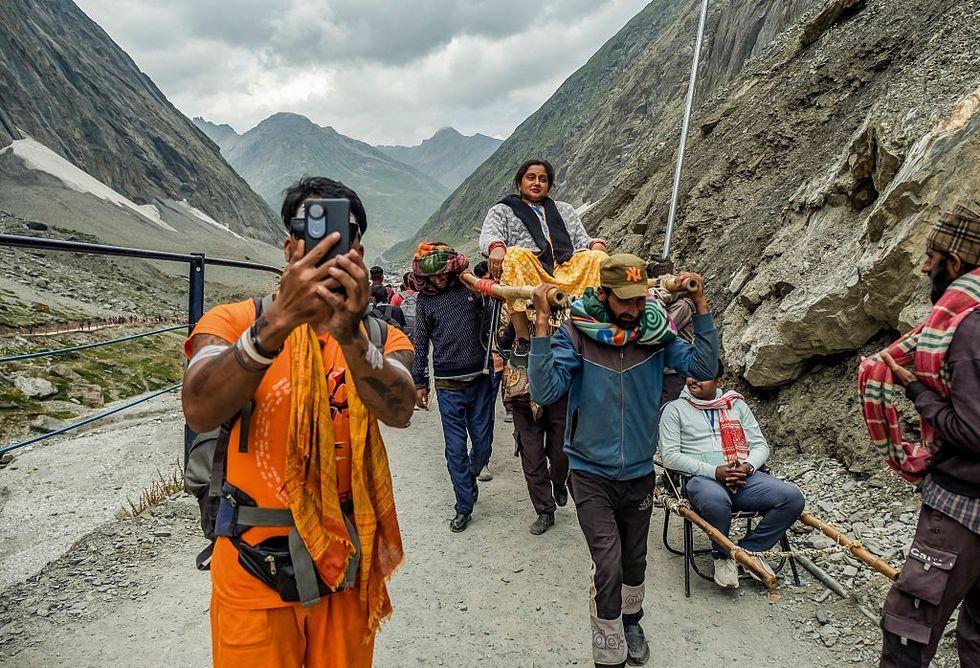 Pilgrims gather at the Baltal Base Camp near Domel, en route to the sacred Amarnath cave in Srinagar, Jammu and Kashmir, India, on July 29, 2025. The annual Amarnath Yatra, which began on July 3, proceeds under heightened security following a deadly terror attack in Pahalgam that claimed the lives of 25 tourists and a local pony handler. Security forces have been deployed in large numbers across the pilgrimage route, with checkpoints, surveillance, and restrictions in place to safeguard the thousands of devotees undertaking the arduous journey. The Amarnath Yatra is one of the most important Hindu pilgrimages, drawing worshippers from across India to the high-altitude Himalayan shrine dedicated to Lord Shiva. Despite the threat of violence and challenging terrain, pilgrims continue their spiritual trek, determined to complete the sacred journey under the shadow of grief and resilience.Getty Images