
Highlights:
- Thousands of flights delayed or canceled across major U.S. airports.
- Long lines and missed connections are frustrating travelers.
- Busy hubs like Atlanta, Chicago, and New York are heavily affected.
- Weather, demand, and tight schedules are causing disruptions.
- Airlines urge passengers to check updates and arrive early.
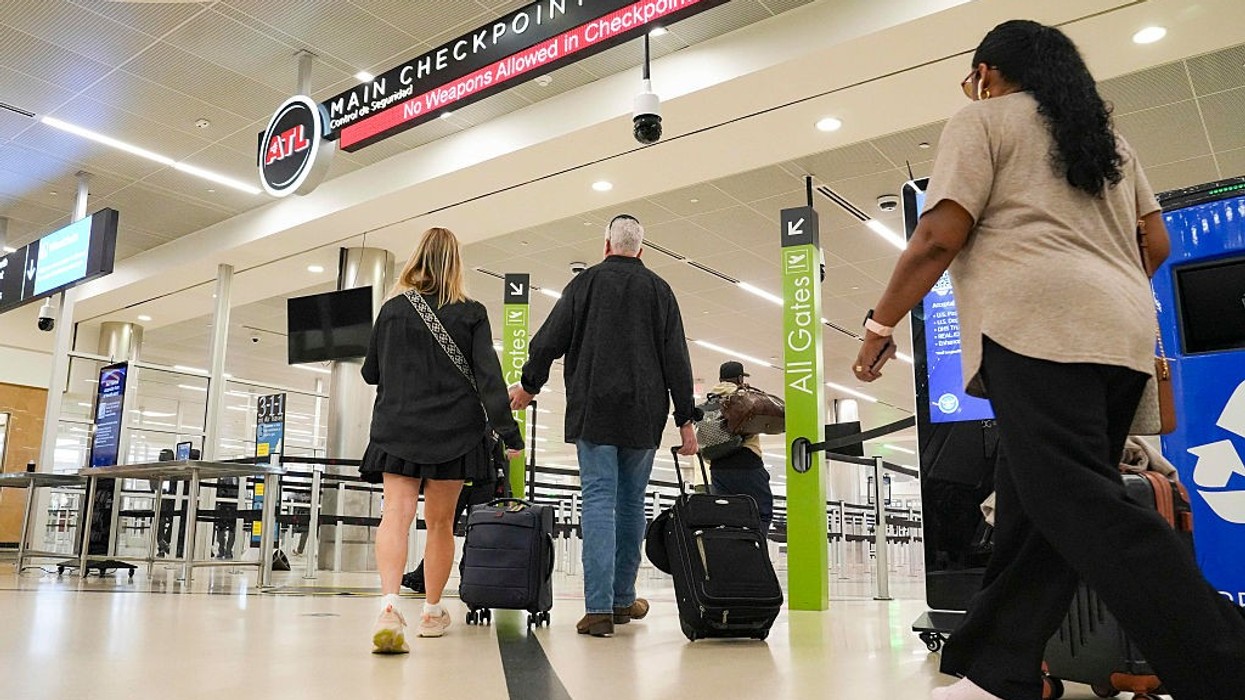
Thousands of travelers across the United States faced another day of flight delays and cancellations as major airports in cities like Atlanta, New York, Chicago, and Dallas struggled with ongoing disruptions. The situation has caused long lines at terminals and many missed connecting flights.
Passengers have experienced growing frustration as delays continue. Reports also show an increase in incidents of unruly behavior and air rage among upset travelers dealing with extended wait times and sudden schedule changes.
Since the Easter weekend, between 15,000 and 30,000 flights have been delayed or canceled nationwide. The disruptions have mainly affected some of the busiest airports in the country. These include Hartsfield-Jackson Atlanta International Airport, Dallas-Fort Worth International Airport, Chicago O’Hare International Airport, and New York’s JFK and LaGuardia airports.
Other major airports, such as Miami International Airport and Los Angeles International Airport, have also been impacted. Atlanta, which is often ranked as one of the busiest airports in the world, has seen delays spread quickly as incoming flights arrive late. This leads to crowded gates and longer waiting times for passengers.
Chicago O’Hare has also faced challenges. The Federal Aviation Administration has introduced limits on summer flights to reduce congestion and improve on-time performance after poor results last year. Despite these measures, delays continue to affect operations.
In New York, travelers at JFK and LaGuardia have dealt with long waits and frequent schedule changes. Delays in one major airport often spread to others because planes and flight crews are scheduled to operate multiple routes in a single day.
Dallas Fort Worth has also experienced disruptions caused by weather and operational problems. Airlines have had to adjust aircraft and crew schedules, which adds to the delays. Similar conditions have been reported in Los Angeles, Miami, and Houston, where passengers closely watch departure boards for updates.
Experts say that high travel demand, changing spring weather, and tightly packed flight schedules are making the system more vulnerable. Earlier in April, heavy Easter travel combined with storms led to over 15,000 delays and more than 2,000 cancellations in just a few days.
Major airlines affected include Delta, American, Southwest, United, and SkyWest. While airlines are trying to rebook passengers, many flights are already full, making it difficult to find alternative seats.
Travelers are advised to check airline apps regularly, rebook quickly, and arrive early at the airport. Frequent updates on gates and baggage rules are also recommended, as changes can happen at any time.