
In a remarkable display of interfaith unity, the Sufidar Temple in Chennai, Tamil Nadu, has been hosting Iftar meals for fasting Muslims during Ramadan for the past 40 years.
At a time when communities across India are organizing Iftar gatherings to emphasize religious unity, this unique Hindu temple stands out for its unwavering commitment to seva (selfless service) and communal harmony.
Every day during Ramzan, dedicated volunteers from both Hindu and Muslim backgrounds work together to prepare an elaborate vegetarian meal for 1,200 people. The food is then transported to the Wallajah Masjid, where it is served to fasting Muslims with respect and devotion.
The Sufidar Temple, located in Mylapore, Chennai, has a fascinating history. It was established by Dada Ratanchand, a Hindu from Sindh, to propagate the teachings of Shehanshah Baba Nebhraj, a revered Sufi saint. Over the years, the temple has gained recognition as a symbol of religious harmony, attracting people from all faiths.
The walls of the temple are adorned with paintings of spiritual leaders from different religions, including Sufi saints, Hindu sages, Jesus Christ, Mother Mary, Guru Nanak, Sikh Gurus, leaders of the Radhaswami and Chidakashi sects, and Sai Baba.
This diverse representation reflects the syncretic traditions of India, where religious boundaries are often blurred in the spirit of unity.
The Sufidar Temple’s tradition of hosting Iftar dates back 40 years, a practice initiated by Dada Ratanchand. Originally from Sindh (now in Pakistan), Ratanchand migrated to India during the Partition of 1947 and settled in Chennai as a refugee.
He started his career working in a shop on Godown Road, but his deep-rooted spirituality eventually led him to build a temple dedicated to Sufi saints from Sindh.
The tradition of serving Iftar meals began when members of the Arcot royal family visited the temple and were impressed by its cleanliness and arrangements. As a result, the Muslim rulers of Arcot entrusted the temple with the responsibility of preparing Iftar meals for fasting Muslims. Since then, this noble initiative has continued uninterrupted.
The volunteers of the Sufidar Temple, led by Ramdev, begin their work early in the morning. Cooking starts at 7:30 AM to ensure that food is delivered to Wallajah Masjid by 5:30 PM. The pure vegetarian meals include:
- Fried rice and biryani
- Vegetable pickles
- Saffron-infused milk
- Fresh fruits
Once prepared, the food is transported in a cargo van to the mosque, where 60-70 volunteers serve it to fasting Muslims. The volunteers cover their heads with traditional caps, a gesture that reflects their respect for Islamic customs and fosters greater cultural understanding.
Ramdev, who has dedicated his life to this service, shared in an interview with the Times of India, "I couldn't dedicate much time to this cause due to my automobile shop, so I decided to leave the business and commit myself full-time to this service. Volunteers from Maharashtra and Rajasthan also come here to help."
The Wallajah Masjid, built in 1795 by the Nawabs of Arcot, plays an essential role in this unique interfaith tradition. Interestingly, many of the mosque’s employees are Hindus, further demonstrating Chennai’s legacy of religious coexistence.
Dada Ratanchand continued this noble work until the age of 80. After his passing, his followers, led by Ramdev, have ensured that the tradition continues without interruption.
Prince Nawab Abdul Ali of Arcot, a key figure in Chennai’s Muslim community, has praised the temple’s dedication to communal harmony. Speaking about the initiative, he said, "Even after more than three decades, the service providers of Sufidar Temple continue to organize Iftar every day during Ramadan, which is truly commendable. They carry out their service with utmost sincerity and loyalty to Islam."
He further emphasized the importance of religious inclusivity, stating, "In a secular country like India, everyone should respect each other's religions. We are all children of the same God, so we should treat each other as brothers and sisters. We must show the world that we are one."
What started as one man’s effort has now evolved into a larger movement, attracting volunteers from different Indian states, including Maharashtra and Rajasthan.
Jamila, a 50-year-old woman who regularly breaks her fast at Wallajah Masjid, shared her experience,
"I work near the mosque. Since my house is far from here, I have Iftar here after work before going home."
The initiative not only provides essential food aid but also serves as a powerful testament to religious harmony in India.
In a world where sectarian differences often make headlines, the Sufidar Temple’s commitment to serving Iftar meals for 40 years stands as an inspiring example of interfaith solidarity.
By feeding fasting Muslims every Ramadan, the temple embodies the true essence of India’s secularism—a nation where people of different faiths serve and support one another.
As Ramadan concludes, the Sufidar Temple continues its legacy of kindness, reminding us all that service and unity transcend religious boundaries.









 A screenshot of Prada manufactured Kolhapuri Chappal on their website.
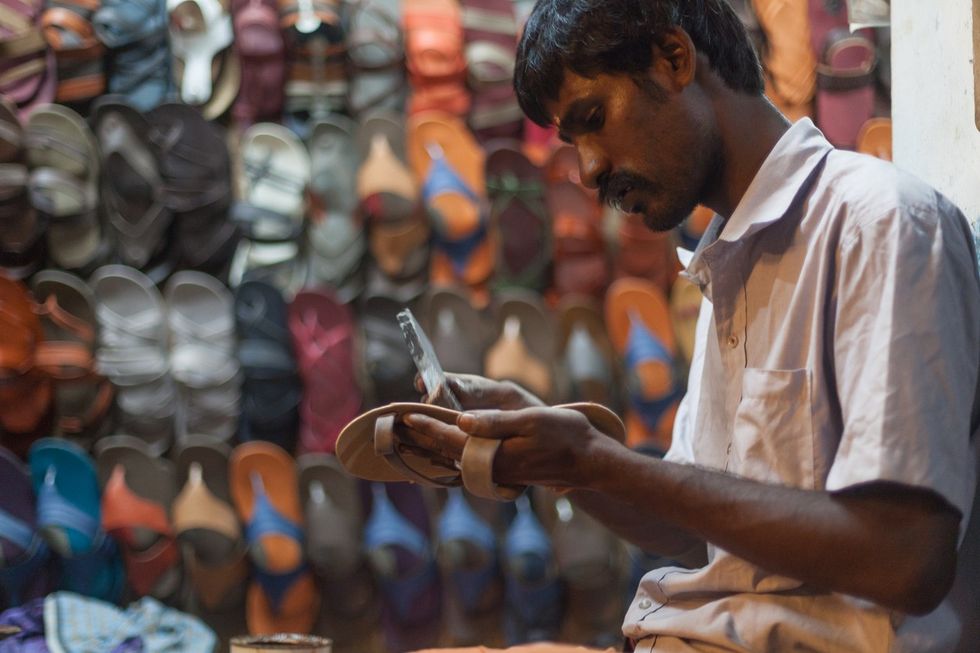 A shoemaker in his workshop in Kerala village. Services and hand-making is very cheap in India.iStock
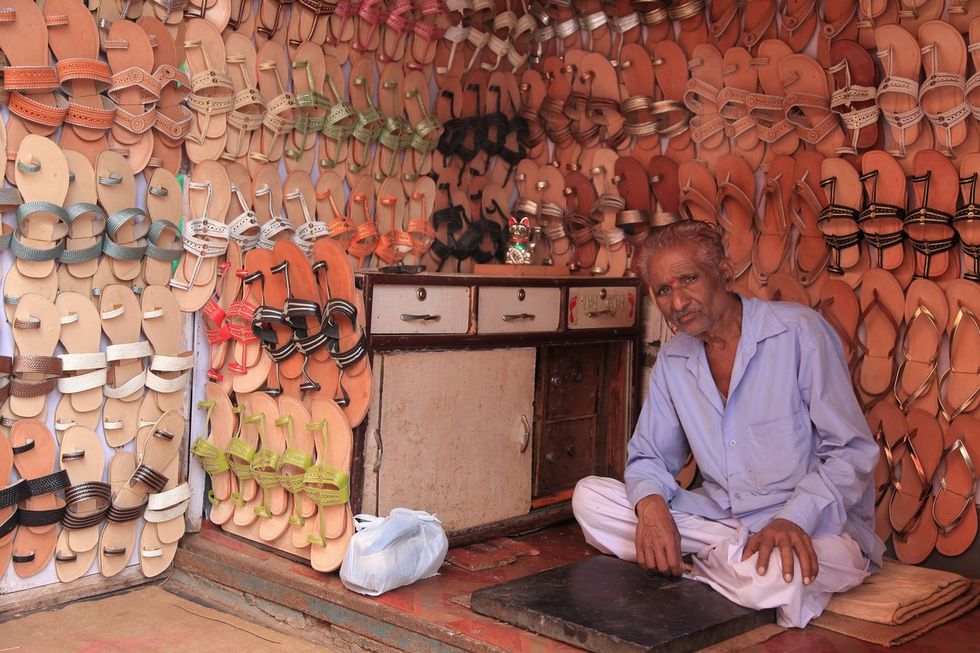 Footwear vendors in the streets of Mahabaleshwar in IndiaiStock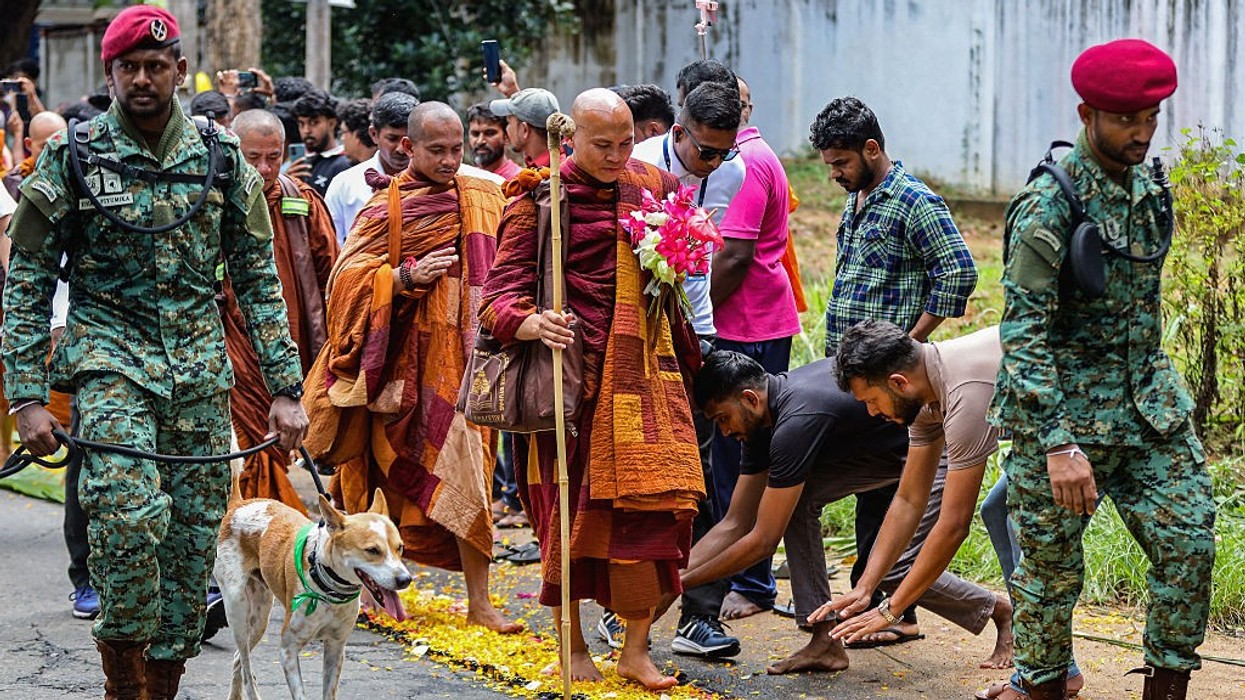
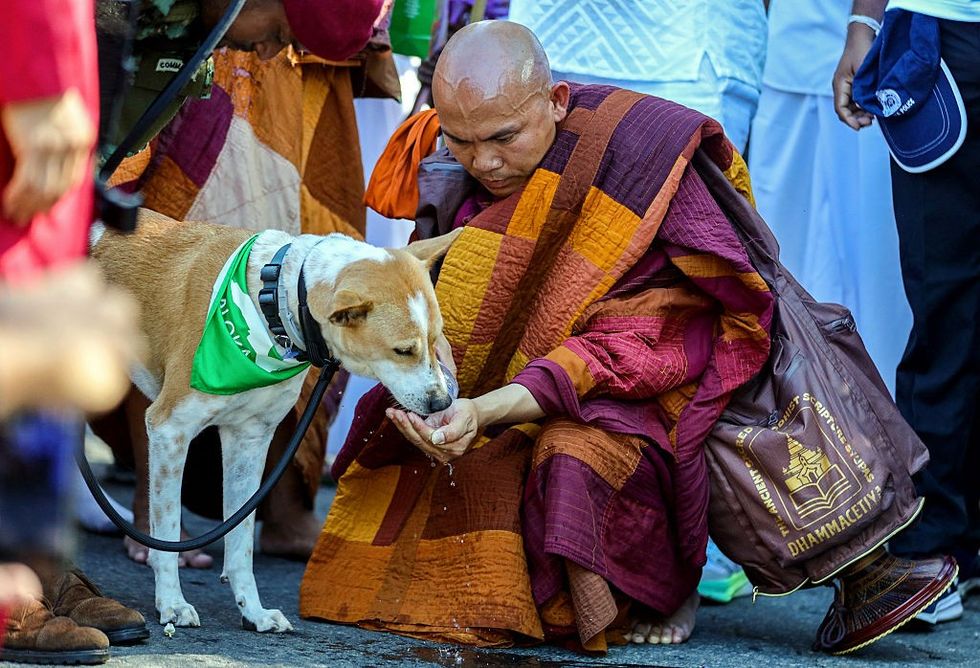 Vietnamese Buddhist monk Bhikkhu Pannakara offers water to his pet dog Aloka, a stray rescued from India, at the start of the 'Walk For Peace' pilgrimage in Dambulla, in northcentral Sri Lanka on April 22, 2026. A high-profile stray dog trotted at the head of a barefoot "peace walk" on April 22 by a group of 13 saffron-robed Buddhist monks led by Pannakara across Sri Lanka, braving searing tropical heat. The peace walk has amassed a large online following, with their Facebook page drawing more than three million followers. Getty Images
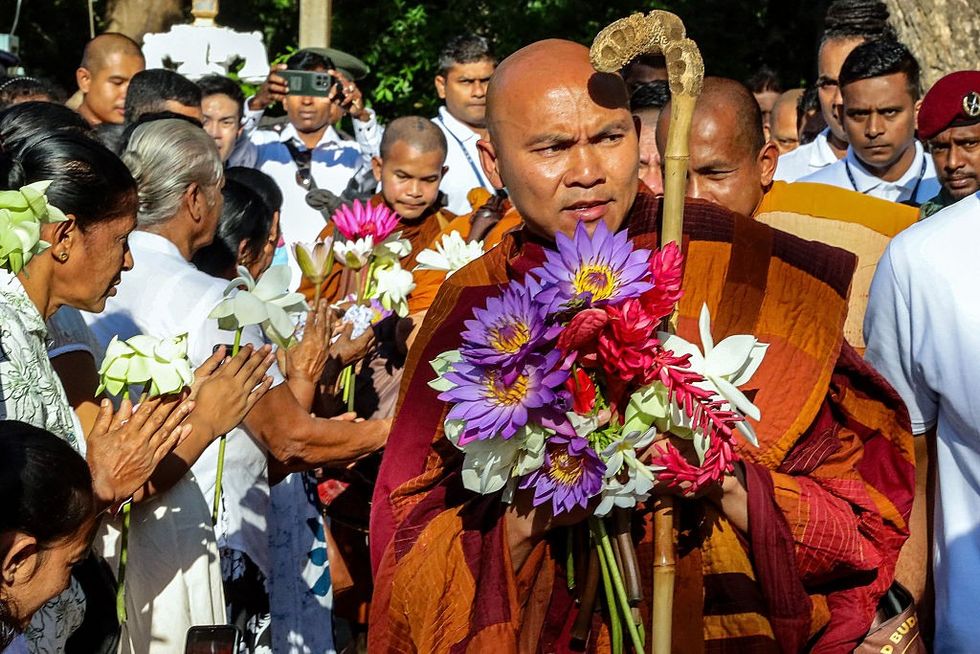 Vietnamese Buddhist monk Bhikkhu Pannakara (R) looks on during the start of the 'Walk For Peace' pilgrimage in Dambulla, in northcentral Sri Lanka on April 22, 2026. A high-profile stray dog trotted at the head of a barefoot "peace walk" on April 22 by a group of 13 saffron-robed Buddhist monks led by Pannakara across Sri Lanka, braving searing tropical heat. The peace walk has amassed a large online following, with their Facebook page drawing more than three million followers. Getty Images
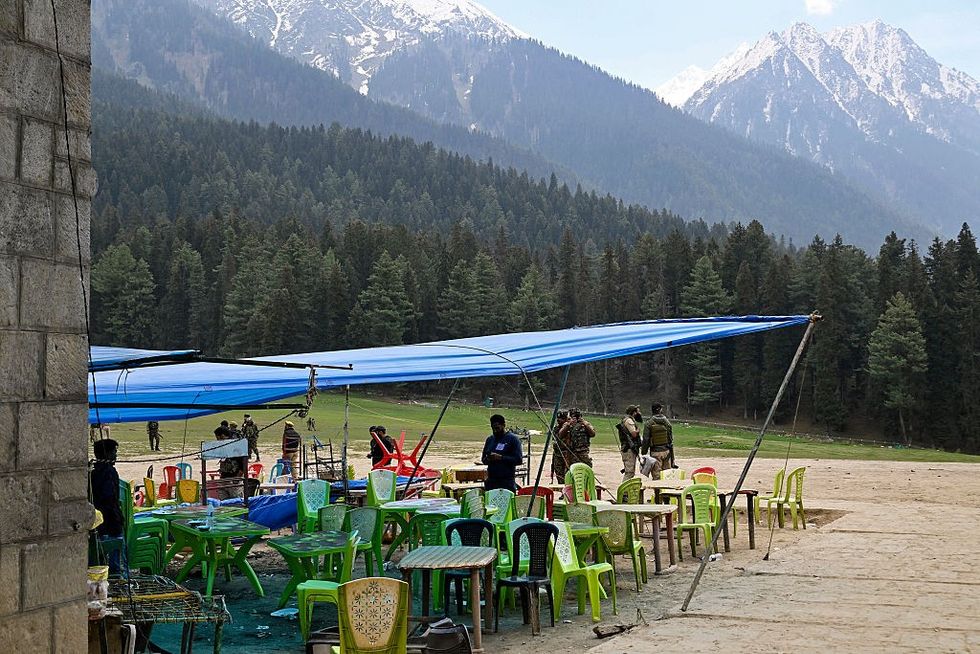 Security personnel inspect the site in the aftermath of an attack as food stall chairs lie empty in Pahalgam, about 90 kilometres (55 miles) from Srinagar on April 23, 2025. Indian security forces in Kashmir carried out a major manhunt on April 23, a day after gunmen opened fire on tourists killing 26 people in the region's deadliest attack on civilians since 2000. Getty Images
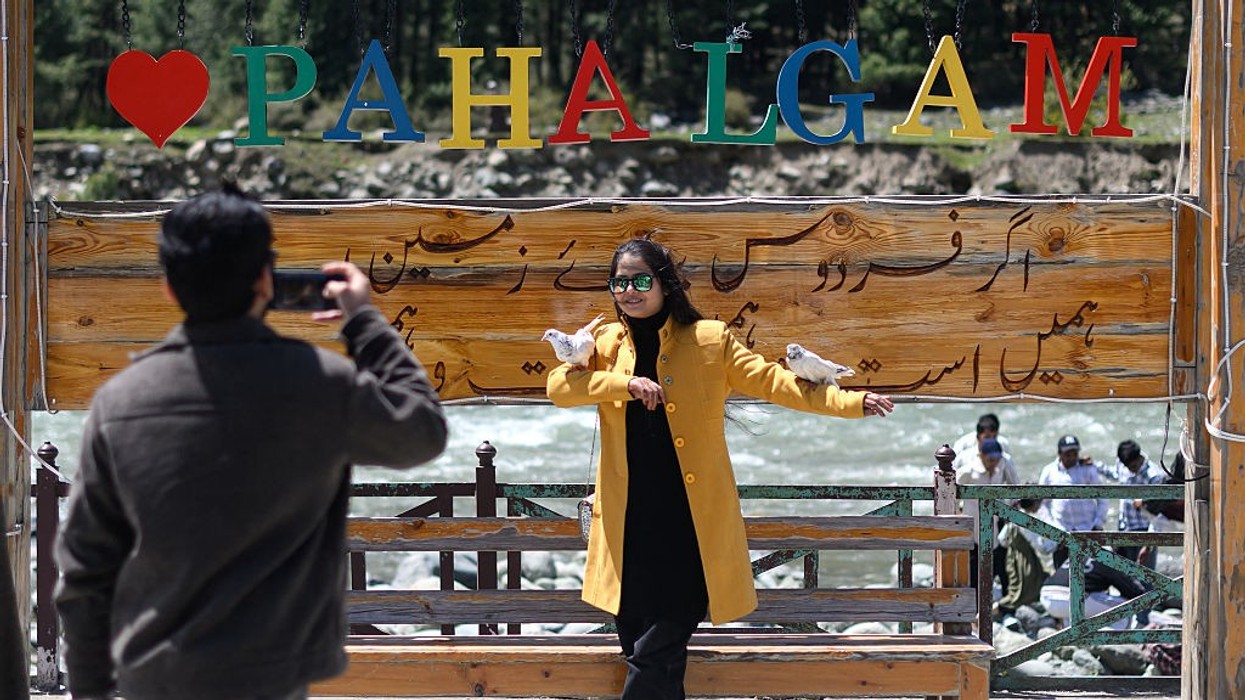
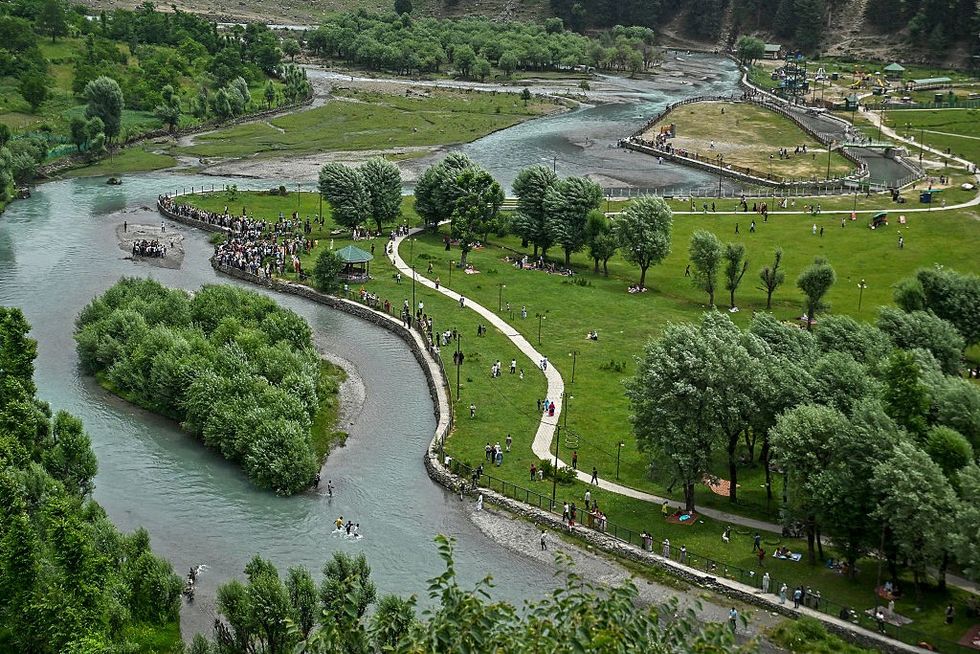 Tourists visit Betaab Valley in Pahalgam, about 112 km south of Srinagar on June 26, 2025.Getty Images
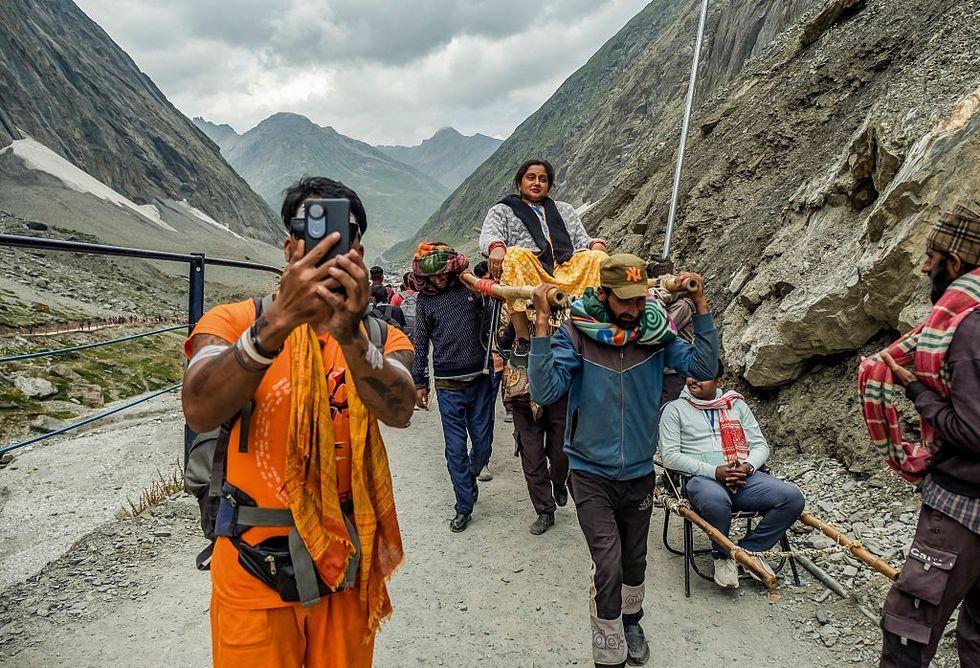 Pilgrims gather at the Baltal Base Camp near Domel, en route to the sacred Amarnath cave in Srinagar, Jammu and Kashmir, India, on July 29, 2025. The annual Amarnath Yatra, which began on July 3, proceeds under heightened security following a deadly terror attack in Pahalgam that claimed the lives of 25 tourists and a local pony handler. Security forces have been deployed in large numbers across the pilgrimage route, with checkpoints, surveillance, and restrictions in place to safeguard the thousands of devotees undertaking the arduous journey. The Amarnath Yatra is one of the most important Hindu pilgrimages, drawing worshippers from across India to the high-altitude Himalayan shrine dedicated to Lord Shiva. Despite the threat of violence and challenging terrain, pilgrims continue their spiritual trek, determined to complete the sacred journey under the shadow of grief and resilience.Getty Images