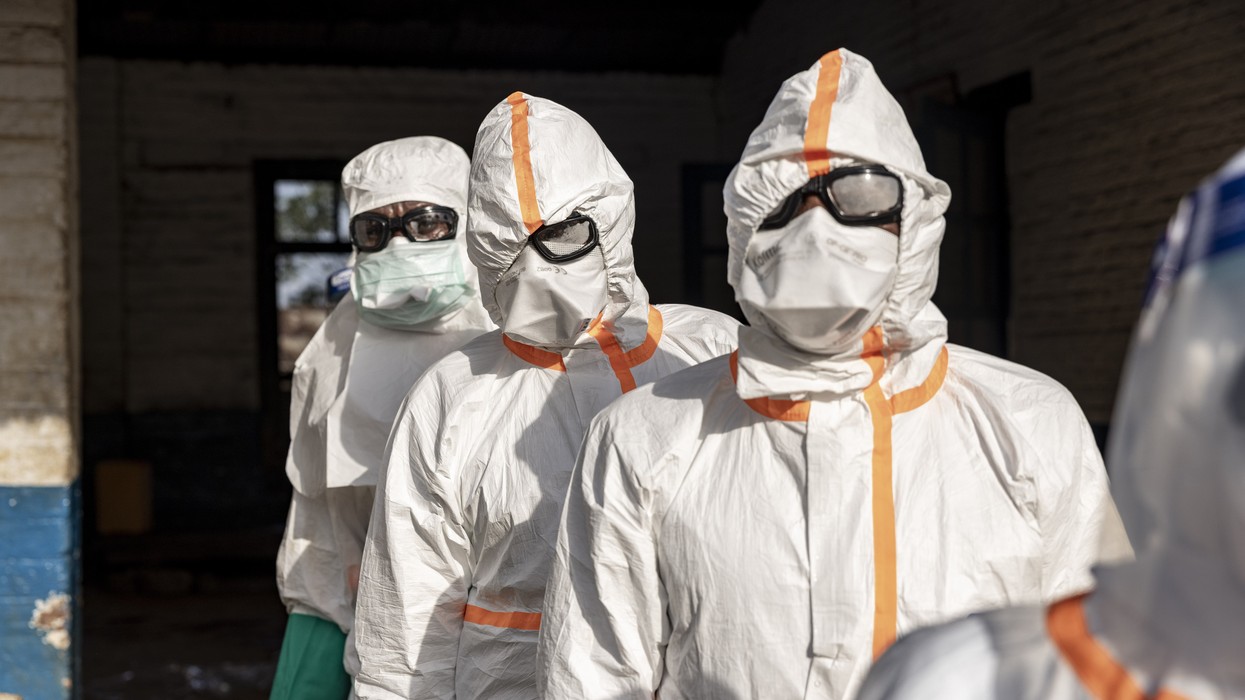

Highlights
- The outbreak of lethal strain of the Ebola Virus has claimed many lives in Africa
- While risk at a global level remains low, countries are taking precautionary measures
- US, Canada and Bahamas imposed a travel ban, while India increased screening measures
After an outbreak of a rare strain of the Ebola virus in the Democratic Republic of the Congo (DRC) and Uganda, countries across the world have ramped up precautionary measures as well as travel bans.
The lethal Bundibugyo (BVD) strain of Ebola is suspected to be the reason behind 220 deaths and 900 cases in DRC, and five cases and one death in Uganda, according to the World Health Organisation.
The lethal nature of the virus has caused countries worldwide to ramp up health and security measures at airports and impose travel bans on affected nations.
Canada and the Bahamas were the latest countries to impose a temporary ban on residents of the DRC, Uganda and South Sudan from entering.
This comes after the US banned all non-citizens with a travel history to the DRC, Uganda or South Sudan in the last 21 days from entering the country. It extended this ban to green card holders on Friday last week.
Whie US citizens have been told to return to the country via a select few airports with enhanced screening infrastructure. These include the Washington Dulles International Airport, Hartsfield-Jackson Atlanta International Airport and the George Bush Intercontinental Airport, Houston.
The US government is also looking to deploy US public health officers to Kenya to staff a potential quarantine facility, according to reports from The Wall Street Journal.
This is intended for Americans who have been exposed to or are at high risk of testing positive for the virus in the region, as well as for those who have already tested positive.
Among South Asian countries, India issued a travel advisory asking citizens to avoid travelling to the DRC, Uganda and South Sudan while also increasing screening measures at major international airports.









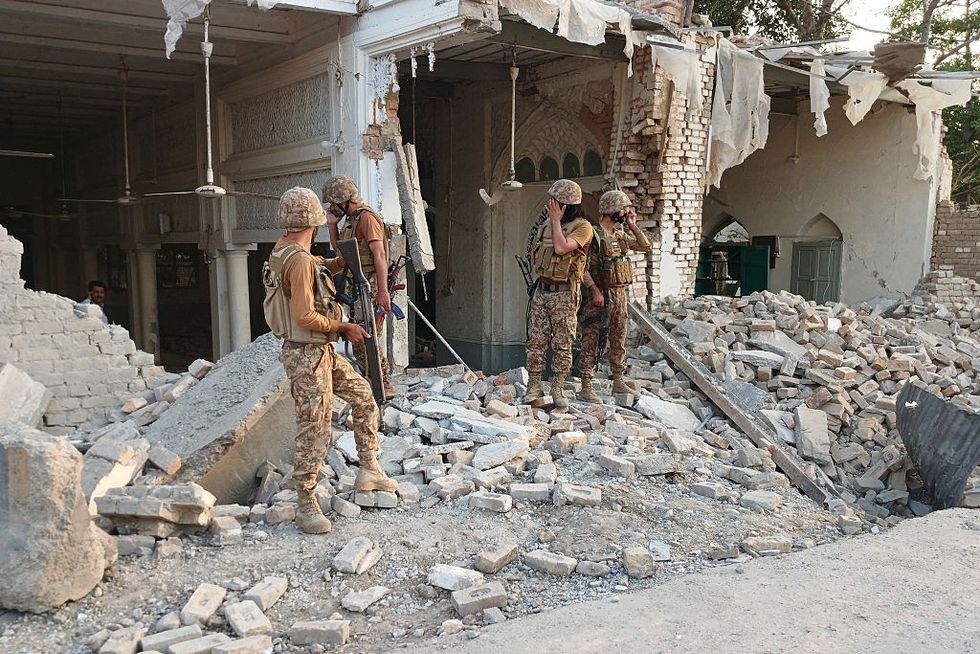 Army personnel stand amid the rubble following an explosion inside the police headquarters at Kohat in Pakistan's Khyber Pakhtunkhwa province on September 18, 2026. An explosion at a historic police headquarters in northern Pakistan on September 18 killed at least eight people and wounded 35 more, officials said, with the country's president swiftly blaming a militant group. Getty Images
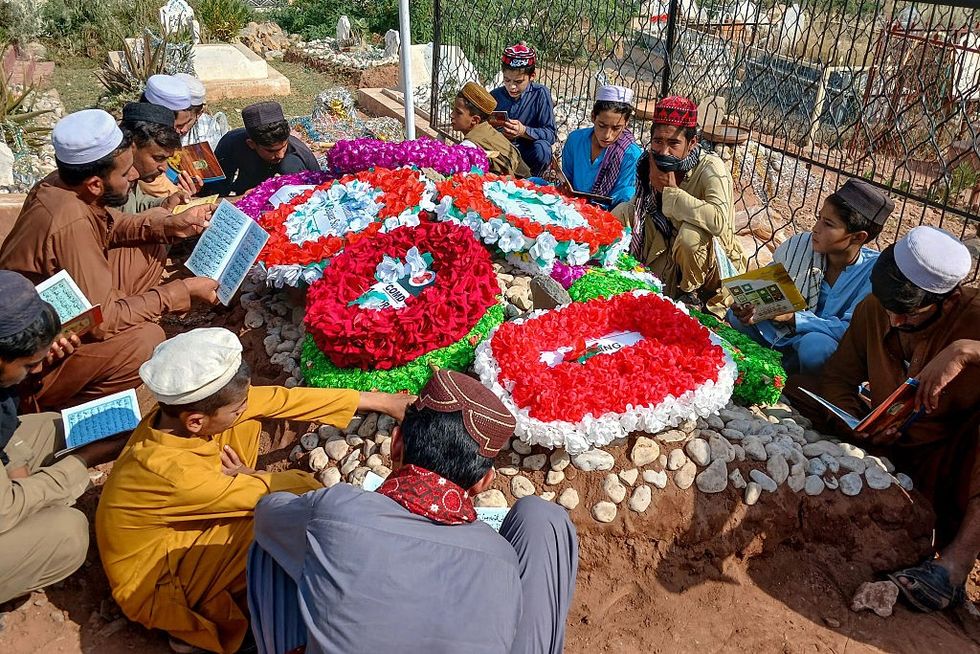 Mourners read the holy Quran while sitting around the grave of a paramilitary personnel of the Frontier Corps (FC) who was killed during the Afghanistan-Pakistan border clashes, in Kohat on October 17, 2025. A ceasefire along the frontier between Afghanistan and Pakistan was holding on October 16, officials on both sides said, after dozens of troops and civilians were killed in cross-border clashes.Getty Images