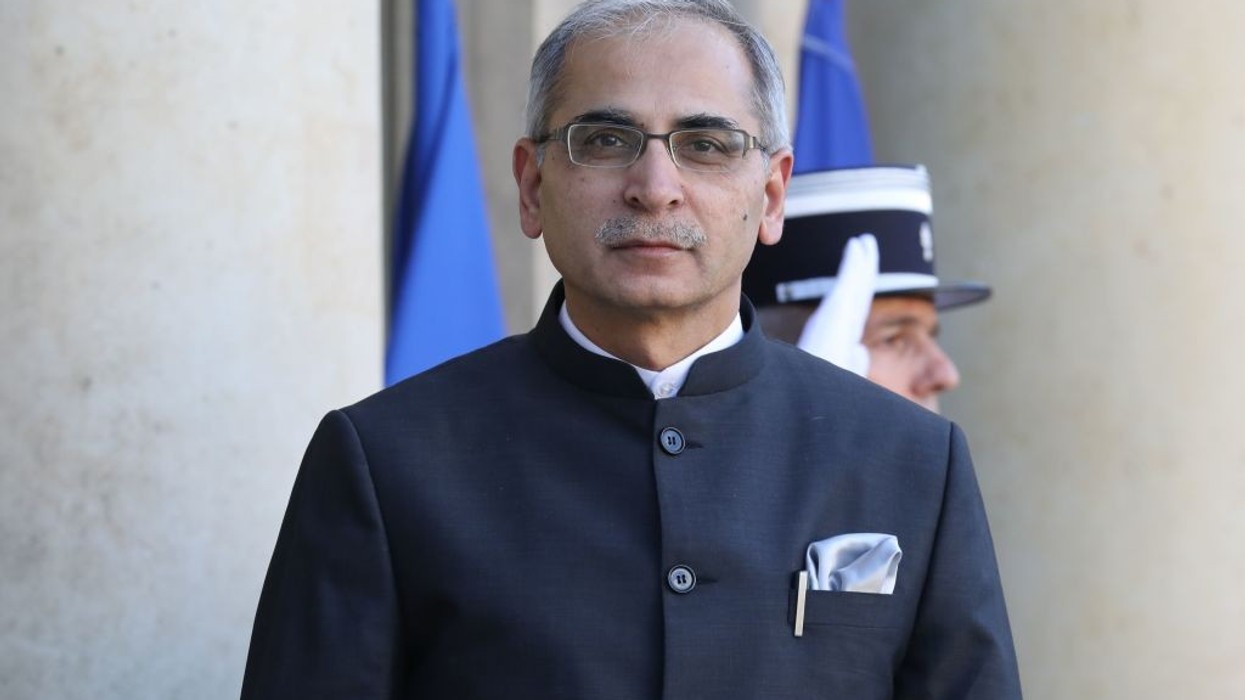

India’s ambassador to the United States, Vinay Mohan Kwatra, has hit back at a US government-backed religious freedom advisory body, telling it to examine its own prejudices rather than lecture other countries after it raised concerns over the detention of former Jawaharlal Nehru University scholar Sharjeel Imam.
Kwatra’s response highlights a continuing disagreement between New Delhi and the US Commission on International Religious Freedom (USCIRF) over the body’s assessment of religious freedom in India and its comments on individual cases.
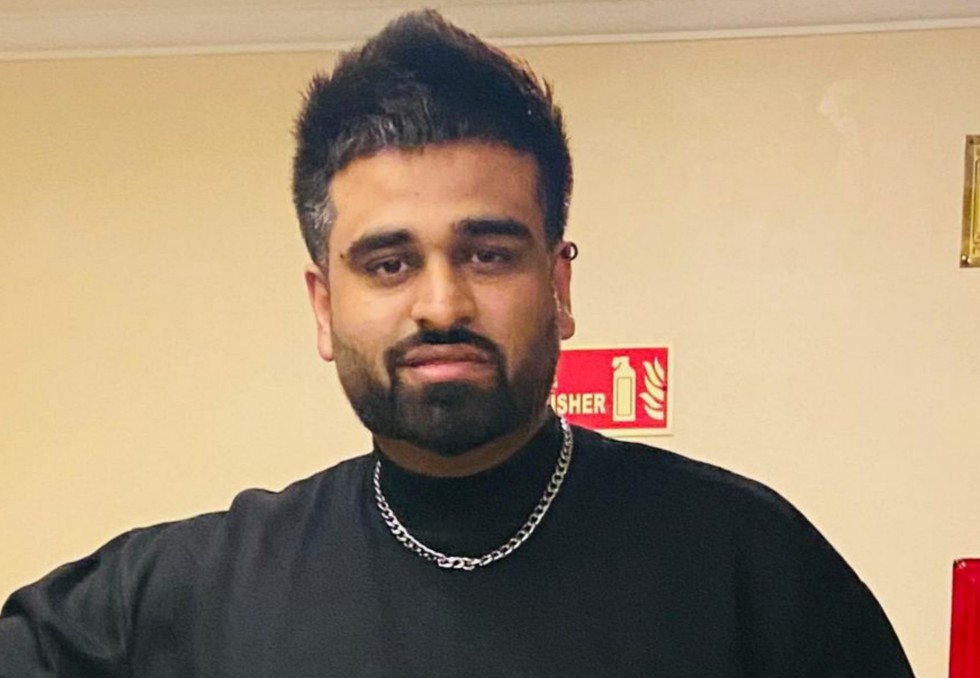
The diplomatic exchange followed a post by USCIRF on X, in which it shared Imam’s profile and described him as “a Muslim man detained in India for his religious freedom advocacy”.
Responding on Friday, Kwatra questioned the commission’s authority to comment on the constitutional rights of Indian citizens and accused it of relying on partisan assessments.
“USCIRF has no locus standi to sit in judgment over the constitutional rights of Indian citizens,” he said.
“Its habitual partisan, ill-informed, and jaundiced assessments cannot diminish India's constitutional commitment to religious freedom and equal rights for all faiths,” Kwatra added.
He also said India continued to flourish despite what he described as agenda-driven narratives promoted by the commission.
“Taking the same liberty that USCIRF so readily assumes, a word of advice: introspect on your own prejudices and stop lecturing others,” the Indian ambassador said.
Why Sharjeel Imam’s case has drawn attention
Imam, a former Jawaharlal Nehru University scholar, has been booked under the Unlawful Activities (Prevention) Act (UAPA) over allegations that he was among the masterminds of the February 2020 riots in Delhi.
The violence, which erupted amid protests against the Citizenship (Amendment) Act (CAA), 2019, and the proposed National Register of Citizens (NRC), left 53 people dead and more than 700 injured.
The USCIRF's post framed Imam's detention in the context of religious freedom advocacy, drawing a sharp response from India's diplomatic representative in Washington.
However, Kwatra's statement focused less on the individual case and more on the commission's standing, credibility and approach to evaluating India's record on religious freedom.
India has repeatedly described USCIRF as a biased organisation lacking credibility. The latest exchange reflects New Delhi's objection to what it sees as external scrutiny based on selective or politically motivated assessments.
What is USCIRF and why does India reject its assessments?
The US Commission on International Religious Freedom was established by the US government in 1998 following the passage of the International Religious Freedom Act.
It is a bipartisan advisory body that examines religious freedom conditions in different countries and makes recommendations to the US government. Its recommendations, however, are not binding on the US State Department.
The commission's role is to assess religious freedom internationally and advise Washington on possible policy responses. Its findings can therefore bring diplomatic attention to issues that governments may consider domestic matters.
India's latest response challenges not only USCIRF's assessment but also its perceived authority to comment on the constitutional rights of Indian citizens.
A diplomatic disagreement over religious freedom
The exchange brings into focus a broader question at the center of India-US discussions on religious freedom: how international advisory bodies should assess developments within sovereign countries, particularly when individual arrests and legal proceedings become part of that debate.
For USCIRF, highlighting Imam's detention places the case within its stated mandate of monitoring religious freedom. For New Delhi, the commission's description reflects what it considers a partisan interpretation that overlooks India's constitutional framework and legal processes.
Kwatra's remarks make India's position clear: the government does not accept the commission as an impartial authority on the country's religious freedom record.
While the statement does not resolve the disagreement over Imam's case or the commission's wider assessments, it signals that New Delhi intends to challenge such interventions directly.
The dispute also illustrates how a post on social media by a US advisory body can quickly become a diplomatic issue, particularly when it touches on sensitive questions of religion, law and India's international image.