

SRI LANKAN president Ranil Wickremesinghe has said his government's main priorities are to fix the country's ailing economy and end the severe fuel shortage that has exacerbated after the last shipment under the Indian credit line arrived in Colombo in June.
Addressing a gathering at his party headquarters on Wednesday (27), the newly elected president said his government was not against peaceful protest and would allow them all the time if the protesters did not break the law. “I became the president at a most difficult time for the country. We have to set the economy right,” he said.
Wickremesinghe said his government's main task was to first reduce the length of fuel queues and then eliminate them completely.
Since June 27, the government has stopped fuel supplies and restricted essential services.
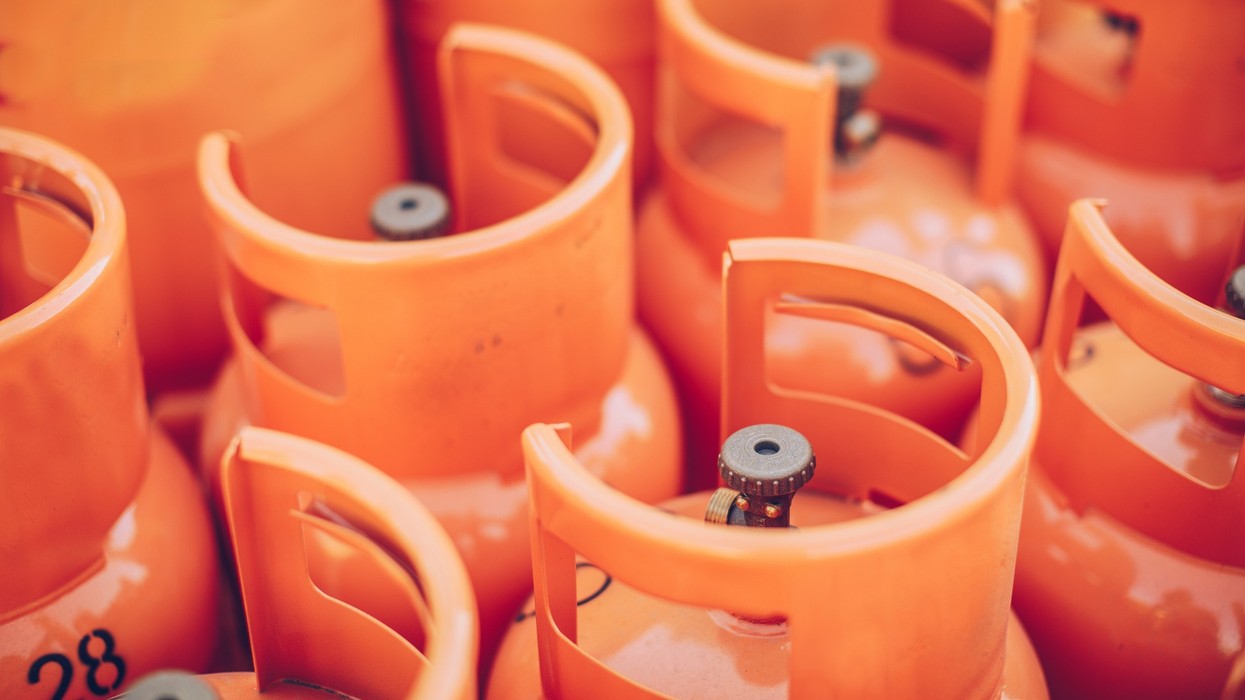
Kanchana Wijesekera, the island nation's minister of power and energy, said on Monday (25) that Sri Lanka will restrict fuel imports for the next 12 months as it is facing a severe shortage of foreign exchange and announcing a rationing system for the distribution of fuel across the crisis-hit island nation.
“QR system was introduced since the daily fuel demand cannot be fulfilled. Due to Forex issues, Fuel imports have to be restricted in the next 12 months,” he said.
Sri Lanka, a country of 22 million people, is under the grip of an unprecedented economic turmoil, leaving millions struggling to buy food, medicine, fuel and other essentials. The severe foreign exchange shortage has hampered the import of fuel and other essentials in the country reeling under the worst economic crisis in seven decades.
Many incidents of violence have been reported at fuel stations and nearly 20 people have died of exhaustion after spending several days continuously in long queues.
Since the beginning of this year, Sri Lanka relied on an Indian line of credit to fund fuel purchases. Sri Lanka, which relied on an Indian credit line for fuel imports till February, has now exhausted the facility. The last fuel shipment under the Indian credit line arrived on June 16. Sri Lanka's fuel and energy sectors are the worst hit by the forex shortages triggered by the unprecedented economic crisis.
The Indian credit lines for fuel and essentials provided a lifeline while the island nation was struggling to seek an a package from the International Monetary Fund (IMF). An expected bail-out package with the IMF has been delayed due to difficulties to reach a staff-level agreement after the process got underway in April.
The worst economic crisis since 1948 led to a debilitating political crisis in Sri Lanka where former President Gotabaya Rajapaksa was forced out of power due to his poor handling of the economy. A massive protest on July 13 attempted to break into the parliamentary complex in continuation with the July 9 popular uprising, forcing Rajapaksa to leave the country to the Maldives and then to Singapore. On July 9, anti-government protesters occupied the official residence of Rajapaksa and the private home of Wickremesinghe.
The mob also torched the private residence of Wickremesinghe. Last week, Sri Lanka's Parliament elected Wickremesinghe, an ally of Rajapaksa, as the successor to Rajapaksa, who resigned after reaching Singapore. It was the first time in 44 years that Sri Lanka's Parliament directly elected a president.
Sri Lanka has seen months of mass unrest over the worst economic crisis and many blame the former government led by Rajapaksa and his family for mishandling the island nation's economy.
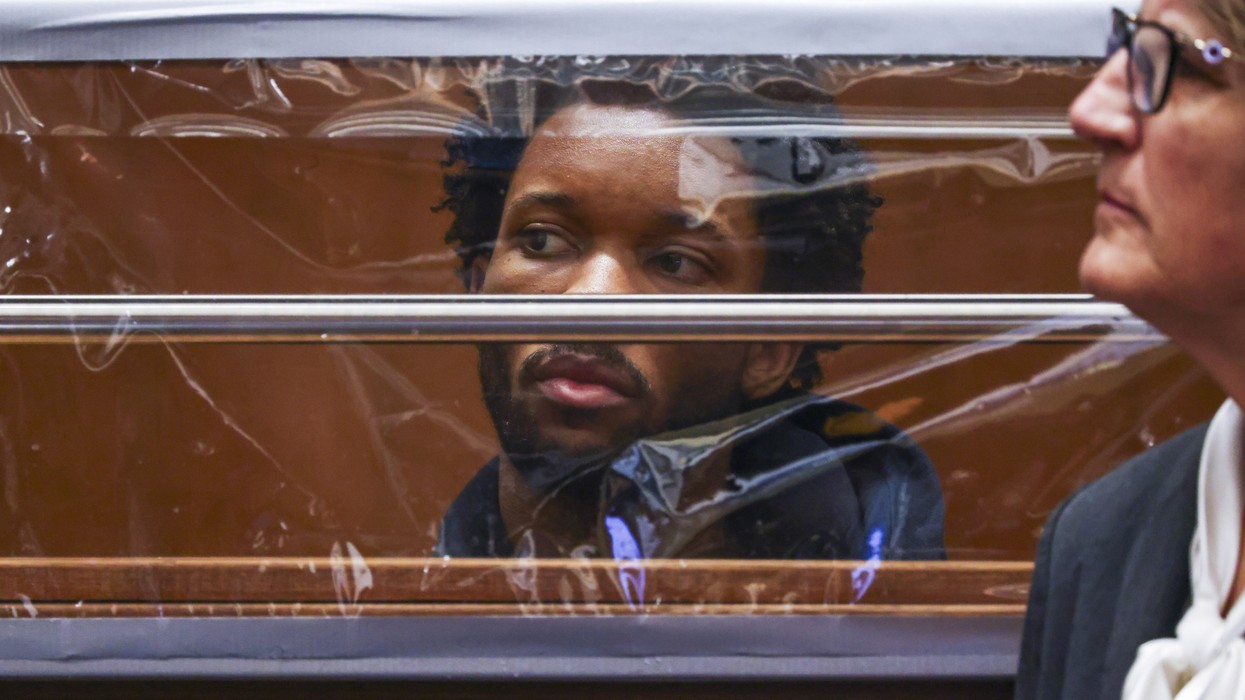
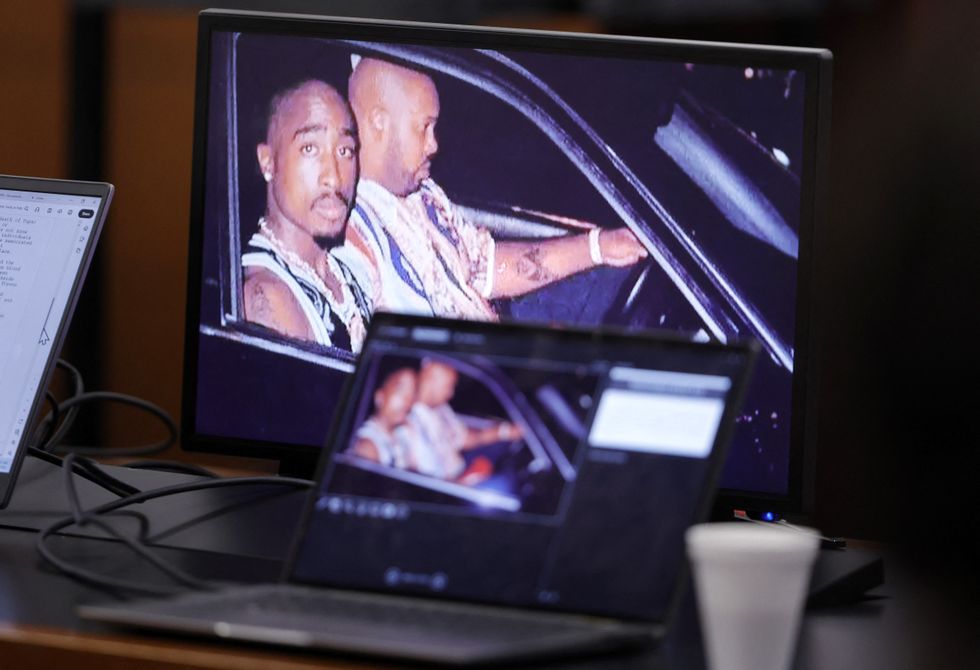 A 1996 photo of rapper Tupac Shakur (L) and Marion "Suge" Knight is shown on screens during closing arguments in the Duane Davis murder trial, related to the 1996 killing of rapper Tupac Shakur, at Clark County District Court at the Regional Justice Center in Las Vegas, Nevada, on August 31, 2026. Getty Images



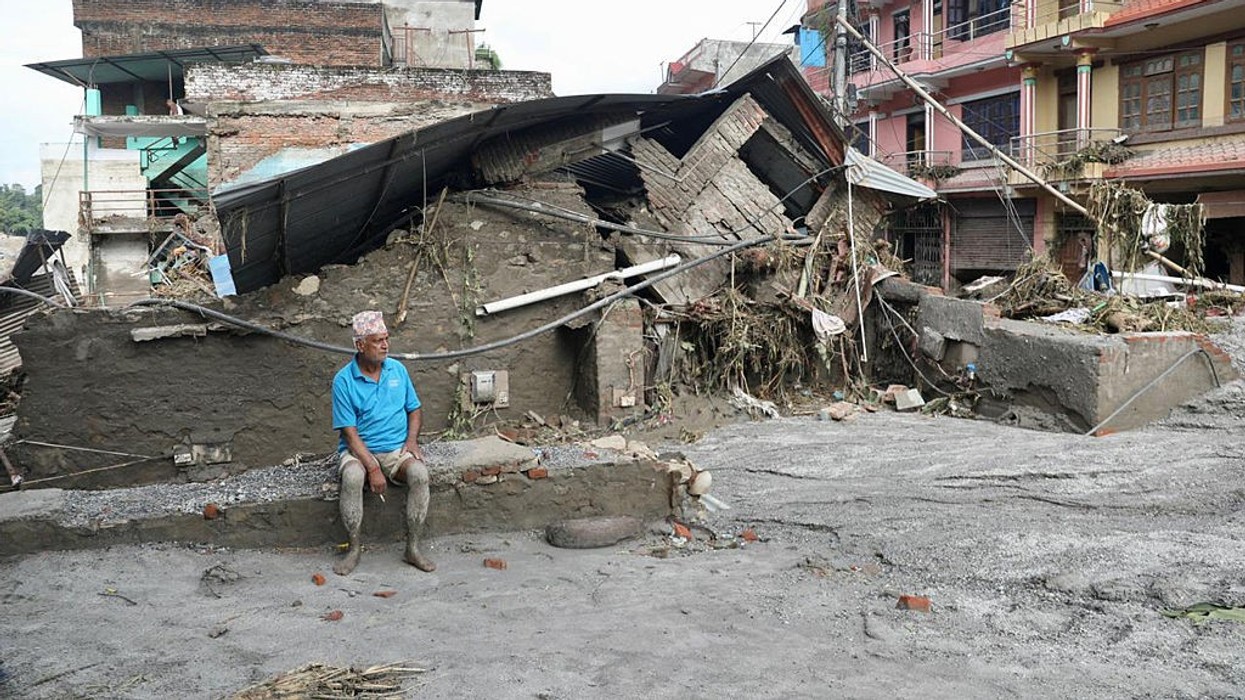
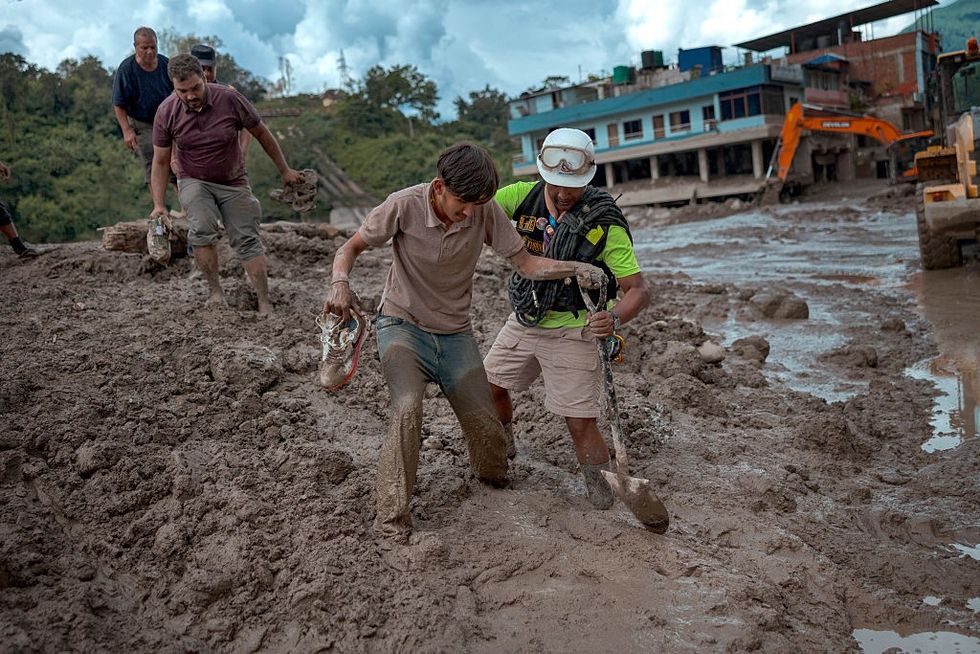 A rescuer assists a resident through heavy mud following flash floods on August 27, 2026 in Trishuli, Nepal. A sudden flood swept through the Bhote Koshi River basin in northern Rasuwa on August 26, damaging settlements, roads and energy infrastructure as rescue teams searched for residents and foreign travellers reported out of contact. Hundreds were reported missing, as the death toll started to climb.Getty Images
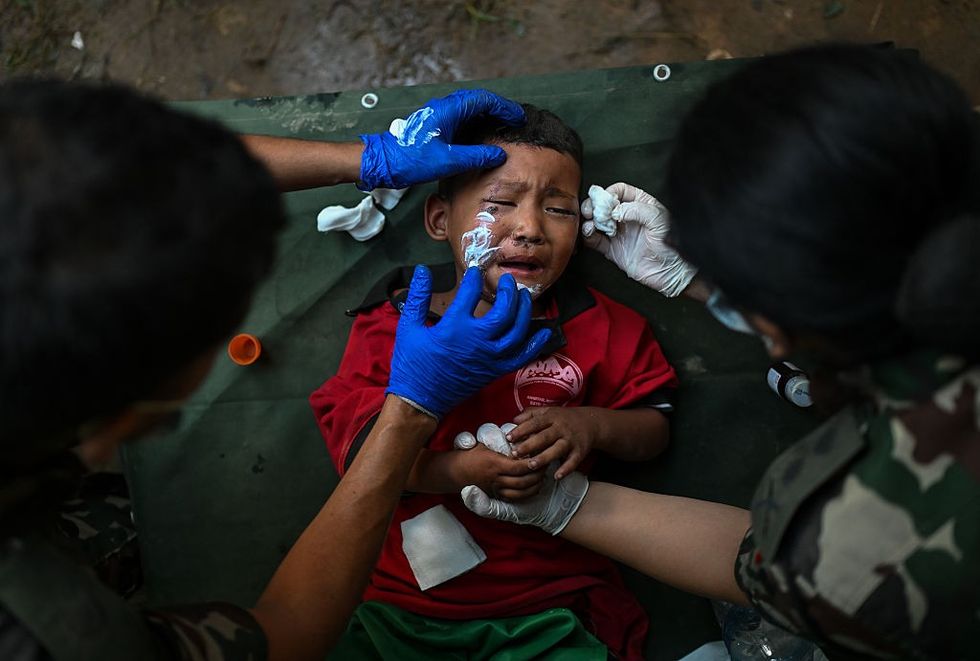 Rescue personnel provide medical treatment to a child at an army rescue camp in Trishuli Batar, Nepal, on August 27, 2026. A sudden flood swept through the Bhote Koshi River basin in northern Rasuwa on August 26, damaging settlements, roads and energy infrastructure, as rescue teams searched for residents and foreign travellers reported out of contact. Hundreds were reported missing as the death toll began to climb. Getty Ima
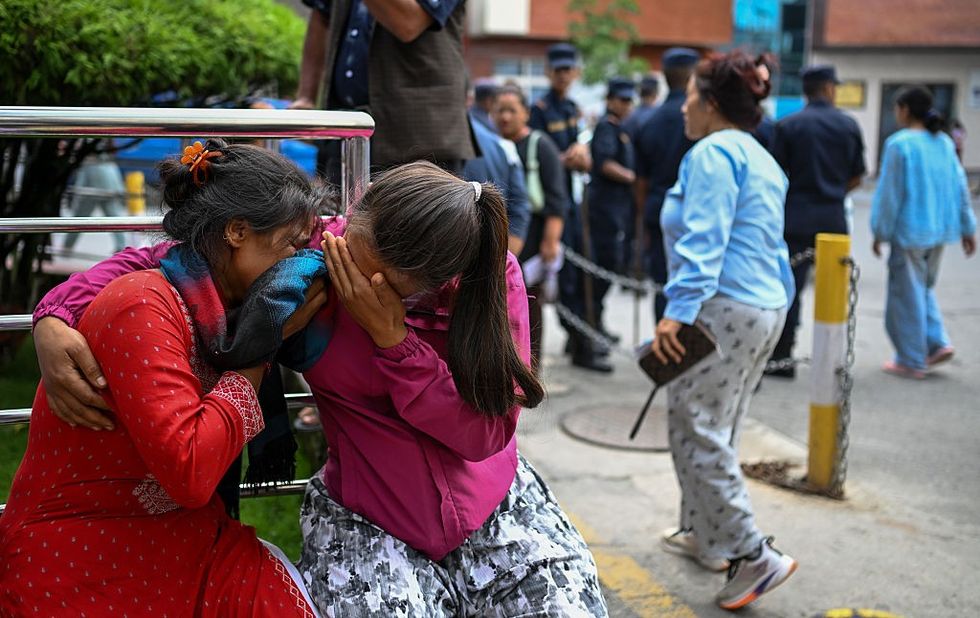 Family members of missing flood victims react at the emergency ward of the Maharajgunj Medical Campus, part of the Tribhuvan University Teaching Hospital, on August 28, 2026 in Kathmandu, Nepal. Authorities said the flash floods were triggered after a mass of ice, mud and rock collapsed into a Himalayan river near the Nepal-China border, leaving hundreds dead or missing and causing widespread damage in affected districts. Authorities continued the gruelling search for victims, many buried under metres of mud, as both China and Nepal issued fresh flooding alerts.Getty Images