
Highlights:
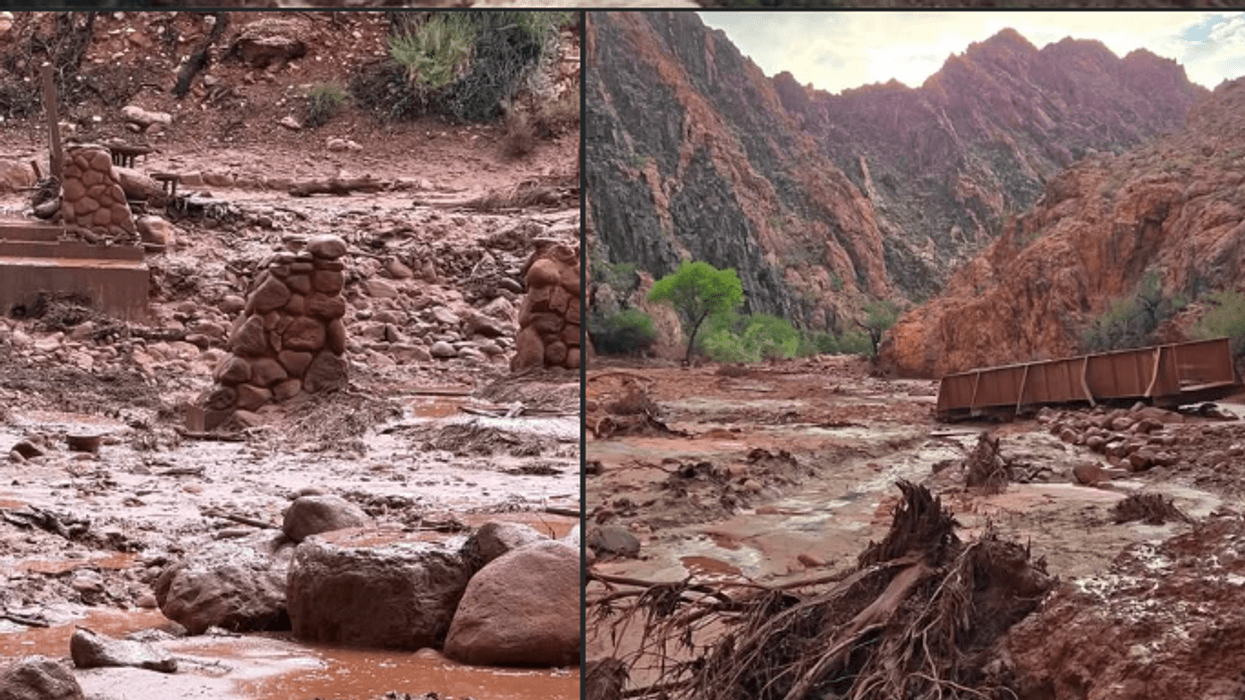
A deadly flash flood swept through a remote section of the Grand Canyon on Sunday, leaving at least one person dead and 15 others missing or unaccounted for as authorities search for hikers, campers and visitors who may have been caught in the sudden deluge.
The National Park Service said a 46-year-old man was recovered from Crystal Rapids along the Colorado River. The Coconino County Medical Examiner’s Office responded to the scene.
The disaster has also disrupted access to some of the canyon’s most remote areas, raising fears for people who may still be stranded or unable to contact their families.
A sudden disaster in a remote canyon
Officials are asking for information about anyone who may have been hiking or backpacking along Bright Angel Creek, as well as people who planned to stay at Phantom Ranch or Bright Angel Campground.
Authorities are also attempting to locate visitors who may have been stranded along the North Kaibab Trail.
The number of people considered missing was revised from an earlier estimate of 20 to 15.
Among those unaccounted for is a Texas chiropractor who had been documenting his Grand Canyon trip on Facebook. His sister told The New York Times that the family last spoke with him on Saturday afternoon, before the flooding began.
For those who survived, the experience was frightening and, in some cases, marked by the realisation that they had escaped just in time.
David Gregory had hiked down the North Kaibab Trail to Phantom Ranch on Saturday morning and checked into a cabin only hours before the rain arrived.
Later, officials told Gregory and his group to evacuate. They gathered their belongings and crossed footbridges before first responders airlifted Gregory and about 50 other people to safety.
“It was kind of crazy hearing later that the bridge that we crossed was wiped out. Kind of makes you think that maybe we should have been in more of a panic,” Gregory said.
Bridges destroyed, water system damaged
The flooding caused extensive destruction throughout Bright Angel Canyon.
The National Park Service said footbridges along Bright Angel Creek were destroyed, “eliminating hiker access across the creek”. Some Colorado River crossings were also closed while officials assessed the damage.
“The flash flood resulted in significant impacts to infrastructure throughout Bright Angel Canyon,” the National Park Service said in a statement. “Grand Canyon National Park staff are continuing to assess damage to trails, bridges, utilities, facilities and other infrastructure.”
The damage extends to critical infrastructure. The Transcanyon Waterline, which supplies water from the canyon for use in the park, was rendered inoperable.
“The waterline is currently not operational, leaving the park with limited water reserves and requiring significant water conservation measures to ensure available supplies can be maintained,” the service said.
All overnight accommodations operated by park concessions were suspended during the peak visitor season, while water restrictions on the South Rim were scheduled to begin Monday (31).
Search continues as more flooding threatens
The National Weather Service warned that the threat of flash flooding across northern and central Arizona would continue through Monday evening (31).
Earlier Sunday, 62 people had been evacuated from Phantom Ranch and the lower North Kaibab Trail, with further evacuations expected from Phantom Ranch and Cottonwood Campground.
Colorado River traffic was also halted because of the danger posed by floating debris.
Phantom Ranch, accessible only by hiking, rafting or mule transport, has attracted visitors since opening in 1922. But the normally isolated beauty of the canyon has become a dangerous environment following the flooding.
Authorities are now racing against time to locate those who remain missing while assessing the full extent of the destruction.
For families waiting for news, the Grand Canyon is no longer simply a place of adventure and breathtaking scenery. It has become the setting of an anxious search for loved ones whose whereabouts remain unknown.


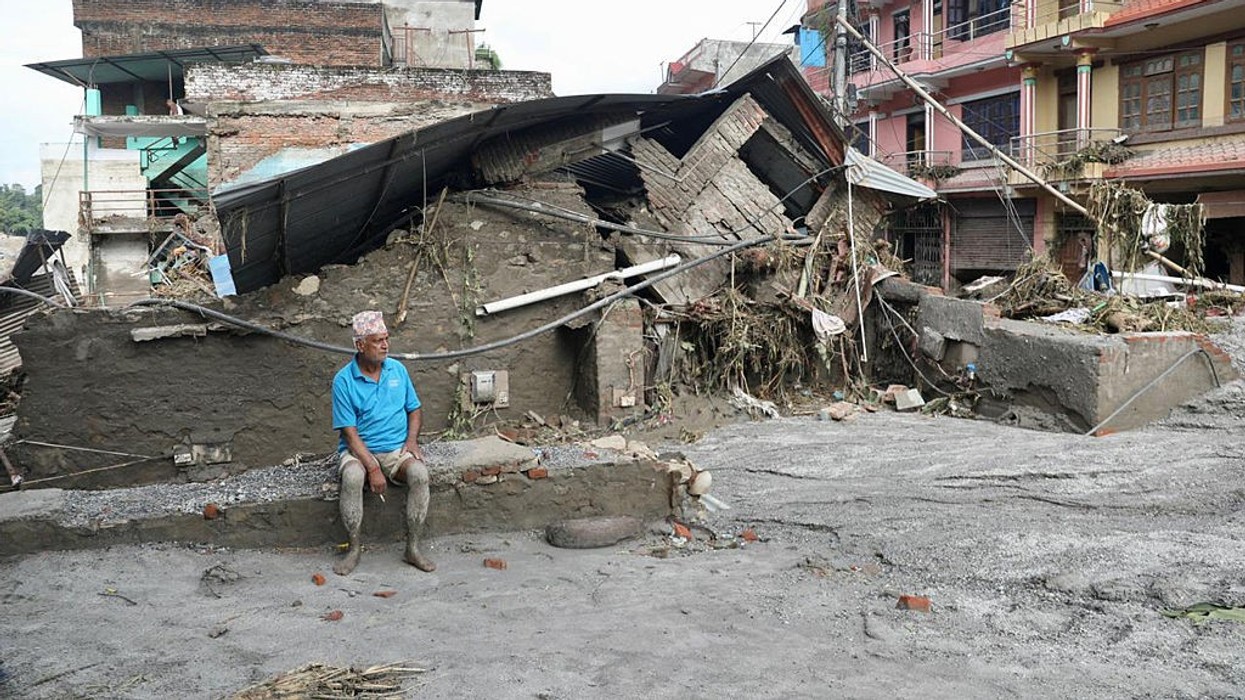
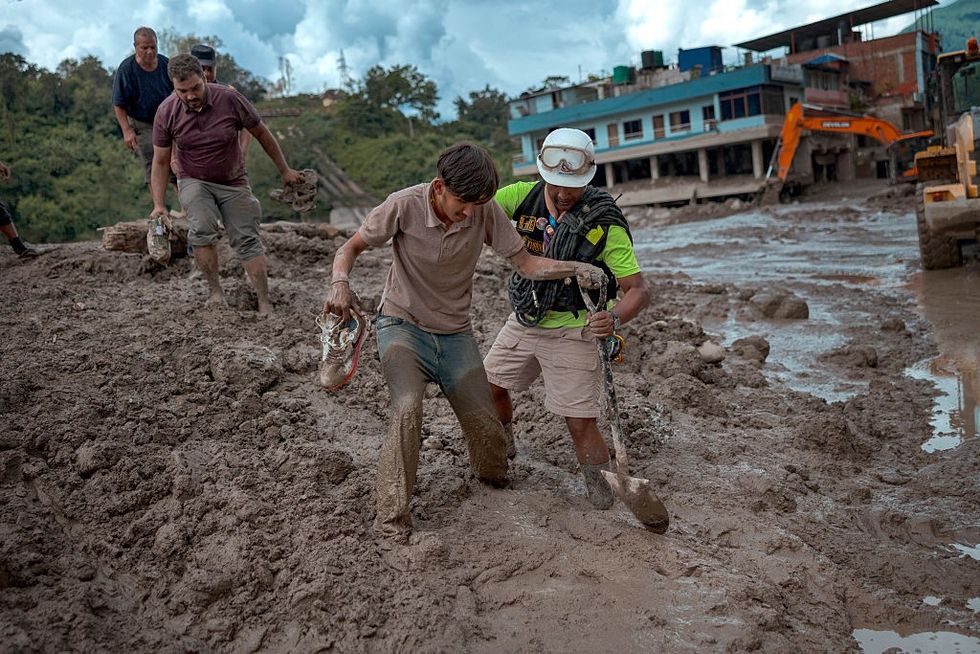 A rescuer assists a resident through heavy mud following flash floods on August 27, 2026 in Trishuli, Nepal. A sudden flood swept through the Bhote Koshi River basin in northern Rasuwa on August 26, damaging settlements, roads and energy infrastructure as rescue teams searched for residents and foreign travellers reported out of contact. Hundreds were reported missing, as the death toll started to climb.Getty Images
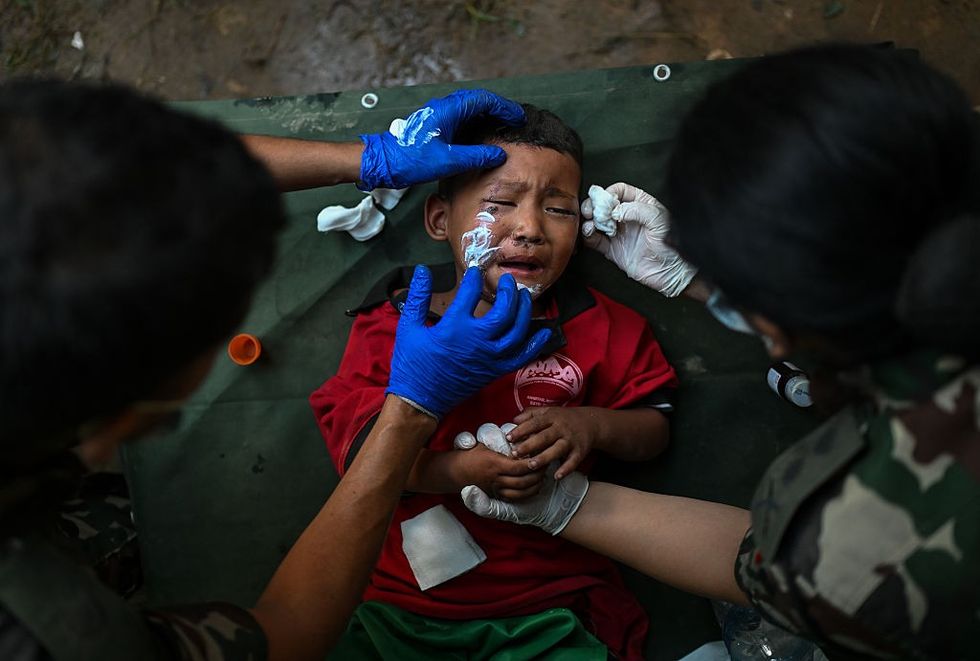 Rescue personnel provide medical treatment to a child at an army rescue camp in Trishuli Batar, Nepal, on August 27, 2026. A sudden flood swept through the Bhote Koshi River basin in northern Rasuwa on August 26, damaging settlements, roads and energy infrastructure, as rescue teams searched for residents and foreign travellers reported out of contact. Hundreds were reported missing as the death toll began to climb. Getty Ima
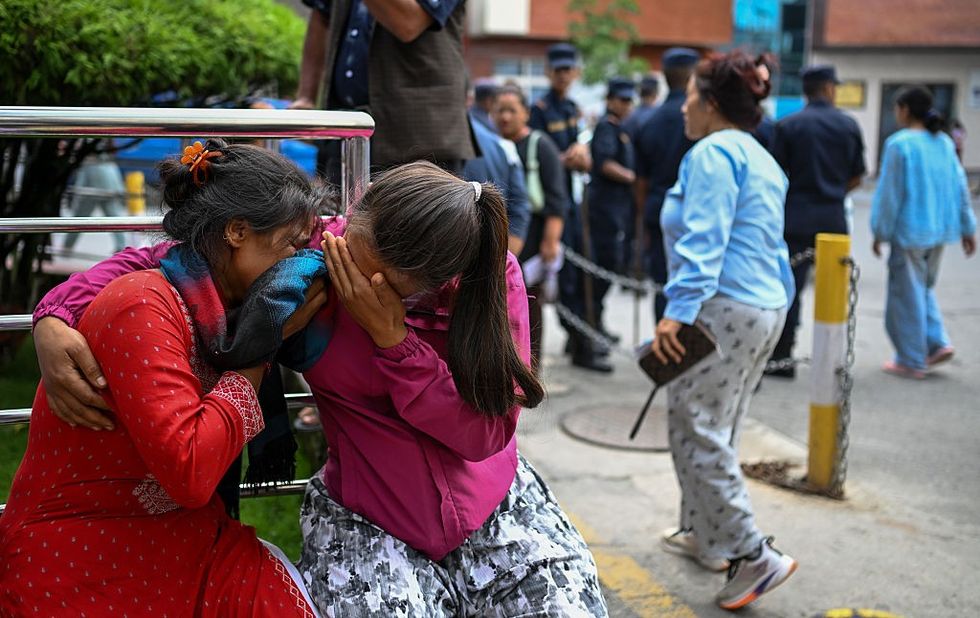 Family members of missing flood victims react at the emergency ward of the Maharajgunj Medical Campus, part of the Tribhuvan University Teaching Hospital, on August 28, 2026 in Kathmandu, Nepal. Authorities said the flash floods were triggered after a mass of ice, mud and rock collapsed into a Himalayan river near the Nepal-China border, leaving hundreds dead or missing and causing widespread damage in affected districts. Authorities continued the gruelling search for victims, many buried under metres of mud, as both China and Nepal issued fresh flooding alerts.Getty Images







 Claude.in