
Highlights:
The announcement of a preliminary agreement between the United States and Iran has generated optimism across global markets and diplomatic circles. Yet behind the celebrations, officials from both countries are emphasizing a crucial reality: the most difficult work has not been completed.
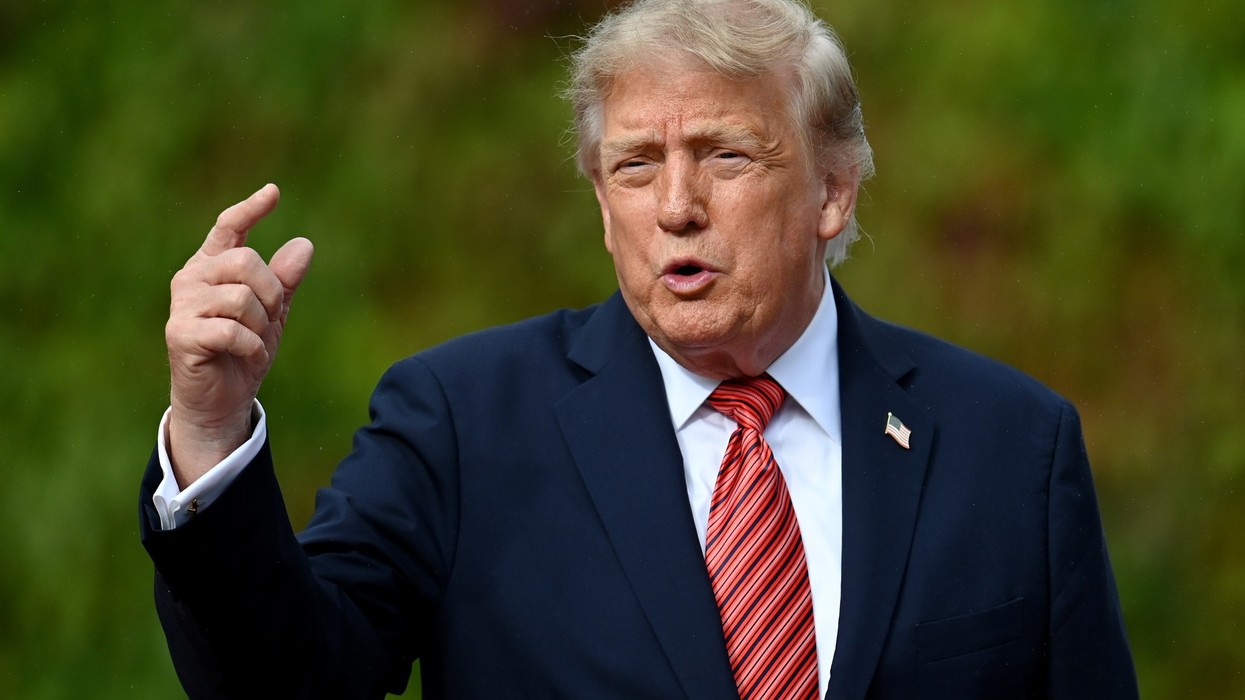
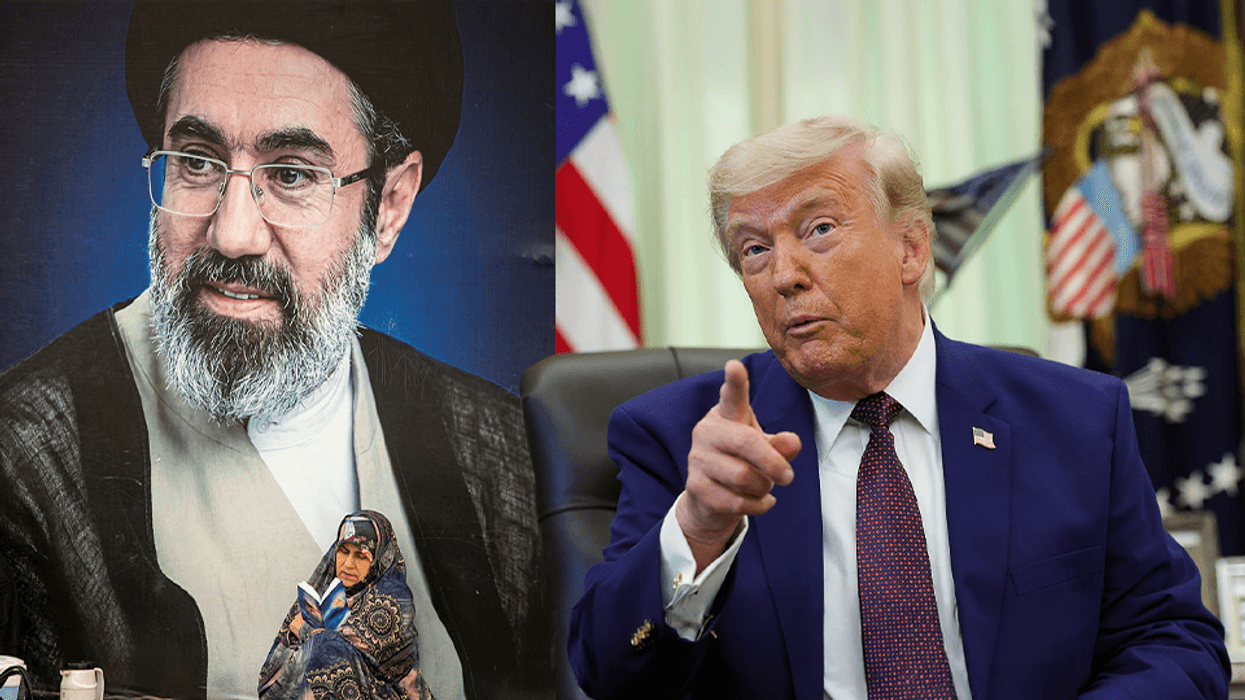
President Donald Trump said the agreement had already been signed electronically, while vice president JD Vance revealed that the memorandum of understanding is only "about a page and a half" long and remains broad in scope. Rather than serving as a final peace treaty, the document establishes a roadmap for negotiations that will unfold over the coming weeks.
The agreement is expected to be formally signed in Geneva on Friday (19), while talks on a comprehensive settlement begin immediately afterward.
A framework, not a final peace agreement
Much of the public attention has focused on the signing itself. However, US officials have made clear that the current document is designed to create a structure for future negotiations rather than settle every dispute.
Vance stressed that many details still need to be negotiated by technical teams. He described the memorandum as a framework that allows Iran to receive benefits only after meeting specific obligations.
According to Vance, one of the most important commitments involves Iran's nuclear program.
"One of the core parts of the agreement is that the [International Atomic Energy Agency] and the United States are going to help Iran destroy the highly enriched stockpile - and that's something that's spelled out very clearly."
The vice president also emphasized that international inspectors would return to Iran.
"Most importantly, they're going to have a verifiable commitment to not building a nuclear weapon."
The coming technical talks are expected to focus heavily on verification procedures, inspection access, uranium stockpiles, and the sequence of sanctions relief. These issues have historically been among the most difficult parts of any negotiation between Washington and Tehran.
The economic stakes reach far beyond the Middle East
One immediate effect of the agreement could be felt in global energy markets.
Senior US officials said the Strait of Hormuz, one of the world's most important shipping corridors, is expected to reopen on Friday (19). The waterway handles a significant portion of global oil exports, making any disruption a major concern for governments and businesses worldwide.
Trump has already suggested that maritime traffic is beginning to recover.
The reopening of the strait could reduce pressure on energy prices and ease concerns about supply disruptions that have affected markets during the conflict.
Food prices may also benefit indirectly. Higher energy costs often increase transportation and production expenses across global supply chains. A more stable Gulf region could therefore help limit inflationary pressures in many countries.
However, economists caution that long-term market stability will depend on whether the ceasefire evolves into a durable political agreement.
Regional flashpoints could still challenge the deal
Although the agreement has paused direct hostilities, several sensitive issues remain unresolved.
The ceasefire extends for 60 days, creating a limited period for negotiators to reach a broader settlement. During that time, tensions involving Lebanon, Israel, and Iranian-backed groups will remain under close scrutiny.
Israeli prime minister Benjamin Netanyahu has made it clear that Israel's security policies will not change immediately. He stated that Israeli forces would remain in designated security zones in Lebanon, Syria, and Gaza and would continue acting against perceived threats.
At the same time, Iranian foreign minister Seyed Abbas Araghchi warned that future Israeli military actions in Lebanon could be viewed as violations of the interim arrangement.
These competing positions illustrate why many diplomats see the current agreement as a starting point rather than a conclusion.
The political language coming from Tehran also reflects caution. While Iranian officials welcomed the end of military operations, they continued to express skepticism toward Washington's intentions. Iran's foreign ministry described the agreement as only a first step toward reducing tensions and acknowledged continuing distrust of the United States.
That mistrust may become one of the biggest obstacles during upcoming negotiations.
For now, the agreement has achieved something many observers considered unlikely only weeks ago: it has stopped active fighting and reopened a path toward diplomacy. Whether it develops into a lasting peace will depend less on the signatures already secured and more on the complex negotiations that begin after Friday.